
Maintaining correct tyre pressure is essential for road safety, fuel efficiency, and tyre longevity. When choosing a portable car tyre pump, the primary decision comes down to how the device is powered: a corded 12V unit that plugs into your vehicle’s cigarette lighter socket, or a cordless, rechargeable battery-powered model. The right choice depends on your storage habits, how often you plan to use the device, and whether you need to inflate items other than car tyres.
Power Compatibility and Electrical Requirements
Before purchasing a corded 12V tyre pump, you must verify your vehicle’s electrical limits to prevent blown fuses. Check your car’s owner’s manual to find the fuse rating of the 12V accessory socket, which is commonly rated at 10 or 15 amps. Compare this rating against the maximum current draw specified on the tyre pump’s label to ensure the device will not overload the circuit.
Operating a corded pump also requires understanding your vehicle’s power state. To prevent draining your starter battery, it is generally recommended to keep the engine running while operating the pump, rather than leaving the ignition in accessory mode. This ensures the alternator supports the electrical load of the pump’s motor.
Products mentioned in this guide
![[SG Stock] Air Pump Car Inflator Compressor Portable Ball Bike Bicycle Rechargeable Basketball Soccer Volleyball Tyre Wheel Tire 12V LED Fast Auto Shut-off Emergency](https://img.lazcdn.com/g/p/cc7d92c566c3860fbbfa1d535cc6f3bb.jpg_400x400q80.jpg_.webp)
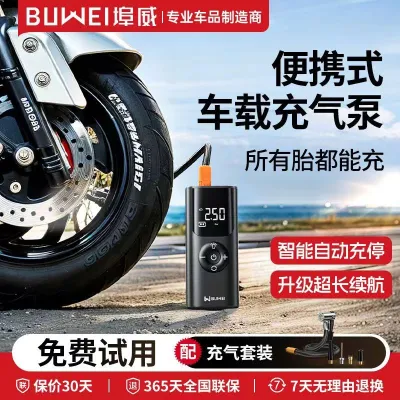
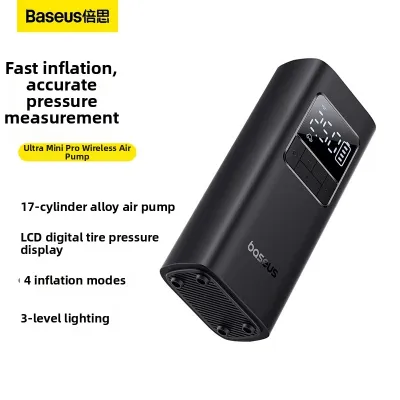
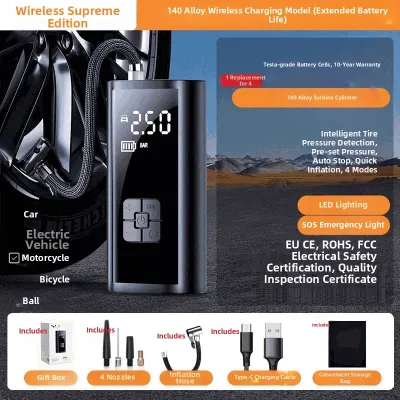
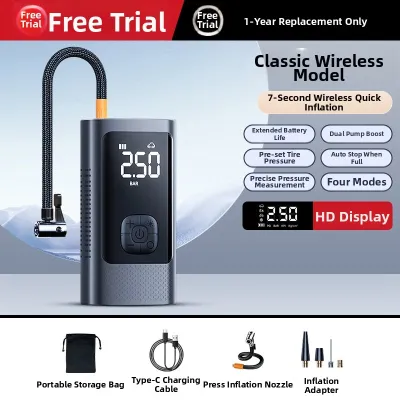
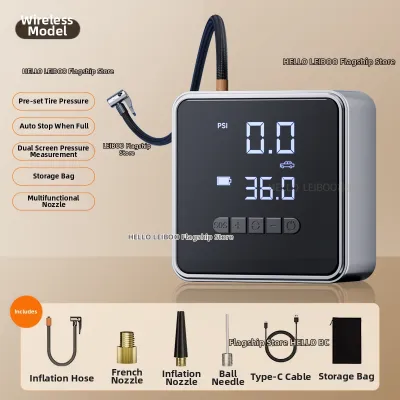
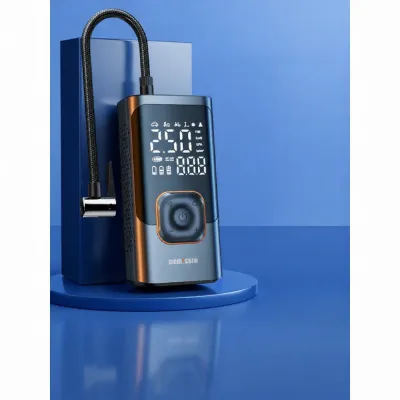
Prices are valid at publication and may change. Please refer to the product page for the latest price.
For cordless pumps, electrical compatibility focuses on the charging process. You should verify the device’s charging input specifications, typically found in the user manual, and use only compatible power adapters. Avoid using high-voltage fast chargers designed for laptops or modern smartphones unless the manufacturer explicitly states the pump supports those specific charging protocols.
Emergency Readiness and Reliability Trade-offs
A portable pump is only useful if it works during an unexpected roadside emergency. Corded 12V pumps offer high long-term reliability because they do not rely on internal batteries that degrade over time. As long as your vehicle’s electrical system is fully functional, a corded pump will receive a steady supply of power whenever you need it.

In contrast, cordless pumps rely on built-in lithium-ion batteries, which naturally self-discharge over time even when not in use. If you store a cordless pump in your vehicle for months without checking it, you may find the battery completely flat when you encounter a low-pressure warning. Regular maintenance is required to ensure a cordless unit remains ready for emergency use.
Physical reach is another critical factor for corded models. Before buying, check the combined length of the 12V power cable and the air hose to ensure it can comfortably reach all four tyres, as well as the spare tyre in the boot, from your vehicle’s socket location. Larger vehicles like sport utility vehicles or station wagons may require longer cables to avoid straining the connections.
Convenience, Portability, and Multi-Purpose Use
Cordless tyre pumps excel in versatility and ease of use. Because they do not require a physical connection to a vehicle socket, you can easily use them to inflate bicycle tyres, motorcycle tyres, or sports equipment anywhere, without being tethered to your car. This makes them highly practical for active households.
The physical footprint also differs significantly between the two types. Corded units require careful cable management to wind up and store several meters of power cord alongside the air hose, which can make packing them away a tedious task. Compact cordless models are often much smaller, resembling a large power bank, and fit easily into glove compartments or door pockets.
Additionally, cordless models frequently incorporate secondary features that leverage their internal battery. Many designs include built-in LED work lights to assist with night-time inflation, and some can even function as emergency power banks to charge your mobile phone if you are stranded.
Long-Term Storage and Climate Considerations
Local weather conditions play a major role in determining the lifespan and safety of your tyre pump. In Singapore’s tropical climate, temperatures inside a parked car cabin can rise significantly under direct sunlight. Leaving a cordless pump containing lithium batteries exposed to this intense heat can accelerate battery degradation and, in extreme cases, pose safety risks.
For corded pumps, storage concerns are primarily mechanical and environmental. When storing a corded unit in your boot, you should periodically inspect the 12V plug, copper contacts, and insulation for physical damage, fraying, or corrosion caused by humidity. Ensure the cable is not tightly bent or pinched under heavy luggage.
To maintain readiness, establish a routine check schedule. For cordless units, test the battery level and top up the charge every few months according to the manufacturer’s guidelines. For corded units, plug them in and run the motor briefly once or twice a year to ensure the internal lubrication remains distributed and the motor does not seize.
Decision Checklist: Matching the Pump to Your Driving Habits
To finalize your choice, consider how you intend to use and maintain the device:
- Choose a 12V corded pump if you want a set-and-forget emergency tool, prefer zero battery maintenance, primarily drive long distances, and only need to inflate car tyres.
- Choose a cordless pump if you want a multi-purpose inflator for bicycles or sports gear, value a compact and cable-free design, and are willing to regularly monitor and recharge the battery.
- Consider hybrid options if you want the best of both worlds. Some models support both a 12V plug and an internal rechargeable battery, though these units are typically heavier and may carry a higher price tag.
Frequently Asked Questions (FAQ)
Can a 12V tyre pump drain my car battery?
Yes, if the engine is not running. Operating a high-draw 12V pump while the vehicle is in accessory mode can quickly deplete the starter battery. To avoid this, keep your engine running during inflation and monitor the total operating time.
How often should I charge a cordless tyre pump if I rarely use it?
Lithium-ion batteries naturally lose charge over time. It is generally recommended to inspect the battery level and recharge the unit every three to six months, ensuring it remains sufficiently charged for unexpected roadside emergencies.
Are cordless tyre pumps safe to leave in the car boot under the sun?
High temperatures can degrade lithium batteries and reduce their lifespan. In hot climates like Singapore, it is safer to store cordless pumps in cooler areas of the vehicle, such as under the seats, or remove them from the car during periods of prolonged outdoor parking.
Community discussion
Share your experience or ask a question. Comments are reviewed before publication.