
Selecting the right cooling seat pad in Singapore requires balancing intense tropical heat with high relative humidity. For most drivers seeking immediate relief from back sweat and heat buildup, a 3D breathable mesh pad offers the most effective passive cooling by creating a physical air gap that allows continuous ventilation. Fabric pads made of cotton or linen blends provide excellent initial sweat absorption but can become damp and heavy in humid conditions, while leather or synthetic leather pads offer premium aesthetics and easy cleaning but tend to retain heat unless paired with active vehicle ventilation. Understanding how these materials interact with your car’s cabin climate is key to making an informed decision.
Understanding Passive Cooling in Tropical Climates
Passive cooling in a vehicle cabin relies on heat dissipation and airflow rather than mechanical refrigeration. When a car is parked under the direct tropical sun, interior temperatures rise rapidly, heating the seats far beyond the ambient air temperature. A cooling seat pad acts as a thermal barrier between your body and the hot seat upholstery, managing how heat is transferred while you drive.
In Singapore’s high-humidity environment, the body’s natural cooling mechanism—sweat evaporation—is significantly slowed down. This makes continuous airflow across the skin and clothing absolutely critical. Passive pads achieve this by using materials that do not trap air, allowing whatever cabin air conditioning is available to circulate behind your back and under your thighs.
Products mentioned in this guide
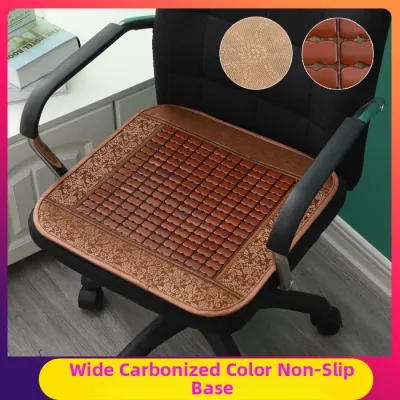
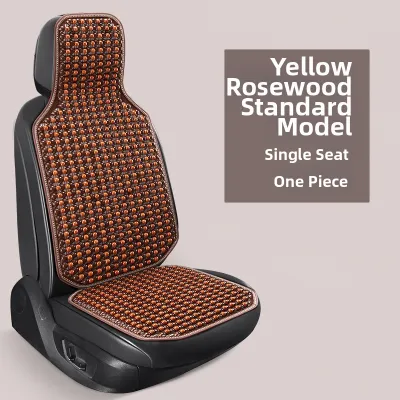
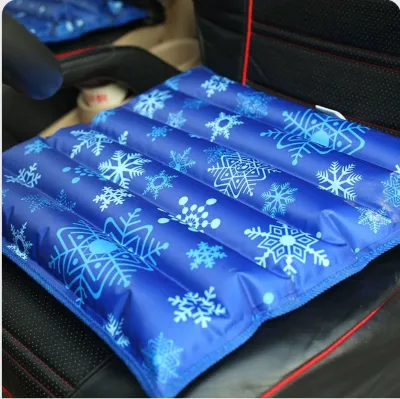
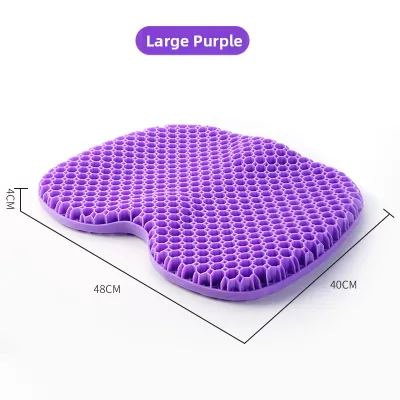
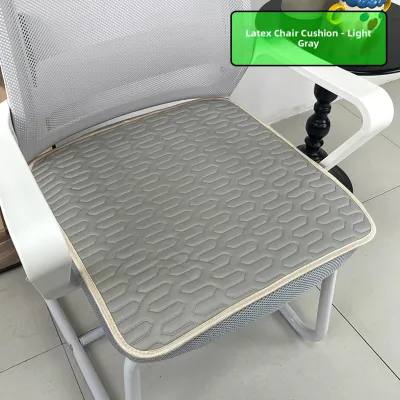
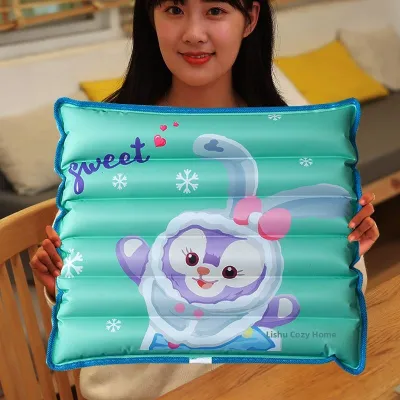
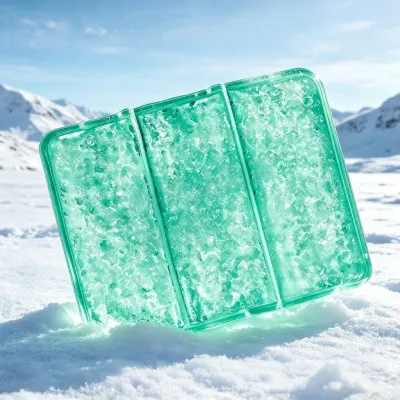
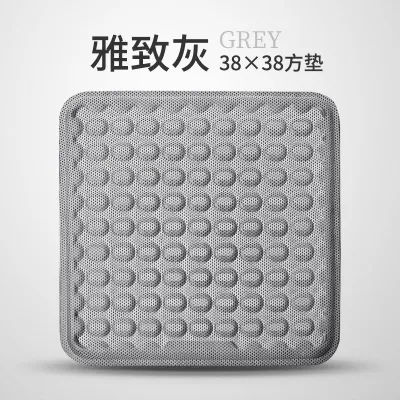
Prices are valid at publication and may change. Please refer to the product page for the latest price.
The effectiveness of this heat transfer depends heavily on the pad’s thickness, backing structure, and surface texture. A dense, solid backing will block airflow entirely, trapping body heat and moisture against the seat. Conversely, an open, porous structure allows heat to escape, preventing the uncomfortable greenhouse effect that often occurs during daily commutes.
Material Breakdown: Leather, Fabric, and Breathable Mesh
To choose the right cooling seat pad, it is essential to look closely at the physical properties of the three primary materials available on the market. Each material handles thermal energy, humidity, and physical wear in distinct ways due to its structural composition.

While some manufacturers make broad claims about cooling performance, the actual comfort you experience depends on observable material traits. The following evaluations focus on how leather, fabric, and mesh behave under typical daily driving conditions, helping you match their characteristics to your personal comfort priorities.
Leather and Synthetic Leather Pads
Leather and synthetic leather (polyurethane or vinyl) are popular choices for car interiors due to their sleek appearance and durability. However, as solid, non-porous materials, they naturally absorb and retain thermal energy. When exposed to direct sunlight through a windshield, a leather pad can become hot to the touch and take a significant amount of time to cool down, even with the air conditioning running at maximum capacity.
To mitigate this heat retention, many manufacturers offer perforated leather pads. These designs feature tiny, evenly spaced punctures across the surface to allow a small amount of air to pass through. While perforations represent a structural improvement over solid sheets, the passive airflow remains limited because the underlying material layers often remain dense and restrictive.
The primary advantage of leather and synthetic leather pads lies in their maintenance profile rather than their passive cooling capabilities. They are highly resistant to liquid spills, sweat absorption, and staining. A simple wipe-down with a damp cloth or a label-authorized leather cleaner is usually all that is required to keep them clean, making them a practical choice for drivers who prioritize a premium look and hassle-free maintenance over maximum ventilation.
Fabric Pads (Cotton, Linen, and Blends)
Fabric cooling seat pads, typically constructed from natural fibers like cotton, linen, or synthetic polyester blends, offer a softer and more traditional seating feel. Natural fibers are inherently breathable and possess excellent moisture-wicking properties, allowing them to absorb sweat from your clothing during warm drives.
However, Singapore’s persistent high humidity presents a unique challenge for fabric pads. While cotton and linen excel at absorbing moisture, they can struggle to release that moisture back into the humid air. Over the course of a long commute, a fabric pad can become damp, heavy, and warm, losing its initial cooling effect and potentially creating a breeding ground for bacteria and musty odors.
The weave density and surface texture of the fabric also play a major role in its thermal performance. A loose, open weave allows for better air movement, whereas a tight, dense weave restricts airflow and behaves more like an insulating blanket. Additionally, fabric pads require regular machine washing and thorough drying to maintain hygiene, which can lead to wear, color fading, or shrinkage over time if the manufacturer’s care instructions are not strictly followed.
Breathable Mesh (3D Air Mesh) Pads
Breathable mesh pads, often referred to as 3D air mesh or spacer fabric, are specifically engineered to maximize passive ventilation. These pads utilize a unique three-dimensional knitting process that places a springy, vertical micro-filament layer between two open-mesh outer surfaces. This structural design creates a permanent, physical air gap between your body and the car seat.
This air gap is highly effective in tropical climates because it allows air to circulate freely in all directions. As you drive, cabin air flows through the mesh, carrying away body heat and evaporating sweat before it can accumulate on your clothes. This continuous ventilation prevents the buildup of localized heat and significantly reduces the occurrence of back sweat, even during extended periods of driving.
Despite their superior cooling performance, 3D mesh pads do involve certain trade-offs. The structural filaments that keep the air gap open make the pad feel firmer and less plush than traditional fabric or leather cushions. The aesthetic is also decidedly utilitarian, which may not appeal to drivers looking to maintain a luxury interior look. Furthermore, the open mesh surface can be susceptible to snagging from sharp objects like keys, zippers, or velcro, requiring a bit of care during daily use.
Comparing Key Performance Dimensions
To help you weigh these options, it is helpful to compare how leather, fabric, and breathable mesh perform across the key practical dimensions that affect your daily driving experience.
Airflow and Ventilation: Breathable 3D mesh stands out as the clear leader in airflow due to its open, double-layered structure that maintains a physical air gap under pressure. Fabric pads offer moderate surface breathability but lack the structural depth to facilitate active air movement beneath the occupant. Perforated leather provides minimal passive airflow, relying almost entirely on the vehicle’s cabin air conditioning to cool its surface.
Moisture Management: Fabric pads excel at absorbing sweat initially, but they tend to retain moisture in humid conditions, leading to a damp sensation. Leather and synthetic leather do not absorb moisture at all, which prevents dampness but can cause sweat to pool on the surface during long drives. Breathable mesh manages moisture by promoting rapid evaporation through continuous air circulation, keeping both the pad and your clothing dry.
Durability and Sun Exposure: Leather pads offer excellent resistance to UV degradation and physical wear, though they can crack over time if left untreated in direct sunlight. High-quality 3D mesh is highly resilient and retains its springy structure under constant weight, but cheaper versions may collapse or fray. Fabric pads are prone to fading, staining, and gradual wear from friction, especially with frequent washing.
Maintenance and Cleaning: Leather is the easiest material to maintain, requiring only a quick wipe with a damp cloth to remove dust and spills. Mesh pads can typically be vacuumed or hand-washed, drying relatively quickly due to their open structure. Fabric pads require the most effort, needing regular machine washing and extended drying times to prevent mold and odor buildup in Singapore’s humid climate.
| Material Type | Airflow & Ventilation | Moisture Management | Durability & UV Resistance | Maintenance & Cleaning |
|---|---|---|---|---|
| Leather / Synthetic | Low (Perforated) to None (Solid) | Low absorption; sweat may pool | High resistance; prone to heat cracking | Very easy; wipe clean with damp cloth |
| Fabric (Cotton/Linen) | Moderate surface breathability | High absorption; slow to dry in humidity | Moderate; prone to fading and wear | Demanding; requires regular washing |
| Breathable Mesh (3D) | High; maintains physical air gap | High evaporation; keeps surface dry | High structural resilience; prone to snags | Moderate; vacuum or hand-wash |
Decision Framework: Which Material Fits Your Driving Needs?
Choosing the best cooling seat pad comes down to identifying your primary driving habits, vehicle setup, and personal comfort preferences.
Choose Breathable Mesh if: Your primary goal is to eliminate back sweat and stay as cool as possible during long daily commutes or professional driving. The physical air gap of 3D mesh provides unmatched passive ventilation that works continuously, making it the most effective choice for beating Singapore’s intense humidity.
Choose Fabric if: You prefer a soft, natural texture against your skin and do not mind performing regular maintenance. Fabric pads are ideal for drivers who make shorter trips, park mostly in shaded or indoor car parks, and appreciate the initial cool touch of natural fibers like linen or cotton.
Choose Leather if: You want to maintain a premium, cohesive look inside your cabin and prioritize easy cleanup above all else. Leather or high-quality synthetic leather pads are excellent for families with young children, as they resist spills and can be wiped clean instantly, even if they offer limited passive cooling.
Verify first if: Your vehicle is already equipped with built-in ventilated or massaging seats. Adding a thick aftermarket pad—especially a dense mesh or heavily padded fabric cover—can block the factory airflow vents and render your car’s built-in cooling features ineffective. Additionally, ensure that any pad you select does not interfere with seat occupancy sensors that control passenger airbag deployment.
Installation, Fitment, and Safety Guidelines
Before purchasing or installing any aftermarket cooling seat pad, it is critical to address vehicle safety and proper fitment. Incorrectly installed pads can compromise your vehicle’s safety systems or cause dangerous distractions while driving.
First, verify compatibility with your vehicle’s side airbags. Many modern cars have airbags embedded within the outer bolsters of the front seats. Ensure that the seat pad’s design, side straps, and mounting anchors do not cross over or obstruct these deployment zones. Refer to your vehicle’s owner manual to locate the exact airbag exit points before securing the pad.
Second, always inspect the straps, hooks, and non-slip backing of the pad during installation. The pad must be anchored securely to prevent it from shifting, sliding, or bunching up when you enter, exit, or operate the vehicle. A loose pad can slide forward during sudden braking, potentially interfering with your ability to reach the pedals safely.
Finally, follow the manufacturer’s specific care labels for washing and drying. Using excessive heat or harsh chemicals can warp the non-slip backing, degrade the elastic straps, or damage the internal structure of the pad, leading to premature failure. If you notice any interference with seatbelt pretensioners, occupancy sensors, or original seat heating elements, stop using the pad immediately and consult a qualified professional.
Frequently Asked Questions (FAQ)
Do cooling seat pads with built-in fans work better than passive materials?
Active cooling pads with built-in fans provide a more direct and powerful stream of air than passive materials alone. However, they require a continuous 12V power connection from your car’s accessory socket, which can clutter the console with wires. They also contain moving parts that generate audible fan noise and may wear out over time. Passive pads, such as 3D mesh, offer a silent, reliable, and maintenance-free alternative that relies entirely on structural airflow without needing electrical power.
Will a cooling seat pad block my car's factory ventilated seats?
Yes, installing a thick or densely backed aftermarket pad can significantly restrict or completely block the airflow from your car’s factory ventilated seats. If your vehicle has built-in seat ventilation, look for extremely thin, highly porous, or specifically perforated pads designed to allow air to pass through freely. Always test the factory ventilation system after installing any cover to ensure the air is still reaching your body effectively.

Community discussion
Share your experience or ask a question. Comments are reviewed before publication.