
When stepping into a vehicle parked under the intense, direct sunlight of Singapore, the immediate wave of heat radiating from the seats can make any journey uncomfortable. Finding the right seat cushion or cover to mitigate this heat is a priority for daily commuters, private-hire drivers, and road-trip enthusiasts alike. However, the search for the coolest material reveals that thermal comfort is highly subjective and depends heavily on how you use your vehicle.
There is no single material that remains the absolute coldest under all driving conditions. Instead, the optimal choice depends on a trade-off between immediate thermal relief and sustained breathability. Cooling gel cushions excel at providing an instant, cold-to-the-touch sensation for short trips, but they eventually saturate with body heat. Breathable mesh covers offer superior, continuous airflow that prevents sweat accumulation on long journeys. Standard fabric seat covers provide a balanced, thermally neutral option that avoids the extreme heat spikes of leather while remaining highly durable and easy to maintain.
Your driving habits, parking conditions, and reliance on your car’s air-conditioning system will ultimately dictate which option is best for your daily commute. For instance, a driver who frequently parks in open-air lots will experience these materials differently than someone using shaded basement parking. Understanding the underlying science of how these materials handle heat, moisture, and airflow is the first step toward making an informed purchase.
Products mentioned in this guide
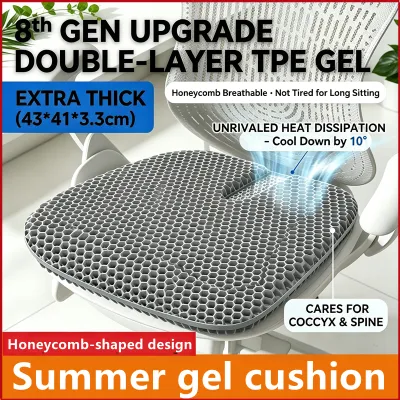
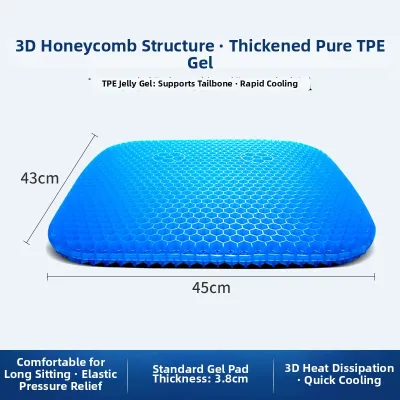
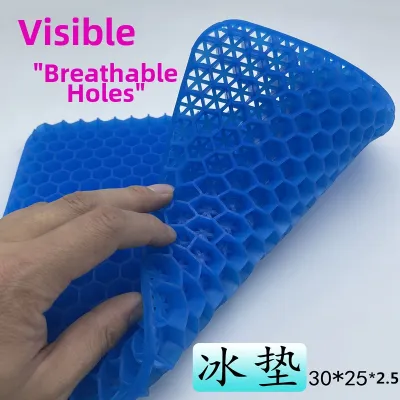
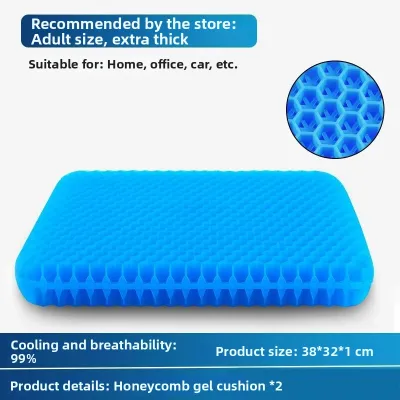
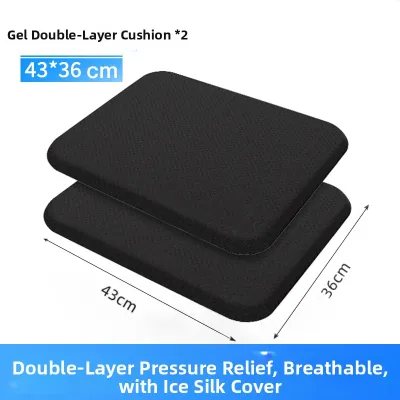
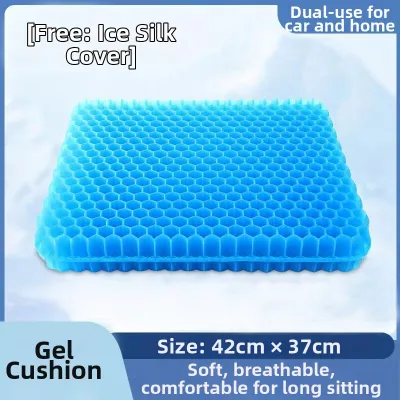
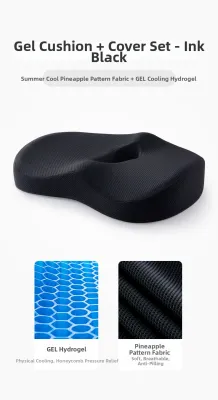

Prices are valid at publication and may change. Please refer to the product page for the latest price.
How Each Material Manages Heat and Sweat
To understand how these materials perform in a tropical climate, it is helpful to look at the physical mechanisms they use to manage heat and moisture. Your body transfers heat to a car seat through conduction (direct contact) and convection (air movement), while moisture is managed through evaporation or absorption. Each material prioritizes a different combination of these physical processes.
Cooling Gel Cushions
Cooling gel cushions are typically constructed using a solid or semi-solid polymer gel layer, often laid over a supportive memory foam or medical-grade elastic-core base. This gel material possesses a high thermal mass and high thermal conductivity relative to standard seat foam. When you first sit down, the gel rapidly conducts heat away from your body, acting as a temporary heat sink. This process creates an immediate, highly noticeable cooling sensation that can make entering a hot car much more bearable.
However, this cooling effect is temporary. Because the gel is solid and lacks inherent ventilation, it continues to absorb body heat until it reaches thermal equilibrium—the point where the gel matches your body temperature. On drives lasting longer than 30 minutes, the gel can no longer absorb additional heat. Without active airflow to dissipate this energy, the cushion can begin to feel warm, dense, and potentially sticky as sweat becomes trapped between your skin and the non-porous gel surface.
Breathable Mesh Covers
Breathable mesh covers rely on convective cooling rather than thermal absorption. These covers are constructed using a 3D spacer fabric or a tightly woven, high-tension polymer net suspended over a lightweight frame. This design creates a physical, open-air gap of several millimeters to centimeters between your body and the solid polyurethane foam of the vehicle’s original seat.
As you drive, air circulates freely through this open chamber, driven by the cabin’s air-conditioning vents or natural air movement from open windows. This continuous airflow carries away the warm, humid air generated by your body heat and allows sweat to evaporate naturally. While a mesh cover does not feel instantly cold when you first sit on it, it excels at maintaining a dry, stable, and comfortable temperature over hours of continuous driving, making it a favorite for long-distance drivers.
Standard Fabric Seat Covers
Standard fabric seat covers, made from woven textiles such as cotton, canvas, or advanced polyester blends, manage heat through thermal neutrality and moisture absorption. Unlike leather or vinyl, which absorb ambient heat rapidly and can become painfully hot to the touch, fabric maintains a relatively stable surface temperature close to the ambient air temperature.
When you sit on a quality fabric cover, it does not provide the active, cold sensation of a gel cushion, but it successfully avoids the initial hot shock of synthetic materials. Fabric manages sweat through capillary action, drawing moisture away from your skin and dispersing it across the textile fibers where it can dry. However, because fabric covers sit flush against the dense foam of the car seat, they offer significantly less airflow than a 3D mesh structure, making them a moderate, balanced option rather than a high-performance cooling solution.
Comparing Performance, Comfort, and Practicality
When choosing between these three materials, it is important to look beyond thermal claims and evaluate how they perform across a range of daily driving scenarios. A material that keeps you cool but is difficult to clean or degrades quickly under UV exposure may not be a practical long-term investment for your vehicle.

| Performance Dimension | Cooling Gel Cushions | Breathable Mesh Covers | Standard Fabric Covers |
|---|---|---|---|
| Initial Cooling Effect | Excellent (Immediate heat absorption) | Neutral (Relies on cabin air) | Moderate (Avoids hot shocks) |
| Long-Drive Breathability | Poor (Traps heat after 30 mins) | Excellent (Continuous airflow) | Moderate (Wicks moisture slowly) |
| Ease of Cleaning | Moderate (Wipe-down outer cover) | Difficult (Traps crumbs in weave) | Easy (Often machine-washable) |
| Durability in Sunlight | Moderate (Gel can degrade over time) | High (UV-resistant synthetics) | High (Tight weaves resist fading) |
| Seat Contour Fit | Heavy (May alter seating height) | Firm (Suspended net design) | Soft (Conforms closely to seat) |
As shown in the comparison, each material has distinct operational trade-offs. Mesh excels at long-term moisture control and continuous airflow, making it ideal for those who spend hours behind the wheel. Gel provides unparalleled immediate relief, which is highly beneficial for quick errands or short commutes where the car’s air-conditioning system does not have sufficient time to fully cool the cabin. Fabric offers a reliable, middle-ground option that prioritizes durability, ease of maintenance, and a familiar, soft texture.
Maintenance is another critical factor to consider before purchasing. Breathable mesh, with its open 3D structure, tends to act as a trap for dust, hair, and food crumbs, requiring regular vacuuming with a narrow crevice tool or a soft brush attachment. Cooling gel cushions are typically protected by a removable fabric cover; while the cover can be washed, the inner gel core must never be machine-washed or exposed to extreme heat, and must be wiped down gently to avoid puncturing the protective membrane. Standard fabric covers are generally the easiest to maintain, with many designs allowing you to remove the entire cover for machine washing. Always check the manufacturer’s care label on the specific product before attempting any cleaning process. If instructions conflict, or if the material is delicate, stop and consult the manufacturer to avoid damaging the fibers or backing.
Real-World Factors That Override Material Choice
No matter which material you select, its real-world performance will be heavily influenced by external environmental factors, cabin configurations, and personal habits. In a tropical environment like Singapore, where outdoor temperatures and humidity remain consistently high, these external factors can completely override the natural properties of the seat cushion.
The most significant of these factors is the parked car effect. When a vehicle is left in direct sunlight, the interior cabin temperature can rise far above the ambient outdoor temperature. Any material left inside—whether it is gel, mesh, or fabric—will absorb this intense heat. Gel cushions, due to their high thermal mass, act as excellent heat reservoirs. If a gel cushion is allowed to bake in a hot car, it will absorb that heat and retain it. When you return to the vehicle, the gel will feel hot and will require a significant amount of time to cool down, even after you turn the air conditioning on maximum. To function correctly, gel cushions need a cool starting environment to recharge their thermal capacity.
Furthermore, the performance of these covers is closely linked to your vehicle’s existing climate control systems. If your car is equipped with factory-ventilated seats, installing a thick, solid gel cushion or a dense fabric cover will completely block the built-in air pathways, rendering the luxury ventilation feature useless. In contrast, a thin, highly porous breathable mesh cover is fully compatible with ventilated seats, as it allows the forced air from the seat blowers to pass directly through to your body.
Finally, your personal clothing choices and individual sweat rates play a major role in how cool a seat feels. Heavy synthetic fabrics, such as polyester work uniforms or thick denim, can restrict airflow and prevent even the most breathable mesh cover from evaporating sweat efficiently. Wearing natural, breathable fibers like cotton or linen allows the convective properties of mesh and the moisture-wicking properties of fabric covers to perform at their highest potential.
Decision Framework: Choose the Right Cover for Your Drive
To select the ideal seat cover or cushion for your vehicle, you should evaluate your daily driving patterns, parking situations, and comfort priorities. Use the following condition-based framework to guide your decision:
- Choose Cooling Gel if: Your daily drive consists primarily of short commutes, such as quick trips to the market or a 20-minute drive to the office. Gel is also highly suitable if you consistently park in shaded, multi-storey, or basement car parks where the cushion can remain cool between trips. If you want immediate, physical relief the moment you sit down and do not mind a slightly heavier cushion that alters your seating height, gel is an excellent choice.
- Choose Breathable Mesh if: You are a private-hire driver, delivery professional, or commuter who spends more than 30 to 45 minutes in the car at a time. Mesh is the superior option if you experience heavy sweating, live in a high-humidity area, or drive a vehicle with factory-installed ventilated seats. It is also the best choice if you prefer a firm, supportive seating surface that does not sag or contour deeply around your body.
- Choose Fabric if: You prioritize long-term durability, straightforward maintenance, and a classic interior aesthetic. Fabric is ideal if you want a reliable layer to protect your original upholstery from wear and tear without introducing the firm structure of mesh or the heavy weight of gel. It is also the best choice for families with children or pets, where frequent spills require a cover that can be easily removed and machine-washed.
- Verify First if: Your vehicle has side-impact airbags integrated into the sides of the front seats. Before purchasing any full-seat cover, you must verify that the product is explicitly certified as side-airbag compatible. Look for manufacturer documentation confirming the use of breakaway stitching or open side panels that allow the airbag to deploy without obstruction.
Safety and Installation Checks Before Buying
Before finalizing your purchase of any seat cushion or cover, you must perform several critical safety and fitment checks. Because these accessories interact directly with your vehicle’s safety systems and mechanical controls, improper installation can lead to severe safety hazards.
First and foremost, verify the location of your vehicle’s side airbags. Many modern vehicles feature airbags embedded within the outer bolsters of the front seats. If you install a standard, non-compatible seat cover over these areas, it can delay or completely block airbag deployment during a collision. Always check the vehicle’s owner manual to locate the airbags and ensure the aftermarket cover features verified breakaway stitching or designated cutouts designed specifically for your vehicle model and year.
Next, carefully measure your seat dimensions and check the configuration of your headrests and armrests. Some vehicles feature integrated, fixed headrests, while others use adjustable posts. A cover designed for adjustable headrests will not fit securely on a seat with a fixed headrest, leading to loose material that can slide. Ensure the cushion or cover has a secure, non-slip backing and robust mounting straps to prevent it from shifting while you are driving, which could distract you or interfere with your ability to operate the pedals.
Finally, perform a physical check after installation to ensure the cover does not obstruct any mechanical or electrical controls. The mounting straps and fabric must not interfere with seatbelt buckles, power seat adjustment switches, manual levers, or rear-seat ISOFIX child seat anchors. If you find that a cover restricts access to these safety devices or controls, stop using it immediately and consult the manufacturer or a qualified automotive professional to find a safe, compatible alternative.
Community discussion
Share your experience or ask a question. Comments are reviewed before publication.