
Choosing the right seat cover material is one of the highly effective ways to manage cabin temperature and improve driving comfort, especially in hot and humid climates. No single material is universally the coolest in every scenario; instead, thermal performance depends heavily on weave structure, cabin air conditioning efficiency, and direct sun exposure. While one material might excel at preventing sweat buildup during long drives, another might heat up rapidly under direct sunlight but cool down almost instantly once the air conditioning is running.
To establish a baseline for your decision, breathable mesh significantly increases airflow by allowing heat to escape through an open weave, making it effective at preventing moisture buildup. Fabric seat covers offer a balanced approach, absorbing ambient cabin heat more slowly than leather while maintaining a neutral, comfortable tactile feel when you first sit down. Leather and faux leather absorb solar radiation rapidly, creating a hot surface initially, but they respond quickly to active cabin cooling and ventilated seat systems. Understanding these distinct thermal behaviors allows you to select a cover that aligns with your parking habits and daily driving routine.
How Seat Cover Materials Interact with Heat
To understand how seat covers affect your comfort, it is essential to look at the physical properties governing heat transfer, starting with thermal conductivity. Thermal conductivity dictates how quickly a material absorbs heat from solar radiation and transfers it to your body upon contact. Materials with high thermal conductivity, such as solid synthetic leather, transfer heat rapidly, which explains the sudden shock of sitting on a sun-baked car seat. Conversely, materials with lower thermal conductivity, like thick woven fabrics, transfer heat much more slowly, keeping the initial contact temperature closer to the ambient air.
Products mentioned in this guide
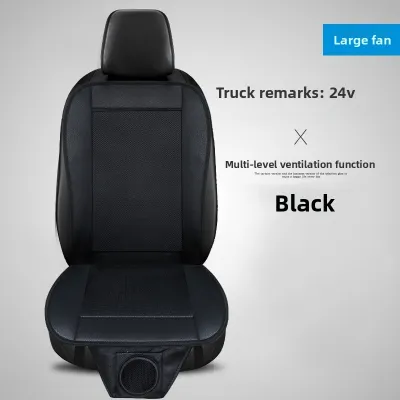
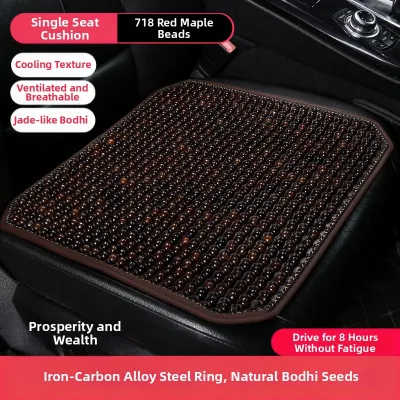
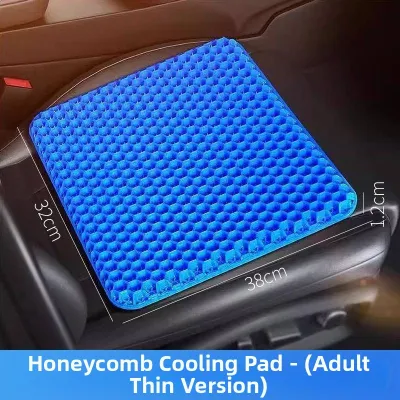
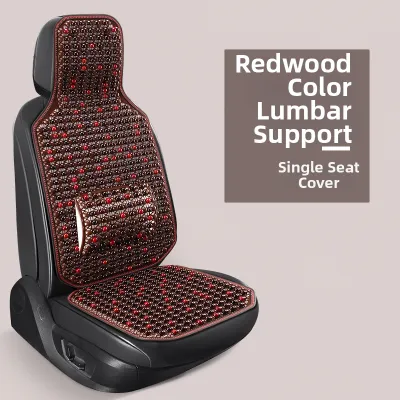
Prices are valid at publication and may change. Please refer to the product page for the latest price.
Breathability and airflow represent the second major factor in seat temperature management. When you sit in a car, your body naturally generates heat and moisture, which becomes trapped between your skin and the dense foam of the car seat. An effective cooling cover must feature an open weave structure, perforations, or highly breathable fibers that allow this trapped heat to escape. Without adequate ventilation pathways, even a material that feels cool to the touch initially will eventually warm up and cause discomfort during extended drives.
Surface reflectivity and color also play a critical role in solar heat absorption before you even open the car door. Darker colors absorb a wider spectrum of light energy and convert it into heat, whereas lighter shades reflect more solar radiation. The finish of the material also matters; glossy or metallic-treated surfaces can reflect a portion of incoming rays, while matte, dark surfaces act as heat sinks. Managing these variables through material selection and color choice directly influences how hot your car interior becomes during the day.
Breathable Mesh: Airflow and Temperature Control
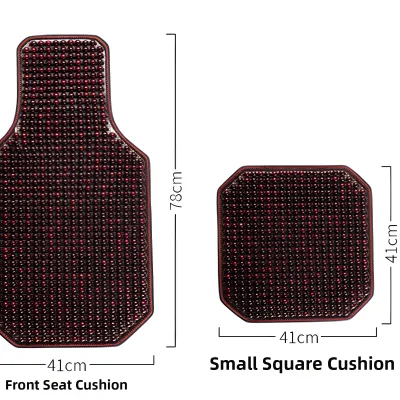
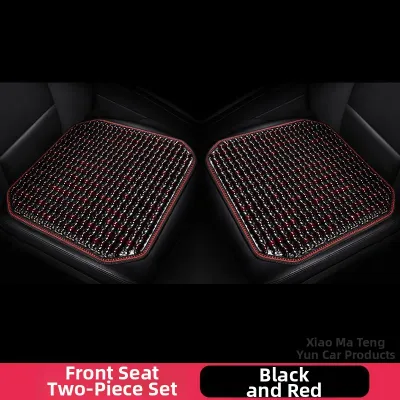
Breathable mesh seat covers are engineered specifically to maximize air circulation between the driver and the seat structure. The primary benefit of mesh is its open-weave design, which creates a physical barrier that suspends the body slightly above the dense, heat-retaining seat foam. This gap allows air to flow freely behind your back and beneath your thighs, facilitating the evaporation of perspiration and preventing the sticky, humid sensation common during long afternoon commutes.

However, the cooling efficiency of a mesh cover is heavily dependent on its structural support and underlying layers. Many mesh covers feature a multi-layered design where the top mesh is backed by a thick layer of foam or polyester padding for comfort. If this backing layer is too dense or made from non-breathable materials, it can clog the open pores of the mesh, trapping heat and defeating the purpose of the outer weave. When evaluating mesh options, it is important to check the product specifications to ensure the inner cushioning layers are also designed for ventilation.
Durability and maintenance are additional practical considerations when choosing mesh. The open pores that make mesh so breathable can also collect dust, lint, and small debris over time, which can gradually restrict airflow. Cleaning these covers requires following specific manufacturer guidelines, which often involve vacuuming with a brush attachment or using mild, non-clogging fabric cleaners. Avoiding harsh chemical detergents is crucial, as residues can build up within the weave, attracting more dirt and reducing the overall breathability of the material.
Fabric Seat Covers: Heat Retention and Comfort
Fabric seat covers, typically made from polyester, cotton blends, or specialized synthetic weaves, offer a highly stable thermal profile. Unlike leather, fabric has low thermal conductivity, meaning it does not rapidly transfer heat to your body when you first sit down. If your vehicle is parked in an open lot under direct sunlight, a fabric cover will generally feel much closer to the ambient cabin temperature, sparing you the intense initial heat spike associated with synthetic leather surfaces.
Moisture management is a key differentiator among various fabric types. Standard cotton or basic polyester covers can absorb sweat but may hold onto that moisture, leading to a damp and uncomfortable seating surface over time. To mitigate this, many modern automotive fabrics incorporate moisture-wicking technologies or specialized hydrophobic treatments. These features help pull moisture away from the body and spread it across a larger surface area, allowing it to evaporate more quickly in the air-conditioned cabin.
The density of the fabric weave also plays a significant role in balancing breathability with durability. A loose, open weave allows for better air movement but may be more susceptible to snagging, wear, and liquid spills. A tight weave offers superior resistance to stains and physical wear but restricts airflow, potentially trapping body heat during long trips. Drivers should evaluate their daily needs, balancing the desire for maximum ventilation with the practical necessity of spill resistance and long-term durability.
Leather and Faux Leather: Heat Absorption and Maintenance
Leather and faux leather (such as polyurethane or vinyl-based materials) are popular for their premium appearance and ease of cleaning, but they present distinct thermal challenges. Because these materials possess high thermal conductivity and density, they absorb solar radiation rapidly and retain heat for extended periods. When a vehicle is parked outdoors, the surface temperature of a solid leather seat cover can quickly rise to uncomfortable levels, requiring active intervention to cool down.
To address this inherent heat retention, many manufacturers offer perforated leather or faux leather seat covers. These designs feature tiny, evenly spaced punctures across the seating surface that allow trapped air to escape and facilitate better integration with built-in vehicle ventilation systems. If your car is equipped with active seat cooling or ventilation, choosing a perforated cover is essential to ensure the airflow from the seat cushions can actually reach your body.
Maintaining the surface of leather and faux leather is also vital for managing heat and preserving the material. Over time, exposure to UV rays can dry out leather, causing it to crack, stiffen, and absorb heat even more readily. Applying manufacturer-approved leather conditioners and UV protectants helps maintain the material’s flexibility and reflective properties. Regular maintenance not only extends the lifespan of the covers but also helps prevent the surface from becoming excessively hot and sticky in warm weather.
Cooling Performance Comparison Matrix
To help you compare these materials at a glance, the following matrix evaluates breathable mesh, fabric, and leather across key thermal and practical dimensions. Note that actual performance will vary depending on the specific product thickness, color, and the design of your vehicle’s underlying seat foam.
| Material Type | Initial Touch Temp (Direct Sun) | Airflow & Breathability | Moisture Management | Required Cooling Mitigation |
|---|---|---|---|---|
| Breathable Mesh | Low to Moderate | High | High (Prevents buildup) | Minimal; benefits from basic cabin AC |
| Fabric | Moderate | Moderate | Moderate (Wicking dependent) | Standard cabin AC and ventilation |
| Leather / Faux Leather | High | Low (Solid) to Moderate (Perforated) | Low (Non-porous) | High; requires sunshades or active AC |
When selecting a cover, consider how these performance characteristics align with your vehicle’s cooling capabilities. For instance, a vehicle with a highly efficient air conditioning system can quickly overcome the initial heat of leather, whereas a car parked constantly in the sun without tinting may benefit more from the passive airflow of mesh.
Which Cooling Car Seat Material Fits Your Routine?
Selecting the ideal seat cover material requires analyzing your daily driving habits, parking environment, and maintenance preferences. If your vehicle is frequently parked outdoors in direct sunlight and you prioritize high airflow over plush cushioning, breathable mesh is often a highly practical choice. Its open structure ensures that heat does not build up behind you, making it effective for short, hot commutes where you want immediate relief without waiting for the cabin air conditioning to fully cool the interior.
Fabric covers are well suited for drivers who want a balanced, low-maintenance option that remains thermally neutral throughout the day. If you frequently transition between indoor and outdoor parking, fabric prevents the extreme temperature swings associated with leather while offering a comfortable, soft texture. It is also an excellent choice if you want standard spill resistance and a material that does not require specialized conditioning products to maintain its integrity.
Leather or faux leather is highly suitable if your vehicle is primarily parked in a garage or shaded area, and you rely heavily on rapid cabin air conditioning. While it requires more active cooling mitigation when exposed to direct sun, its premium aesthetic and simple wipe-down maintenance make it ideal for families or pet owners who need to clean up spills quickly. If you choose this material, opting for lighter colors and perforated designs will significantly reduce heat discomfort.
Before making any purchase, always verify product compatibility with your specific vehicle. Check the product label and your vehicle manual to ensure the seat covers are certified for side-airbag compatibility, as improper installation can obstruct deployment. Additionally, verify that the covers do not block built-in seat heaters, ventilation ducts, or passenger occupancy sensors, ensuring that your safety and comfort systems continue to function exactly as intended.
Frequently Asked Questions (FAQ)
Do cooling gel seat covers actually work?
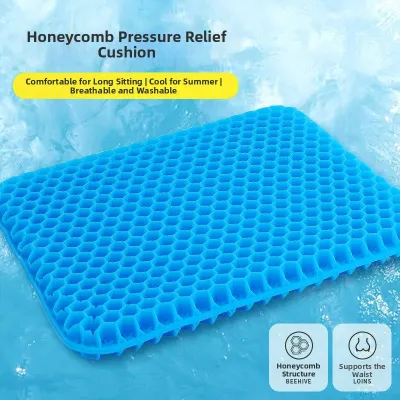
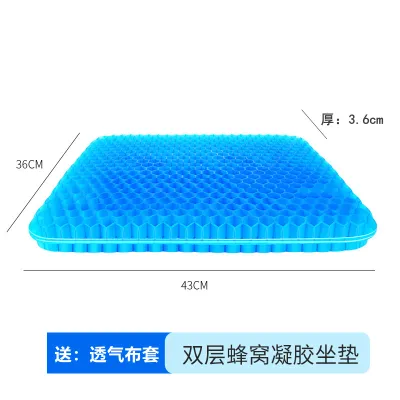
Cooling gel seat covers work by utilizing a semi-solid gel layer that absorbs and dissipates initial body heat upon contact. This creates an immediate cooling sensation when you first sit down, which can be highly refreshing in a warm cabin. However, gel has a specific thermal capacity, meaning it will eventually reach thermal equilibrium with your body heat during longer drives, losing its initial cooling effect. When shopping for gel inserts, it is important to check the manufacturer’s weight limits, thickness specifications, and durability claims to ensure the cover will not leak or bottom out under daily use.
Can I use a sunshade to keep my leather seats cool?
Yes, using a high-quality windshield sunshade is effective at keeping leather and faux leather seats cool. By physically blocking direct ultraviolet and infrared rays from entering through the windshield, a sunshade prevents the intense solar radiation that causes dark leather surfaces to heat up rapidly. For effective results, combine a reflective front sunshade with side window tints or shades, and crack the windows slightly if safe to do so, allowing trapped hot air to escape and reducing the overall thermal load on your vehicle’s interior.

Community discussion
Share your experience or ask a question. Comments are reviewed before publication.