
Upgrading the exterior aesthetics and aerodynamic profile of your vehicle is a popular way to personalise your drive, and finding the right Skoda octavia mk4 spoiler is a key step in that journey. The fourth-generation Skoda Octavia (introduced globally in late 2019 and continuing through the current model year) features a clean, modern design language that acts as an excellent canvas for aftermarket styling. However, compatibility is not a one-size-fits-all matter. Because the Octavia Mk4 is offered in distinct body styles and trim levels—including the standard liftback, the estate, and the performance-oriented vRS—you must carefully match the spoiler design to your specific vehicle configuration to ensure a perfect fit and safe operation.
Selecting the ideal spoiler requires balancing visual appeal with structural compatibility, material durability, and installation practicalities. In tropical regions like Singapore, environmental factors such as intense sunlight, high humidity, and sudden downpours also play a major role in determining which materials and mounting methods will stand the test of time. By understanding the physical differences between available styles and verifying your vehicle’s specifications, you can avoid costly purchasing mistakes and achieve a seamless, factory-quality finish.
Popular Spoiler Styles for the Octavia Mk4
Aftermarket spoilers for the Skoda Octavia Mk4 generally fall into three design categories, ranging from subtle factory-style enhancements to highly pronounced aerodynamic additions. Choosing the right style depends on whether you want to complement the car’s existing lines or completely transform its rear profile. Beyond aesthetics, different designs interact with the air flowing over the car in distinct ways, affecting drag and rear-end stability at highway speeds.
Products mentioned in this guide
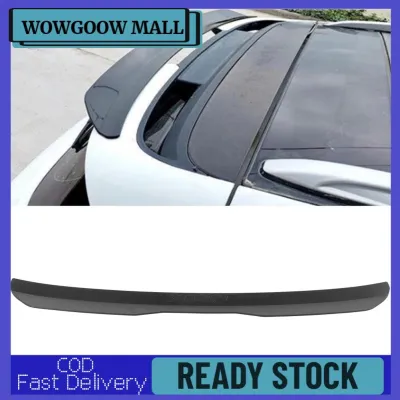
Prices are valid at publication and may change. Please refer to the product page for the latest price.
Subtle Lip Spoilers and Boot Extensions
Low-profile lip spoilers are the most common and widely compatible additions for the Octavia Mk4 Hatchback (Liftback). These styling elements attach directly to the trailing edge of the boot lid, extending the rear silhouette by just a few centimetres. Rather than generating massive downforce, a lip spoiler is designed to clean up the airflow as it detaches from the rear of the vehicle, reducing the low-pressure wake zone behind the car and slightly mitigating high-speed rear-end lift.
For daily driving, lip spoilers offer an ideal balance of understated sportiness and practicality. They are lightweight, highly cost-effective, and designed to follow the exact curvature of the Mk4’s boot lid. Because they do not protrude significantly, they maintain the car’s elegant executive look while adding a subtle, performance-inspired edge. Most lip spoilers are designed for simple adhesive-only installation, making them highly reversible if you decide to return the vehicle to its stock condition.
Roof Spoilers for the Estate (Combi)
Because the Estate (Combi) variant lacks a traditional boot deck, it requires a completely different aerodynamic approach. Roof spoilers are designed specifically to mount at the topmost edge of the tailgate, extending the roofline outward over the rear windscreen. This style is highly effective at managing the air rolling off the long, flat roof of the wagon.
By extending the roofline, these spoilers push the turbulent air pocket further back, which can help reduce aerodynamic drag. A practical side benefit for Estate owners is that altering this wake zone can reduce the amount of road grime, dust, and rainwater that gets sucked back onto the rear glass during wet weather. Roof spoilers for the Combi are typically designed to integrate seamlessly with the high-mounted third brake light, ensuring safety functions remain completely unobstructed.
Aggressive Wings and Track-Inspired Designs
For enthusiasts seeking a bold, motorsport-inspired look, larger wings and raised pedestal spoilers are available. These designs stand proud of the boot lid on mounting legs or brackets, catching the clean air passing over the roofline to generate physical downforce on the rear axle. Many of these designs draw styling cues from the Octavia vRS or touring car racing series.
While highly striking, aggressive wings require careful consideration before purchase. Their physical size adds weight to the boot lid, which can strain the factory tailgate gas struts, causing the boot to close unexpectedly or feel heavy to lift. Additionally, in Singapore, aftermarket wings must strictly comply with Land Transport Authority (LTA) guidelines. This means the spoiler must not have sharp edges, must not protrude beyond the lateral width or overall length of the vehicle, and must not obstruct the driver’s rearward field of view. Larger wings often require mechanical drilling to mount securely, which represents a permanent modification to your vehicle’s bodywork.
Hatchback vs Estate: Why Body Style Dictates Fitment
One of the most critical errors buyers make when shopping for a Skoda octavia mk4 spoiler is failing to account for the fundamental structural differences between the Hatchback (Liftback) and the Estate (Combi) body styles. Spoilers engineered for the Hatchback will not fit the Estate, and vice versa. There is absolutely no cross-compatibility between these two body shapes for upper-body aerodynamic components.

The physical differences between the two models are substantial:
- The Hatchback (Liftback): Features a long, steeply raked rear window that flows down to a distinct, horizontal boot lid. The spoiler must sit on a flat or slightly curved sheet metal deck and lift up entirely with the tailgate assembly.
- The Estate (Combi): Features an extended, flat roofline that terminates in a near-vertical tailgate. The spoiler must mount to the curved upper trailing edge of the rear hatch, surrounding the rear wiper assembly and the high-mounted brake light.
Before placing an order on any online marketplace or specialist tuning site, you must verify your exact vehicle model. Do not rely solely on visual comparisons of the front bumper or headlights, as these are often identical across both body styles. Instead, check your vehicle’s registration documents, insurance certificate, or the Vehicle Identification Number (VIN) to confirm whether you own the Liftback or the Combi.
While certain lower-body exterior accessories—such as front splitters, side skirt extensions, or universal rear bumper diffusers—may occasionally share fitment across both body styles, upper-body spoilers are strictly body-specific. Always double-check that the product listing explicitly names your specific body style.
Choosing the Right Material for Singapore's Climate
Singapore’s tropical climate—characterised by intense, year-round UV exposure, high ambient temperatures, and torrential downpours—places extreme stress on exterior automotive plastics and adhesives. Choosing a high-quality material is essential to prevent your new spoiler from warping, cracking, fading, or peeling over time. Aftermarket spoilers for the Skoda Octavia Mk4 are primarily manufactured from four different materials, each with distinct trade-offs.
ABS Plastic
Acrylonitrile Butadiene Styrene (ABS) is an industry-standard thermoplastic widely used for OEM and high-quality aftermarket body parts. It is highly rigid, structurally stable, and offers excellent resistance to physical impacts. ABS spoilers are typically injection-moulded, ensuring highly precise fitment that matches the contours of the Octavia’s body panels.
- Pros: Highly affordable, excellent dimensional stability, and easy to paint-match to your vehicle's factory finish.
- Cons: Unpainted or poorly primed ABS can degrade and become brittle under prolonged UV exposure. It is crucial to ensure that any ABS spoiler you purchase is finished with a high-quality, UV-resistant automotive paint or clear coat.
Polyurethane (PU)
Polyurethane (often referred to as PU or Poly) is a highly flexible elastomeric material. Unlike rigid plastics, PU can bend and flex under pressure without breaking, making it incredibly resilient against minor parking lot bumps, road debris, or the spinning brushes of automatic car washes.
- Pros: Exceptional impact resistance and flexibility, making it virtually indestructible during daily driving.
- Cons: PU is heavier than ABS and carbon fibre. Because of its flexible nature, it requires specialized prep work and flexible paint additives during the painting process to prevent the paint from cracking or flaking when the spoiler flexes. It can also warp temporarily if exposed to extreme heat before it is fully cured and mounted.
Carbon Fibre
Carbon fibre is the premium choice for performance enthusiasts, offering an authentic motorsport aesthetic and high structural strength. It consists of woven carbon sheets bound together by a hardened epoxy resin.
- Pros: Extremely lightweight, highly rigid, and features a distinctive, high-tech woven pattern that does not require painting.
- Cons: Highly expensive. The primary risk in tropical climates is resin degradation. If the spoiler does not feature a premium, automotive-grade, UV-resistant clear coat, the intense tropical sun will cause the resin to yellow, cloud, or delaminate over time. Regular waxing or ceramic coating is highly recommended to protect the finish.
Fibreglass (FRP)
Fibre-Reinforced Plastic (FRP), commonly known as fibreglass, is often used by smaller aftermarket manufacturers for custom or low-volume spoiler designs. It consists of glass fibres embedded in a polymer matrix.
- Pros: Inexpensive to manufacture, allowing for unique, highly customized shapes at a lower price point.
- Cons: Highly rigid and brittle, meaning it can crack or shatter easily upon impact. Fibreglass parts are handmade and often require extensive manual sanding, priming, and professional bodywork to achieve a smooth, wave-free surface before painting.
Material Comparison Summary
To help you decide, consider this general framework based on your priorities:
- For an OEM-Plus Look on a Budget: Painted ABS plastic offers the best balance of price, weight, and factory-like fitment.
- For Maximum Durability Against Bumps: Polyurethane (PU) is the safest choice for tight urban parking spaces.
- For a Premium, Sporty Aesthetic: Carbon fibre provides unmatched visual appeal, provided you invest in a high-quality UV-protected brand.
Adhesive vs Drilled Installation: What You Need to Know
How your spoiler is mounted to your Skoda Octavia Mk4 affects not only its structural security at speed but also your vehicle’s warranty, paint health, and reversibility. Spoilers are installed using either high-strength automotive adhesive tape or mechanical fasteners that require drilling into the bodywork.
Adhesive Tape (e.g., Automotive VHB)
Most low-profile lip spoilers and roof spoilers rely entirely on high-strength, double-sided acrylic foam tape, such as 3M VHB. When applied correctly, this adhesive creates a semi-permanent bond that easily withstands highway speeds, heavy rain, and automated car washes.
To ensure a successful adhesive installation, follow these critical preparation steps:
- Meticulous Cleaning: Wash the mounting area thoroughly with car shampoo to remove surface dirt. Follow this with a clay bar treatment to remove embedded contaminants.
- Chemical Decontamination: Wipe the contact surface down with isopropyl alcohol (IPA) to strip away any remaining wax, polish, ceramic coatings, or grease. The surface must be completely bare for the adhesive to bond.
- Climate Considerations: In highly humid environments like Singapore, moisture in the air can interfere with the initial tack of the tape. Avoid installing the spoiler outdoors during or immediately after rain. Do not apply the tape to body panels that are hot to the touch from sitting in the midday sun, as excessive heat can cause the adhesive to cure prematurely or unevenly.
- Curing Time: Apply firm, even pressure along the entire length of the spoiler for several minutes. Use automotive masking tape to hold the spoiler tightly against the body. Keep the vehicle completely dry, out of direct sunlight, and parked in a sheltered area for at least 24 to 48 hours to allow the chemical bond to cure fully before driving.
Drilled / Mechanical Fasteners
Larger, heavier wings and certain heavy roof extensions require mechanical bolting to handle the aerodynamic drag and downforce they generate. This involves drilling holes directly through the metal of the boot lid or the plastic of the upper tailgate.
Safety & Warranty Boundary: Before undertaking any installation that requires drilling, you must consult your vehicle’s original warranty terms. Drilling into factory panels permanently voids the manufacturer’s anti-perforation and rust warranties for those specific body parts. Furthermore, improper drilling can damage internal wiring harnesses (such as those feeding the rear camera, wiper motor, or license plate lights) and compromise the water seals, leading to boot leaks and electrical short circuits.
If you choose a drilled spoiler, it is highly recommended to have the installation performed by a professional body shop. A qualified installer will use precise templates, apply rust-inhibiting primer to the raw metal edges of the drilled holes, and install watertight rubber grommets to prevent water ingress.
Your Pre-Purchase Fitment Checklist
To ensure a smooth purchase and avoid the hassle of returning bulky parts, run through this comprehensive checklist before finalizing your order for a Skoda octavia mk4 spoiler.
Verify Exact Model Year and Facelift Status
The Skoda Octavia Mk4 underwent a mid-cycle facelift (introduced around 2024/2025). While the core silhouette remains similar, manufacturers often make subtle adjustments to the creases of the boot lid, the curvature of the rear glass, or the design of the rear bumper. Always verify if the aftermarket spoiler you are purchasing is specifically rated for your exact build year and facelift status, as even a minor millimetre-level variance in the sheet metal contour can prevent an adhesive spoiler from sitting flush.
Check for Factory Trim Interference
If you own a higher-tier trim level, such as the Octavia vRS or a Sportline model, your vehicle may have come equipped with a subtle factory lip spoiler from the dealership. Most aftermarket spoilers are designed to mount directly to a bare boot lid. You cannot install a new spoiler over an existing one. If your car has a factory spoiler, you must first safely remove it—typically using a heat gun to soften the factory adhesive, dental floss or fishing line to saw through the tape, and an adhesive remover to clean the paint—before you can install the new part.
Clearance for Moving Parts and Sensors
An aftermarket spoiler must not interfere with any functional components of your vehicle. Ensure you verify the following physical clearances:
- Rear Wiper Sweep: For Estate (Combi) models, ensure the trailing edge of the roof spoiler does not contact or rub against the rear wiper arm or blade during its full sweep across the rear window.
- Rear-View Camera: The reversing camera on the Octavia Mk4 is integrated near the boot release handle. Ensure the spoiler does not overhang so far that it casts a shadow or partially blocks the camera's wide-angle field of view.
- Parking Sensors: Ensure the spoiler's physical design or mounting brackets do not interfere with the ultrasonic waves emitted by the rear parking sensors located in the bumper.
- Tailgate Opening Clearance: For both Hatchback and Estate models, verify that when the tailgate is fully opened, the spoiler does not make contact with the roof of your garage, car park ceiling, or the vehicle's roof antenna.
Paint and Finish Matching
Aftermarket spoilers are typically sold in three different finish states:
- Raw/Unpainted: Requires professional sanding, priming, and painting before installation.
- Gloss Black / Carbon Look: Ready to install out of the box, offering a universal sporty contrast that complements any body colour.
- Pre-Painted: Painted by the manufacturer to match specific factory paint codes. If choosing this option, locate your Skoda paint code (typically found on the vehicle data sticker in the spare wheel well or inside the owner's manual) to ensure an exact match. Note that factory paint can fade slightly over time due to sun exposure, so a brand-new pre-painted spoiler might occasionally show a very slight colour variance compared to older body panels.
Frequently Asked Questions (FAQ)
Will an aftermarket spoiler block the rear-view camera or parking sensors?
High-quality, model-specific spoilers designed specifically for the Skoda Octavia Mk4 are engineered to sit well clear of the factory electronics. Lip spoilers mount high on the trailing edge of the boot, while the camera is positioned lower down near the license plate pocket, meaning there is no physical overlap. However, poorly designed universal spoilers or overly aggressive custom wings with low-hanging brackets can occasionally intrude into the camera’s upward line of sight or distort the signal of the bumper-mounted ultrasonic parking sensors. It is highly recommended to temporarily mock up the spoiler using masking tape to test the camera view and parking sensors before applying permanent adhesive or drilling.
Can I install an adhesive spoiler myself in hot weather?
Yes, you can perform a DIY installation, but you must avoid applying adhesive tape when the car’s body panels are excessively hot. If the metal panels have been sitting in direct, baking sunlight, the extreme surface temperature can cause the adhesive on the tape to grab instantly upon contact. This prevents you from making minor alignment adjustments and can compromise the chemical bonding process, leading to premature peeling. For the best results, perform the installation in a cool, shaded, and well-ventilated area, such as a multi-storey car park or a covered garage. Ensure the surface is completely clean and dry, and allow the adhesive to cure undisturbed for 24 to 48 hours before exposing the car to heavy rain or high-speed driving.
Do I need to remove the factory badge to install a new boot spoiler?
Whether you need to remove or reposition the factory badging depends entirely on the specific design of the aftermarket spoiler. Many low-profile lip spoilers are designed to sit high enough on the boot crease that they clear the rear Skoda lettering or emblem entirely. Other wrap-around designs or larger boot extensions may feature a built-in cutout to accommodate the badge. However, some aggressive or full-width spoilers require the removal of the rear lettering to achieve a flush, watertight fit. Always consult the product’s installation manual or template before purchasing so you can prepare replacement badges or adhesive if necessary.
Community discussion
Share your experience or ask a question. Comments are reviewed before publication.