
Selecting the right full-surround car mats involves balancing aesthetics, protection, and the effort you are willing to spend on upkeep. There is no single material that excels in every category; instead, the ideal choice depends on your daily driving habits, cleaning preferences, and budget. TPE is highly favored for its robust waterproofing and effortless rinse-off cleaning, leather offers a sophisticated and premium cabin aesthetic but demands meticulous care, and XPE serves as a lightweight, cushioned middle ground.
Understanding how these materials behave under daily foot traffic and environmental exposure is key to making a smart investment. By evaluating their physical properties, wear patterns, and maintenance needs, you can select a carmat set that keeps your vehicle’s footwells pristine while ensuring a safe and comfortable drive.
Evaluating TPE, Leather, and XPE Material Properties
Thermoplastic Elastomer (TPE) is a class of copolymer blends that combines the physical properties of rubber with the processing advantages of plastics. In carmat manufacturing, TPE is typically injection-molded or thermoformed under high heat. This process allows manufacturers to create rigid, three-dimensional structures with high raised edges that conform precisely to the contours of a vehicle’s footwell. TPE is inherently non-porous, waterproof, and highly resistant to chemical degradation, making it an excellent barrier against liquids and dirt.
Products mentioned in this guide
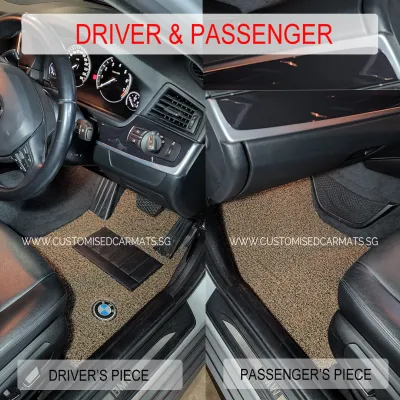
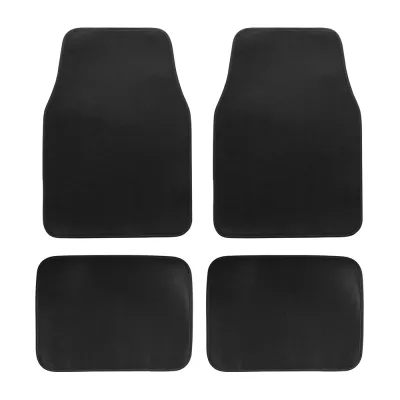
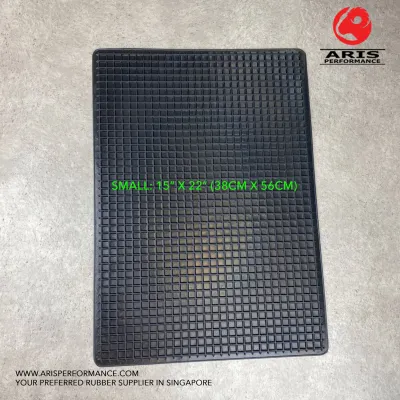

Prices are valid at publication and may change. Please refer to the product page for the latest price.
Leather car mats, which are almost exclusively made from synthetic polyurethane (PU) leather or faux leather in the aftermarket industry, focus heavily on visual appeal. These mats feature a multi-layer construction, starting with a decorative PU topcoat that mimics the grain and texture of genuine leather. Beneath this surface lies a thin layer of foam cushioning and a backing material. The layers are stitched together, often in diamond or custom quilted patterns, to provide a tailored, luxury-car look that integrates seamlessly with high-end vehicle interiors.
Cross-linked Polyethylene (XPE) is a lightweight, closed-cell foam known for its excellent thermal insulation, sound-dampening qualities, and impact absorption. In full-surround mats, XPE is frequently utilized as a core structural layer sandwiched between a protective top surface and an anti-slip bottom backing. It can also be molded into standalone mats. Because the cells in XPE are closed and cross-linked, the material does not easily absorb water, allowing it to provide a soft, cushioned feel underfoot without acting like a sponge.
When shopping across different brands, it is crucial to verify the actual material composition and safety certifications rather than relying solely on creative marketing names. Look for manufacturer labels indicating compliance with non-toxic standards, such as RoHS or REACH certifications, and check for flame-retardant properties. High-quality manufacturers will openly provide these specifications, ensuring you do not bring low-grade, off-gassing plastics into your vehicle’s enclosed cabin.
Comparing Durability and Wear Resistance
TPE mats are highly regarded for their exceptional durability and resistance to physical wear. They withstand heavy foot traffic, abrasive dirt, and repeated bending without tearing or losing their structural integrity. Because they are molded as a single solid piece, there are no seams or stitches to unravel. However, lower-grade TPE formulations can be prone to edge warping or curling over extended periods, especially if they are frequently exposed to high cabin temperatures or pulled out carelessly during cleaning.

Synthetic leather mats are significantly more vulnerable to surface damage and localized wear. The thin PU top layer can be easily scratched or punctured by sharp objects, such as high heels, pet claws, or small stones trapped in shoe treads. Over time, the high-friction zone directly beneath the driver’s heels is highly susceptible to peeling, cracking, and wearing completely through to the inner foam layers. Many premium leather mats address this vulnerability by integrating a reinforced metal or heavy-duty plastic heel pad in this high-wear area.
XPE foam offers good initial compression recovery, meaning it bounces back after being stepped on. However, under prolonged, concentrated loads—such as the constant pressure of a driver’s heel or heavy cargo resting in one spot—XPE can suffer from permanent indentation or compression set. Over years of continuous use, the internal cell structure can gradually break down, leading to a loss of cushioning and a flattened appearance in high-use zones.
To maintain safety and vehicle protection, you should regularly inspect your mats for observable wear signals that indicate it is time for a replacement. Key warning signs include deep cracks in the backing material, peeling or flaking of the top protective layer, permanent creases that trap dirt, and a noticeable loss of grip on the anti-slip backing. If a mat begins to slide or curl at the edges, it compromises your safety and must be replaced immediately.
Maintenance and Cleaning Requirements
TPE mats offer the most straightforward and low-effort cleaning routine of the three materials. Because they are completely waterproof and chemically resilient, you can simply remove them from the vehicle, hose them down with water, and scrub away stubborn mud with a soft brush and a mild car shampoo. They dry almost instantly after a quick shake or a wipe with a microfiber towel, allowing you to reinstall them within minutes without worrying about trapped moisture.
Leather mats require a much more delicate, dry-cleaning approach to preserve their appearance and structural integrity. You should never submerge or soak leather mats in water, as moisture can easily penetrate the stitching lines and saturate the internal foam layers, leading to rot and unpleasant odors. Instead, clean them by vacuuming loose debris and wiping the surface with a damp microfiber cloth. If a deeper clean is necessary, use a dedicated interior cleaner approved by the manufacturer, and avoid applying generic household detergents.
Cleaning XPE mats requires a balanced approach that prevents water from becoming trapped within the layered construction. While the closed-cell foam itself does not absorb water, the fabric borders, stitching, and multi-layer adhesives can retain moisture if the mats are fully submerged. Light rinsing is acceptable, but you must ensure the mats are allowed to air-dry completely in a shaded, well-ventilated area before putting them back in the car. Placing damp mats back into a vehicle creates a breeding ground for mold and mildew.
Regardless of the material you choose, always avoid using harsh chemicals, bleach, or high-pH industrial degreasers. These substances can strip the protective UV coatings from TPE, dry out and crack synthetic leather, and dissolve the adhesives holding multi-layer XPE mats together. Furthermore, chemical residues can leave the surface of the mats dangerously slick, compromising your foot grip while operating the vehicle.
Climate and Environmental Considerations in Singapore
Singapore’s tropical climate presents unique challenges for automotive interior materials, characterized by intense solar heat, high humidity, and sudden, heavy downpours. When a car is parked in the open sun, cabin temperatures can easily soar past 60°C. Under these conditions, low-quality plastics and adhesives can warp, curl, or emit strong, unpleasant chemical odors. When purchasing mats, check the manufacturer’s specified temperature tolerances to ensure the materials can withstand high cabin heat without degrading or off-gassing.
High relative humidity is another constant factor that accelerates the degradation of synthetic materials and adhesives. Stitched leather mats and multi-layer constructions are particularly vulnerable to humidity-induced hydrolysis, which causes the PU surface to become sticky, peel, or develop mold. It is essential to inspect the backing material of your mats regularly to ensure that mold is not growing underneath and that the anti-slip nibs or fasteners are not deteriorating or leaving a sticky residue on your car’s original carpet.
Frequent tropical rainstorms mean that drivers and passengers constantly track water, mud, and wet debris into the cabin. To manage this, evaluate the lip height and containment design of the mats. Molded TPE mats with high, rigid outer walls are exceptionally effective at containing pooled rainwater, preventing it from spilling over onto the vehicle’s floorboards. This containment is critical, as excess water seeping into the underlying carpet can damage sensitive under-seat electrical wiring, hybrid battery components, or electronic sensors.
Decision Framework: Choosing the Right Material
To finalize your choice, align the material characteristics with your daily driving habits, maintenance willingness, and aesthetic preferences:
- Choose TPE if: You prioritize maximum durability, absolute waterproofing, and a quick, hassle-free cleaning routine. This material is ideal for families with young children, pet owners, outdoor enthusiasts, and drivers who want a rugged, long-lasting solution that handles wet weather effortlessly.
- Choose Leather if: You want to maintain or elevate a luxury cabin aesthetic, prefer a soft and cushioned feel underfoot, and are willing to commit to regular, gentle wipe-down maintenance while avoiding wet, muddy environments.
- Choose XPE if: You are looking for a lightweight, moderately cushioned mat that offers decent sound insulation and a balanced cleaning routine at a highly competitive price point.
Before purchasing any full-surround carmat set, always perform a critical safety and compatibility check. Verify that the mats are precisely engineered for your specific vehicle make, model, and model year, as generic or poorly fitted mats can shift during driving. Ensure that the mats feature secure mounting clips that lock directly into your vehicle’s original floor anchors. Finally, verify that the high side walls of the full-surround design do not obstruct the full travel of the accelerator, brake, or clutch pedals, and that they do not interfere with seat adjustment tracks or side airbag deployment zones.
Frequently Asked Questions (FAQ)
Do full-surround mats interfere with the accelerator or brake pedals?
Yes, poorly fitted, generic, or improperly installed full-surround mats pose a severe safety hazard if they slide forward or bunch up near the pedal cluster. This movement can trap the accelerator pedal in a depressed position or physically block the brake pedal from being fully applied. To prevent this, always choose mats that are custom-molded for your exact vehicle model and year. Ensure they are securely locked into the original factory floor anchors, and physically test the full range of motion of all pedals before driving the vehicle after any installation or cleaning.
How can I prevent mold on my car mats during the rainy season?
To prevent mold growth during wet weather, remove your car mats immediately if they become saturated with rainwater or spilled liquids. Allow them to air-dry completely in a well-ventilated area away from direct sunlight before reinstalling them. Regularly vacuum and inspect the vehicle’s original carpet underneath the mats for any signs of dampness. If you detect moisture trapped under the mats, dry the carpet thoroughly using a wet-dry vacuum or absorbent towels, and consider using interior dehumidifier packs or running your car’s air conditioning on the fresh-air setting to lower cabin humidity.
Community discussion
Share your experience or ask a question. Comments are reviewed before publication.