
Quick Answer: Balancing Waterproofing and Breathability
Selecting the right motowolf rain coat is not about finding a single, universally superior model. Instead, it is a calculated decision that balances maximum waterproofing against active breathability based on your specific riding habits, speed, and commute distance.
The core trade-off centers on how the gear handles water from the outside versus moisture from the inside. A model engineered with high hydrostatic head ratings and fully sealed, non-vented construction excels at keeping torrential monsoon downpours out, but it will inevitably trap body heat and sweat. Conversely, a highly breathable model featuring physical ventilation ports and lightweight mesh linings offers superior cooling comfort during low-speed, stop-and-go urban traffic, but it may require more strategic layering and careful closure adjustments to prevent water ingress during prolonged, high-velocity highway runs.
To make an informed decision, you must evaluate these garments across two primary performance axes: hydrostatic head ratings (which dictate material waterproofness under pressure) and moisture vapor transmission rates combined with physical ventilation designs (which govern how effectively the garment manages internal heat and humidity).
Products mentioned in this guide
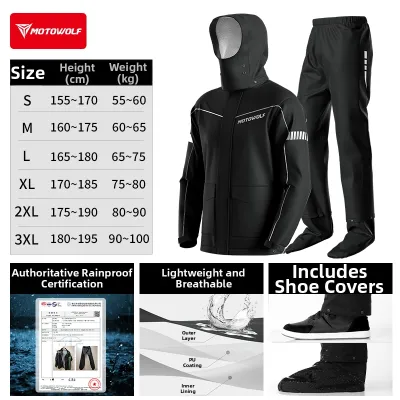
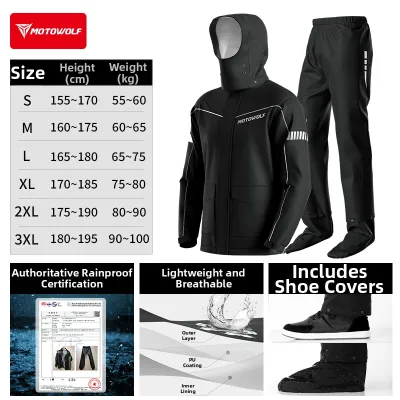
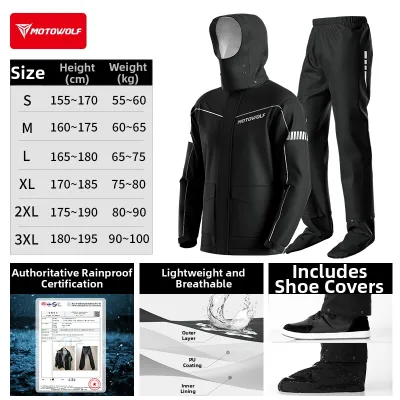
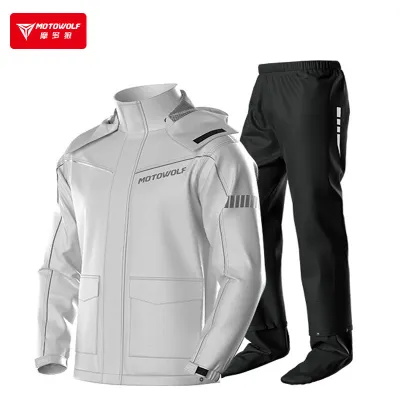
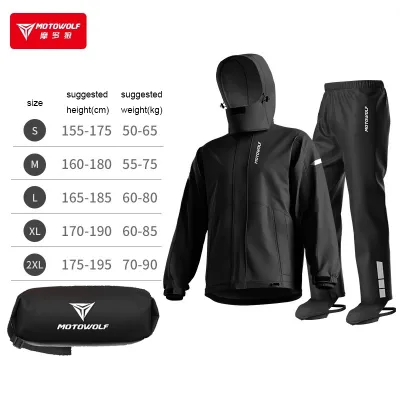
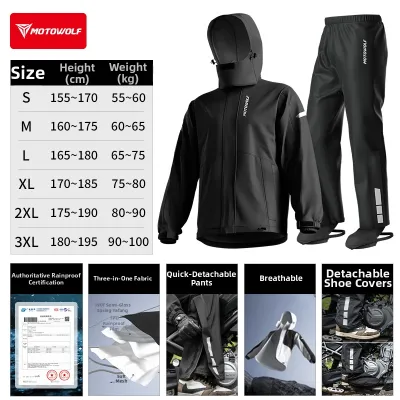
Prices are valid at publication and may change. Please refer to the product page for the latest price.
How to Compare Waterproof Ratings and Construction in a Motowolf Rain Coat
When evaluating a motowolf rain coat, the first technical specification you will encounter is the hydrostatic head rating, typically expressed in millimeters (such as 5,000mm, 10,000mm, or higher). This metric represents the height of a theoretical water column that the fabric can support before water begins to seep through. While a 5,000mm rating is generally considered highly waterproof for pedestrian activities like walking, motorcycle riding introduces unique aerodynamic forces that demand much higher performance.

Riding a motorcycle at speed creates dynamic pressure. When you travel at 80 km/h on an expressway during a heavy downpour, the wind forces water droplets against your gear with significantly more energy than gravity alone. This wind-driven rain can easily force its way through standard fabrics. For consistent highway commuting or long-distance touring, riders should look for models with verified ratings of 10,000mm or higher to ensure the material itself does not saturate and leak under high-velocity wind pressure.
However, a high fabric rating is meaningless if the garment’s construction is flawed. Water rarely penetrates a high-quality technical fabric first; instead, it leaks through the needle holes created during the stitching process. You must verify that the model you choose features fully taped seams, where a waterproof thermoplastic tape is hot-pressed over every internal stitch line. Inspect the product specifications or physical labels to confirm that this seam sealing covers the entire garment, including the shoulders, crotch, and underarms.
The main entry points for water are the zippers and openings. Look for a motowolf rain coat designed with a multi-layered storm flap system over the main front zipper. This typically consists of a double-fold fabric flap secured by hook-and-loop fasteners or snap buttons, which channels water away from the zipper teeth. Similarly, check that external pockets feature fold-over storm flaps or water-resistant zippers to protect your personal belongings from moisture ingress.
Another critical area of vulnerability is where your rain gear meets your other riding apparel. Water has a natural tendency to wick upward or blow inward through open cuffs and ankles. To combat this, high-quality motorcycle rain suits incorporate adjustable elasticated cuffs with hook-and-loop tabs that allow you to create a tight, customized seal around your gloves. Ankle closures should feature wide gussets and adjustable straps, allowing you to secure the pants firmly over your riding boots to prevent wind from forcing water up your legs.
Finally, keep in mind that the waterproof performance of any technical garment is not permanent. The outer layer of a rain jacket is typically treated with a Durable Water Repellent (DWR) chemical finish that causes water to bead up and roll off the surface. Over time, friction, road grime, engine oil, and UV exposure will degrade this finish, causing the face fabric to absorb water—a phenomenon known as “wetting out.” While the internal membrane may still keep water from reaching your skin, a wetted-out outer fabric blocks breathability and makes the jacket feel cold and heavy. Always check the manufacturer’s care instructions to understand how to wash and periodically re-treat the garment to maintain its water-shedding capabilities.
Evaluating Breathability for Singapore's Humid Climate
While keeping external water out is the primary job of a rain suit, managing internal moisture is equally critical for rider comfort and safety. Breathability in technical outerwear is typically measured by the Moisture Vapor Transmission Rate (MVTR), which quantifies how many grams of water vapor can escape through a square meter of fabric over a 24-hour period (g/m²/24h). Alternatively, some manufacturers use the Resistance to Evaporative Heat Transfer (RET) scale, where lower numbers indicate less resistance to moisture escape and therefore higher breathability.
In Singapore’s tropical climate, relying solely on a fabric’s membrane breathability can lead to disappointing results. The physics of breathable membranes rely on a vapor pressure gradient: warm, moist air inside the jacket naturally wants to move toward the cooler, drier air outside. However, during a tropical rainstorm in Singapore, the ambient air temperature remains warm, and the relative humidity outside often approaches 100%. Because the external air is already saturated, the pressure gradient is minimal, preventing sweat vapor from escaping efficiently through the membrane alone.
To prevent the uncomfortable “sauna effect”—where you end up just as wet from your own sweat as you would have been from the rain—you must look for physical ventilation features. A well-designed motowolf rain coat compensates for high ambient humidity by incorporating mechanical vents. Look for models that feature underarm pit zips or zippered chest vents that can be opened during lighter showers, alongside permanent, shielded back exhaust vents. These back vents are designed to let warm air escape from the shoulder area while utilizing the low-pressure zone created behind your body while riding to draw air through the garment without letting rain in.
The interior lining of the rain coat also plays a major role in managing humidity. A soft, breathable mesh inner lining is highly beneficial because it creates a physical barrier between your skin (or your riding shirt) and the cold, damp waterproof membrane. This air gap prevents the clammy feeling of wet fabric sticking to your arms and helps distribute moisture so it can evaporate more evenly through the vents.
When comparing models, consider how the material layers are constructed. A 2-layer construction features an outer face fabric bonded to a waterproof membrane, with a loose mesh lining hanging on the inside. This design is generally supple, comfortable, and highly packable, making it excellent for daily commuting. A 3-layer construction bonds the outer fabric, membrane, and inner lining together into a single, robust fabric. While 3-layer suits are incredibly durable and offer excellent protection against high-speed wind and heavy rain, they tend to be slightly stiffer, heavier, and less packable, which may influence how you store them on your motorcycle.
Decision Guide: Matching Rain Coat Specs to Your Ride
To select the ideal motowolf rain coat for your needs, you should evaluate your typical riding routes, speeds, and tolerance for heat. Matching your specific riding profile to the technical characteristics of different models ensures you do not buy a suit that is either too hot for your daily commute or inadequate for heavy monsoon highway runs.
Choose Maximum Waterproofing if:
- Your riding consists of long-distance highway touring, interstate travel, or high-speed daily commutes along major expressways.
- You frequently ride through heavy, wind-driven monsoon rains where stopping to seek shelter is not an option.
- You prioritize staying completely dry over temperature regulation and do not mind a slightly warmer interior.
- What to look for: Models featuring a high hydrostatic head rating (10,000mm+), a heavy-duty multi-flap zipper closure, minimal or highly shielded physical vents, and a thicker, more structured material build. These models prioritize a complete barrier against high-velocity water ingress over maximum airflow.
Choose High Breathability and Ventilation if:
- Your riding is primarily urban commuting, delivery work, or short-distance trips through stop-and-go city traffic.
- You frequently ride in hot, humid conditions where heat buildup and sweat are the primary sources of discomfort.
- You want lightweight, highly packable gear that can be quickly stowed under a scooter seat or in a small tail bag.
- What to look for: Models with prominent physical ventilation ports, extensive back exhaust vents, a lightweight mesh inner lining, and a highly breathable membrane. These designs prioritize keeping your body temperature down and preventing sweat accumulation, even if it means sacrificing some absolute water resistance during prolonged, high-speed highway downpours.
Choose a Balanced All-Rounder if:
- You have a mixed riding routine that combines daily city commuting with occasional highway runs.
- You need a versatile, year-round suit that provides dependable protection during sudden, heavy afternoon showers without causing immediate overheating when you stop at a traffic light.
- What to look for: Models that strike a middle ground, offering moderate hydrostatic head ratings (around 8,000mm to 10,000mm) paired with strategic physical venting and adjustable closures. This balance allows you to adapt the suit to changing weather conditions by opening or closing vents as needed.
Before making a final purchase, always verify the specific model’s intended use case and limitations as stated in the manufacturer’s official documentation. Some lightweight models are specifically designed as emergency pull-overs for short showers and may not hold up to the physical wear and wind pressure of daily highway riding, while heavy-duty touring suits may be excessively bulky and hot for a simple city commute.
Final Verification: Safety, Fit, and Practical Features
Beyond the core fabric specifications, several practical and safety-related design elements should influence your decision. When riding in heavy rain, visibility drops dramatically for everyone on the road. Spray from other vehicles, fogged-up helmet visors, and dark, overcast skies make motorcyclists incredibly difficult to see. Therefore, prioritizing high-visibility colors—such as neon yellow, high-vis green, or bright orange—is a critical safety choice. Additionally, ensure the model you choose features extensive retroreflective piping or large reflective panels across the back, shoulders, and legs to maximize your visibility to other motorists at night or under low-light conditions.
Proper fit is another essential factor that directly impacts both safety and comfort. A motorcycle rain coat must be sized to fit comfortably over your existing protective gear, including your armored riding jacket and pants. It should not be so tight that it restricts your range of motion, prevents you from turning your head to check blind spots, or compresses your armor out of its correct protective alignment. Conversely, a rain suit that is too loose will flap violently at highway speeds. This constant flapping is not only incredibly noisy and fatiguing over long distances, but the excess fabric can also catch on your motorcycle’s handlebars, footpegs, or control levers, creating a severe safety hazard.
When choosing between models with similar technical specs, look at the practical details that act as tie-breakers. A helmet-compatible hood that can be worn under your helmet is highly useful for preventing water from running down your neck while riding, and it keeps your head dry once you take your helmet off. Look for suits that come with a compact, breathable storage pouch, which makes it easy to pack the wet gear away under your seat or in a top box without transferring moisture to other items.
Finally, pay close attention to the design of the pants, particularly the lower leg closures. Pants equipped with long, vertical boot-clearance zippers or wide hook-and-loop gussets allow you to pull the rain pants on quickly at the roadside without having to remove your riding boots. This saves valuable time when a sudden tropical downpour begins, ensuring you can get protected before your regular riding gear becomes soaked.
Frequently Asked Questions (FAQ)
How do I maintain the waterproof coating on my rain gear?
To preserve the performance of your rain gear, always check the manufacturer’s wash care label first for specific instructions. As a general rule for technical motorcycle outerwear, avoid machine washing with standard household detergents, which can strip the Durable Water Repellent (DWR) coating and damage the internal membrane. Instead, hand wash the garment using cold water and a specialized technical cleaner designed for waterproof fabrics. Never use fabric softeners, bleach, or harsh chemical solvents. Once clean, allow the gear to air dry completely away from direct sunlight or high heat sources, as excessive heat can melt the seam-sealing tape and degrade the waterproof membrane.
Should I buy a one-piece or two-piece Motowolf rain suit?
Choosing between a one-piece and a two-piece rain suit depends on your riding habits and convenience needs. One-piece suits offer the absolute best protection against water ingress because they eliminate the waist seam entirely, making them ideal for long-distance, high-speed riding in continuous, heavy rain. However, they are more difficult to put on and take off quickly at the roadside. Two-piece suits are far more practical for daily commuting and urban riding, as they are easier to slip on over your boots and allow you to wear just the jacket during light drizzles. If you choose a two-piece suit, ensure the jacket has an extended rear hem and a secure waist drawcord to prevent water from blowing up under the jacket and entering the pants at the waist overlap.
Community discussion
Share your experience or ask a question. Comments are reviewed before publication.