
When looking for a motorbike dash cam in Singapore, riders often search for brands that carry an official stamp of approval from the Land Transport Authority (LTA). However, the LTA does not issue specific certification labels or maintain a registry of pre-approved dash cam brands. Instead, compliance is determined by how the camera is physically mounted, wired, and operated on your specific motorcycle.
To ensure your setup is road-legal, you must verify that the installation does not obstruct your line of sight, interfere with lighting, or compromise the electrical system. Evaluating a brand requires looking past marketing claims of “universal road legality” and performing immediate checks on the camera’s mounting footprint and power delivery method. These physical and electrical characteristics must align with your motorcycle’s specific layout to pass periodic vehicle inspections.
Quick Answer: Navigating LTA Compliance for Motorbike Dash Cams
Without a dedicated LTA certification program for aftermarket cameras, compliance relies entirely on adhering to general vehicle modification, electrical safety, and vision obstruction rules. A brand cannot guarantee compliance out of the box because a camera that is perfectly legal on one motorcycle model might block the headlight or instrument cluster on another.
Products mentioned in this guide
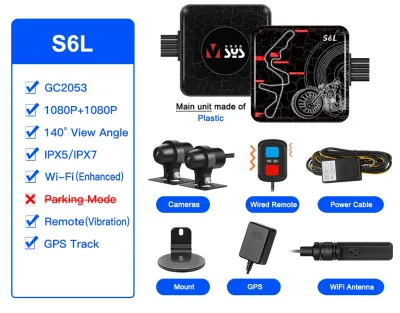
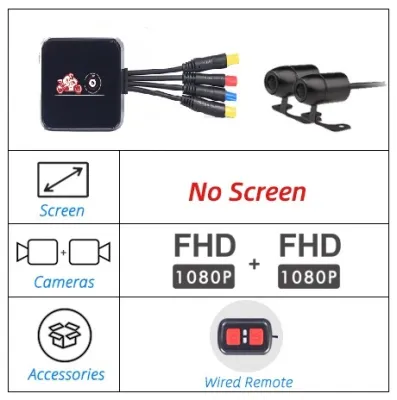
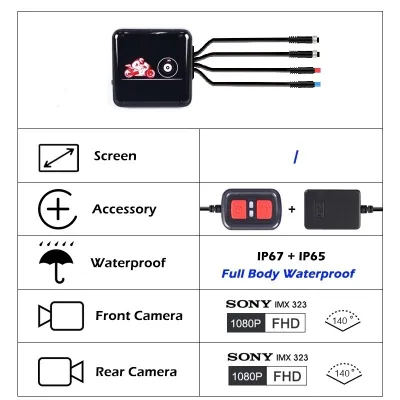
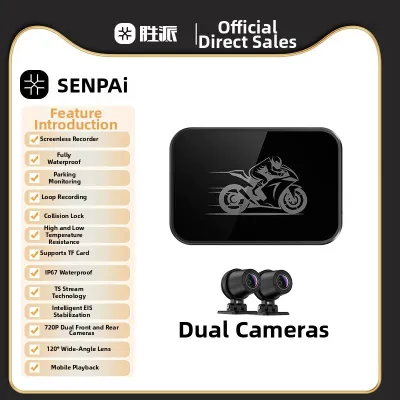
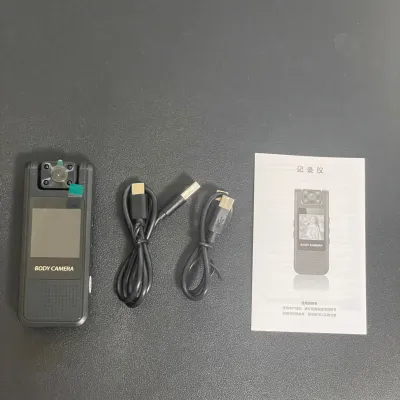
Prices are valid at publication and may change. Please refer to the product page for the latest price.
Before purchasing any motorbike dash cam, you must perform immediate checks on its physical mounting footprint and power delivery method. Ensure the mounting brackets are compatible with your bike’s handlebars or fairings without blocking your view. Additionally, verify that the power draw matches your motorcycle’s electrical capacity to prevent safety hazards on the road.
Understanding LTA Regulations and Safety Boundaries
To keep your motorcycle road-legal in Singapore, you must understand the safety boundaries set by the LTA regarding aftermarket electronic accessories. The primary concern with any motorbike dash cam installation is vision obstruction. The camera, its brackets, and any associated cabling must not block your line of sight, obscure your instrument panel, or interfere with the projection of your headlight and turn signals. Mounting a bulky camera directly on the center of your windscreen or handlebar area can easily trigger a failure during your vehicle’s periodic inspection.

Electrical modification restrictions are another critical area regulated by safety standards. Tapping directly into critical vehicle wiring, such as the electronic control unit (ECU) or safety-critical lighting circuits, is highly restricted. Unauthorized electrical splices can lead to vehicle malfunctions, electrical fires, or sudden power loss while riding. Any power connection should ideally use dedicated accessory ports or isolated circuits designed for auxiliary electronics.
Singapore’s tropical climate adds a layer of environmental safety concern that directly impacts compliance. Motorbikes parked in open-air carparks are exposed to intense solar radiation, raising ambient temperatures significantly. Aftermarket electronics with low-quality internal batteries can swell, leak, or fail catastrophically under these conditions. Choosing a device designed to withstand high thermal loads is essential for preventing electrical shorts that could compromise your motorcycle’s safety.
Core Dimensions for Comparing Motorbike Dash Cam Brands
When comparing different motorbike dash cam options, weatherproofing is the first line of defense. Because motorcycles offer no shelter from Singapore’s sudden, heavy tropical downpours, both the front and rear camera units must carry a high ingress protection rating. Look for brands that specify an IP67 or IP68 rating for their camera lenses and main processing units. This ensures the system can survive prolonged exposure to high-pressure water and fine dust without internal condensation or electrical failure.
Power delivery methods represent another major point of comparison. Hardwired setups connect directly to the motorcycle’s battery or ignition-switched power source, providing seamless, automatic recording whenever the engine is running. Conversely, some riders opt for removable power banks or internal battery-operated units to avoid altering the bike’s wiring. While hardwired systems are more convenient, they place a continuous load on your motorcycle’s charging system, which must be carefully calculated against your stator’s output.
The physical footprint and mounting hardware of the camera system dictate where and how it can be safely installed. High-quality brands offer robust mounting options, such as heavy-duty adhesive pads, metal bolt-on brackets, or modular ball-joint mounts. The mount must hold the camera completely rigid; excessive vibration not only ruins video quality but can also cause the mounting hardware to fatigue and snap over time, creating a road hazard.
Finally, evaluate the lens field of view and stabilization capabilities. A wider field of view, typically between 120 and 150 degrees, is ideal for capturing side-impact incidents at junctions. However, wide angles can introduce distortion, so electronic or optical vibration stabilization is crucial. Single-track vehicles experience significant high-frequency vibration from the engine and road surface, which can render unstabilized footage completely unreadable when you need to read license plates.
How to Verify Brand Compliance and Product Claims
To protect yourself from low-quality products, you must learn to critically assess manufacturer claims of safety and durability. Start by checking for recognized international safety and electromagnetic compatibility certifications, such as CE, FCC, or RoHS marks. While these do not guarantee LTA compliance directly, they indicate that the device has undergone standardized testing for electrical safety and electromagnetic interference, reducing the risk of it disrupting your bike’s digital systems.
Always download and review the official installation manuals before making a purchase. A reputable brand will clearly outline the physical dimensions, power requirements, and prohibited mounting zones for their equipment. If a manual lacks detailed wiring diagrams or fails to specify the maximum current draw, it is a strong indicator that the product may not be engineered to high safety standards.
Be highly skeptical of vague “universal fit” claims. A dash cam that fits perfectly on a large touring motorcycle may be completely unsafe or impossible to mount legally on a compact scooter or a naked sports bike. Look for brands that provide specific compatibility lists or offer modular mounting kits tailored to different motorcycle styles and handlebar configurations.
Additionally, verify if the brand has an established local presence in Singapore. Brands with authorized local distributors, physical retail partners, or designated installation workshops offer a significant advantage. They can provide genuine local warranties, access to spare parts, and professional advice tailored to Singapore’s specific vehicle inspection standards, saving you from costly trial-and-error.
Decision Framework: Matching Brands to Your Riding Needs
Selecting the right motorbike dash cam setup requires matching the device’s specifications to your specific riding habits and motorcycle architecture. If you are a daily commuter who rides in all weather conditions and parks in unsheltered areas, a hardwired, supercapacitor-based model is highly recommended. Supercapacitors handle extreme heat far better than lithium batteries, ensuring the camera shuts down safely and saves the final video file even if the motorcycle’s power is suddenly cut.
For riders who only use their motorcycles occasionally or own multiple bikes, a removable, battery-powered camera might be the more practical choice. These units can be mounted on your helmet or attached to a quick-release handlebar mount, allowing you to remove the device when parked to prevent theft. However, you must remain diligent about charging the batteries and ensure the mounting position does not violate LTA’s helmet modification or vision obstruction guidelines.
If you ride a naked bike or a motorcycle with minimal fairing space, a compact, single-channel unit is often the best fit. These streamlined systems minimize clutter on your handlebars and are easier to position without blocking your view or your headlight. For larger touring bikes or maxi-scooters with ample bodywork, a dual-channel (front and rear) system provides comprehensive coverage, though it requires more complex cable routing.
Before committing to any high-power, multi-channel system, you must verify your motorcycle’s electrical capacity. Modern motorcycles equipped with complex CAN bus digital wiring systems or small capacity batteries may trigger error codes or suffer from rapid battery drain if an aftermarket accessory draws too much current. Check your owner’s manual to ensure your stator has sufficient spare wattage to support the dash cam’s continuous power draw.
Professional Installation vs. DIY: Safety and Warranty Limits
While installing a motorbike dash cam yourself might seem like a straightforward weekend project, DIY electrical work carries significant risks. Tapping into the wrong wire can damage sensitive electronic components, interfere with safety systems like the Anti-lock Braking System (ABS), or disrupt the engine control unit (ECU). A single poorly insulated connection exposed to Singapore’s heavy rain can cause a short circuit, potentially leaving you stranded on the expressway.
You should stop and consult a certified motorcycle mechanic or an authorized dealer if you encounter any warning lights, CAN bus errors, or if you are unsure how to calculate your bike’s electrical load. Professional installation in Singapore typically ranges from S$50 to S$150 depending on the complexity of the motorcycle’s fairings and wiring harness. Professional installers have the specialized tools and experience to integrate the dash cam’s wiring harness safely into your motorcycle’s electrical system, often using dedicated fuse taps or accessory circuits that isolate the camera from critical vehicle functions.
It is also vital to consider how aftermarket installations affect your vehicle’s warranty. Many motorcycle manufacturers in Singapore will void the electrical warranty if they find evidence of spliced wires, tapped fuses, or unauthorized modifications to the main wiring harness. Having the system installed by an authorized dealer or a certified workshop that provides an installation guarantee can help preserve your warranty coverage.
Finally, proper cable routing is essential for physical safety. Cables must be routed carefully along the motorcycle’s frame, ensuring they do not pinch when the handlebars are turned fully from lock to lock. They must also remain clear of hot engine components, moving suspension parts, and the throttle assembly. Professional installers use high-grade, heat-resistant conduit and secure tie-points to ensure the wiring remains safe and secure over years of riding.
Frequently Asked Questions (FAQ)
Can LTA officers confiscate a non-compliant motorbike dash cam during inspection?
During periodic vehicle inspections or roadside enforcement checks in Singapore, LTA officers or authorized inspectors evaluate all aftermarket accessories for safety and compliance. If a motorbike dash cam is found to obstruct the rider’s view, block lighting systems, or feature unsafe wiring, the vehicle will fail the inspection. You will be required to rectify the issue—typically by removing or relocating the camera—and return for a re-inspection before the road tax can be renewed. While direct confiscation of the camera itself is uncommon, riding a vehicle with an active compliance failure can result in fines or prosecution.
Are supercapacitor dash cams strictly required for motorcycles in Singapore?
There is no specific LTA regulation that legally mandates the use of supercapacitors over lithium-ion batteries in motorbike dash cams. However, from a safety and reliability standpoint, supercapacitor-based models are highly recommended for Singapore’s hot and humid climate. Lithium-ion batteries degrade rapidly when exposed to the high temperatures generated inside a parked motorcycle’s fairings or under direct sunlight, posing a risk of swelling, leakage, or thermal runaway. Supercapacitors do not store energy chemically, making them far more stable at high temperatures and ensuring your camera operates reliably when you need it most.
Community discussion
Share your experience or ask a question. Comments are reviewed before publication.