
Quick Answer: Direct Answer & Selection Criteria
Selecting the right dashcam for driving in Singapore is not about finding a single, universally perfect brand. Instead, it requires finding a balanced setup that matches your specific driving habits, vehicle type, and budget while strictly adhering to local transport regulations. The optimal choice depends on whether you prioritize comprehensive front-and-rear surveillance or a simple, budget-friendly forward-facing camera.
To make an informed decision, you must evaluate key technical specifications such as resolution, low-light sensor performance, and heat resistance. Additionally, verifying physical compatibility with your vehicle’s windscreen and electrical system is essential before purchasing. By focusing on these core criteria, you can select a reliable device that provides clear, legally compliant evidence when you need it most.
Verifying LTA Compliance and Legal Boundaries
When installing any aftermarket accessory in Singapore, ensuring compliance with the Land Transport Authority (LTA) guidelines is paramount. The primary regulatory concern regarding dashcams is driver visibility. Any device mounted on the windscreen must not obstruct the driver’s direct line of sight or interfere with the safe operation of the vehicle.
Products mentioned in this guide
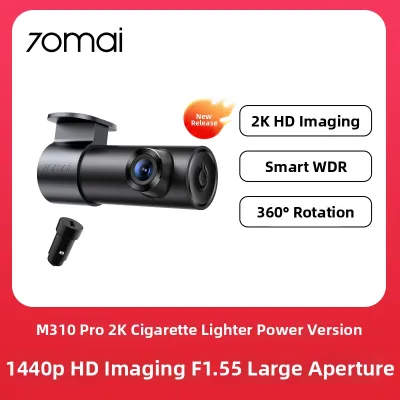

![[2026 NEW] 70mai A810 Lite Dashcam 4K Resolution + HDR | 4G Connectivity | Supercapacitor | Built-in GPS | Dual Recording](https://img.lazcdn.com/g/p/dde058960afcc39bbcd48d9d52298a3d.png_400x400q80.png_.webp)

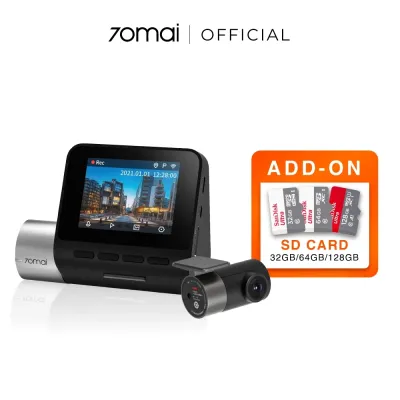
![[FREE INSTALLATION] Trapo i-Sight Dashcam S-650 | 2k with HDR | 60 FPS | ADAS](https://img.lazcdn.com/g/p/74f23959879d7c8c7deddc1fe697c79f.jpg_400x400q80.jpg_.webp)
![[NEW] 70mai M800 Dashcam 4K Resolution | 4G Connectivity | Dual-Channel Recording | Night Owl Vision | Built-in Storage](https://img.lazcdn.com/g/p/06967fbd6b007a985e15d1ff701ebb1f.jpg_400x400q80.jpg_.webp)
Prices are valid at publication and may change. Please refer to the product page for the latest price.

To meet these visibility requirements, the dashcam should be positioned carefully. The ideal mounting location is directly behind or adjacent to the rearview mirror, within the area swept by the windscreen wipers. This placement ensures the camera has a clear view of the road ahead without blocking your field of vision. Mounting a large device directly in the center of the windscreen or in a position that forces you to look around it while driving can lead to compliance issues during vehicle inspections.
Physical mounting mechanisms also play a role in safety and compliance. While suction cup mounts offer temporary flexibility, they are prone to losing suction and falling off, especially when exposed to intense tropical heat and humidity. Adhesive mounts are generally preferred for a more permanent, secure, and low-profile installation that minimizes vibration and reduces the risk of the camera detaching while the vehicle is in motion.
Furthermore, certain features are strictly prohibited by local laws. Any dashcam or electronic device that integrates active radar detectors, laser jammers, or speed-trap disruption technology is illegal to possess or use on public roads. Ensure that any model you consider is strictly a passive recording device. Before finalizing your purchase, it is highly recommended to consult the official Land Transport Authority website or visit an authorized vehicle inspection center to verify the most current and precise legal specifications regarding aftermarket windscreen accessories.
Evaluating Video Quality and Night Performance
A dashcam’s primary job is to capture clear, indisputable evidence of road incidents, which requires high-quality video recording under diverse conditions. When comparing technical specifications, resolution is often the first metric buyers look at, but it must be understood alongside other factors. While 1080p (Full HD) is the absolute baseline for modern dashcams, upgrading to 1440p (2K) or 2160p (4K) provides significantly higher pixel density. This extra detail is crucial when attempting to read license plates or road signs from a distance or when zooming in on a specific portion of the recorded footage.
However, resolution alone does not guarantee clarity, especially during night driving or when navigating Singapore’s numerous tunnels, such as the Marina Coastal Expressway (MCE). Low-light performance depends heavily on the camera’s image sensor and dynamic range capabilities. Look for models equipped with High Dynamic Range (HDR) or Wide Dynamic Range (WDR) technology. These systems automatically balance extreme light and dark areas in a single frame, preventing bright headlights or streetlights from washing out critical details like license plate numbers.
Frame rate is another important specification to consider. A standard frame rate of 30 frames per second (fps) is sufficient for general recording, but models that support 60 fps offer much smoother motion capture. This higher frame rate reduces motion blur, making it easier to capture clear freeze-frames of fast-moving vehicles or sudden side-impact incidents.
The camera’s Field of View (FOV) also involves a trade-off. A very wide-angle lens, such as 170 degrees, captures a broader view of the road shoulders and pedestrian paths. However, this wide perspective creates a “fisheye” effect, which distorts the image and makes vehicles directly in front of you appear further away than they actually are, reducing license plate readability. A moderate FOV between 130 and 140 degrees strikes the best balance, providing ample peripheral coverage while maintaining excellent central clarity and realistic distance perspective.
To verify these capabilities, avoid relying solely on manufacturer spec sheets or highly edited promotional clips. Instead, search online marketplaces, automotive forums, or video-sharing platforms for unedited, real-world sample footage uploaded by actual users. Pay close attention to night-time driving clips and tunnel transitions to assess how well the camera handles sudden changes in ambient lighting.
Assessing Parking Mode and Heat Resistance
Singapore’s tropical climate, characterized by high temperatures and intense sunlight, presents a challenging environment for car electronics. When a vehicle is parked outdoors in an open-air car park, cabin temperatures can rise rapidly to extreme levels. Therefore, heat resistance and power management are critical factors when choosing a reliable dashcam.
The internal power source of the dashcam is a major indicator of its durability. Dashcams powered by built-in lithium-ion batteries are highly susceptible to heat degradation. Under prolonged exposure to high temperatures, lithium-ion batteries can swell, leak, or fail entirely, posing a potential safety hazard. In contrast, models utilizing supercapacitors are far more resilient. Supercapacitors can withstand extreme operating temperatures, offer a significantly longer lifespan, and provide just enough power to safely save the current recording and shut down when the vehicle’s engine is turned off.
If you require continuous surveillance while your vehicle is unattended, you will need a model that supports a dedicated parking mode. This feature typically relies on a hardwiring kit connected directly to the vehicle’s fuse box, allowing the camera to draw power even when the ignition is off. To protect your car’s battery from draining completely, the hardwiring kit must include an adjustable low-voltage cutoff. This safety feature monitors the car battery’s voltage and automatically cuts power to the dashcam if the voltage drops below a pre-set limit (such as 12V or 12.4V), ensuring your car always has enough power to start.
Continuous recording, especially in parking mode, places a heavy demand on storage media. Dashcams use loop recording, which constantly overwrites the oldest footage when the memory card is full. To handle this continuous write cycle, you must use a high-endurance microSD card. Standard memory cards can fail rapidly under the constant stress of dashcam use. Ensure you select a card rated for high endurance (such as Class 10, U3, or V30) and verify the maximum storage capacity supported by your dashcam to ensure it can accommodate several hours of high-resolution footage before overwriting.
Installation Safety and Electrical Boundaries
Installing a dashcam, particularly one with a hardwired parking mode, requires careful handling of your vehicle’s electrical system. Before attempting any installation, it is essential to consult your vehicle’s owner manual. The manual provides critical information regarding the layout of the fuse box, identifying which fuses are safe to tap into and which must be left untouched to avoid interfering with vital vehicle safety systems.
Improper electrical wiring carries serious risks. Tapping into the wrong fuse or routing wires incorrectly can lead to rapid battery drain, electrical shorts, or even damage to sensitive onboard computers. Furthermore, unauthorized modifications to the electrical system can void your vehicle’s manufacturer warranty. Modern vehicles, especially those with complex hybrid or electric drivetrains and advanced driver-assistance systems (ADAS), have highly sensitive electrical architectures that require precise power management.
If your vehicle features a complex electrical system, or if you lack experience working with automotive wiring, fuse taps, and multimeters, do not attempt a DIY installation. Instead, stop and seek the assistance of a qualified automotive electrician or an authorized professional workshop. Professional installers have the expertise to integrate the dashcam seamlessly without compromising your vehicle’s electrical integrity or warranty.
Physical safety during installation is equally important. When routing the power cables from the windscreen to the power source, ensure the wires are tucked securely behind the interior trim panels. It is vital to route these cables away from any airbag deployment zones, such as the A-pillar side curtain airbags. Running a cable directly across an airbag cover can prevent the airbag from deploying correctly in an accident or turn the cable into a dangerous projectile inside the cabin.
Decision Framework: Choosing the Right Dashcam Setup
To help you navigate the selection process, use this structured decision framework to match a dashcam configuration to your specific driving environment, vehicle type, and budget:
- Choose a Premium Dual-Channel Setup If: You frequently drive on busy expressways or navigate dense urban traffic during peak hours. This configuration is also ideal if you regularly park in public car parks where rear-end scrapes or hit-and-run incidents are common, as it provides crucial, multi-angle video evidence to simplify insurance claims and resolve disputes quickly.
- Choose a Reliable Single-Channel Setup If: You are working with a strict budget and want a cost-effective entry-point to road safety recording. This is a practical option if your primary concern is capturing forward-collision incidents or traffic light disputes, and you prefer a simpler, less invasive installation process with fewer cables running through the cabin.
- Choose a Supercapacitor Model with a Hardwiring Kit If: Your vehicle is frequently parked outdoors in open-air lots exposed to direct sunlight and high temperatures. This combination is essential if you require 24/7 parking surveillance to monitor your vehicle while it is unattended, prioritizing long-term hardware reliability and minimizing the risk of battery-related failures.
Before finalizing any purchase, always verify that the physical dimensions and mounting bracket of the dashcam are compatible with your vehicle’s windscreen angle and rearview mirror housing. Additionally, consider the impact of aftermarket window tinting. Some heavy metallic or ceramic window films can degrade GPS signal reception; if your vehicle has high-performance tinting, check if the dashcam supports an external GPS antenna or has a highly sensitive internal receiver. By systematically evaluating these factors, you can select a dashcam setup that delivers reliable performance and complete peace of mind on the road.
Frequently Asked Questions (FAQ)
How often should I replace the memory card in my dashcam?
Memory cards used in dashcams are subjected to continuous write and overwrite cycles, which leads to gradual degradation over time. Common signs of a failing memory card include corrupted video files, missing footage segments, unexpected recording stops, or the dashcam repeatedly prompting you to format the card. To prolong the lifespan of your storage media, it is highly recommended to format the microSD card directly within the dashcam’s settings menu at least once a month. Always choose high-endurance microSD cards designed specifically for continuous recording applications. Depending on your daily driving habits and the resolution of your camera, plan to replace the memory card entirely every 12 to 24 months to prevent unexpected data loss.
Can I transfer my existing dashcam to a new car?
Yes, you can transfer an existing dashcam to a new vehicle, but the process requires careful execution to avoid damage. When removing an adhesive-mounted dashcam, do not pull it forcefully from the glass, as this can damage the windscreen or tear any aftermarket window tinting film. Instead, use a plastic pry tool along with a mild heat source, such as a hairdryer, to gently soften the adhesive before removal. You will need to purchase a fresh adhesive pad designed for your specific dashcam model for the new installation. Before mounting the camera in your new vehicle, re-evaluate the placement to ensure it complies with local visibility regulations, and verify that the existing power cables and hardwiring kits are fully compatible with the new vehicle’s electrical system and fuse box layout.
Community discussion
Share your experience or ask a question. Comments are reviewed before publication.