
When evaluating full-surround floor mats for the Toyota Harrier, the market primarily offers two distinct structural approaches: injection-molded thermoplastic elastomer (TPE) and multi-layer leather or cross-linked polyethylene (XPE) designs. Because specific brand batches, model years, and trim levels vary, there is no single universal winner. Instead, the best choice depends on verifying how precisely a brand’s molding matches your Harrier’s interior contours, the safety of the materials used, and how the mat’s design interacts with critical vehicle controls. This guide provides the exact checkpoints and decision frameworks you need to compare available options and select the most suitable protection for your vehicle.
Selecting the right floor protection is particularly important for a premium mid-sized SUV like the Toyota Harrier. The vehicle’s refined cabin features intricate footwell contours, floor-mounted accelerator pedals in certain generations, and electronic seat tracks that require unobstructed clearance. Standard flat mats often leave vulnerable carpet exposed to Singapore’s frequent tropical downpours, mud, and spilled drinks. Full-surround mats solve this by extending coverage up the sides of the footwell, but their increased coverage means that any manufacturing defect or incorrect fitment can lead to safety hazards or aesthetic issues.
Understanding Full-Surround Mat Types for Toyota Harrier
The aftermarket industry categorizes full-surround mats into two primary structural designs, each utilizing different manufacturing techniques and materials. The first category is injection-molded thermoplastic elastomer (TPE). These mats are constructed from a rubber-like plastic compound that is heated and forced into a high-pressure mold. This process results in a semi-rigid, single-piece mat with raised edges that retain their shape over years of use. TPE mats are highly durable, completely waterproof, and offer a modern, utilitarian aesthetic that integrates cleanly with the Harrier’s floor layout.
Products mentioned in this guide
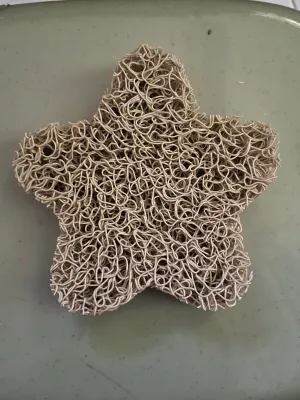
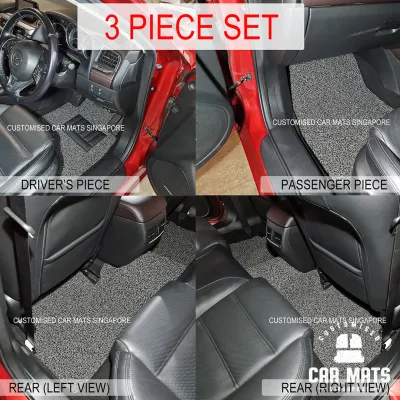
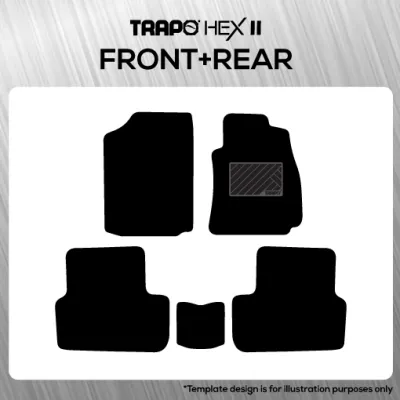
Prices are valid at publication and may change. Please refer to the product page for the latest price.
The second category consists of multi-layer synthetic leather or cross-linked polyethylene (XPE) mats, often marketed as 5D, 6D, or 7D mats. These are constructed by laminating several material layers together, typically featuring a top layer of polyurethane (PU) leather, a middle cushioning layer of XPE foam for comfort and sound insulation, and a bottom non-slip mesh layer. Some variations include a detachable top coil mat layer secured by clips. These mats offer a traditional, luxury-oriented appearance with diamond-stitched patterns that cover almost the entire footwell carpet, extending high up the center console and side sills.
The baseline fit of these mats depends heavily on whether the manufacturer used 3D laser scanning or generic templates during development. The Toyota Harrier has evolved through multiple generations, notably the XU60 and the XU80. Each generation features distinct floor pan shapes, seat rail placements, and fuel lid release lever locations. Mats produced using high-precision 3D laser scanning conform tightly to these specific variations, whereas generic or multi-model molds often result in loose sections, gaps, or overlapping edges that compromise both appearance and safety.
Choosing between these two types involves clear trade-offs. Injection-molded TPE mats provide a rugged, low-profile design that is exceptionally easy to clean but may feel less cushioned underfoot. Multi-layer leather mats offer a plush, padded feel and enhanced cabin sound dampening, which complements the Harrier’s quiet cabin. However, the stitched seams in multi-layer mats can trap dirt and moisture over time, requiring more meticulous maintenance to prevent musty odors in humid climates.
Evaluating Fit and Coverage Precision
Achieving a precise fit is the most critical factor when selecting full-surround mats, as a poorly fitting mat can slide, warp, or interfere with the vehicle’s pedals. When comparing brands, pay close attention to the edge height and the design of the raised lips. The mats should extend high enough to cover the original carpet where your shoes make contact, particularly in the driver’s footrest area and the passenger’s upper footwell. In the rear seat area, the mat should cover the center transmission tunnel seamlessly without lifting or creating air pockets underneath.

Clearance around the driver’s controls is a non-negotiable safety checkpoint. The Toyota Harrier utilizes a floor-mounted accelerator pedal in its newer generations, which requires a specific cutout or contour in the floor mat to allow full, unobstructed travel. The mat must not pinch, catch, or rest against the pedal assembly at any point in its movement. Similarly, the brake pedal must have ample clearance so that even if the mat shifts slightly, there is zero risk of mechanical interference. You must also verify that the mats do not block the air vents located under the front seats or obstruct the travel of electrically adjustable seats along their tracks.
Another vital element is the integration with the factory floor retention clips. The Toyota Harrier comes equipped with rotating floor anchors on the driver and front passenger sides. High-quality full-surround mats feature matching, pre-installed locking holes or clips that snap securely onto these factory anchors. If a brand relies solely on friction or generic hook-and-loop fasteners without utilizing the factory retention points, the driver’s mat is highly likely to slide forward over time, creating a dangerous situation during sudden braking.
Finally, inspect the backing material of the mats. The underside should feature a high-friction texture, such as a specialized anti-slip backing or microscopic fiber claws, that grips the original carpet fibers without damaging them. This secondary retention system works in tandem with the factory clips to prevent any lateral or longitudinal movement, ensuring the mat remains perfectly aligned even under heavy foot pressure.
Comparing Material Quality and Durability
The durability and safety of floor mats are directly tied to the quality of the raw materials used in their construction. Because car interiors can reach high temperatures when parked under the sun, it is essential to evaluate the environmental safety of the mats. Low-quality plastics and synthetic leathers often release volatile organic compounds (VOCs), resulting in a strong, chemical odor that can cause headaches or respiratory discomfort. When comparing brands, look for products that explicitly verify the use of medical-grade or food-grade TPE, or those that carry recognized low-VOC and non-toxic certifications on their packaging.
Wear resistance is another key differentiator between material types. The driver’s heel area is subjected to constant friction from footwear, which can quickly wear through thin materials. Many multi-layer leather mats feature a reinforced heel pad made of metal, thick plastic, or heavy-duty rubber stitched onto the driver’s mat to prolong its lifespan. For TPE mats, the material itself is inherently highly resistant to abrasion, but the thickness of the mat and the depth of the surface tread pattern will determine how well it resists wear from high-heeled shoes or work boots over several years of daily driving.
Waterproofing and ease of maintenance are particularly important in regions with high humidity and frequent rainfall. Pure injection-molded TPE mats are completely impervious to liquids, meaning water, mud, and spilled drinks remain pooled on the surface within the raised edges until they are wiped away or hosed off. Multi-layer leather mats, while water-resistant on the surface, feature stitched seams that can allow water to penetrate into the inner XPE foam layer if subjected to heavy pooling. If moisture becomes trapped within these layers, it can lead to mold growth, structural degradation, and persistent unpleasant odors inside the cabin.
To maintain the structural integrity of your mats, always follow the manufacturer’s specific care instructions. TPE mats can generally be removed, hosed down with clean water, scrubbed with a mild detergent, and dried quickly in the shade. Multi-layer leather mats should never be submerged in water or washed with harsh chemical solvents; instead, they should be wiped down with a damp microfiber cloth and allowed to air dry completely before being reinstalled in the vehicle.
Decision Framework: Choosing the Right Mat for Your Driving Needs
To select the most suitable full-surround floor mats for your Toyota Harrier, you should match the material properties to your daily driving habits, maintenance preferences, and aesthetic goals. If your daily routine involves outdoor activities, transporting pets, or frequently driving in wet weather, injection-molded TPE mats are highly recommended. Their superior waterproofing, resistance to mud, and effortless cleaning process make them the practical choice for keeping your Harrier’s interior pristine with minimal effort.
Conversely, if you view your Toyota Harrier primarily as a refined executive cruiser and wish to enhance its premium cabin ambiance, multi-layer leather or XPE mats may be more appealing. These mats provide a softer feel underfoot, reduce road noise slightly through their multi-layered foam construction, and offer a customized, luxurious look that coordinates with leather upholstery. However, you must be prepared to spend more time maintaining them, ensuring they are kept dry and free of embedded dirt to preserve their appearance and prevent odors.
Before finalizing any purchase, it is imperative to verify the exact compatibility of the mats with your Toyota Harrier’s model year, trim level, and drivetrain configuration. For instance, hybrid variants of the Harrier may have slightly different floor pan shapes or battery cooling vent placements under the rear seats compared to petrol-only models. Always check the product listing carefully, consult the manufacturer’s compatibility charts, and if in doubt, contact the seller with your vehicle’s specific chassis code or manufacturing year to confirm a precise fit.
Installation and Safety Verification
Once you have purchased your full-surround floor mats, performing a thorough physical safety check during and immediately after installation is essential. Begin by clearing the footwells of all debris and removing any existing floor mats. Lay the new full-surround mats into position, ensuring they sit completely flat against the floor pan. Align the mat’s retention holes with the factory floor anchors and twist the clips into the locked position. Press down firmly along the edges to ensure the raised lips conform tightly to the side walls and center console.
Next, perform a series of manual checks to verify that the mats do not interfere with any vehicle controls. Sit in the driver’s seat and depress the accelerator pedal slowly through its entire range of motion, checking for any resistance, catching, or rubbing against the mat. Repeat this process with the brake pedal, ensuring there is ample clearance and that the pedal can be fully depressed without touching the mat’s edge. Slide the driver and front passenger seats fully forward and backward on their tracks to confirm that the seat adjustment mechanisms move freely without binding or pulling on the mats.
If you observe any shifting, curling of the edges, or interference with the pedals during these checks, do not drive the vehicle. Poorly fitting mats can warp over time due to temperature changes, potentially catching the edge of a pedal during operation. In such cases, adjust the positioning, ensure the retention clips are fully engaged, or contact the manufacturer for guidance. If the issue cannot be resolved, remove the mats immediately and revert to your original factory mats to ensure safe driving conditions. Always prioritize operational safety over cosmetic preferences.
Frequently Asked Questions (FAQ)
Do I need to remove the original factory mats before installing full-surround mats?
Yes, you must always remove the original factory carpet or rubber mats before installing aftermarket full-surround mats. Stacking multiple layers of floor mats is a serious safety hazard because it prevents the top mat from securing properly to the factory floor retention clips. This lack of secure anchoring can cause the mats to slide forward under foot pressure, potentially jamming the accelerator or brake pedals. Additionally, stacked mats can alter the height of the footwell floor, directly restricting full pedal travel and compromising your ability to control the vehicle safely. Always follow the manufacturer’s installation instructions, which typically specify placing the full-surround mats directly onto the vehicle’s bare floor carpet.
How can I remove creases or folds from new full-surround mats?
If your new full-surround mats arrive folded or rolled due to shipping packaging, you can safely restore their original shape using gentle, controlled heat. The most effective method is to lay the mats completely flat on a clean surface in a warm, shaded outdoor area or under direct sunlight for a few hours. The ambient warmth will naturally soften the TPE or XPE material, allowing it to relax and return to its molded shape. Avoid using high-heat sources such as industrial heat guns or open flames directly on the mats, as excessive, concentrated heat can permanently warp the structural backing, melt the synthetic materials, or damage the protective top coatings. Once the mats have flattened out and cooled down, they can be safely installed in your Toyota Harrier.

Community discussion
Share your experience or ask a question. Comments are reviewed before publication.