
Finding the ideal full-surround floor mat for the BYD Atto 3 requires looking beyond generic marketing claims. Because fitment, material safety, and pedal clearance are critical for vehicle operation, there is no single universally “best” brand without verifying specific product specifications against your exact model year. The right choice depends on your daily driving habits, local weather conditions, and how well a manufacturer has tailored their design to the unique cabin layout of this electric vehicle.
In markets like Singapore, where high humidity, frequent tropical downpours, and intense cabin heat are common, selecting the right floor mat material and fitment is essential. A poorly chosen mat can trap moisture against the vehicle floor, release unpleasant chemical odors when parked in the sun, or even slide forward and interfere with the pedals. By focusing on objective evaluation criteria, material characteristics, and safety checks, you can confidently select a high-quality set of mats that protects your vehicle’s interior while ensuring a safe driving experience.
Key Criteria for Evaluating BYD Atto 3 Floor Mats
When comparing different aftermarket floor mat brands for the BYD Atto 3, compatibility must be your primary filter. The Atto 3 has a unique interior floor pan designed around its dedicated electric vehicle platform. This includes a completely flat rear floor and specific front footwell contours that differ significantly from traditional internal combustion engine vehicles. You must verify that any brand you consider explicitly states compatibility with your specific model year and, crucially, the right-hand drive (RHD) configuration.
Products mentioned in this guide
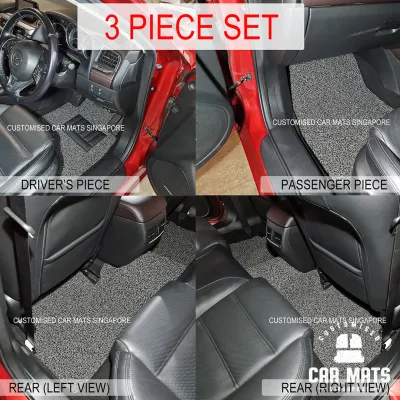
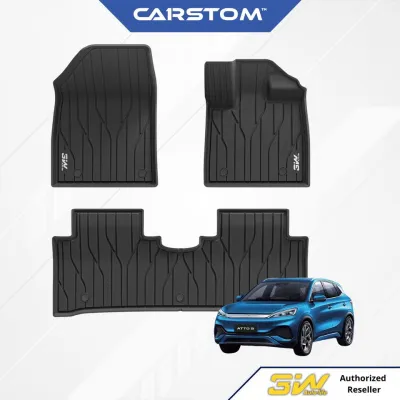
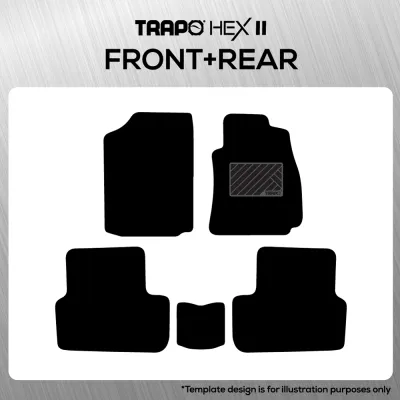
Prices are valid at publication and may change. Please refer to the product page for the latest price.
Pedal clearance is the most critical safety factor when evaluating any floor mat. The driver-side mat must be designed with precise cutouts that allow the accelerator and brake pedals to travel through their entire range of motion without any physical contact or resistance. A mat that is even slightly too thick or poorly aligned can catch the edge of a pedal, presenting a severe safety hazard during operation. Look for brands that utilize precise 3D laser scanning technology to map the footwell, ensuring the mat contours perfectly around the pedal assemblies.
Retention system compatibility is another essential safety feature. The BYD Atto 3 comes equipped with factory floor anchors on the driver and front passenger sides. High-quality aftermarket mats must feature integrated retention clips or locking mechanisms that snap securely onto these factory anchors. This prevents the mats from shifting forward or bunching up under the pedals during sudden braking or acceleration. Additionally, the underside of the mats should feature an anti-slip texture or backing to provide secondary grip against the factory carpet.
Material Types and Their Trade-offs
Choosing the right material for your full-surround mats involves balancing durability, aesthetics, and maintenance requirements. The two most common categories for full-surround designs are Thermoplastic Elastomer (TPE) and multi-layer synthetic leatherette (often paired with an XPE foam core). Each material offers distinct advantages and trade-offs depending on your lifestyle and driving environment.

TPE is a modern, rubber-like material that has gained immense popularity for automotive applications. It is highly durable, lightweight, and completely waterproof, making it exceptionally easy to clean. TPE mats are typically injection-molded or thermoformed, allowing them to retain their rigid 3D shape over years of use. Because they do not absorb liquids, they can be easily removed, hosed down, and dried in a matter of minutes. This makes them highly suitable for drivers who frequently deal with wet weather, muddy shoes, or outdoor activities.
Traditional leatherette or XPE foam mats offer a more cushioned, premium aesthetic that some drivers prefer to match the Atto 3’s distinctive interior styling. These mats often feature decorative stitching and a softer feel underfoot, which can provide a minor degree of cabin noise dampening. However, they are generally heavier and more complex to clean. If water penetrates the stitched seams, it can become trapped within the inner foam layers, leading to mold, mildew, and persistent musty odors in humid climates. They also tend to show wear and tear more quickly under heavy heel friction.
Regardless of the material you choose, it is vital to check the manufacturer’s specifications for temperature resistance and off-gassing. In hot climates, cabin temperatures can rise significantly when the vehicle is parked in direct sunlight. Low-quality plastics and adhesives can degrade under these conditions, releasing volatile organic compounds (VOCs) that create a greasy film on the inside of the windshield and cause unpleasant odors. Look for brands that certify their materials as non-toxic, odorless, and stable under high temperatures.
Assessing Fitment and Full-Surround Coverage
To determine if a brand’s “full-surround” claim is accurate, you must examine how the mats cover specific areas of the Atto 3’s cabin. True full-surround mats should extend high up the sidewalls of the footwells, covering the dead pedal on the left side of the driver’s footwell and protecting the carpet along the sides of the center console. This high-wall design prevents dirt, sand, and spilled liquids from slipping over the edges and staining the factory carpet underneath.
However, excessive sidewall height can introduce compatibility issues with other interior features. You must verify that the mats do not obstruct the movement of the front seats along their adjustment rails. The BYD Atto 3 features power-adjustable seats in many configurations, and a mat that bulges or sits too high can bind against the seat tracks, potentially straining the electric motors or preventing the seat from locking into position. The mat must lay completely flat against the floor contours without any buckling or lifting.
Furthermore, the mats must feature precise cutouts for the rear passenger air conditioning vents, which are located on the floor under the front seats. Blocking these vents restricts airflow and reduces the efficiency of the climate control system. You should also inspect the area around the under-seat wiring harnesses. The Atto 3 contains sensitive electrical connections for seat sensors and airbags beneath the front seats; the floor mats must not pinch, pull, or put pressure on these cables during installation or daily use.
Decision Framework: Choosing the Right Option
To select the most suitable floor mat brand for your BYD Atto 3, use a structured decision framework based on your specific priorities and usage patterns. If your primary goal is low maintenance, maximum durability, and long-term protection against wet weather, prioritize high-quality TPE mats. These are ideal for families, pet owners, and drivers who frequently park outdoors or engage in outdoor sports. TPE mats offer a clean, modern look that aligns well with the functional, high-tech aesthetic of an electric vehicle.
If you prioritize a luxury cabin feel, enhanced underfoot cushioning, and a design that complements the unique curves of the Atto 3’s interior, premium leatherette or XPE mats may be more appealing. When choosing this route, look for brands that use high-frequency welding instead of traditional stitching for their patterns, as this helps prevent water from seeping into the inner foam layers. Be prepared for a more hands-on cleaning routine to maintain the appearance of the synthetic leather.
Before making any purchase, always perform a final compatibility check. Confirm with the seller or manufacturer that the mats are designed specifically for the Right-Hand Drive (RHD) layout and match your vehicle’s exact production year. Many online marketplaces list mats that are designed for Left-Hand Drive (LHD) markets, which will not fit the footwells of vehicles in Singapore and can create severe safety hazards if forced into place.
Installation Checks and Maintenance
Proper installation is just as important as choosing the right mat. When your new mats arrive, begin by thoroughly vacuuming the vehicle’s floor to remove any loose dirt or debris that could slide under the new mats and cause abrasion. Align the driver-side mat carefully with the factory floor anchors and press down firmly until you hear or feel the retention clips click securely into place. Repeat this process for the passenger side.
Immediately after installation, perform a comprehensive safety check before starting the vehicle. Sit in the driver’s seat and depress both the accelerator and brake pedals fully to the floor. Verify that there is a clear gap between the pedals and the edge of the mat at all points of travel. Next, adjust both front seats through their entire range of motion—fully forward, fully backward, lowest, and highest positions—to ensure the seat tracks and under-seat wiring move freely without catching on the mats.
To maintain your mats and preserve their protective qualities, establish a regular cleaning routine based on the material’s care instructions. For TPE mats, simply remove them, rinse with water, and use a mild soap or car shampoo with a soft brush for stubborn dirt; avoid using silicone-based dressings or high-gloss protectants, as these can make the surface dangerously slippery. For leatherette mats, wipe them down with a damp microfiber cloth and a mild interior cleaner, ensuring they are completely dry before reinstalling them to prevent moisture buildup. If you ever notice a mat shifting, warping, or interfering with any vehicle controls, remove it immediately and consult a qualified professional.
Frequently Asked Questions (FAQ)
Do I need to remove the factory carpet mats before installing full-surround mats?
Yes, you must always remove the factory carpet mats before installing aftermarket full-surround mats. Stacking mats on top of one another is a serious safety hazard. It prevents the new mats from securing properly to the factory floor anchors, increases the risk of the mats sliding forward, and can reduce the clearance around the accelerator and brake pedals, potentially leading to pedal interference.
Will full-surround mats affect the BYD Atto 3's interior warranty?
Generally, high-quality aftermarket floor mats do not affect your vehicle’s warranty. However, if a poorly designed or improperly installed mat causes physical damage to the seat adjustment tracks, pinches under-seat wiring harnesses, or blocks the rear air vents leading to system issues, those specific damages may not be covered under warranty. Always refer to your BYD owner’s manual and ensure proper installation to avoid these risks.
How do I clean TPE floor mats without damaging them?
To clean TPE floor mats safely, remove them from the vehicle and shake off any loose dirt. Rinse them thoroughly with clean water, and use a mild dish soap or dedicated car shampoo with a soft-bristled brush to scrub away stubborn grime. Avoid using harsh chemical solvents, bleach, or high-gloss silicone protectants, as these can degrade the material over time and leave a slippery residue that compromises driving safety.
Community discussion
Share your experience or ask a question. Comments are reviewed before publication.