
Selecting the right full-surround floor mats for your Audi is a practical decision that directly impacts interior preservation, cabin comfort, and driving safety. Because Audi vehicles feature highly contoured footwells and precise pedal assemblies, generic or poorly matched mats can slide, warp, or even interfere with vehicle controls. Finding the ideal option requires looking beyond generic brand claims and focusing on how a mat’s design, material composition, and retention systems align with your specific model’s layout.
A successful choice balances the protective benefits of high-walled coverage with the absolute necessity of unobstructed pedal operation. In tropical climates like Singapore, where high humidity and intense cabin heat are common, material selection becomes even more critical to prevent warping and chemical odors. By understanding the key differences between premium custom-fit aftermarket brands, official Audi accessories, and budget-friendly alternatives, you can make an informed investment that protects your car’s interior while maintaining a safe driving environment.
Key Criteria for Evaluating Audi Full-Surround Mats
Evaluating full-surround floor mats requires a structured approach that prioritizes safety, material integrity, and vehicle compatibility. Unlike standard flat mats, full-surround designs feature raised edges that climb up the sides of the footwell, offering comprehensive protection against dirt, mud, and spilled liquids. However, this extended coverage introduces unique variables that you must carefully assess before making a purchase.
Products mentioned in this guide
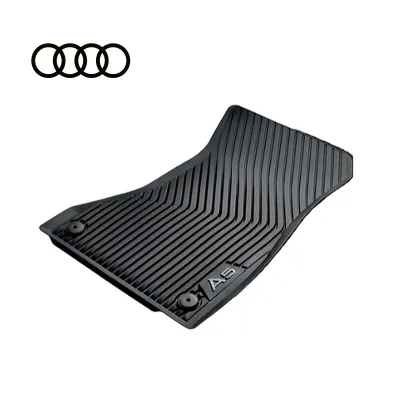
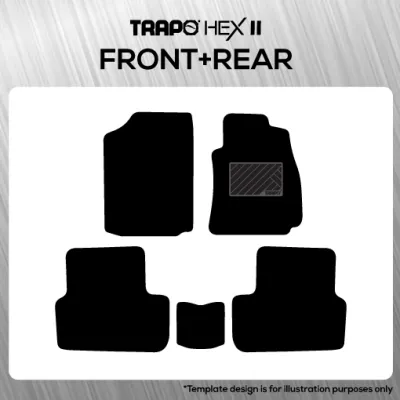

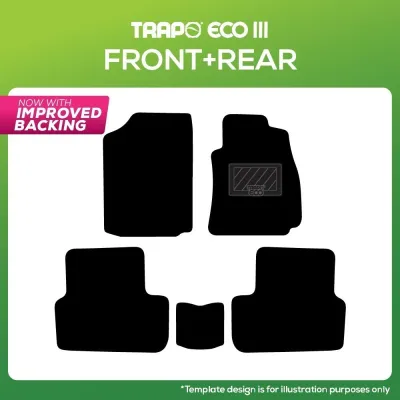
Prices are valid at publication and may change. Please refer to the product page for the latest price.
Fit and pedal clearance represent the most critical safety considerations when choosing full-surround mats. Audi models often utilize floor-mounted accelerator pedals or suspended pedals with tight clearances near the floor pan. A high-walled mat must be engineered with precise contours that leave ample space around the entire range of motion for both the accelerator and brake pedals. Any contact between the mat’s edge and a moving pedal can lead to dangerous binding or sticking, making exact fitment non-negotiable.
Material composition determines how well the mats withstand daily wear and environmental exposure. Common options include Thermoplastic Elastomer (TPE), Cross-linked Polyethylene (XPE), and synthetic leatherette. TPE is highly regarded for its rubber-like flexibility, excellent durability, and resistance to temperature extremes. In hot climates, cheaper materials can release unpleasant chemical odors or volatile organic compounds (VOCs) when the car is parked in direct sunlight. Opting for high-quality, low-odor materials ensures a healthier cabin environment.
Anti-slip backing and retention systems are essential for keeping the mats firmly in place. Even a minor shift in a mat’s position can compromise pedal clearance or block under-seat ventilation. High-quality full-surround mats feature a textured, high-friction bottom layer—often referred to as a maxspider or nibbed backing—that grips the factory carpet. Additionally, the mats must feature integrated retention clips that snap directly onto Audi’s original floor anchors to prevent any forward or lateral movement during driving.
Comparing Full-Surround Mat Options by Brand Category
To find the right balance of protection and value, it is helpful to categorize the available market options into three distinct tiers. Each category offers unique advantages and trade-offs regarding fitment accuracy, coverage area, and overall cost.

Premium Custom-Fit Aftermarket Brands
Premium aftermarket brands specialize in utilizing advanced 3D laser scanning technology to map the exact dimensions of specific Audi footwells. These brands design mats that hug every curve, sill, and footrest with high precision, providing a tailored appearance that mimics original factory styling. They typically use high-grade TPE or multi-layered composite materials that offer excellent liquid containment and structural rigidity.
While these premium options provide the most comprehensive coverage and a highly refined look, they require a larger initial investment, often ranging from S$150 to over S$300 for a complete set. When exploring these brands, you must verify that the manufacturer has scanned your exact Audi chassis code rather than a generic model name. A minor variation in drivetrain layout, such as the transmission tunnel difference between a front-wheel-drive and a quattro all-wheel-drive model, can significantly affect how the mat sits on the floor.
Audi Genuine Accessories (OEM)
Audi’s official original equipment manufacturer (OEM) all-weather mats are designed by the vehicle’s creators, ensuring highly precise compatibility with the factory floor anchors and interior styling. These mats are typically constructed from heavy-duty, low-odor rubber or high-density polymers that carry official branding and are backed by dealership warranties. They offer excellent durability and are designed not to interfere with pedal operation when installed correctly.
However, official Audi OEM all-weather mats rarely feature a true “full-surround” design. Instead, they generally follow a traditional flat layout with a modest raised lip around the perimeter. If you are looking for maximum coverage that protects the side carpets and transmission tunnel from scuffs and dirt, OEM mats may fall short of your expectations. Additionally, purchasing genuine accessories directly from authorized dealerships often carries a premium price tag that may not align with every budget.
Budget-Friendly and Semi-Custom Alternatives
Budget-friendly and semi-custom mats, frequently found on online marketplaces, appeal to drivers looking for basic protection at a lower price point. These mats are often manufactured using generic templates or semi-universal shapes designed to fit a wide range of mid-sized sedans or SUVs. They can be a cost-effective solution for older vehicles or temporary use, with prices sometimes falling below S$80.
Despite the cost savings, budget alternatives carry inherent risks that require careful scrutiny. Semi-universal designs often lack the precise cutouts needed for Audi’s floor anchors, increasing the risk of the mat sliding forward. The materials used in cheaper mats, such as low-grade PVC or thin foam layers, are more prone to curling, cracking, and warping under intense cabin heat. If you choose this route, you must be prepared to manually trim the edges if they interfere with pedal travel, and closely monitor the mats for signs of degradation.
Critical Safety and Compatibility Checks Before Installation
Installing full-surround floor mats is not a simple “drop-in” task; it requires a series of deliberate safety checks to ensure the vehicle remains safe to operate. Because these mats cover a larger surface area than standard mats, they interact with more interior components and controls.
The pedal operation test is the most critical safety check you must perform immediately after installing any new floor mat. With the engine turned off and the vehicle safely parked, sit in the driver’s seat and slowly depress the accelerator pedal all the way to the floor. Verify that the pedal moves smoothly through its entire range of travel and returns to its resting position without catching on the edge of the mat. Repeat this process with the brake pedal, ensuring there is absolutely no contact or resistance between the pedal arm and the mat’s raised walls.
OEM anchor compatibility is another vital safety checkpoint. Audi vehicles are equipped with specific floor pegs designed to lock mats in place. Your new full-surround mats must feature matching plastic retention rings that click securely onto these pegs. Never overlay a new full-surround mat on top of an existing carpet or rubber mat, as this stacks the materials too high, prevents the retention clips from locking, and significantly increases the likelihood of pedal entrapment.
Finally, you must verify that the high side walls of the mats do not obstruct other vehicle systems. Slide the front seats through their entire forward and backward adjustment tracks to ensure the mat’s edges do not bind or block the seat motors. Additionally, inspect the footwell area to confirm that the mats do not cover under-seat climate control vents, electrical wiring harnesses, or side-airbag deployment zones located near the lower trim panels.
How to Verify Fit and Value for Your Specific Audi Model
To make a confident purchasing decision, you should cross-reference your specific vehicle details with the product specifications provided by the manufacturer. Taking a systematic approach ensures you receive a product that fits correctly and delivers long-term value.
Model and chassis code verification is the first step in the purchasing process. Simply knowing that you drive an “Audi Q5” or “Audi A4” is often insufficient, as these models have spanned multiple generations with distinct floor pan designs. For example, a second-generation Audi Q5 (chassis code FY, produced from 2017 onward) has different footwell dimensions than the first-generation model (chassis code 8R). Always locate your vehicle’s exact model year and chassis code—often found on your vehicle registration log card or the manufacturer’s plate on the door jamb—and confirm compatibility with the mat manufacturer before ordering.
A comprehensive value assessment framework helps you determine if the S$ price point of a premium mat is justified. Consider the expected lifespan of the materials; a durable TPE mat that lasts five years without warping offers better long-term value than a cheap synthetic leather mat that needs replacement after twelve months of tropical humidity. Factor in cleaning convenience as well, as mats that can be easily unclipped, hosed down, and dried quickly save significant maintenance time.
Lastly, verify the availability of clear installation instructions and reliable after-sales support. High-quality brands often provide detailed guides or video tutorials demonstrating how to tuck the mat’s edges under plastic trim panels for a seamless look. Confirm that the seller offers a clear return policy in case of fitment discrepancies, and check if they provide replacement retention clips should the original parts become damaged or lost over time.
Frequently Asked Questions (FAQ)
Are full-surround mats safe for Audi accelerator pedals?
Full-surround floor mats are safe to use only if they are engineered specifically for your Audi’s exact chassis code and are securely locked onto the factory floor anchors. Because many Audi models feature floor-mounted or closely positioned pedals, any shifting of an unsecured mat can lead to pedal interference. Always perform a manual pedal travel test after installation, and immediately remove the mats if you detect any rubbing, catching, or resistance during pedal operation.
How do I clean and maintain full-surround floor mats?
To clean and maintain your full-surround mats, always refer to the manufacturer’s specific care label and instructions. Generally, you should remove the mats from the vehicle, shake off loose dirt, and rinse them with clean water. For stubborn grime, use a mild car shampoo or a dedicated mat cleaner with a soft-bristled brush, avoiding harsh household detergents or silicone-based dressings that can make the surface slippery. Allow the mats to dry completely in a shaded, well-ventilated area before reinstalling them to prevent moisture from trapping odors against your vehicle’s carpet.

Community discussion
Share your experience or ask a question. Comments are reviewed before publication.