
Selecting a customised car mat for your vehicle involves balancing aesthetic preferences with precise physical dimensions. Unlike universal floor mats, which often leave large areas of the footwell exposed, full-surround options are designed to hug the complex contours of your vehicle’s floor pan. The difference between a secure, high-coverage mat and one that slips, bunches, or leaves gaps typically comes down to the manufacturing process, the structural integrity of the materials used, and the retention systems employed.
To make an informed decision, you must evaluate how different brands design, mold, and secure their mats. A truly customised car mat should provide complete edge-to-edge coverage without compromising safety or vehicle operation. By understanding the core engineering differences behind these products, you can select a set of mats that protects your vehicle’s interior carpet from dirt, spills, and wear while maintaining a clean, integrated appearance over years of daily driving.
Core Dimensions for Evaluating Custom Fit and Edge Coverage
When comparing customised car mat options, the primary differentiator is how the manufacturer maps the vehicle’s footwell. Premium brands utilize advanced 3D laser-scanning technology to capture every minor contour, including the transmission tunnel, seat rail mounts, and footwell walls. This digital blueprint is then used to create highly precise molds. In contrast, budget-oriented brands may rely on generic universal templates or manual measurements, which often result in simplified angles, loose fits, and gaps where dirt and liquids can easily bypass the mat and stain the factory carpet.
Products mentioned in this guide
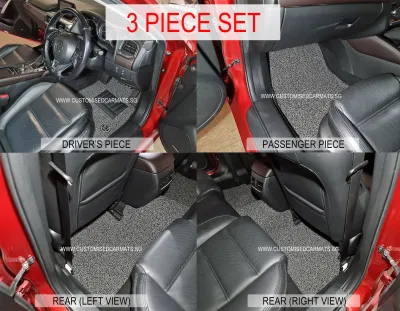
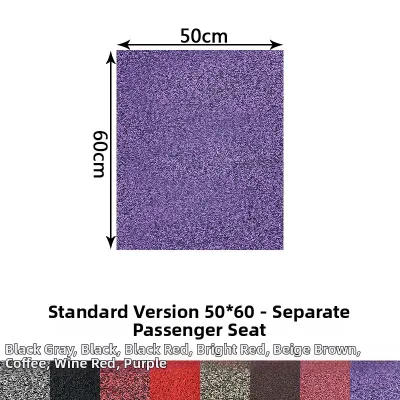
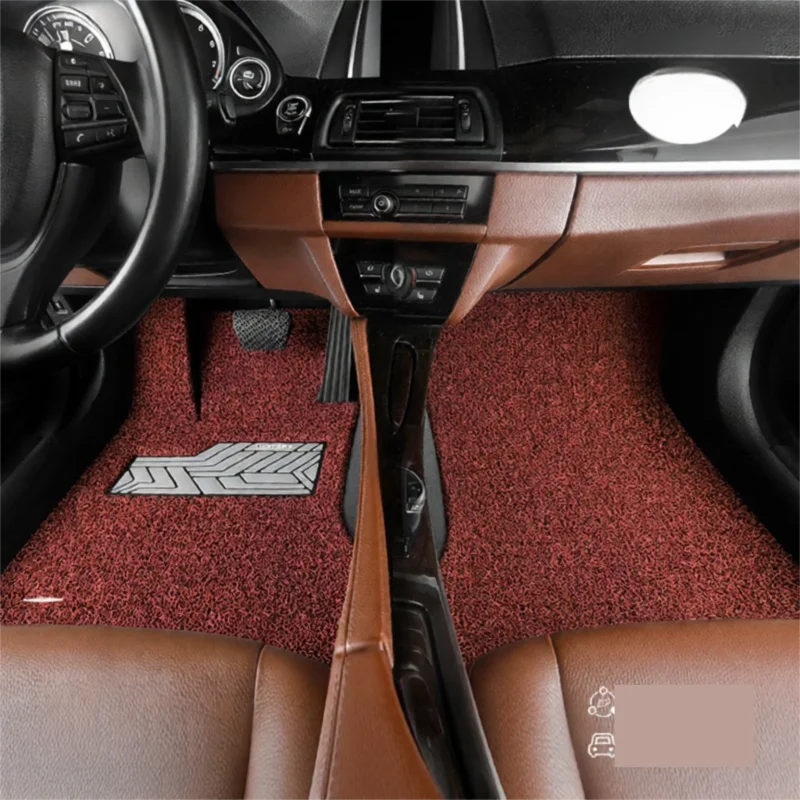
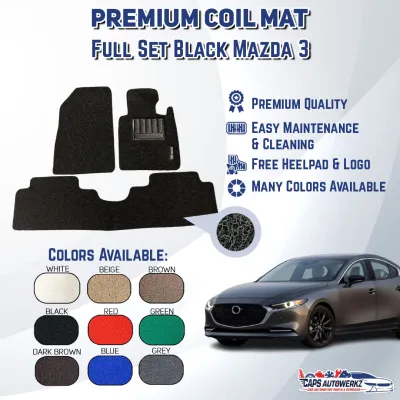
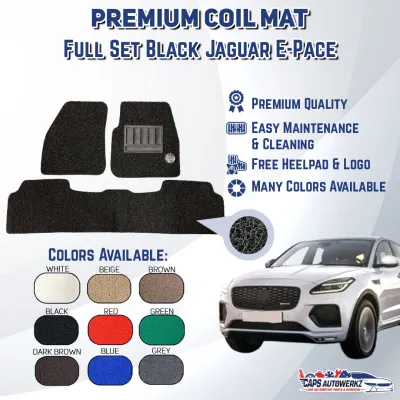
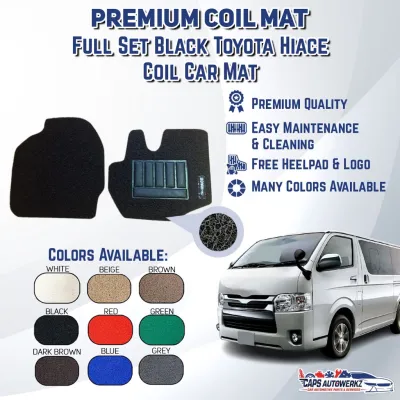
Prices are valid at publication and may change. Please refer to the product page for the latest price.
Edge height and contour matching are critical for containing spills and debris. High-walled mats, often referred to as bucket or tray-style liners, feature raised vertical edges designed to trap liquids. However, the height of these walls must be balanced with structural support; if the edges are too high and lack rigidity, they will eventually fold inward, exposing the carpet and creating an unsightly look. Additionally, pay close attention to the coverage of the dead pedal area—the resting spot for your left foot. High-quality customised mats cover this entire section, whereas lesser designs may cut around it, leaving a high-wear area completely unprotected.
Long-term fit is heavily influenced by material memory and shrinkage rates. Material memory refers to a mat’s ability to return to its original molded shape after being bent, stepped on, or exposed to temperature fluctuations. Lower-grade plastics and poorly bonded multi-layer materials tend to lose their shape over time, leading to shrinkage or curling at the edges. When edges curl away from the footwell walls, they not only allow dirt to slip underneath but can also catch on your footwear, creating a potential safety hazard during driving.
Material Types and Their Impact on Edge Retention
The choice of material directly dictates how well a customised car mat maintains its shape and edge coverage over time. Thermoplastic elastomers (TPE) are highly regarded for their exceptional structural rigidity and durability. TPE behaves like a semi-rigid tray, offering excellent resistance to wear, impact, and chemicals. Because TPE is injection-molded or pressure-formed as a single solid layer, it maintains its vertical edge walls exceptionally well, resisting the sagging that often plagues softer materials.

On the other hand, multi-layer synthetic leather mats offer a completely different aesthetic and tactile experience. These mats typically consist of a polyurethane top layer, a soft foam cushioning middle layer, and a non-slip backing. While they provide a plush, luxurious feel underfoot and contribute to cabin sound dampening, they are inherently more flexible than TPE. Over time, the internal foam layers can compress, and the synthetic leather can stretch, causing the high vertical edges to sag or pull away from the sides of the footwell, especially in high-friction areas.
Temperature resistance is another crucial factor, particularly in tropical climates like Singapore, where vehicles parked in open-air lots can experience cabin temperatures exceeding 60°C. Intense heat can cause low-quality plastics and adhesives to soften, leading to permanent deformation, warping, or delamination of multi-layer mats. When evaluating options, it is essential to check the manufacturer’s material specifications and care labels rather than relying solely on vague marketing terms. Look for UV-stabilized materials and heat-resistant ratings to ensure the mats will not warp or emit unpleasant chemical odors when exposed to intense sunlight.
Installation and Retention Mechanisms
Even the most precisely scanned customised car mat will fail to protect your vehicle if it does not stay securely in place. The primary line of defense against mat slippage is compatibility with your vehicle’s original factory retention clips and floor anchors. High-quality customised mats feature integrated locking retention points that snap directly onto the factory pegs. Before purchasing, always verify that the mat’s retention holes align perfectly with your specific vehicle model year and trim level, as manufacturers occasionally alter anchor placements during mid-cycle vehicle refreshes.
In addition to primary locking clips, the design of the mat’s underside plays a vital role in preventing movement. Many mats feature an anti-slip backing, which can range from aggressive plastic nibs to specialized high-friction micro-fiber textures. While nibbed backings are highly effective at gripping traditional carpet, they can sometimes cause premature wear or fraying of the delicate carpet fibers over years of use. Modern hook-and-loop style backings or textured rubberized patterns offer a gentler alternative, securing the mat firmly across its entire surface area without damaging the underlying floor.
Safety must always be the top priority when installing any interior accessory. A shifting floor mat can easily slide forward and entrap the accelerator or brake pedal, leading to sudden unintended acceleration or loss of braking capability. When installing your new mats, always verify that there is ample clearance around all foot pedals throughout their entire range of travel. Furthermore, ensure the mat does not obstruct the movement of the front seats along their tracks. If you notice any binding, bunching, or interference, remove the mats immediately and consult the manufacturer.
Decision Framework: Choosing the Right Brand for Your Car
To select the ideal customised car mat for your vehicle, you should align your choice with your daily driving habits, maintenance preferences, and aesthetic goals. If you prioritize maximum utility, absolute waterproofing, and effortless cleaning, a rigid, single-layer TPE brand is generally the most practical choice. These mats can be easily removed, hosed down with water, and reinstalled within minutes, making them ideal for families, outdoor enthusiasts, and drivers who frequently deal with wet weather or muddy shoes.
Conversely, if you want to enhance your vehicle’s interior styling, improve cabin quietness, and enjoy a cushioned feel underfoot, a premium multi-layer synthetic leather brand is highly suitable. These mats complement luxury interiors and provide excellent coverage, though they do require more careful maintenance. Cleaning typically involves wiping them down with a damp microfiber cloth and a mild interior cleaner, as soaking them with a high-pressure hose can trap moisture within the foam layers, leading to mold or unpleasant odors.
Before finalizing your purchase, always verify compatibility directly with the manufacturer if your vehicle features any unique interior modifications. Aftermarket additions such as modified seat tracks, floor-mounted fire extinguishers, or custom pedal covers can significantly alter the footwell clearance, rendering standard 3D-scanned mats unusable. A quick confirmation with the brand’s customer support can save you the hassle of returning a product that does not fit your modified layout.
Finally, keep in mind that if you drive a newly released vehicle model, even the most reputable brands may not have updated their 3D scanning databases yet. Attempting to install a mat designed for a previous model year is rarely successful, as manufacturers frequently make subtle adjustments to the floor pan, seat brackets, or console trim during model updates. In such cases, it is highly recommended to wait until the manufacturer officially releases a verified fitment for your exact model year to ensure complete safety and edge-to-edge coverage.
Frequently Asked Questions (FAQ)
Do full-surround mats interfere with side airbags or seat adjustments?
High-quality full-surround mats are engineered to clear all seat tracks and mechanical adjustment points. However, you must visually inspect the installation to ensure the high vertical walls do not bunch up or fold under the seat rails, which could restrict seat movement or damage the mat. Regarding side airbags, some vehicles feature sensors mounted near the floor or lower seat frame; always consult your vehicle owner’s manual and the mat manufacturer’s instructions to verify that the high-walled design does not obstruct any safety sensors or airbag deployment zones.
How can I fix a customised car mat that has curled edges after delivery?
If your customised car mat arrives with minor edge curling due to shipping and packaging, you can safely restore its shape by utilizing mild heat to relax the material’s memory. Lay the mat flat in a warm, sunny area for a few hours, allowing the ambient heat to soften the material so it naturally conforms to its original molded shape. Avoid using high-heat sources such as industrial heat guns or hair dryers on high settings, and never attempt to force the shape by folding the mat sharply in the opposite direction, as this can permanently crease, crack, or damage the structural integrity of the material.

Community discussion
Share your experience or ask a question. Comments are reviewed before publication.