
Finding the ideal full-surround customised car mat in Singapore depends on your specific vehicle model, material preferences, and safety requirements. Because brand inventories, exact model compatibilities, and pricing fluctuate, there is no single universal winner that suits every driver. Instead, selecting the best option requires a structured evaluation of coverage, material quality, and precise vehicle-specific fit to ensure your interior remains protected without compromising driving safety.
What Defines a High-Quality Full-Surround Car Mat?
Standard car mats often leave significant portions of your vehicle’s footwell exposed to dirt, moisture, and friction. A high-quality full-surround car mat is designed to act as a protective barrier that covers not just the flat floor, but also the vertical walls of the footwell. This comprehensive coverage helps preserve your vehicle’s original carpet, which is crucial for maintaining the car’s resale value in Singapore’s humid climate.
True full-surround mats extend protection to critical areas like the lower door sills, the dead pedal area where you rest your left foot, and the sides of the rear center console base. Unlike generic “custom-fit” flat mats that merely match the general floor shape, premium full-surround options are typically designed as 3D-scanned trays. These trays feature raised edges that contain spills, mud, and debris, preventing them from seeping into the chassis floor where they could cause rust or persistent odors.
Products mentioned in this guide
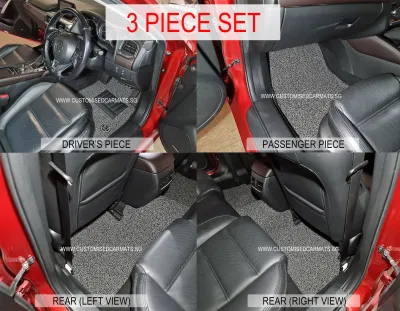
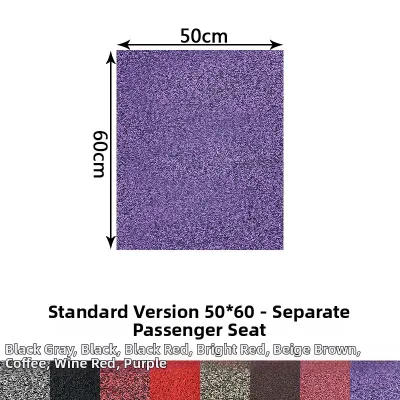
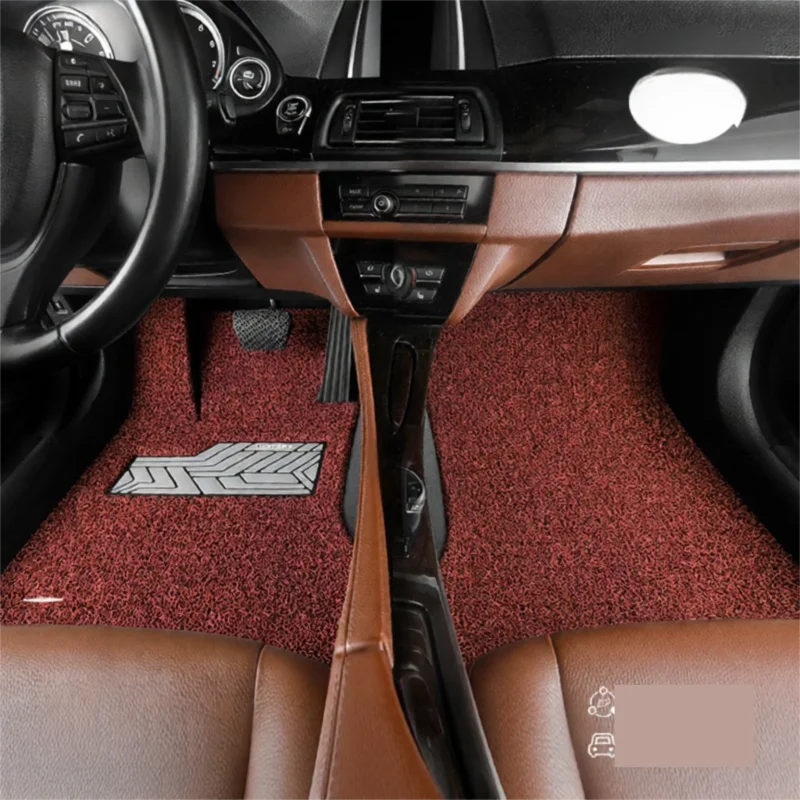
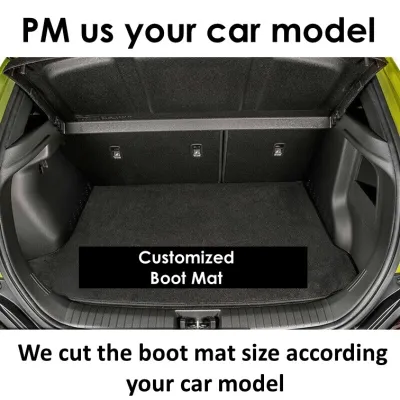
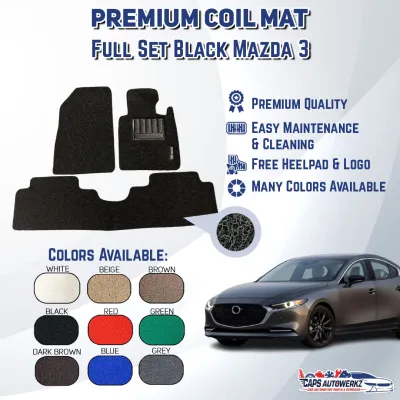
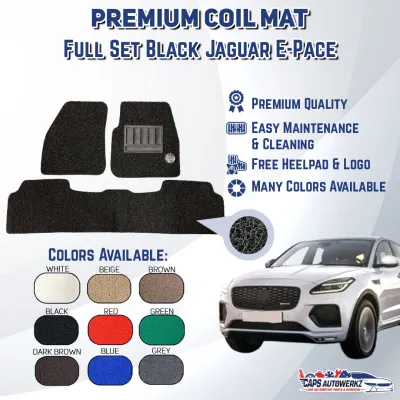
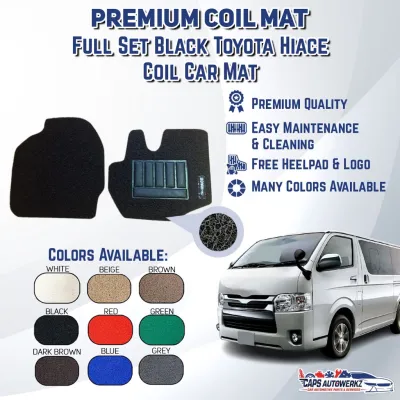
Prices are valid at publication and may change. Please refer to the product page for the latest price.
By retaining the original floor carpet in pristine condition, these mats prevent liquid or debris ingress from reaching the vehicle’s metal floor pan. This is especially important during Singapore’s monsoon seasons, when wet shoes can easily transfer water and road grime into the cabin.
Core Comparison Dimensions for Customised Car Mats
When comparing different customised car mat brands in the local market, you can objectively evaluate their quality using a few core dimensions. The first dimension is the coverage area. You should check how high the mats extend up the firewall, the door sills, and the center console to prevent scuffing from passenger footwear.

The second dimension is the retention mechanism. High-quality mats must stay firmly in place during driving. Look for mats that utilize your vehicle’s factory anchor points, feature anti-slip backing, or include secure fasteners that slide under the plastic interior trim to prevent shifting.
Aesthetic integration is the third dimension to consider. The mats should complement your car’s interior design, so compare the stitching quality, color options, and finish styles, such as classic diamond-stitching or a minimalist matte look.
Finally, assess the ease of cleaning. Some brands offer a dual-layer system with a removable top layer, such as a coil or carpet insert, which can be unclipped and shaken out. Others feature a single-piece, wipe-clean surface that requires a simple wipe-down but may show dirt more quickly.
Evaluating Material Options and Durability
The materials used in full-surround mats dictate their durability, maintenance needs, and overall performance. Thermoplastic Elastomer (TPE) is a popular choice for drivers seeking rubber-like flexibility, high durability, and excellent resistance to water and chemicals. TPE mats are highly odor-resistant and suitable for all-weather use, though you should check the manufacturer’s temperature ratings to ensure they withstand Singapore’s intense cabin heat when parked outdoors.
PU leather, or synthetic leather, offers a more luxurious interior aesthetic and is easy to wipe clean. However, synthetic leather can show wear over time, particularly in high-friction areas like the driver’s heel pad, so look for options that feature a reinforced heel plate.
Beneath the surface layer, many high-quality mats utilize an XPE or EVA foam core. This middle layer provides essential cushioning underfoot, contributes to cabin sound dampening, and helps the mat retain its molded 3D shape over years of use.
Before purchasing, always check the product labels for the exact material composition. To verify claims of being “odorless,” it is wise to inspect the mats physically at a local showroom or read verified user feedback, as low-grade plastics can release unpleasant chemical fumes when exposed to high cabin temperatures.
Verifying Vehicle-Specific Fit and Safety Clearances
Driving safety must always take priority over interior aesthetics. When installing any customised car mat, you must verify that the driver’s mat does not interfere with the accelerator, brake, or clutch pedals. There must be a clear physical gap around all pedals, and the mat must not trap or obstruct the dead pedal area.
Seat rail interference is another critical safety check. Ensure that the raised edges of the mats do not block the front seat adjustment tracks or trap debris within the mechanical sliders, which could damage the seat motors or manual adjustment mechanisms.
You must also check clearances around under-seat side airbag deployment zones and center console storage hinges. The mats should lie completely flat against the floor contours without bunching or lifting, which could interfere with passenger movement or safety systems.
Always consult the mat manufacturer’s official fitment guide for your exact car make, model, and production year. Immediately after installation, and before starting the engine, test the full travel of all pedals with your hand to ensure there is absolutely no contact or catch point with the mat.
Decision Framework: Matching Brand Profiles to Your Needs
To choose the right customised car mat brand in Singapore, match your driving habits and aesthetic preferences to the specific material profiles available.
Choose a TPE-focused brand if you prioritize rugged, all-weather durability, easy hose-washing, and minimal maintenance. This option is ideal for families, outdoor enthusiasts, or drivers who want a utilitarian look that can handle wet umbrellas and muddy shoes without staining.
Choose a PU leather or diamond-stitch brand if you want to elevate your car’s interior luxury and primarily drive in clean, urban environments. This style suits executive sedans and luxury SUVs, provided you are willing to wipe down the surfaces regularly to maintain their premium appearance.
Choose a brand that features removable top layers if you want the soft, premium feel of carpet or coil underfoot combined with the waterproof protection of a full-surround base. This hybrid design offers the best of both worlds but may require a slightly higher budget and more detailed cleaning.
If you drive a niche, newly released, or heavily modified vehicle, always verify compatibility first. Confirm the exact 3D scanning data used by the brand and check their return and exchange policies before placing an order, as minor interior variations can affect the final fit.
Frequently Asked Questions (FAQ)
How do I clean and maintain full-surround PU leather car mats?
To clean synthetic leather mats, use a damp microfiber cloth and a mild, non-abrasive interior cleaner that is explicitly labeled as safe for synthetic materials. Avoid using harsh household chemicals, bleach, or high-pressure water sprays directly on the stitching or backing, as this can cause the layers to delaminate and degrade the thread. After cleaning, allow the mats to air dry completely in a shaded, well-ventilated area before reinstalling them to prevent moisture from becoming trapped underneath, which can lead to mold and unpleasant odors.
Can I install full-surround car mats myself, or do I need professional help?
Most customised full-surround car mats are designed for straightforward DIY installation. The process involves removing your old mats completely, aligning the new 3D trays with the footwell contours, and securing them using the factory retention clips or the provided side fasteners. However, if the mats require any trimming, drilling, or if the installation instructions require the temporary removal of the front seats to route the rear mats properly, you should consult a qualified automotive professional or professional detailer to ensure the seats and restraint systems are reinstalled safely according to original-vehicle instructions.

Community discussion
Share your experience or ask a question. Comments are reviewed before publication.