
Comparing full-surround car mats for the Aion V requires looking beyond generic brand promises and focusing on exact fitment precision and material composition. Because the Aion V features a spacious, flat-floor electric vehicle (EV) architecture, generic mats often fail to cover the unique contours of the cabin, leading to slippage or interference with seat tracks. Selecting the right mat involves verifying physical dimensions, checking material safety standards, and ensuring the driver-side mat does not compromise pedal operation.
For drivers in tropical climates like Singapore, the choice of car mats is heavily influenced by local weather conditions. High humidity and frequent downpours mean that water, mud, and debris are constantly tracked into the vehicle. A poorly fitting or low-quality mat can trap moisture underneath, leading to mold growth and unpleasant odors that are difficult to eliminate from the cabin.
Evaluating different brands of full-surround mats requires a systematic approach. By focusing on observable physical attributes, material specifications, and safety clearances, you can identify a high-quality set of mats that protects your vehicle’s interior while maintaining a safe driving environment.
Products mentioned in this guide
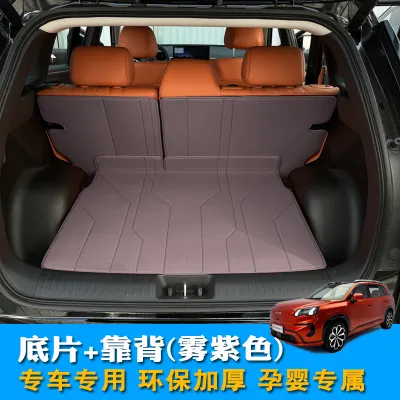
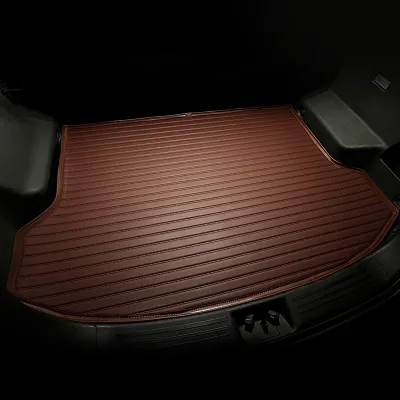
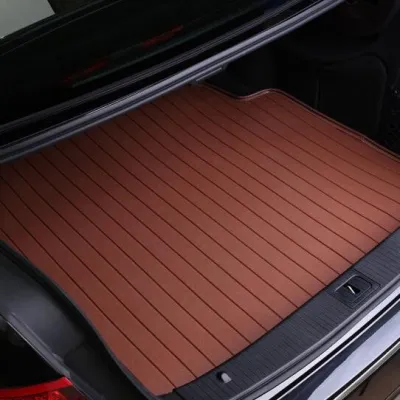
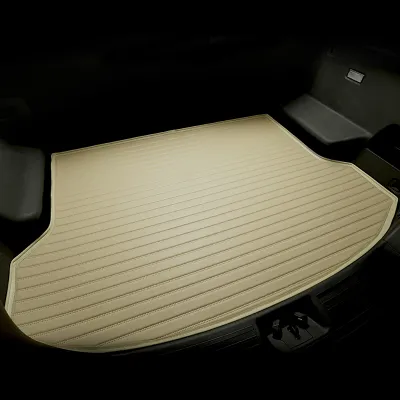
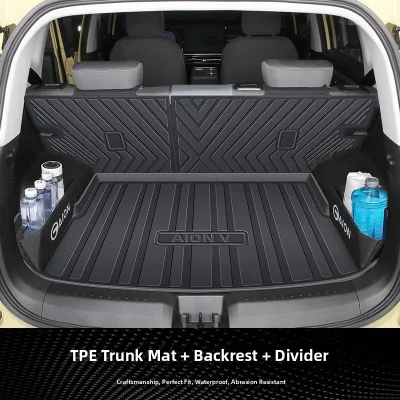
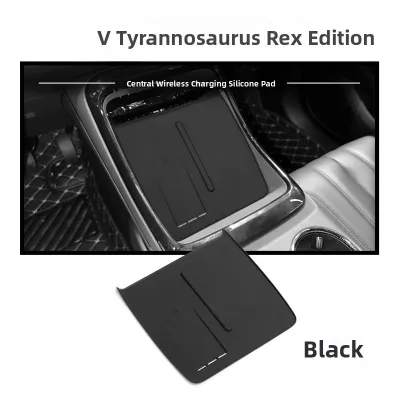
Prices are valid at publication and may change. Please refer to the product page for the latest price.
Defining Fit Precision for the Aion V Interior
Fit precision is the most critical factor when selecting full-surround car mats for the Aion V. Unlike traditional vehicles with transmission tunnels, the Aion V features a flat floor pan that maximizes passenger legroom but requires highly specific mat contours to stay in place. Generic or semi-custom mats often slide across this flat surface, creating potential safety hazards and leaving areas of the carpet exposed to dirt.
When evaluating different brands, the first checkpoint is the alignment with the factory floor anchors. The Aion V is equipped with specific retention clips on the driver and front passenger sides. A high-quality full-surround mat must feature matching, heavy-duty locking mechanisms that snap securely onto these factory pegs. If a mat relies solely on a friction backing without utilizing the factory anchors, it is prone to shifting underfoot.
Seat rail clearance is another vital area of inspection. The front seats of the Aion V slide along low-profile tracks to accommodate different passenger heights and cargo configurations. Full-surround mats feature elevated side walls designed to protect the sides of the footwell. However, if these walls are too thick or poorly molded, they can obstruct the physical travel of the seat rails, potentially damaging the electric seat motors or preventing the seats from locking into position.
The center console of the Aion V presents a unique contour that mats must hug tightly. The transition from the flat floor to the vertical walls of the console requires precise molding. High-quality brands use 3D scanning technology to ensure the mat edges lie completely flush against the console. Any bowing or gapping in this area not only looks untidy but also allows dirt, crumbs, and liquids to slip behind the mat and settle into the original carpet.
Finally, assess the flexibility and structural integrity of the mat edges. The perimeter of a full-surround mat should tuck neatly under the plastic door sill trims and side panels. If the material is too rigid, it will resist tucking and create raised edges that can catch on your shoes when entering or exiting the vehicle. Conversely, if the material is too soft, the edges will curl inward over time, exposing the carpet beneath.
Evaluating Material Quality and Durability
The materials used in full-surround car mats directly impact their longevity, safety, and ease of maintenance. The market is primarily divided between thermoplastic elastomer (TPE) mats and multi-layer composite mats, which often feature a polyurethane (PU) leather top layer. Understanding the physical properties of these materials helps you make an informed decision based on your daily usage.

Thermoplastic elastomer (TPE) is highly regarded for its structural rigidity and resilience. TPE mats are typically injection-molded, resulting in a single, seamless piece that is completely waterproof. This material does not absorb liquids, making it exceptionally easy to clean; you can simply remove the mats and hose them down. TPE is also highly resistant to temperature fluctuations, meaning it will not warp or become brittle when parked under the intense sun.
Multi-layer composite mats, often marketed as luxury or premium leather-look mats, offer a different aesthetic. These mats consist of a decorative PU leather top layer, a soft foam middle layer for underfoot comfort, and a non-slip backing. While they provide excellent sound dampening and a plush feel, they require meticulous inspection of the stitching and edge binding. Poorly sealed seams can allow water from wet shoes or umbrellas to penetrate the inner foam layer, creating a breeding ground for bacteria and musty odors.
Odor profiles are a critical safety and comfort consideration, particularly in a closed vehicle cabin. New synthetic materials can emit volatile organic compounds (VOCs), which become more pronounced when the vehicle heats up. When comparing brands, look for manufacturer labels indicating compliance with environmental and safety standards, such as SGS or RoHS certifications. High-quality mats should have virtually no chemical odor right out of the box.
Inspect the edge binding and seams of composite mats for potential peeling or fraying risks. Over time, the friction from your heels can wear down the surface of the mat, especially near the pedals. Look for brands that include a reinforced heel pad on the driver-side mat, preferably made of a durable metal or heavy-duty rubber, to prevent premature wear in this high-use zone.
Review the manufacturer’s care labels for verified water resistance and cleaning limitations. While TPE mats can handle harsh detergents and high-pressure water, composite PU leather mats often require specialized cleaners or gentle wiping with a damp microfiber cloth. Avoid using silicone-based dressings on any car mat, as these products can make the surface dangerously slick underfoot.
Safety Boundaries and Installation Checks
Operational safety must always take precedence over aesthetic preferences when installing full-surround car mats. Because these mats cover a larger surface area than standard floor mats, they present a higher risk of physical interference with the vehicle’s control interfaces if designed or installed incorrectly.
The most critical safety check involves the driver-side pedal zone. The accelerator and brake pedals on the Aion V must have a completely unobstructed path throughout their entire range of travel. Before driving the vehicle with new mats installed, perform a manual check with the engine switched off. Press both pedals fully to the floorboard and verify that there is a clear gap between the pedal arms and the edge of the mat. The mat must not catch, rub, or restrict the return movement of either pedal.
Securing mechanisms are non-negotiable for driver-side mats. The mat must lock firmly into the Aion V’s factory anchor points. If the mat slides forward even slightly during driving, it can wedge underneath the brake pedal, preventing you from stopping the vehicle in an emergency. Never use double-sided tape or makeshift fasteners to secure a poorly fitting mat; if it does not lock into the factory anchors, it is unsafe for road use.
Establish clear stop conditions for mat usage. If you experience any physical resistance when pressing the pedals, or if you hear the mat rubbing against the steering column shaft or pedal linkages, remove the mat immediately. Do not attempt to trim or modify the mat yourself unless explicitly instructed by the manufacturer’s documentation. If fitment issues persist, reinstall your factory mats and consult a professional installer or the mat manufacturer for assistance.
Decision Framework: Selecting the Right Brand
Choosing the right brand of full-surround mats for your Aion V involves matching the material characteristics to your lifestyle and verifying compatibility before making a purchase. A structured decision framework helps narrow down the options to the safest and most practical choice.
For families, pet owners, and those who frequently engage in outdoor activities, TPE mats are generally the most practical choice. Their ability to contain spills, mud, and sand, combined with the ease of hosing them off, makes them ideal for high-wear environments. For drivers who prioritize a luxury cabin aesthetic and executive transport, high-quality composite PU leather mats offer a more integrated, carpeted look, provided you are willing to commit to regular vacuuming and prompt spill cleanup.
Before purchasing any full-surround mat, ask the seller specific questions to verify compatibility with your exact Aion V model. EV manufacturers occasionally introduce minor floor pan, seat rail, or center console revisions during mid-cycle updates or facelift releases. Ask the seller:
- "Is this mat set molded specifically for the exact production year of my Aion V?"
- "Does the driver-side mat feature precise cutouts that align with the factory floor anchors?"
- "Is there a fitment guarantee, and what is the return policy if the mat interferes with the seat rails or pedals?"
Always review the return policy and warranty conditions when buying from online marketplaces or local automotive accessory shops. A reputable brand or seller should offer a clear return window for fitment issues. Avoid sellers who do not offer returns on “custom-fit” items, as minor manufacturing variances can render a full-surround mat unusable if it does not align perfectly with your vehicle’s chassis.
Frequently Asked Questions (FAQ)
Do full-surround mats affect the Aion V's side airbags or seat sensors?
No, properly designed full-surround mats should not affect the deployment of side airbags or the operation of seat sensors, but correct installation is essential. Side airbags are typically integrated into the outer sides of the front seat backrests, well away from the floor pan. However, the occupancy sensors and airbag wiring harnesses run underneath the seats, close to the floor.
When installing high-coverage mats, you must verify that the elevated side walls do not pinch, pull, or compress any wiring harnesses located under the front seats. Check your Aion V owner’s manual to identify the exact locations of these electrical connectors. Ensure the mats do not block the seat adjustment tracks or interfere with the seatbelt buckle receptacles, as any restriction here can trigger warning lights on your dashboard.
How can I verify if a mat is specifically molded for my Aion V's production year?
To verify exact compatibility, cross-reference the mat’s product SKU or listing details with your vehicle’s specific production month and trim level. Do not rely solely on the model name, as minor interior revisions can occur between model years. You can find your vehicle’s production details on the manufacturer’s plate, usually located on the driver-side door pillar.
Before finalizing your purchase, request fitment guarantee documentation or clear photos of the actual mats installed in an identical Aion V model year from the seller. If purchasing from an online marketplace, check customer reviews for feedback regarding fitment accuracy on your specific model year. A reputable seller should be able to confirm whether their molds have been updated to match any recent interior design changes.

Community discussion
Share your experience or ask a question. Comments are reviewed before publication.