
No single brand of full-surround car floor mats universally guarantees a flawless fit for every vehicle model. The precision of the fit depends entirely on whether the manufacturer has executed accurate 3D laser scanning for your specific make, model, production year, and trim level. Rather than relying on generic “universal fit” claims, finding the right full-surround mats requires a systematic evaluation of custom molding accuracy, edge wall height, and retention system alignment. This guide outlines how to compare brand capabilities, verify compatibility for right-hand drive (RHD) vehicles, and perform essential safety checks to protect your vehicle’s interior.
Key Dimensions for Evaluating Full-Surround Fit and Coverage
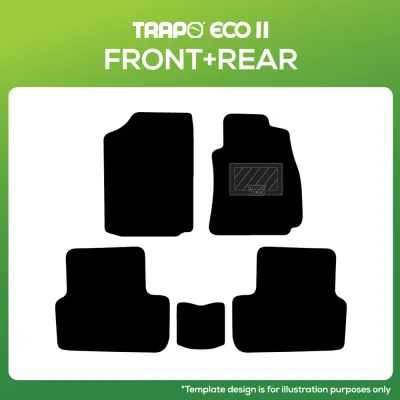
Evaluating the effectiveness of a full-surround car floor mat requires looking beyond basic surface area. True full-surround protection relies on three-dimensional coverage that conforms precisely to the complex contours of your vehicle’s footwell. High-quality manufacturers utilize advanced digital coordinate measuring machines or handheld 3D laser scanners to map the entire floor pan. This digital mapping captures every subtle curve, including the dead pedal, transmission tunnel, seat rail mounts, and fuel lid release levers, ensuring the finished mat sits flush without unsightly gaps or dangerous shifting.
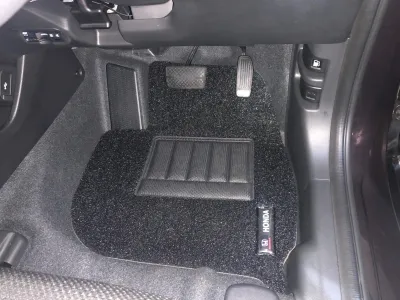
Edge wrap height is another critical dimension that separates premium custom-molded mats from budget alternatives. Standard floor mats only cover the flat horizontal surfaces of the footwell, leaving the vertical carpeted walls exposed to dirt, mud, and moisture. Full-surround mats feature high vertical walls designed to protect these vulnerable areas. The mat should extend high enough to cover the dead pedal completely, run flush along the sides of the center console, and line the door sills. This high-wall design acts as a protective barrier, preventing spilled liquids or debris from slipping behind the mat and soaking into the vehicle’s primary carpeting.
Products mentioned in this guide

![[TOP CAR MAT FOR TOYOTA] Car Models Car Mat / Anti-Slip Mat [BLACK BASE BLACK LINING]](https://img.lazcdn.com/g/p/512c6ee72f263de3847c1e6d93877991.jpg_400x400q80.jpg_.webp)
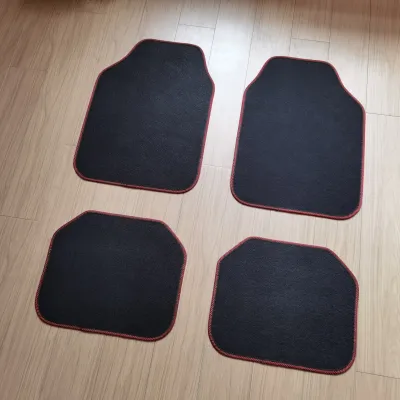
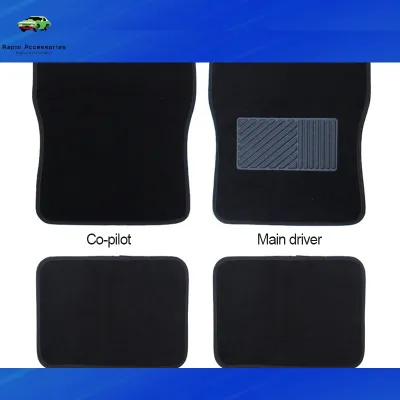
Prices are valid at publication and may change. Please refer to the product page for the latest price.
Proper alignment with factory floor retention clips is the most critical safety and functional dimension of any floor mat. Vehicles are equipped with factory-installed anchor posts or hooks designed to keep floor mats securely in place. A high-quality full-surround mat must feature matching retention eyelets that align perfectly with these factory anchors. Additionally, the underside of the mat must utilize an effective anti-slip backing—such as specialized hook-and-loop fibers or a textured, high-friction surface—to prevent the mat from sliding forward or bunching up under the pedals during daily driving.
How to Verify Brand Compatibility for Your Specific Car Model
To avoid the frustration of purchasing ill-fitting “semi-custom” or universal mats, you must thoroughly verify compatibility before making a purchase. Start by cross-referencing the manufacturer’s official fitment guide with your vehicle’s exact specifications. Do not rely solely on the model name; you must match the precise model year, chassis code, and trim level. Manufacturers frequently introduce mid-cycle facelifts or chassis updates that alter the floor pan geometry, meaning a mat designed for an earlier version of the same model may not fit a later release.

For drivers in Singapore, verifying right-hand drive (RHD) compatibility is an absolute necessity. Many international accessory brands design their products primarily for left-hand drive (LHD) markets. Because the footwells of RHD and LHD vehicles are asymmetrical—with the accelerator pedal, brake pedal, and dead pedal positions reversed—you cannot simply flip an LHD mat to fit an RHD vehicle. Always confirm that the brand offers a dedicated RHD mold specifically engineered for your vehicle’s market configuration to ensure the pedals operate without obstruction.
Powertrain variations within the same vehicle model can also impact floor pan layout. Hybrid and electric vehicle (EV) variants often have different floor geometries than their internal combustion engine (ICE) counterparts due to the placement of battery packs and electrical routing beneath the cabin floor. For instance, a hybrid model may feature a raised floor section under the rear seats or a slightly different front passenger footwell. Always check if the mat manufacturer distinguishes between ICE, hybrid, and EV configurations in their product listings to guarantee a flush, secure fit.
Material and Design Trade-offs Affecting Coverage
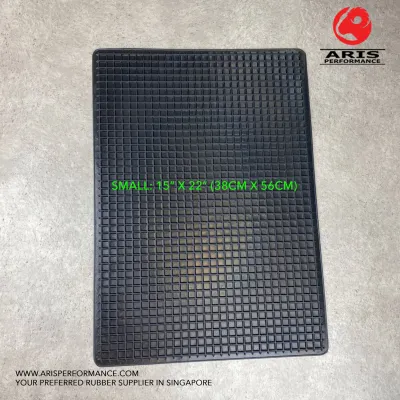
The materials used in full-surround mats directly influence their structural integrity, coverage, and long-term durability. Thermoplastic Elastomer (TPE) and Thermoplastic Rubber (TPR) are highly popular for their rigidity and resilience. These materials are pressure-formed or injection-molded to create a stiff, durable tray that retains its shape over years of use. TPE mats offer excellent liquid containment because their rigid edges do not sag. However, because TPE is relatively stiff, the mold must be exceptionally accurate; if there is even a minor manufacturing error, the rigid edges will flare out, creating gaps where dirt can accumulate.
In contrast, multi-layer leather or synthetic leather hybrids offer a more flexible construction and a premium cabin aesthetic. These mats typically feature a top layer of polyurethane (PU) leather with decorative stitching, a middle foam cushioning layer, and an anti-slip bottom layer. The flexibility of these materials allows them to conform more easily to minor variations in the floor pan, making them more forgiving of slight fitment discrepancies. However, flexible materials are more prone to sagging over time, especially along the high vertical walls of the center console, which can eventually expose the underlying carpet to wear and tear.
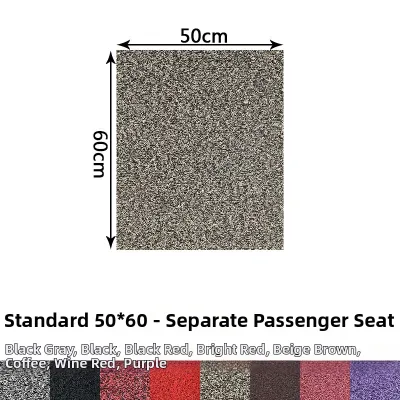
To balance protection and convenience, many premium full-surround mats utilize a multi-layer detachable design. These systems feature a durable base layer (either TPE or leather) combined with a removable top layer, such as a coiled vinyl loop mat. The top coil layer traps dirt, sand, and moisture, keeping them away from your shoes, while the base layer provides complete coverage. When cleaning is required, you can simply unclip and shake out the top coil layer without needing to remove the entire high-walled base mat, simplifying routine maintenance in wet or humid climates.
Decision Framework: Choosing the Right Full-Surround Mat
Selecting the ideal full-surround floor mat requires balancing your driving habits, maintenance preferences, and vehicle type. If you prioritize maximum durability, easy cleaning, and robust liquid containment, custom-molded TPE mats are the most practical choice. They are highly suited for drivers who frequently deal with wet weather, outdoor activities, or muddy shoes, as they can be easily removed and hosed down. When choosing TPE, ensure the manufacturer has a proven track record of precise 3D scanning for your exact vehicle model to avoid rigid edge flaring.
If you prefer a luxury aesthetic, enhanced underfoot comfort, and improved cabin noise dampening, a leather-and-coil hybrid mat is an excellent alternative. These mats complement premium interiors and provide a softer feel, though they require more careful maintenance to prevent moisture buildup in the stitching. This style is ideal for executive sedans or family SUVs where comfort is a priority, provided you are willing to vacuum and spot-clean the multi-layer materials regularly.
Before finalizing your purchase, inspect your vehicle for any aftermarket modifications or unique factory configurations that could interfere with a full-surround mat. If you have installed aftermarket audio equipment, under-seat amplifiers, fire extinguishers, or custom seat rails, these modifications will likely conflict with the high-wall design of custom mats. In such cases, you may need to trim the mats (if permitted by the manufacturer’s instructions) or opt for a lower-profile mat design to ensure a safe and flush installation.
Installation and Safety Checks After Purchase
Once your new full-surround mats arrive, performing a thorough safety and installation check is vital before driving. Begin by completely removing all existing floor mats from the vehicle; never stack new mats on top of old ones, as this raises the floor height and significantly increases the risk of pedal interference. Lay the new mats into the footwells and press them firmly into the contours of the floor pan, ensuring they sit completely flush against the carpet.
Next, perform a comprehensive pedal travel test with the vehicle’s engine turned off. Manually depress the accelerator, brake, and clutch pedals (if applicable) through their entire range of motion. Verify that no part of the pedal arm or footpad catches, rubs, or bunches against the edges of the mat. There must be a clear, unobstructed clearance zone around all moving pedals. If a high vertical wall sags or interferes with a pedal, do not drive the vehicle; contact the manufacturer for assistance or adjust the mat’s positioning.
Finally, secure the mat to the factory floor anchors and inspect the edges. Ensure the retention clips click firmly into place and that the mat cannot slide forward or rotate under pressure. Check the perimeter of the mat along the center console, door sills, and seat rails. If you notice any significant gaps, bubbling, or lifting, the mat may not be fully seated or may be the incorrect model for your vehicle. Properly installed mats should remain completely stationary, providing a secure foundation for your feet while protecting your vehicle’s interior.
Frequently Asked Questions (FAQ)
Do full-surround mats interfere with side airbags or seat adjustments?
High-quality full-surround mats are engineered to clear seat rails and mechanical adjustment tracks, but you must verify that they do not obstruct any safety or electronic components. Ensure the mat does not block under-seat ventilation ducts, electrical wiring harnesses, or side-impact airbag sensors located near the base of the seats. The edges of the mats must sit flush against the floor pan and should never pinch or restrict the movement of power seat motors or manual seat adjustment levers.
How do I clean deep grooves and high edges without removing the mats?
For routine maintenance, you can clean high-coverage mats while they remain in the vehicle by using a wet/dry vacuum to remove loose dirt, sand, and debris from the grooves. To clean spills or scuffs on the high vertical walls, use a soft-bristled detail brush or a microfiber cloth dampened with a mild, label-authorized interior cleaner. Avoid using harsh chemical solvents, bleach, or silicone-based dressings, as these can degrade TPE structures, strip protective coatings from leather, and leave the surface dangerously slippery.

Community discussion
Share your experience or ask a question. Comments are reviewed before publication.