
Evaluating full-surround car coil mats in Singapore requires looking beyond generic brand claims to analyze how a specific product interacts with your vehicle’s cabin geometry, your daily usage patterns, and your budget. Because cabin layouts vary significantly between a compact hatchback, a family SUV, and an electric vehicle, a mat that fits one model perfectly might cause safety hazards or aesthetic gaps in another. There is no single “best” brand for every driver; instead, the ideal choice depends on your specific vehicle model, your tolerance for edge gaps, and your budget. This guide provides a structured framework to help you independently assess and compare the fit, material quality, and overall value of the brands you encounter, ensuring you make a safe, durable, and cost-effective decision.
Understanding Full-Surround Coil Mat Construction and Quality
The material composition of a full-surround coil mat directly dictates its durability, safety, and comfort inside the cabin. Most full-surround mats consist of a dual-layer design: a bottom synthetic leather or polymer base that covers the floor walls, and a top loop-pile coil mat that traps dirt. When evaluating these materials, the primary polymer used is the most critical factor. Lower-cost options often utilize standard Polyvinyl Chloride (PVC) for both the coils and the base. While PVC is highly flexible and cost-effective, it is prone to off-gassing volatile organic compounds (VOCs) when exposed to high temperatures. In Singapore’s tropical climate, where cars parked under the sun can experience cabin temperatures exceeding 60 degrees Celsius, low-grade PVC mats can release a strong, unpleasant chemical odor and degrade rapidly over time.
For superior thermal stability and cabin air quality, look for mats utilizing Thermoplastic Elastomers (TPE) or high-grade Polyurethane (PU) polymers. TPE is highly resistant to UV radiation and extreme heat, ensuring the mat remains odorless and retains its structural shape without curling or cracking. Additionally, inspect the coil density and thickness. High-density coils feature tightly woven polymer strands that efficiently trap sand, mud, and rainwater, preventing debris from spilling onto the surrounding base. However, the coil layer should not be excessively thick; a thickness of 10mm to 15mm is generally optimal, providing sufficient cushioning without obstructing foot movement or pedal travel.
Products mentioned in this guide
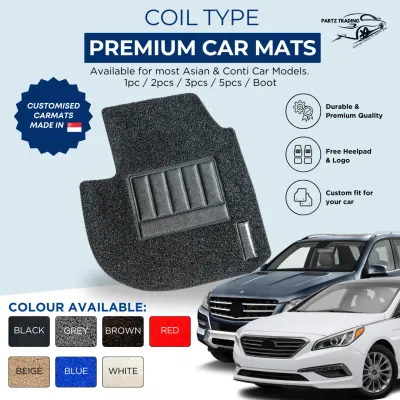
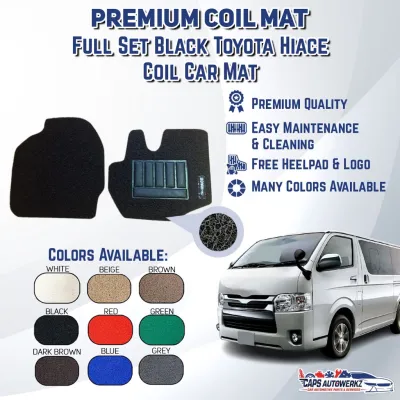
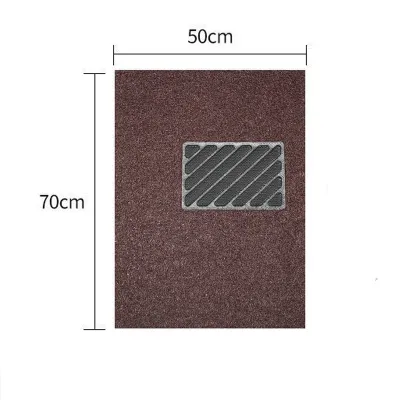
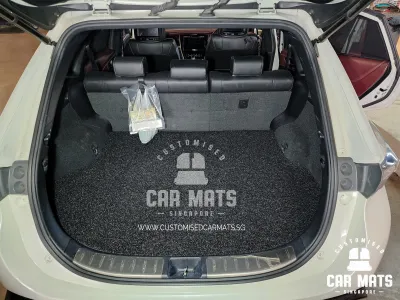
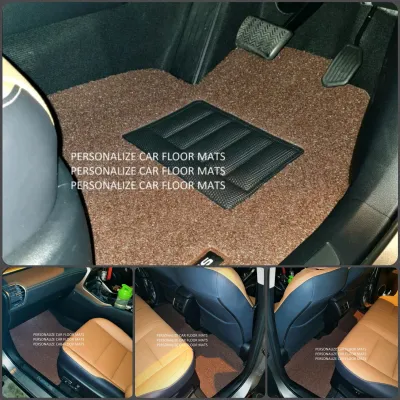
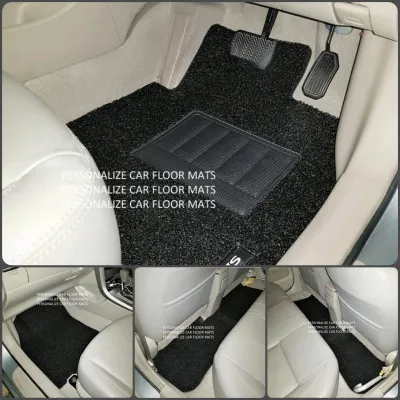
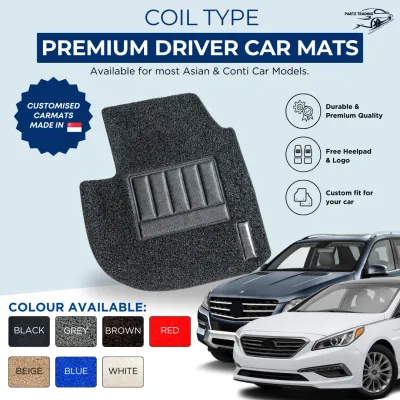
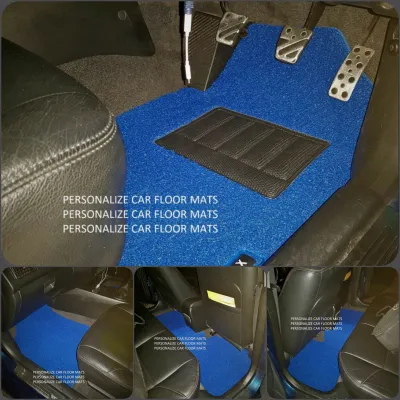
Prices are valid at publication and may change. Please refer to the product page for the latest price.
The backing material of the base layer is equally vital for safety and moisture control. High-quality mats feature a non-slip backing, such as max-grip nibs, hook-and-loop textures, or specialized anti-skid fabrics that lock onto the vehicle’s original carpet. Without a secure backing, the entire full-surround structure can shift during driving, leading to potential safety hazards. Furthermore, verify that the materials are water-resistant and non-porous. In Singapore’s humid environment, any trapped moisture that seeps through the mat to the underlying vehicle carpet can quickly lead to mold, mildew, and persistent musty odors that are difficult to eradicate.
Evaluating Fit and Coverage for Your Specific Vehicle
A “full-surround” claim is only as good as the physical measurements used to manufacture the mat. When shopping for these accessories, you will generally encounter two categories: custom-molded (often marketed as 3D, 5D, or 7D mats) and semi-universal trim-to-fit options. Custom-molded mats are designed using 3D laser scans of specific vehicle makes, models, and production years. These mats feature high vertical walls that precisely hug the contours of the footwell, transmission tunnel, and side panels, offering comprehensive protection against spills and dirt. Semi-universal options, by contrast, rely on generic templates that require manual trimming. While cheaper, they rarely provide complete coverage and often leave vulnerable gaps where dirt can accumulate.

Before purchasing any mat, you must verify critical clearances to ensure safe vehicle operation. The driver-side mat is the most critical area; it must never interfere with the full range of motion of the accelerator, brake, or clutch pedals. Check your vehicle’s original documentation to locate the factory floor anchor points. High-quality custom mats will feature integrated retention clips or holes that align perfectly with these factory anchors, locking the mat firmly in place. If a mat lacks these alignment points or relies solely on friction, it poses a severe risk of sliding forward and trapping the pedals.
Additionally, inspect the clearances around seat rails and center consoles. Mats with excessively thick side walls or poorly measured edges can obstruct the mechanical tracks of manually or electrically adjustable seats, leading to motor strain or physical damage to the seat mechanism. They can also block air conditioning vents located under the front seats. Because minor manufacturing variances can occur, always review the retailer’s return, exchange, or adjustment policies. Choosing a brand or retailer with a physical presence in Singapore allows you to perform an on-site fitment check before finalizing the purchase, ensuring any minor alignment issues can be corrected immediately by a professional installer.
Assessing Value, Pricing, and Purchasing Channels
The cost of full-surround coil mats in Singapore varies widely based on material quality, customization precision, and the purchasing channel. Basic universal or semi-custom coil mats typically range from S$50 to S$120. While budget-friendly, these options often compromise on material durability, odor resistance, and edge coverage. Premium, custom-molded full-surround systems generally range from S$150 to over S$350. This higher price point should reflect superior materials like TPE, precise laser-cut fitment, reinforced heel pads on the driver’s side, and robust warranty coverage.
When comparing prices, evaluate what is included in the quoted figure. Some premium packages include professional installation services, where technicians secure the mats using specialized clips and verify pedal clearances. Other packages may bundle a matching boot tray, additional anti-slip underlays, or replaceable heel plates made of metal or reinforced plastic to prevent premature wear under the driver’s heels. If these accessories must be purchased separately, a seemingly cheaper mat can quickly become more expensive than a comprehensive premium set.
The purchasing channel you choose also impacts the overall value and after-sales support. Buying directly from local brand showrooms or authorized automotive accessory shops in Singapore offers the highest level of security. You can physically inspect the material quality, verify the fitment on your specific car model, and access immediate warranty support if a clip breaks or a seam unravels. Conversely, purchasing from general online marketplaces or overseas e-commerce platforms often yields lower upfront costs but carries significant risks. If the mat arrives warped, has a strong chemical odor, or does not fit your vehicle’s specific model year, returning the bulky package overseas can be prohibitively expensive and time-consuming, wiping out any initial savings.
Decision Framework: Matching Brands to Your Priorities
To finalize your choice, align your purchase with your primary driving habits, vehicle ownership plans, and budget constraints. If you own a new or luxury vehicle, plan to keep it for several years, and prioritize a seamless, high-end aesthetic, invest in custom-molded premium brands. These mats offer the precise laser-cut fitment and high-quality, odorless TPE materials necessary to protect your vehicle’s interior while maintaining its resale value. The higher upfront cost is justified by the long-term durability and safety of integrated factory anchor clips.
If you operate a private-hire vehicle, drive a common model with high daily foot traffic, or plan to change cars in the near future, a reputable semi-custom or high-quality universal coil mat may be the more practical choice. In these scenarios, prioritize mats with thick, easily cleanable coils and robust, replaceable heel pads that can withstand constant friction. While you may sacrifice some edge coverage and aesthetic integration, the lower replacement cost makes it easier to swap out the mats when they become worn.
Regardless of your budget, always verify the level of local support available. Prioritize brands or retailers that offer a local warranty in Singapore, maintain a physical showroom for fitment checks, and provide responsive customer service. A reliable local contact ensures that any issues with fitment, broken retention clips, or premature material wear can be resolved quickly without disrupting your daily commute.
Frequently Asked Questions (FAQ)
How do I clean and maintain full-surround coil mats?
To prolong the lifespan and appearance of your full-surround coil mats, establish a routine cleaning schedule. For weekly maintenance, vacuum the surface thoroughly and shake out loose debris from the coil structure. For deeper cleans, remove the top coil layer and hose it down with clean water. Avoid using harsh chemical solvents, bleach, or high-pressure washers at close range, as these can degrade the polymer coils, weaken the adhesive backing, or damage the anti-slip layers. Always allow the mats to air dry completely in a well-ventilated, shaded area before reinstalling them; placing damp mats back into your vehicle will trap moisture, leading to mold growth and unpleasant odors.
Are full-surround coil mats safe for driving?
Yes, provided they are correctly installed and regularly inspected. The driver-side mat must be securely fastened using the vehicle’s factory retention clips or the manufacturer’s designated securing mechanisms to prevent any shifting. Before driving, always verify that the mat does not obstruct the full travel of the accelerator, brake, or clutch pedals. Regularly check the underside of the mat to ensure the anti-slip backing remains effective and that no dirt or moisture has compromised the grip. If you notice the mat shifting, curling at the edges, or interfering with the pedals in any way, stop using it immediately and consult the manufacturer or a qualified automotive professional for adjustments.

Community discussion
Share your experience or ask a question. Comments are reviewed before publication.