
Finding the right full-surround car coil mats in Singapore requires looking beyond generic marketing claims and focusing on precise vehicle fitment, material layers, and secure installation. True full-surround protection goes beyond standard flat mats by wrapping up the footwell walls, covering the dead pedal, and protecting the rear transmission hump from dirt, mud, and tropical rainwater. Because there are no universal standards for “full-surround” coverage, choosing the best option for your vehicle involves evaluating how different manufacturers design, measure, and construct their multi-layer mats to match your car’s exact floor contours.
Defining True Full-Surround Coverage in Coil Mats
To make an informed choice, you must first understand what constitutes genuine full-surround coverage. Standard flat mats only cover the flat horizontal surfaces of your car’s floor, leaving the vertical carpeted walls exposed to scuffs, dirt, and moisture. 3D molded mats offer raised edges, but they often stop short of covering the entire footwell. True full-surround mats are designed to climb up the sides of the footwell, covering the dead pedal on the driver’s side, the side panels along the center console, and the entire rear transmission hump.
These mats typically feature a multi-layer construction to balance comfort, containment, and structural integrity. The top layer consists of PVC coils that trap dirt, sand, and water, keeping them away from your shoes. Beneath this coil layer lies a structured, multi-layer base—often made of semi-rigid materials like ethylene-vinyl acetate (EVA) or thermoplastic elastomers (TPE)—which provides the vertical stiffness needed to keep the side walls upright. This base layer acts as a waterproof barrier, preventing spilled liquids from soaking into your car’s original carpeting.
Products mentioned in this guide
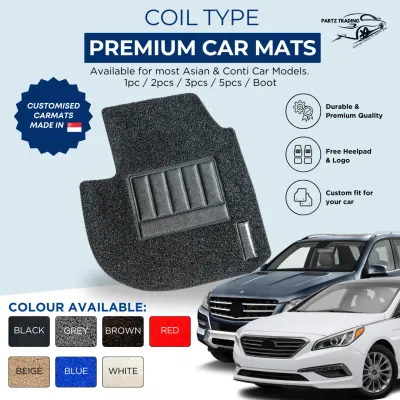
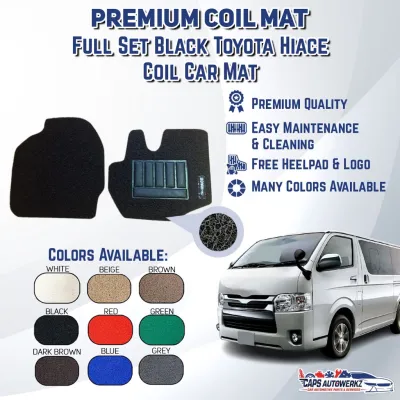
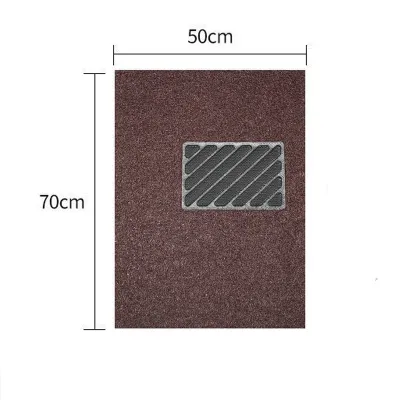
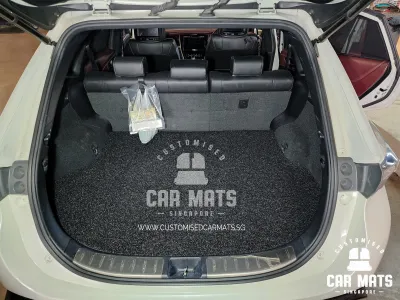
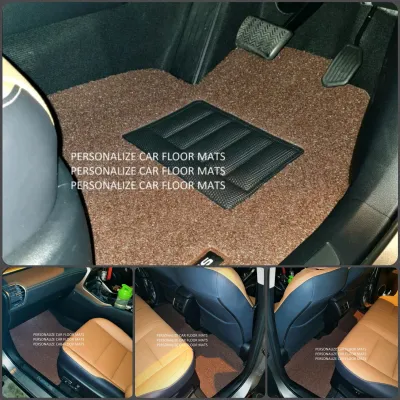
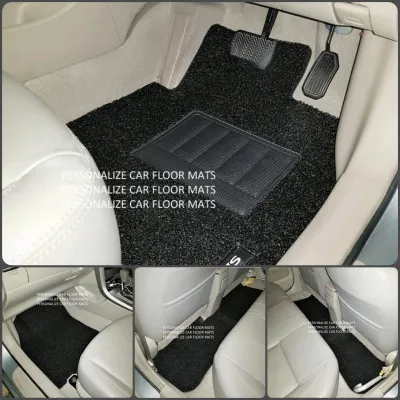
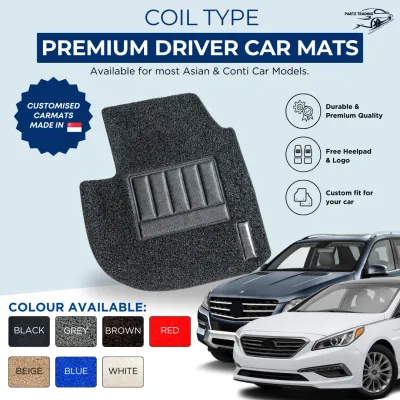
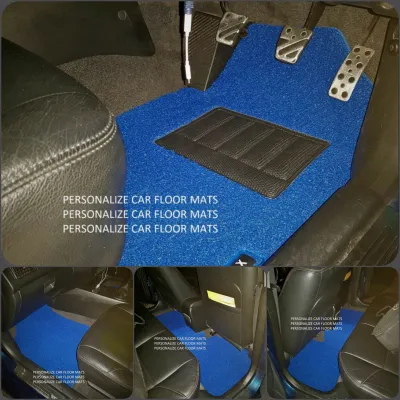
Prices are valid at publication and may change. Please refer to the product page for the latest price.
It is critical to recognize that full-surround coverage is entirely dependent on your specific vehicle’s interior geometry. A mat set designed for a compact sedan will not fit a mid-sized SUV or a multi-purpose vehicle (MPV), even if they are from the same manufacturer. Because car floors have unique contours, seat rail configurations, and pedal placements, full-surround mats must be engineered for your exact model, year, and trim level to provide the promised protection.
Key Dimensions to Compare Across Brands
When comparing different car coil mat options in Singapore, focusing on objective, observable design characteristics will help you identify high-quality products.

Fitment Precision
The method used to design the mats determines how flush they will sit against your car’s interior panels. Premium manufacturers typically use 3D laser scanning technology to map the vehicle’s footwell down to the millimeter. This ensures the mats hug the contours of the floor, clear the pedals safely, and do not interfere with seat tracks. Lower-cost alternatives often rely on manual measurements or generic templates, which can lead to loose sections, gaps where dirt can accumulate, or bunching near critical controls.
Edge Height and Rigidity
The effectiveness of a full-surround mat depends heavily on its vertical walls. Examine the height of the outer lip and the rigidity of the sidewalls. The walls must be stiff enough to stand upright without collapsing or folding inward over time. If the edges sag, they will fail to trap spills and may slide under the pedals or seat rails, creating safety hazards and allowing dirt to bypass the mat entirely.
Coil Density and Thickness
The PVC coil layer is your primary defense against trapped debris. Compare the density and thickness of the coils by checking the manufacturer’s specifications. High-density coils are tightly woven and resilient, resisting compression under your heels while effectively hiding dirt. Thinner, low-density coils tend to flatten quickly, reducing their ability to trap water and making them wear out prematurely in high-use areas like under the accelerator pedal.
Base Material Safety
Because Singapore’s tropical climate can cause cabin temperatures to soar when parked outdoors, the safety and stability of the base materials are paramount. Look for mats made from non-toxic, odorless materials that do not emit volatile organic compounds (VOCs) when exposed to high heat. Check product labels for certifications or material safety declarations, avoiding mats that use cheap adhesives or low-grade plastics that can warp, crack, or release chemical odors in the heat.
How to Verify Fitment and Coverage Before Buying
Before purchasing a set of full-surround coil mats, you should perform several checks to ensure they will fit your vehicle perfectly and operate safely.
First, verify your exact vehicle details against the manufacturer’s compatibility list. Do not rely on the model name alone; note the model year, chassis code, and trim level. This is especially important for hybrid, plug-in hybrid, or electric vehicle (EV) variants of popular models, as their battery packs often alter the floor pan shape, rear footwells, and under-seat clearance compared to their petrol-only counterparts.
Next, seek out real-world visual evidence of the mats installed in your specific car model. Look for detailed product photos, customer installation videos, or user-submitted images on online marketplaces and automotive forums. Pay close attention to how the mats fit around the driver’s footrest, the accelerator pedal assembly, and the front seat rails to ensure there are no visible gaps or tight spots.
You should also carefully review the seller’s return and exchange policies. Because full-surround mats are often custom-cut or molded for specific vehicle models, some retailers classify them as non-returnable custom orders. Ensure the seller offers a fitment guarantee or a clear return path if the mats arrive with manufacturing defects or fail to fit your car’s floor contours as advertised.
Finally, identify potential physical interference points in your car’s cabin. Check if your vehicle has under-seat air conditioning vents, motorized seat tracks, or floor-mounted audio components. Thick, multi-layer full-surround mats can block air vents or obstruct the path of power seats, potentially straining the seat motors or restricting passenger legroom adjustment.
Installation and Maintenance Considerations
The long-term performance and safety of your full-surround coil mats depend heavily on proper installation and regular maintenance.
Installing full-surround mats is more involved than simply dropping in standard flat mats. To achieve a clean, seamless look, you will often need to tuck the raised edges of the mats under the plastic trim panels along the door sills and center console. Many manufacturers provide specialized clips or hook-and-loop fasteners to secure the vertical walls to the car’s carpet. Take your time during this process to ensure the mats lie completely flat and do not bunch up anywhere in the footwell.
Cleaning multi-layer mats requires a systematic approach to maintain their appearance and hygiene. If your mats feature a detachable coil layer, unclip it from the base mat to shake out trapped sand and debris. You can wash the coil layer with a low-pressure hose and mild soap, allowing it to dry completely in a shaded, well-ventilated area before reinstallation. The structured base layer should be wiped down with a damp microfiber cloth; avoid soaking the base or using harsh chemical cleaners that could degrade the waterproof backing or adhesives.
The most critical safety requirement is securing the driver’s side mat. Never place a new full-surround mat on top of existing floor mats. The driver’s mat must be installed directly on the vehicle’s original carpet and securely locked into the factory floor retention clips. Unsecured mats can slide forward during driving, potentially trapping the accelerator or brake pedal and causing a serious accident. Regularly check that these clips are engaged and that the mat remains firmly anchored.
Frequently Asked Questions (FAQ)
Do full-surround coil mats interfere with side airbags or seat controls?
Properly designed full-surround mats should not interfere with your vehicle’s safety systems or seat adjustments. However, you must verify that the high edges of the mats do not cover side airbag sensors, which are often located near the base of the B-pillar or under the seats. Additionally, check that the mats do not block access to manual seat levers or motorized seat switches on the side of the seat base.
Can I install full-surround mats myself, or do I need a professional?
Most car owners can install full-surround mats themselves using the provided clips and fasteners. The process requires patience to tuck the edges neatly under the plastic trim panels for a flush fit. If your vehicle has complex floor layouts, delicate electronic components under the seats, or if you are uncomfortable working around seat rails, seeking professional installation from a local automotive accessory specialist can ensure a perfect, safe fit.
How do I prevent the coil layer from flattening over time?
To extend the lifespan of the PVC coil layer, avoid placing heavy, sharp, or concentrated loads on the same spot for extended periods. Drivers can use a heel pad—often pre-installed on the driver’s mat—to distribute pressure and prevent wear from footwear. When cleaning, avoid using high-pressure jet washers at close range, as the intense force can tear or loosen the coiled fibers, and never use harsh solvents that can break down the PVC material.

Community discussion
Share your experience or ask a question. Comments are reviewed before publication.