
When parking your vehicle under the intense Singapore sun, cabin temperatures can soar rapidly, turning your car into an oven. To keep your vehicle smelling pleasant without wasting money on products that evaporate in days, choosing the right car scent format is essential. Solid formats—such as ceramic, plaster, or treated wood diffusers—along with controlled-release vent clips, offer the highest physical stability and longevity in tropical conditions. In contrast, standard liquid diffusers and basic water-based gels tend to suffer from accelerated evaporation, structural breakdown, or leakage when exposed to extreme cabin heat. Finding the ideal option requires balancing scent longevity, ease of maintenance, and safety for your car’s interior surfaces.
How Tropical Heat and Humidity Change Car Scent Performance
Singapore’s equatorial climate presents a double challenge for any car scent: relentless high temperatures and high ambient humidity. When you park your car in an open-air surface lot or even on the top deck of an HDB multi-storey carpark, the glass windows create a pronounced greenhouse effect. Solar radiation penetrates the windshield and side windows, heating up the dashboard, steering wheel, and seats. Within an hour, the air trapped inside the cabin can reach temperatures far exceeding the outdoor ambient temperature. This intense heat directly impacts the volatile organic compounds that make up fragrances.
Elevated temperatures cause these molecules to vaporize at an accelerated rate, meaning a product designed to last for a month in temperate climates might be completely depleted in a matter of days. Humidity adds another layer of complexity to scent diffusion and material integrity. Singapore’s average relative humidity often hovers above 80 percent, which can saturate porous, untreated materials like standard cardboard hangers. When cardboard absorbs moisture from the air, it loses its structural rigidity, sometimes warping or sagging. Furthermore, high humidity can alter your olfactory perception, making heavy, syrupy scents feel cloying and oppressive inside a closed cabin. To combat these environmental stressors, a car scent must rely on a stable carrier medium that resists rapid thermal breakdown while regulating how the fragrance molecules are released into the air.
Products mentioned in this guide

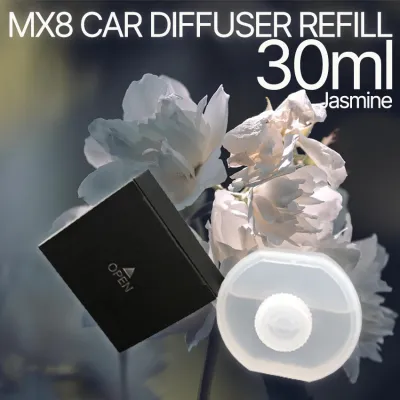
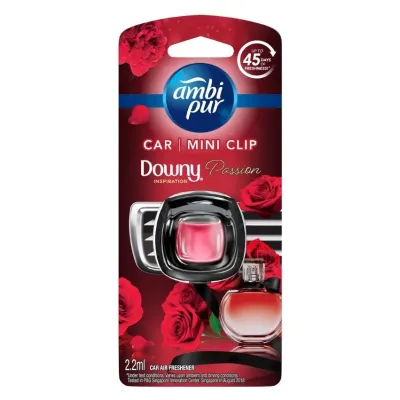
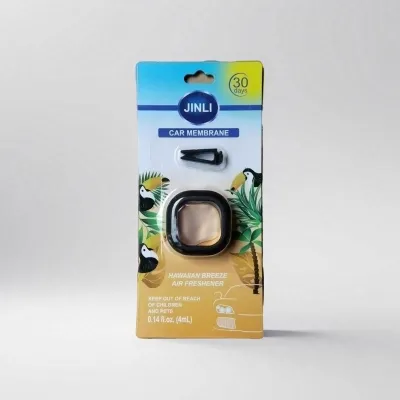

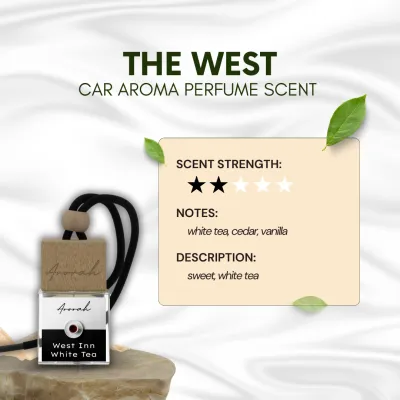
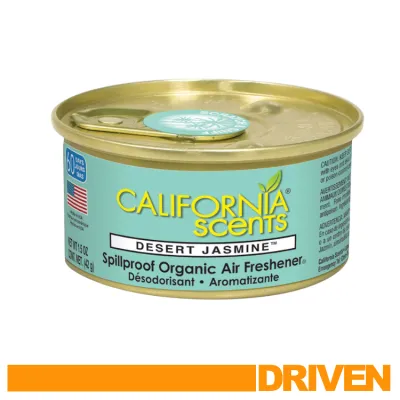
![[ARORAH] Natural Home Air Freshener | Long-Lasting Car Perfume | Car Freshener Perfume California Scents Alternatives](https://img.lazcdn.com/g/p/e882b222652dd73990d7dd2ee9796ee3.jpg_400x400q80.jpg_.webp)
Prices are valid at publication and may change. Please refer to the product page for the latest price.
Evaluating Car Scent Formats for Hot and Humid Conditions
Choosing the right format involves comparing how different mediums behave under physical stress. Each common design—from active vent attachments to passive solid blocks—interacts uniquely with your car’s climate control system and the surrounding air. To make an informed decision, you must evaluate these formats based on their heat resistance, spill risks, and overall longevity.

Vent Clips and Vent Sticks
Vent clips and sticks are designed to attach directly to your car’s air conditioning louvers, utilizing the air conditioning system’s airflow to distribute the scent. This mechanism makes them highly efficient when you are driving, as the cool AC air helps moderate the temperature of the scent housing and regulates the release of the fragrance. Many modern vent clips feature adjustable mechanical shutters or dials, allowing you to restrict or open the airflow path to control the intensity and preserve the life of the scent.
However, their performance shifts dramatically once you park the car and turn off the engine. When the cabin heats up, any exposed gel or liquid-soaked pad inside the vent clip remains subjected to high ambient heat. If your car is parked in direct sunlight, the heat radiating through the windshield can dry out the exposed scent insert prematurely. To maximize their lifespan, look for vent clips with robust, heat-resistant plastic housings and secure, closed refill cartridges that prevent the fragrance medium from being directly exposed to stagnant, hot air when the vehicle is stationary.
Gels and Canned Fresheners
Gels and canned air fresheners typically rely on a mixture of water, gelling agents, and emulsified fragrance oils to release their scent through natural evaporation. In a climate-controlled environment, these products provide a steady, subtle scent throw over several weeks. However, when placed in a hot car interior, the physical limits of water-based gels quickly become apparent. Extreme heat causes the water content to evaporate rapidly, leading the gel block to shrink, crack, and pull away from the sides of its container.
In some cases, cheaper gel formulations can lose their structural integrity entirely under high thermal stress, liquefying into a sticky residue. If the container is knocked over or placed on an uneven surface like a sloped dashboard, this liquefied gel can seep out of the ventilation lid. Before purchasing a gel-based product, check the manufacturer’s label for maximum operating temperature recommendations and safety warnings. Opting for high-quality, solid-gel formulas housed in sturdy, upright cans can mitigate some of these risks, though their lifespan will still be significantly shorter in the hot season compared to solid alternatives.
Liquid Diffusers and Hanging Bottles
Liquid-based car scents, including hanging glass bottles with wooden diffusers and dashboard-mounted liquid reservoirs, offer a very strong and immediate scent throw. They work by allowing the liquid fragrance oil to saturate a porous wood cap or wick, which then evaporates into the cabin. While popular for their aesthetic appeal and intense aroma, liquid formats carry the highest risk of damage in a tropical climate. As temperatures rise inside a parked vehicle, the air and liquid inside a sealed glass bottle expand. This thermal expansion can force the liquid out of the bottle’s neck or saturate the wooden cap to the point of dripping.
Spilled or dripping fragrance oils pose a severe threat to your car’s interior. These concentrated oils act as solvents that can permanently stain, bubble, or dissolve dashboard plastics, leather upholstery, and steering wheel covers. If you choose to use a liquid diffuser, it is critical to consult your vehicle’s care instructions and the product’s warning label before installation. Prioritize designs with secure, spill-proof mounting brackets, and avoid hanging bottles from the rearview mirror where a sudden stop or sharp turn could cause the bottle to swing, strike the windshield, or spill its contents onto the center console.
Solid Diffusers (Ceramic, Wood, and Plaster)
Solid diffusers represent the most physically stable and heat-resistant option for hot and humid climates. These formats utilize inert, porous materials like baked clay, ceramic, volcanic stone, or specially treated hardwood blocks that are pre-infused or manually dripped with fragrance oils. Because there is no liquid reservoir to expand and no gel to melt, solid carriers are entirely leak-proof and spill-proof, making them exceptionally safe for high-temperature cabins.
The trade-off for this safety is a more subtle, localized scent throw compared to volatile liquids or active vent clips. The fragrance from a solid diffuser tends to linger gently in the immediate vicinity rather than overpowering the entire cabin. To maintain the scent, you will need to periodically reapply a few drops of compatible essential or fragrance oils directly onto the carrier. Additionally, because Singapore’s high humidity can encourage moisture accumulation on porous surfaces, it is wise to inspect solid diffusers occasionally to ensure they remain dry and free from mold or mildew growth.
What to Look for in a Heat-Resistant Car Scent
When shopping for a car scent that can withstand Singapore’s demanding climate, look beyond the fragrance profile and closely examine the product’s structural features. A truly heat-resistant car scent should incorporate a controlled-release mechanism, such as adjustable sliding vents or a sealed membrane that allows fragrance molecules to pass through while keeping the liquid or gel securely contained. These membranes prevent bulk liquid movement even if the product is turned upside down or subjected to extreme thermal expansion.
Material quality is another critical factor. Look for products constructed from UV-stabilized plastics, aluminum, ceramic, or high-grade glass that will not warp, discolor, or degrade when exposed to sunlight and heat. Avoid cheap, thin plastics that can become brittle over time. Always read the product packaging to verify that the fragrance formulation is explicitly rated for automotive use. Automotive-grade scents are specifically formulated to minimize the use of highly volatile solvents that evaporate instantly in high heat. Finally, avoid any products that carry explicit warnings against storage in environments exceeding 40 or 50 degrees Celsius, as parked car cabins in Singapore can easily reach these thresholds on clear afternoons.
Safe Placement and Maintenance in a Hot Car
Proper placement is just as important as choosing the right format when it comes to maximizing the life of your car scent and protecting your vehicle. You should strictly avoid placing any air freshener directly on the top of the dashboard, where solar exposure is most intense and temperatures are highest. Furthermore, never mount or hang a scent product in a way that obstructs your line of sight or interferes with the deployment zones of your vehicle’s airbags. Consult your vehicle owner’s manual to identify where the passenger, side, and curtain airbags are located to ensure all paths remain completely clear.
Instead, seek out shaded, stable areas within the cabin. The lower section of the center console, cup holders, or door pockets are excellent spots for secured gel cans or solid diffusers. If you use a vent clip, attach it to a lower vent louvre that is shielded from direct sunlight by the steering wheel or dashboard overhang. For solid diffusers, placing them under the front seats can provide a subtle, rising scent while keeping the unit completely out of the sun.
Regular maintenance will also extend the product’s lifespan and prevent accidents. For hanging wood-cap bottles, limit the tilting action to a brief, single second only when the scent fades, rather than over-saturating the wood to the point of dripping. Make it a habit to inspect your car scent every few weeks during your routine car cleaning. Check for any signs of plastic warping, gel liquefaction, or oil seepage. If you notice any structural changes or residue, remove the product immediately and clean the area with a damp microfiber cloth to prevent surface damage.
Frequently Asked Questions (FAQ)
Can extreme heat cause car air fresheners to explode or catch fire?
Standard solid, gel, and passive liquid car air fresheners do not contain pressurized propellants and will not explode or ignite under normal cabin temperatures. However, pressurized aerosol cans—such as quick-fix odor eliminator sprays or sanitizing cans—pose a serious hazard. The propellant gas inside an aerosol can expands rapidly when exposed to high heat, which can exceed the structural limit of the metal canister and cause a violent rupture. You should never leave pressurized aerosol cans inside a parked vehicle in Singapore’s tropical climate.
Why does my car scent fade so quickly after parking in the sun?
When your car is parked in the sun, the extreme heat inside the cabin acts as a catalyst, dramatically accelerating the evaporation rate of the volatile oil compounds in your air freshener. This rapid evaporation depletes the fragrance reservoir much faster than the manufacturer’s estimated lifespan, which is often calculated under temperate conditions. To mitigate this, consider using adjustable vent clips that you can close when parking, or opt for solid diffusers where you can control the scent level by manually adding oil drops only when you are using the vehicle.

Community discussion
Share your experience or ask a question. Comments are reviewed before publication.