
Choosing a reliable dash cam is one of the most practical steps you can take to protect yourself on Singapore’s busy roads. Among the many brands available, a 70mai car camera is frequently highlighted for its balance of modern smart features and competitive pricing. However, determining whether it is the right choice compared to other brands requires looking closely at local regulatory compliance, installation safety, and thermal durability.
While 70mai offers a compelling feature-to-price ratio, Land Transport Authority (LTA) compliance is not a universal brand certification. Instead, compliance depends entirely on how a specific model is designed, where it is mounted, and how it is wired into your vehicle. Premium alternative brands often counter by offering specialized local warranties, dedicated physical service centers, and power systems engineered specifically for tropical climates.
Understanding LTA Compliance for Dash Cams in Singapore
To ensure your dash cam is fully compliant with local regulations, you must focus on physical placement and driver visibility. The LTA mandates that any aftermarket accessory mounted on your windshield must not obstruct your clear line of sight.
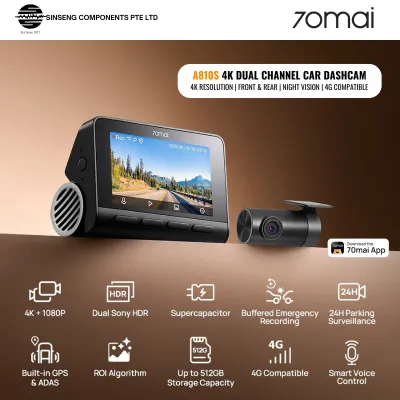
Products mentioned in this guide

![[NEW] 70mai M310 Plus 3K Front Dashcam Car Recorder QHD Resolution | Night Vision | Voice & Apps Control](https://img.lazcdn.com/g/p/6f89bbbfc161f2edfa1cdb7255587354.jpg_400x400q80.jpg_.webp)
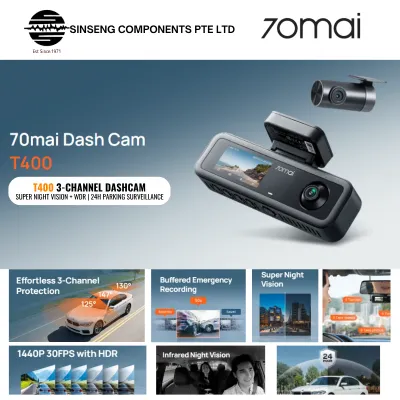
![[2026 NEW] 70mai A810 Lite Dashcam 4K Resolution + HDR | 4G Connectivity | Supercapacitor | Built-in GPS | Dual Recording](https://img.lazcdn.com/g/p/dde058960afcc39bbcd48d9d52298a3d.png_400x400q80.png_.webp)
![[NEW] 70mai A810S Dash Cam 4K Resolution + HDR | 4G Connectivity | Built-in GPS & ADAS | Dual SONY HDR | Supercapacitor](https://img.lazcdn.com/g/p/12b3e825bd363ef619248cedda0ec9fd.jpg_400x400q80.jpg_.webp)
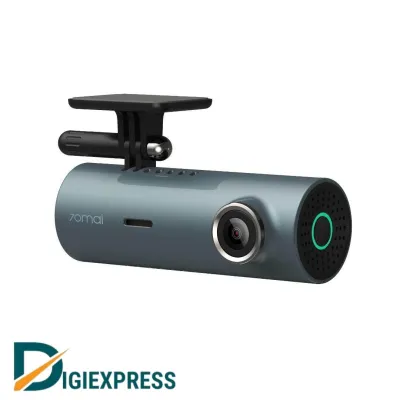
![[NEW] 70mai Omni X800 360° Dashcam 4K Resolution | 4G Connectivity | AI Motion Detection | Buffered Emergency Recording](https://img.lazcdn.com/g/p/809d6c6e1dd19fd39f20877b68d8e325.jpg_400x400q80.jpg_.webp)
Prices are valid at publication and may change. Please refer to the product page for the latest price.
The standard compliant mounting position is directly behind the rearview mirror. This placement keeps the camera within the swept area of your windshield wipers—ensuring clear footage during heavy downpours—while keeping it out of your direct field of view.
Before purchasing any 70mai car camera or alternative model, measure the physical dimensions of the unit. Some models with large built-in screens or bulky mounting brackets may protrude too far down, potentially violating visibility guidelines and causing issues during periodic vehicle inspections.
Electrical safety is another critical factor for compliance and overall vehicle integrity. Any wiring must be routed safely behind the vehicle’s trim panels without obstructing the deployment paths of side curtain airbags.
Because improper wiring can compromise your vehicle’s safety systems or void your manufacturer’s warranty, it is highly recommended to have your dash cam installed by a qualified professional. A certified installer can ensure the electrical load is safe and the physical placement meets all local road safety standards.
Comparing Video Quality and Night Vision Capabilities
When comparing a 70mai car camera to other brands, video resolution is often the most prominent specification you will encounter. While 4K resolution labels promise exceptional clarity, the real-world ability to capture legible license plates depends on several underlying technologies.

High resolution alone does not guarantee clear footage in low-light conditions, which is when many critical road incidents occur. For driving in Singapore at night, the camera’s ability to handle high-contrast lighting is far more important than raw pixel count.
Look for dash cams equipped with High Dynamic Range (HDR) or Wide Dynamic Range (WDR) capabilities. These technologies allow the sensor to balance extreme light differences, such as the glare from oncoming headlights or highly reflective license plates under bright streetlights.
Without effective HDR, a camera may produce overexposed, blurry images of license plates, rendering the footage useless for insurance claims. When evaluating different brands, check the technical specifications for the sensor model and the lens aperture.
A wider aperture, indicated by a lower f-number like f/1.8 or f/1.6, allows more light to reach the sensor. Comparing these hardware specifications directly will give you a much more accurate representation of night-time performance than relying solely on marketing claims.
Evaluating Parking Surveillance and Heat Resistance
Parking surveillance is a vital feature for monitoring your vehicle in Singapore’s crowded multi-storey and open-air car parks. To utilize parking mode, most dash cams require a dedicated hardwire kit connected directly to the vehicle’s fuse box.
This hardwire kit must feature a reliable low-voltage cutoff mechanism. This safety feature monitors your car battery’s voltage and automatically shuts off the dash cam if the battery drops below a safe threshold, preventing you from being stranded with a dead battery.
Before purchasing, verify that the hardwire kit’s voltage thresholds are fully compatible with your specific vehicle type. This is especially important for modern vehicles equipped with automatic start-stop systems or hybrid powertrains, which have unique electrical requirements.
The choice of internal power storage is another critical factor, particularly given Singapore’s intense tropical heat. Dash cams generally use either lithium-ion batteries or supercapacitors to save files and shut down safely when the vehicle is turned off.
Lithium-ion batteries are common in budget-friendly models but are highly sensitive to extreme temperatures. Prolonged exposure to a hot cabin parked under the sun can cause lithium batteries to degrade quickly, swell, or even fail.
Supercapacitors, which are standard in many premium alternative brands, do not store energy chemically and are far more resilient to high temperatures. When choosing a dash cam, check the manufacturer’s label for the rated operating temperature range to ensure it can withstand cabin temperatures that often exceed 60 degrees Celsius in open parking lots.
Assessing ADAS and Smart Driving Features
Many modern dash cams, including several 70mai models, come equipped with Advanced Driver Assistance Systems (ADAS). These systems provide real-time alerts such as lane departure warnings, forward collision alerts, and front vehicle start notifications.
While these features sound highly beneficial, their practical utility on Singapore’s dense and fast-paced roads can vary. Visual-based ADAS features rely entirely on the camera’s image processing and require highly precise calibration during installation.
If the camera is slightly misaligned, the system may generate frequent false alerts, which can quickly become a distraction. Drivers often find themselves disabling these alerts if the calibration is not perfectly suited to local driving conditions.
Some brands also offer GPS-based speed camera alerts. If you value this feature, verify whether the manufacturer provides regular, localized database updates to ensure the alerts remain accurate as Singapore’s traffic camera network evolves.
Ultimately, dash cam ADAS features should be viewed as supplementary conveniences. They are not a substitute for your vehicle’s built-in safety systems or your own active attention while driving.
Decision Framework: Choosing the Right Dash Cam
To select the most suitable dash cam for your needs, consider your budget, installation preferences, and how you plan to manage vehicle maintenance.
Choose 70mai if:
- You want a high feature-to-price ratio and appreciate modern smart features like seamless mobile app connectivity for quick video downloads.
- You are comfortable managing the installation process independently or working with an external workshop to mount the camera.
- You prefer a compact, discreet design that can easily be positioned behind your rearview mirror to maintain a clean, compliant windshield.
Choose established alternatives if:
- You prioritize maximum thermal durability and prefer a supercapacitor-powered system for long-term reliability when parking in unsheltered areas.
- You want the security of a comprehensive local warranty with dedicated physical service centers and customer support in Singapore.
- You prefer purchasing an all-in-one package that includes professional installation by technicians certified to work on your specific vehicle model.
Verify first if:
- Your vehicle's windshield features specialized solar tinting, acoustic glass, or built-in sensor housings that could obstruct the camera's view or limit mounting space.
- Your vehicle manufacturer's warranty terms restrict aftermarket electrical modifications or hardwiring to the fuse box.
- The specific dash cam model's physical dimensions and operating temperature limits align with your daily driving and parking habits.
Frequently Asked Questions (FAQ)
Do I need to declare my dash cam to LTA?
No, you do not need to declare or obtain prior approval from the Land Transport Authority (LTA) to install a standard dash cam in your private vehicle. However, you must ensure the installation strictly adheres to safety guidelines. The camera must be mounted in a position that does not obstruct your view of the road, and all wiring must be neatly concealed so it does not interfere with vehicle controls or safety systems. Failure to comply can result in your vehicle failing its periodic inspection.
Can 70mai dash cams withstand Singapore's parked car temperatures?
Many 70mai models are designed to operate within standard automotive temperature ranges, but durability depends heavily on whether the specific model uses a lithium-ion battery or a supercapacitor. Lithium-battery models are more susceptible to heat degradation over time when parked regularly in unsheltered areas. To ensure longevity, check the product label for its maximum operating temperature and consider parking in shaded or indoor car parks whenever possible, or opt for a supercapacitor-based model if thermal resilience is your primary concern.
Community discussion
Share your experience or ask a question. Comments are reviewed before publication.