
Operating a ride-hailing vehicle requires maintaining a clean, professional, and clutter-free cabin while staying fully prepared for unexpected situations on the road. A compact torch light is a highly practical tool for drivers, helping to locate items dropped by passengers under seats, perform quick exterior vehicle checks during rainy nights, or inspect tires before starting a shift. Because cabin storage is at a premium in popular ride-hailing models, drivers must select a lighting tool that delivers reliable performance without occupying valuable space. Choosing the right device involves understanding how different form factors, power sources, and mounting options fit into a compact automotive environment.
Key Selection Criteria for Space-Saving Torch Lights
When selecting a torch light for a compact cabin, physical dimensions should be your first consideration. Measure the intended storage spot—whether it is a narrow door pocket, a center console tray, or a small glove compartment—before purchasing. A torch light for a compact cabin should ideally measure under 12 centimeters in length and less than 3 centimeters in diameter, allowing it to slip into tight spaces without rolling around or blocking other essential items like charging cables or tissue packs. Weight is also a factor; a lightweight aluminum or composite light is easier to handle and less likely to cause damage if it slides around during transit.
Lumen output and beam distance must be balanced carefully against your daily driving needs. For interior cabin tasks, a high-intensity beam is often counterproductive, as extreme brightness reflects off windshields, mirrors, and leather upholstery, temporarily blinding the driver. A variable output model is highly practical: a low mode of 15 to 50 lumens is suitable for reading lost receipts or checking passenger seats, while a high mode of 300 to 500 lumens provides sufficient throw for inspecting tires or engine bays in dark multi-storey car parks. Look for a light that offers a wide flood beam for close-up work rather than a highly focused spot beam, which can create harsh hot spots and glare.
Products mentioned in this guide
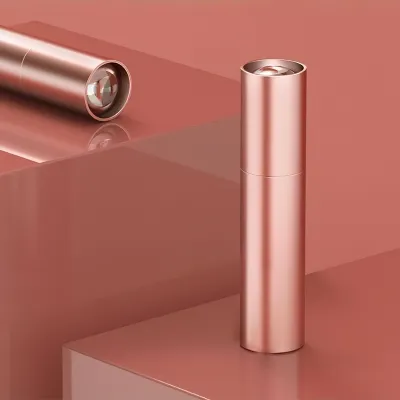
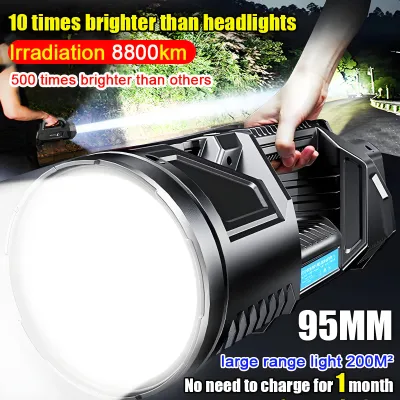
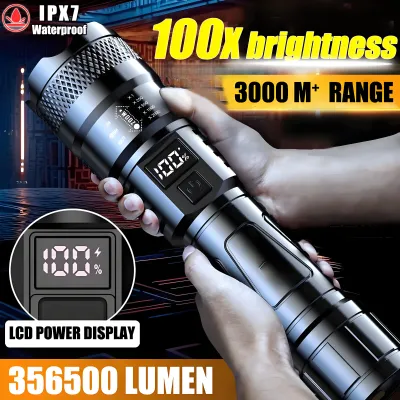
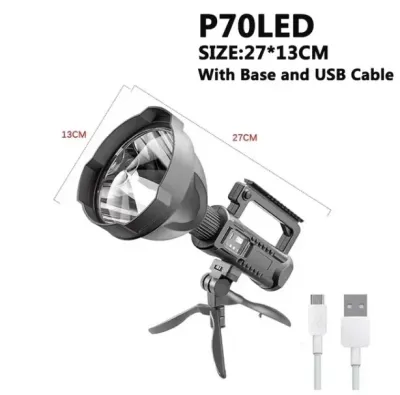
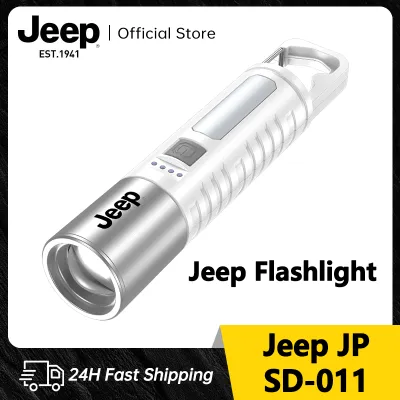
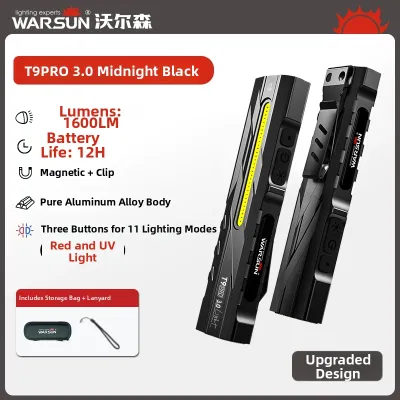
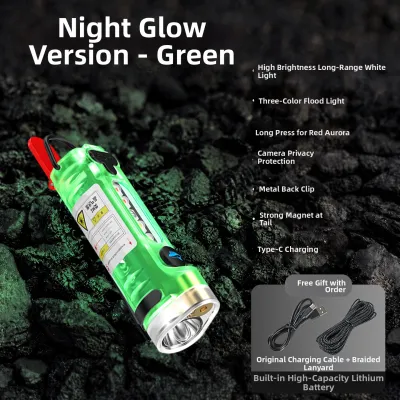
Prices are valid at publication and may change. Please refer to the product page for the latest price.
Build materials and overall durability determine how well the light survives the rigors of daily commercial driving. Look for anodized aluminum or high-impact polycarbonate casings that can withstand the vibrations of a moving vehicle and accidental drops onto concrete pavements or metal door sills. A textured grip or knurling prevents the light from slipping out of wet hands during a sudden tropical downpour. Additionally, check the water resistance rating; an IPX4 or higher rating ensures the light will continue to function even if you have to step out into heavy rain to assist a passenger or check a tire.
Matching Torch Light Form Factors to Daily Driving Tasks
Different driving scenarios demand distinct physical designs, and a single, bulky flashlight rarely fits all needs. Understanding how different form factors align with specific tasks helps drivers choose the most efficient tool for their vehicle. By matching the physical shape of the light to your primary operational challenges, you can maximize utility while minimizing the physical footprint in your cabin.

Magnetic Work Lights for Quick Exterior Checks
When inspecting a flat tire or checking under the hood at night, holding a flashlight limits your ability to work safely and efficiently. A magnetic work light solves this by attaching securely to the vehicle’s steel body panels or the underside of the hood. When selecting a magnetic model, verify that the magnet is strong enough to hold the light horizontally against vibrations and that the base features rubber or silicone padding to prevent scratching the car’s paintwork. Foldable, flexible, or telescopic designs are highly recommended, as they fold flat for easy storage in a door pocket and can direct light into awkward angles that standard flashlights cannot reach.
Penlights and Keychain Lights for Interior Details
For quick interior sweeps between passenger drop-offs, a penlight or keychain light is the least intrusive option. These ultra-compact tools can be kept in a pocket, clipped to a sun visor, or stored in a cup holder. Ensure the light features a sturdy pocket clip or a lanyard attachment to prevent it from slipping down the notorious seat gap next to the center console. When checking upholstery for stains or reading physical documents, a warm or neutral color temperature (around 4000K to 5000K) is preferable to harsh blue light, as it renders colors more accurately and reduces eye strain.
Headlamps for Hands-Free Nighttime Emergencies
For more serious roadside situations, such as changing a tire on a dark shoulder, a low-profile headlamp is invaluable. Look for models with adjustable, washable elastic straps that can be packed tightly into a small pouch or glovebox corner. A critical feature to verify is a dedicated red-light mode; red light preserves your night vision and prevents blinding oncoming traffic or passengers if you need to turn your head toward them while wearing the lamp. A headlamp ensures that both hands remain free to handle tools, jacks, or vehicle components safely.
Power Sources and Heat Tolerance for Parked Vehicles
The tropical climate presents a unique challenge for storing battery-powered devices in parked cars. Temperatures inside a vehicle parked under direct sunlight can easily exceed 60 degrees Celsius, which accelerates battery self-discharge and can damage internal components.
When choosing between built-in rechargeable lithium-ion batteries (typically charged via USB-C) and replaceable cells, drivers must weigh convenience against safety. USB-C rechargeable lights are convenient for charging directly from the car’s accessory port during a shift, but they must never be left on the dashboard or in direct sunlight. If opting for a rechargeable model, check the manufacturer’s specifications to ensure the storage temperature rating exceeds 60 degrees Celsius, and look for integrated battery level indicators so you are never left in the dark.
For backup lights stored long-term in the glovebox, high-quality lithium AA or AAA batteries are often safer and more stable under high temperatures than standard alkaline cells. Alkaline batteries are highly prone to leaking when exposed to prolonged heat, which can release corrosive chemicals that ruin the torch light’s internal contacts. If you choose a light that uses replaceable batteries, make it a habit to inspect the battery compartment every few months for signs of corrosion or leakage.
Secure Storage and Mounting Strategies for Compact Cabins
To maintain a professional environment that ensures passenger comfort and high service ratings, a torch light must have a designated, secure home. Loose items in the cabin can become dangerous projectiles during sudden braking or a collision, making proper storage a matter of safety as well as organization.
Utilize existing cabin features creatively to keep your light secure yet accessible. A sun visor organizer with elastic straps is a practical spot for a slim penlight, keeping it within arm’s reach without taking up console space. Alternatively, seatback pockets or dedicated center console dividers can keep larger magnetic lights upright and secure. If using aftermarket adhesive or magnetic mounts to attach a light to the dashboard or side panel, select high-quality, automotive-grade adhesives that can withstand cabin heat without melting or leaving a sticky residue on the plastic trim.
Crucially, drivers must check the vehicle’s airbag deployment zones before installing any mount or storing hard objects. Never place a torch light or its mount on or near the steering wheel hub, passenger-side dashboard, or side pillars where side-curtain airbags deploy. A hard metal object positioned in these zones can cause severe injury if the airbags inflate. Always consult your vehicle’s owner manual to identify the exact locations of all airbag modules before mounting any accessories.
Safety, Glare, and Compliance Checks Before Buying
Before finalizing a purchase, drivers must ensure their chosen lighting tool complies with safety standards and does not interfere with safe driving. Avoid torch lights that default to high-frequency strobe modes upon turning on, as accidental activation can distract you or blind oncoming motorists. A simple, intuitive interface that starts on a low or medium setting is much safer for automotive use.
When mounting a light within the cabin, verify that it does not obstruct your line of sight through the windshield or block your view of the side mirrors. Additionally, check the product packaging or manufacturer documentation for electrical safety certifications, such as CE or FCC markings, which indicate the device has been tested for electromagnetic interference and safe charging limits, ensuring it will not disrupt your vehicle’s sensitive electronic systems, radio reception, or GPS navigation.
Frequently Asked Questions (FAQ)
Can I leave a rechargeable torch light in my car during hot weather?
It is generally unsafe to leave rechargeable lithium-ion torch lights in direct sunlight or on the dashboard of a car parked in hot weather, as cabin temperatures can quickly exceed safe limits. Always check the manufacturer’s product label or user manual for the maximum storage temperature, which is typically around 50 to 60 degrees Celsius. If you notice any signs of battery swelling, casing deformation, or if the torch light feels unusually hot to the touch, stop using the device immediately and dispose of it safely at an e-waste recycling point.
How many lumens do I actually need for ride-hailing tasks?
For most ride-hailing tasks, a torch light with an adjustable output ranging from 15 to 300 lumens is suitable. Close-range interior tasks, such as searching for a passenger’s lost phone under the seat, require only 15 to 50 lumens of wide, diffused light to avoid harsh glare and reflections. Exterior tasks, such as inspecting tires or checking the engine bay, are best served by a focused beam of 150 to 300 lumens. Avoid excessively bright lights (over 1000 lumens) unless they feature a reliable step-down mode, as they generate high heat and can temporarily impair your night vision.

Community discussion
Share your experience or ask a question. Comments are reviewed before publication.