
Finding the ideal cup holder for car interiors requires balancing your vehicle’s physical layout with your daily driving habits. There is no single mounting style that works perfectly for every driver. The optimal choice depends entirely on the specific surfaces available in your vehicle—such as the texture of your dashboard, the rigidity of your air vents, or the presence of smooth glass—as well as how permanently you want to install the accessory.
To make an informed decision, you can evaluate your options using this quick decision framework:
- Choose a Clip-On Mount if: You want a tool-free, non-damaging installation that can be moved in seconds. This style works best if your vehicle has sturdy, rigid air vent louvers, thick dashboard lips, or accessible seat rails.
- Choose a Suction Cup Mount if: You prefer flexible placement and want to mount the holder on smooth glass, such as the windshield or side window, or on glossy, non-porous plastic panels. It is highly portable and ideal if you frequently change your seating position or swap the holder between different vehicles.
- Choose a Dashboard or Adhesive Mount if: You require maximum stability for heavy bottles and have a flat, hard, untextured surface where you can establish a permanent or semi-permanent setup. This is the most secure option for rough roads but requires careful placement.
- Verify your interior materials first: If your dashboard is wrapped in leather, synthetic vinyl, or soft-touch foam, strong adhesives or high-tension metal clips can cause irreversible cosmetic or structural damage. Always inspect the manufacturer's material guidelines for both your vehicle and the accessory before proceeding.
Clip-On Cup Holders: Finding the Right Cup Holder for Car Air Vents
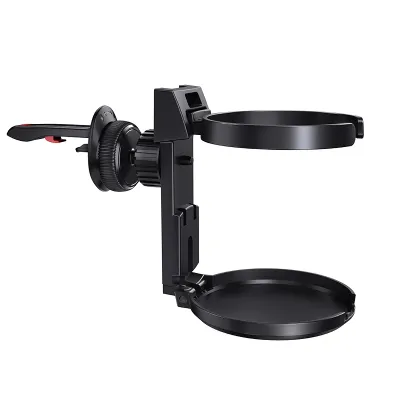
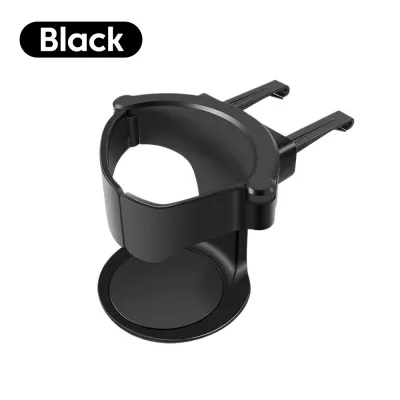
A clip-on cup holder for car vents or interior trim offers a highly accessible way to keep beverages within arm’s reach without altering your dashboard. These accessories rely on tension-based spring clips, padded clamps, or hook-and-latch mechanisms that grip onto horizontal or vertical air vent louvers, exposed dashboard lips, or seat rails. Because they do not use glues or vacuum seals, they can be installed and removed in seconds without leaving sticky residues behind.
Products mentioned in this guide
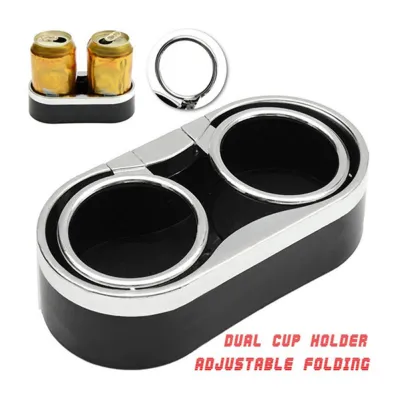
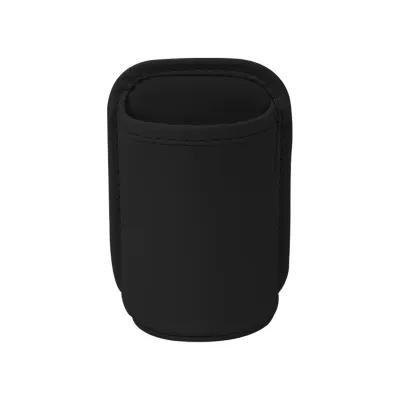
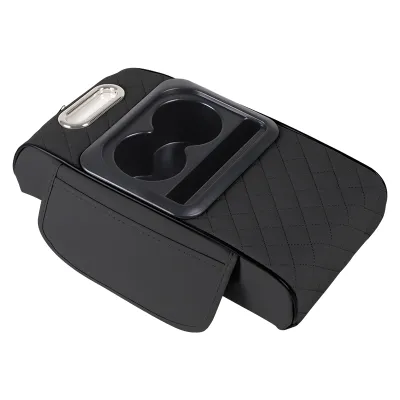
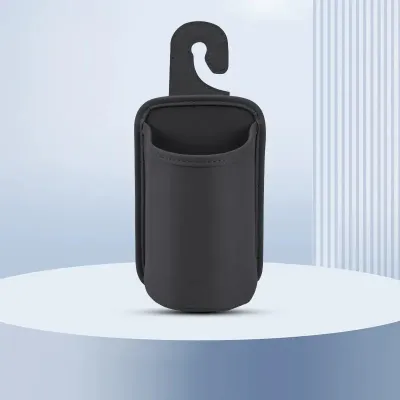
Prices are valid at publication and may change. Please refer to the product page for the latest price.
However, the stability of a clip-on mount is entirely dependent on the structural integrity of the surface it clings to. If your vehicle features ultra-thin, flexible vent blades or a highly contoured dashboard edge, a clip-on holder may wobble, tilt, or slide during sudden stops or sharp turns. The weight of a full beverage container acts as a lever, multiplying the force applied to these delicate plastic components.
In tropical climates like Singapore, where cabin air conditioning is essential for a comfortable drive, clipping a large cup holder directly to an active vent presents specific trade-offs. A wide bottle or insulated flask will inevitably block a significant portion of the airflow, reducing the cooling efficiency of your climate control system. Furthermore, cold drinks can cause condensation to form on the exterior of the holder, which may drip into the vent assembly and potentially affect electronic actuators or cause musty odors over time.
There is also a physical risk to your vehicle’s interior components. Fragile plastic vent louvers are designed to direct airflow, not to support several hundred grams of liquid. Overloading a clip-on holder can easily crack the louvers, bend the internal directional linkages, or scratch the decorative trim surrounding the vent. If you mount a clip-on holder to a thin dashboard edge, the high tension of the spring clamp can leave permanent indentations on soft-touch plastics.
Before purchasing a clip-on model, perform a quick physical verification of your vehicle’s interior:
- Measure the vent blade depth and spacing: Ensure the clip's maximum and minimum opening range matches the thickness of your vent louvers.
- Check louver rigidity: Gently press on the vent blades with your finger to determine if they flex easily or feel brittle.
- Inspect the surrounding clearance: Confirm that the holder, when fully loaded, will not interfere with windshield wiper stalks, indicator stalks, or touchscreen displays.
Suction Cup Cup Holders: Flexibility vs. Heat Sensitivity
Suction cup mounts provide an exceptionally flexible solution for drivers who want to customize their cabin layout without committing to a fixed location. These holders utilize a flexible rubber or silicone suction disc, often paired with a mechanical lever that pulls the center of the cup upward to create a powerful vacuum seal. They are designed to adhere to smooth, non-porous surfaces, most commonly the interior of the windshield, side windows, or glossy plastic trim pieces along the center console.

The primary advantage of a suction cup cup holder for car use is its high portability. You can easily reposition the mount to accommodate different passenger configurations, shift it out of your direct line of sight, or transfer it to another vehicle entirely. When removed correctly, a high-quality silicone suction cup leaves no permanent marks, adhesive residue, or structural damage, making it an excellent choice for leased vehicles or rental cars.
Despite their initial holding strength, suction cups are highly vulnerable to environmental factors, particularly temperature fluctuations. In regions with intense sunlight and high ambient temperatures, such as Singapore, a vehicle parked outdoors can experience extreme cabin heat. This intense heat causes the air trapped within the microscopic pockets of the suction seal to expand, while simultaneously softening the rubber or silicone disc. This combination frequently leads to a sudden loss of vacuum pressure, causing the holder—and any beverage inside it—to crash down onto the console or floorboard.
Furthermore, suction cup mounts are physically incapable of maintaining a seal on textured, matte, or soft-touch dashboard materials. Even a minor grain pattern or leather-like texture allows air to seep under the edge of the cup, preventing a vacuum from forming. While some manufacturers include adhesive-backed mounting disks to bridge this gap, these disks introduce the same adhesive risks associated with permanent mounts.
To ensure a reliable installation, use this verification checklist before mounting a suction cup holder:
- Confirm surface texture: Only install the suction cup on completely smooth, glossy surfaces like glass or polished acrylic panels.
- Assess thermal exposure: Avoid mounting heavy, oversized insulated thermoses on windshield-mounted suction cups if the vehicle is regularly parked in direct sunlight.
- Clean the interface: Ensure both the mounting surface and the silicone suction pad are completely free of dust, oils, and glass cleaner residues before engaging the vacuum lever.
Dashboard and Adhesive Cup Holders: Maximum Stability and Surface Risks
For drivers seeking a permanent, rock-solid beverage storage solution, dashboard and adhesive-mounted holders represent the most robust option available. These accessories typically utilize high-strength, double-sided automotive acrylic foam tape to form a semi-permanent bond with the vehicle’s interior. In heavy-duty or commercial applications, some holders may even feature pre-drilled holes for direct screw mounting into utility panels, center consoles, or door cards.
The outstanding benefit of an adhesive-backed cup holder for car dashboards is its structural rigidity. Once the adhesive cures fully, the holder effectively integrates into your vehicle’s interior trim, virtually eliminating the wobbling, vibration, and rattling common with clip-on or suction-based alternatives. This stability allows you to safely carry heavier bottles, large insulated mugs, or tall flasks without worrying about the mount collapsing under lateral forces during cornering.
However, this superior stability comes with significant trade-offs regarding interior preservation. The aggressive adhesives required to hold a heavy beverage securely can cause severe, irreversible damage to delicate cabin materials. If you attempt to peel an adhesive mount off a soft-touch foam dashboard, a synthetic leather wrap, or a vinyl-covered panel, you risk tearing the outer material, stretching the surface, or leaving behind a stubborn, unsightly residue that is incredibly difficult to clean without damaging the underlying finish.
Additionally, adhesive mounts require a flat or very precisely contoured surface to achieve a complete bond. If your dashboard features sweeping curves, sharp angles, or heavy texturing, the adhesive tape will not make full contact, drastically reducing its load-bearing capacity. Unlike suction cups, you cannot easily reposition an adhesive mount once it has been applied; attempting to move it usually destroys the adhesive pad, requiring a complete replacement of the tape.
To protect your vehicle’s interior while achieving a secure mount, follow these verification steps:
- Identify the surface material: Confirm whether the target mounting area is made of hard, unyielding plastic or a soft-touch, padded material. Avoid applying strong adhesives to leather, vinyl, or foam-backed surfaces.
- Test in a hidden area: If you must use an adhesive on a textured surface, apply a small, inconspicuous piece of the same adhesive tape to a hidden section of the lower console to check for discoloration or material damage upon removal.
- Check for flat contact: Ensure the base of the cup holder lies completely flat against the target surface without any gaps before peeling the protective backing off the adhesive.
Direct Comparison: Clip-On vs Suction Cup vs Adhesive Mounts
To help you visualize how these three popular mounting styles compare, the table below outlines their performance across key decision dimensions:
| Mounting Type | Best Surface | Stability Level | Ease of Removal | Risk to Interior |
|---|---|---|---|---|
| Clip-On | Rigid air vents, seat rails, dashboard lips | Moderate (prone to slight wobble) | Very High (seconds, tool-free) | Low (potential scratches if unpadded) |
| Suction Cup | Windshields, side windows, glossy panels | Moderate to High (surface dependent) | High (quick lever release) | Very Low (leaves no residue) |
| Dashboard/Adhesive | Flat, hard, untextured plastics | Very High (rock-solid bond) | Low (requires heat/solvent) | High (can tear soft-touch/leather) |
When choosing between these options, the primary trade-off lies between structural stability and interior preservation. Adhesive mounts deliver unmatched rigidity and are ideal for holding heavy, oversized drinks over rough terrain, but they carry a high risk of damaging premium dashboard materials. Conversely, clip-on and suction cup mounts offer excellent portability and zero risk of chemical adhesive damage, but they are more susceptible to vibrations, temperature shifts, and physical weight limitations.
It is also important to note that the overall weight capacity of your setup is not determined solely by the mounting mechanism. The structural design of the cup holder itself—specifically the strength of its support arms, the rigidity of its adjustment hinges, and the quality of its plastic or metal construction—plays a critical role. A highly secure adhesive base will still fail to perform if the plastic arm holding the cup is thin, flexible, or prone to cracking under load. Always consider the build quality of the entire accessory, rather than focusing exclusively on how it attaches to your car.
Installation and Safety Rules for Any Cup Holder Mount
Proper installation and ongoing maintenance are vital to ensure your cup holder for car use remains secure without compromising road safety. Regardless of the mounting style you select, taking the time to prepare the surface and position the accessory correctly will prevent unexpected failures while you are driving.
Vehicle Compatibility and Verification Before purchasing or installing any aftermarket accessory, always verify your specific vehicle model, year, interface dimensions, and mounting position using the product’s official documentation and your car’s owner’s manual. Never assume a generic cup holder for car interiors will fit your vehicle based solely on a category term or broad compatibility claim. Additionally, ensure that your chosen mounting position complies with local road safety regulations and does not compromise the vehicle’s structural integrity or driver visibility.
Surface Preparation and Cleaning Before attaching any mount, the target surface must be thoroughly cleaned to remove dust, grease, fingerprint oils, and interior detailing sprays. When preparing the surface, describe and use only label-authorized cleaners for your specific interior materials. While isopropyl alcohol is highly effective for cleaning hard, non-porous plastics, glass, or metals to ensure a strong adhesive or suction bond, it must never be used on genuine leather, synthetic leather, soft-touch plastics, or sensitive electronic screens. A material name alone does not prove a cleaner is safe; check your vehicle’s care instructions and the cleaner’s label to prevent permanent chemical damage, stripping of protective coatings, or discoloration of your vehicle’s interior trim.
Safe Placement Zones Your cup holder must never interfere with the safe operation of your vehicle. Strictly avoid placing any mount within the deployment zones of your vehicle’s airbags, which are typically located in the steering wheel, passenger dashboard, side pillars, and seat bolsters. Consult your vehicle’s owner’s manual to identify these exact zones. Additionally, ensure the holder does not obstruct your forward visibility, block your view of the side mirrors, or impede your physical access to critical controls like the gear shifter, indicator stalks, or hazard light button. Never position a holder where a dislodged bottle could fall and roll into the driver’s footwell, potentially wedging itself behind or beneath the brake or accelerator pedals.
Weight and Leverage Management Every cup holder has a physical weight limit determined by its mounting type and structural design. Always check the manufacturer’s documentation for the maximum weight rating and adhere to it strictly. Keep in mind that tall, top-heavy bottles create significantly more leverage than short, wide cans. This leverage exerts extra pulling force on suction cups and adhesives, and extra bending force on vent clips. If you frequently carry heavy, insulated stainless steel flasks, prioritize a low-profile mount positioned close to a solid support surface to minimize this leverage effect.
Routine Maintenance and Inspections Vehicle interiors are harsh environments subject to constant vibrations, humidity, and extreme temperature shifts. To prevent sudden failures, establish a habit of inspecting your cup holder mount periodically. For clip-on models, check that the tension springs or screw clamps have not loosened over time. For suction cups, release the lever, clean the silicone pad, and re-seat the mount every few weeks, particularly after your car has been parked in direct sunlight. For adhesive mounts, inspect the edges of the tape for any signs of lifting, peeling, or softening, and replace the adhesive pad immediately if you notice any loss of adhesion.
Frequently Asked Questions (FAQ)
Will adhesive cup holders ruin a soft-touch dashboard?
Yes, high-strength automotive adhesives can easily damage or ruin a soft-touch dashboard. These dashboards feature a thin, flexible outer layer of vinyl, polyurethane, or synthetic leather backed by a soft foam core. The chemical bond formed by acrylic foam tapes is often stronger than the internal cohesive strength of the soft-touch foam. When you attempt to remove the holder, the adhesive can tear the outer skin away from the foam, stretch the material permanently, or leave behind a sticky chemical residue that cannot be dissolved without using solvents that melt the dashboard’s finish. If you have a soft-touch dashboard, it is highly recommended to avoid direct adhesive mounts. Instead, opt for a clip-on holder, a suction cup mounted to the windshield, or use a specialized suction cup dashboard disk that relies on a gentle silicone gel pad rather than permanent chemical glues.
How do I stop a suction cup cup holder from falling off in the heat?
To prevent a suction cup mount from falling off during hot weather, start by thoroughly cleaning both the mounting surface and the silicone suction pad with isopropyl alcohol to remove all invisible oil films. Once dry, apply a microscopic film of moisture or a tiny smear of petroleum jelly around the outer rim of the suction cup before pressing it firmly against the surface and engaging the lock lever; this helps create an airtight barrier that blocks slow air leaks. Additionally, try to avoid mounting the suction cup directly in the path of concentrated sunlight on your windshield. If possible, place the mount on a shaded side window or a glossy section of the center console. Finally, remember that extreme cabin temperatures will eventually degrade any vacuum seal over time, so it is best to release and re-secure the suction cup periodically before it fails spontaneously.
Community discussion
Share your experience or ask a question. Comments are reviewed before publication.