
Choosing between a clip-on and an adhesive sunglasses holder for your vehicle comes down to a fundamental trade-off between installation flexibility and interior preservation. Neither mounting method is universally superior; the right choice depends entirely on your vehicle’s interior geometry, dashboard materials, and how you prioritize residue-free installation versus placement flexibility. Clip-on mounts excel on sturdy sun visors and hard plastic vents, offering residue-free removal, while adhesive mounts provide customizable reach on flat surfaces but carry higher risks for soft-touch or premium interiors. Evaluating your car’s specific cabin layout and your daily driving habits will help you determine which mechanism provides the best balance of security and convenience.
How Clip-On and Adhesive Mounts Actually Work
To make an informed decision, it is essential to understand the physical mechanisms and structural requirements of both mounting types. Clip-on designs rely on physical spring tension or mechanical clasps to stay in place. These holders require a pre-existing structural edge, such as a sun visor lip, an air vent slat, or an overhead grab handle, to grip securely. Because they depend on mechanical clamping force, their stability is directly tied to the rigidity and thickness of the vehicle component they are attached to.
In contrast, adhesive designs utilize double-sided acrylic or foam-based tapes to bond directly to a surface. These mounts do not require any structural edges or lips; instead, they need a flat, clean, and non-porous surface area to establish a secure chemical and physical bond. The adhesive backing conforms to the micro-textures of the dashboard, distributing the weight of the holder and the eyewear across the entire contact patch.
Products mentioned in this guide
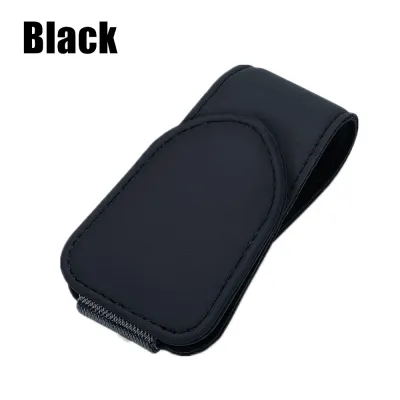
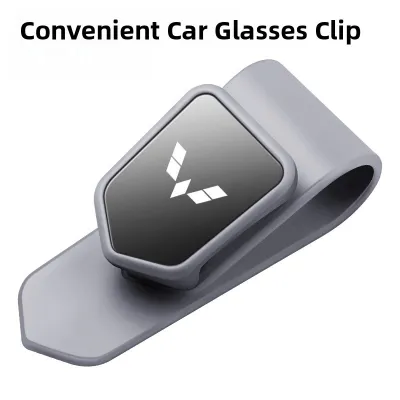

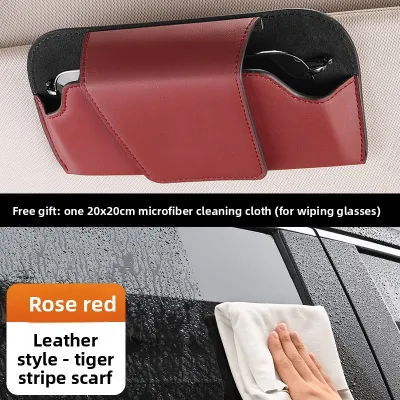
Prices are valid at publication and may change. Please refer to the product page for the latest price.
Ultimately, compatibility is dictated by your specific vehicle’s interior architecture rather than the holder’s standalone build quality. A premium clip-on mount will fail if your air vents are too fragile, just as a high-grade adhesive mount will fail to stick to heavily textured, oily, or curved dashboard panels.
Security and Vibration Resistance on the Road
When driving over uneven road surfaces, speed bumps, or during sudden braking maneuvers, your sunglasses holder must withstand significant kinetic forces. The security of a clip-on mount depends heavily on the grip strength of its spring mechanism and the structural integrity of the mounting point. While a tight clip on a sturdy sun visor remains highly secure, mounting a heavy clip-on holder to thin air vent slats can cause the vents to droop or, in worse cases, snap under the combined weight of the holder and the eyewear.

Adhesive mounts offer a different set of stability characteristics. Their security is determined by the total bonding surface area and the adhesive’s resistance to environmental factors. In regions with high humidity or intense cabin temperature fluctuations, standard adhesives can soften, leading to gradual sliding or complete failure of the bond. If the adhesive backing is too small or the dashboard surface is uneven, the constant vibrations of daily driving can slowly peel the mount away from the dashboard.
Before purchasing either style, you should verify the manufacturer’s stated weight capacity against the actual weight of your sunglasses. This is particularly critical if you wear heavy polarized sunglasses, sports eyewear with thick frames, or models with glass lenses. A holder designed only for lightweight wire-frame glasses may sag, slip, or detach entirely when loaded with heavier eyewear.
Dashboard Protection and Surface Compatibility
Preserving the cosmetic appearance and structural integrity of your vehicle’s cabin is a primary concern when installing aftermarket accessories. Adhesive mounts carry distinct risks for premium or delicate interior materials. The chemical solvents in double-sided tapes can react negatively with soft-touch paint coatings, genuine leather, synthetic leather, or suede dashboard wraps. Over time, heat exposure can cause the adhesive to bond permanently with these sensitive materials, leading to unsightly residue, discoloration, or even tearing of the surface material when you attempt to remove the mount.
Clip-on mounts present a different set of cosmetic risks. Hard plastic or metal clasps can leave micro-scratches on polished plastic trim or tear delicate fabric and leather coverings on sun visors. Furthermore, leaving a high-tension clip attached to a padded sun visor or a flexible air vent louver for extended periods can cause permanent physical deformation, leaving a lasting indentation or a loose, rattling vent slat even after the holder is removed.
To mitigate these risks, always consult your vehicle owner’s manual regarding the use of aftermarket adhesives or clip-on accessories on specific interior surfaces. If you decide to use a clip-on mount, it is wise to test the clip tension on a hidden, non-critical area of the visor or trim first to ensure it does not leave a permanent mark or crush the underlying padding.
Daily Accessibility and Driving Ergonomics
The primary safety benefit of a dedicated sunglasses holder is keeping your eyewear within easy reach so you do not fumble through the glovebox or center console while driving. One-handed operation is a key factor in driving ergonomics. Clip-on mounts on the sun visor often require you to reach upward, which can temporarily block your line of sight. Depending on the mechanical resistance of the spring clip, pulling the glasses out or clipping them back in might require two hands to prevent the entire visor from swinging down.
Adhesive mounts offer superior placement flexibility, allowing you to position the holder exactly where your hand naturally falls, such as next to the center console or below the infotainment screen. Many adhesive holders utilize magnetic closures or simple friction-fit slots, which typically require less pull-force to operate than heavy-duty spring clips. This makes one-handed retrieval much smoother and less distracting during active driving.
However, when choosing a custom location for an adhesive mount, you must ensure the placement does not obstruct your view of the road, block critical instrument clusters, or interfere with airbag deployment zones. Additionally, placing the holder too high on the dashboard can expose your sunglasses to direct sunlight, creating distracting glare off the lenses or frames while you are trying to focus on the road ahead.
Decision Framework: Which Mount Fits Your Vehicle?
To help you finalize your choice, consider the specific conditions of your vehicle’s cabin and your personal usage patterns. The following guidelines outline when each mounting style is most appropriate.
Choose a clip-on mount if your vehicle features sturdy, thick sun visors or robust, thick-slatted air vents. This option is ideal if you frequently switch between different vehicles, such as rental cars or family vehicles, and require a highly portable, zero-residue storage solution that can be uninstalled in seconds.
Choose an adhesive mount if your dashboard has a flat, hard-plastic, metal, or glass section within comfortable arm’s reach. This style is best if you prefer a customized ergonomic placement, want to keep your sun visors completely clear, or if your vehicle’s visors are too thin, fragile, or heavily padded to support a mechanical clamp.
Verify your materials first if your dashboard or visors are wrapped in premium leather, Alcantara, or soft-touch foam. In these luxury cabins, both high-tension clips and chemical adhesives can cause irreversible physical or cosmetic damage, meaning alternative storage solutions like center console organizers or glovebox trays may be safer.
| Feature | Clip-On Mount | Adhesive Mount |
|---|---|---|
| Primary Mounting Point | Sun visors, air vent slats, grab handles | Flat dashboard panels, console sides |
| Surface Requirements | Rigid structural edge or lip | Flat, clean, non-porous surface |
| Installation Damage Risk | Low (potential indentations or scratches) | Moderate to High (residue, peeling, chemical reactions) |
| Portability | High (easily moved between vehicles) | Low (semi-permanent, requires new adhesive to reinstall) |
| Best For | Shared vehicles, leased cars, fabric visors | Custom ergonomic placement, hard plastic dashboards |
Safe Installation and Removal Guidelines
Proper installation and removal techniques are critical to preventing accidental damage to your vehicle’s interior surfaces. If you choose an adhesive mount, preparation is key to ensuring a secure bond. Begin by cleaning the target area thoroughly with isopropyl alcohol to remove any dust, dashboard protectants, or natural skin oils. Allow the surface to dry completely before applying the adhesive. Once applied, press the mount firmly against the surface for at least thirty seconds, and observe the manufacturer’s recommended curing time—often up to twenty-four hours—before hanging any weight on the holder.
When it comes time to remove an adhesive mount, never pull or pry it straight off the dashboard, as this can tear the underlying material. Instead, use a hair dryer on a low, gentle heat setting to soften the adhesive backing. Once warmed, slide a piece of dental floss or non-abrasive fishing line behind the mount and use a sawing motion to slice through the softened foam tape. If you notice the dashboard surface coating beginning to lift or bubble at any point during this process, stop immediately.
For clip-on mounts, you can prevent cosmetic wear by adding a thin layer of microfiber padding or felt tape to the inside of the metal or hard plastic clasps. This simple modification cushions the grip and prevents the clip from scratching plastic trim or scuffing delicate visor fabrics during daily use.
If you encounter stubborn adhesive residue that has bonded to sensitive digital displays, clear plastic instrument covers, or highly textured dashboard panels, do not use harsh chemical solvents or abrasive scrubbers. Stop and consult a professional automotive detailer to safely clean the area without causing permanent clouding or scratches.
Frequently Asked Questions (FAQ)
Can I mount an adhesive holder on a leather dashboard?
It is highly discouraged to mount standard adhesive holders directly onto a genuine or synthetic leather dashboard. The chemical solvents in automotive adhesives can strip the protective topcoat of the leather, leading to permanent discoloration, cracking, or peeling when the mount is eventually removed. Additionally, the weight of the holder can stretch and deform the leather over time. If your vehicle has a leather-wrapped dashboard, it is much safer to use a clip-on holder on the sun visor or utilize a dedicated, non-adhesive friction pad designed specifically for leather surfaces.
Will the heat inside a parked car weaken the adhesive?
Yes, extreme cabin temperatures can significantly weaken standard double-sided adhesives. When a car is parked in direct sunlight, interior temperatures can rise rapidly, causing the adhesive polymers to soften and lose their shear strength. This can result in the holder sliding down the dashboard or falling off entirely. To prevent this, look for holders that specify the use of high-temperature acrylic foam tapes, and try to avoid mounting the holder in areas of the dashboard that receive continuous, direct sunlight through the windshield.
Are magnetic sunglasses holders safe for polarized lenses?
Yes, the standard magnets used in automotive sunglasses holders are completely safe for polarized lenses. Polarized lenses utilize a physical chemical film laminated within or onto the lens to block horizontal light waves, which is entirely unaffected by static magnetic fields. However, you must still exercise caution when using magnetic mounts. If your sunglasses have metal frames, ensure that the magnetic contact point is clean and that you do not drag the frames across the mount during detachment, as physical friction can still scratch the lens coatings or the frame finish.
Community discussion
Share your experience or ask a question. Comments are reviewed before publication.