
Finding a secure spot for your morning coffee or afternoon bubble tea in a modern vehicle can be surprisingly frustrating. While many vehicles come equipped with factory-installed storage, these spaces are often too shallow, poorly positioned, or entirely blocked by other dashboard accessories. Choosing the right aftermarket cup holder for car interiors requires balancing daily convenience with physical compatibility. The ideal mounting style—whether clip-on, suction, or console-insert—is dictated entirely by your car’s specific dashboard materials, vent structures, and the weight of your preferred beverages.
Quick Diagnostic: Match Your Dashboard to the Right Cup Holder
To avoid the frustration of a sagging mount or a spilled drink, you must match the physical characteristics of your car’s cabin with the mechanical requirements of the cup holder. Different mounting styles rely on entirely different physical principles to stay secure.
- Clip-On Holders: These rely on mechanical tension and are best suited for sturdy, horizontal air vent louvers or rigid dashboard edges. They keep your beverage within arm's reach and are excellent for lightweight, standard-sized cans or small cups.
- Suction Holders: These utilize a vacuum seal and work exceptionally well on smooth, non-porous surfaces such as the windshield or glossy, hard-plastic dashboard panels. They offer highly adjustable positioning but require a completely flat surface to maintain their grip.
- Console-Insert and Gap-Filler Holders: These drop directly into your vehicle's existing, shallow cup holder holes or wedge securely into the gap between the front seats and the center console. Because they rest on solid structural components, they provide the highest weight capacity and stability for heavy, insulated tumblers.
Ultimately, the “best” holder is entirely dependent on your vehicle’s specific dashboard layout and surface materials, rather than just the aesthetic design of the accessory itself.
Products mentioned in this guide
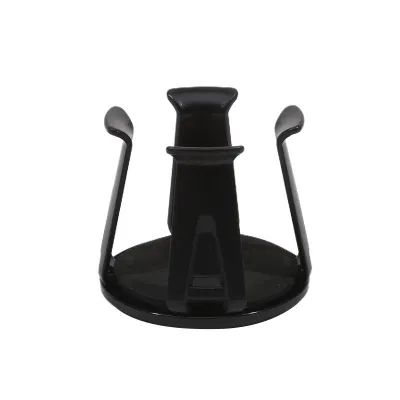
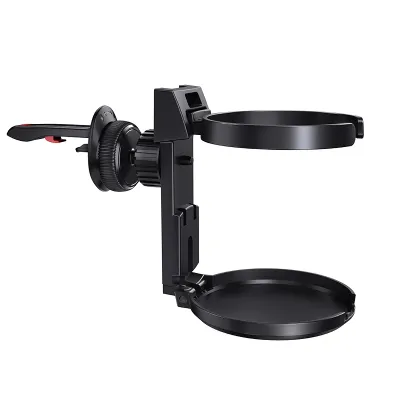
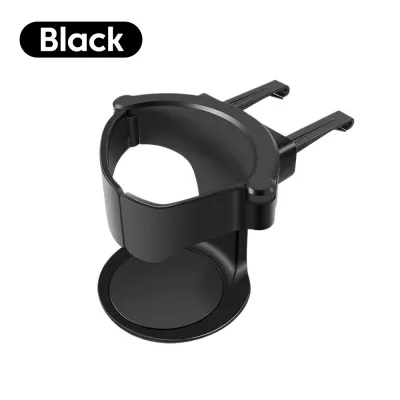
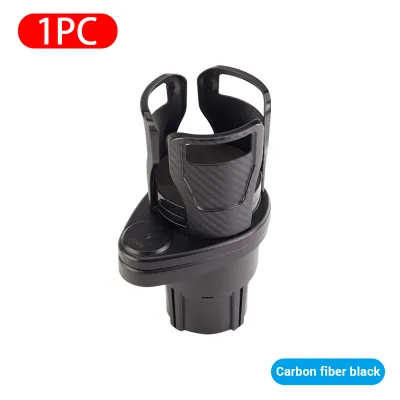
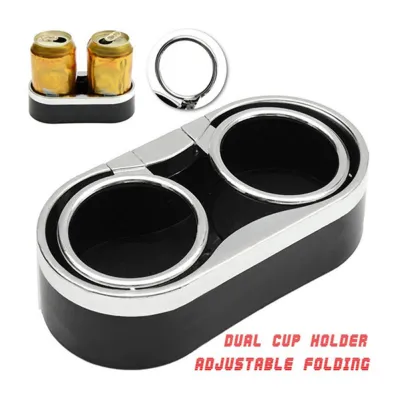
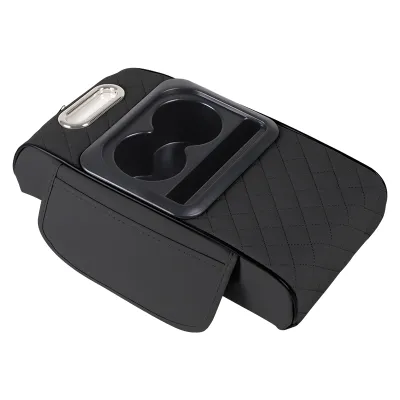
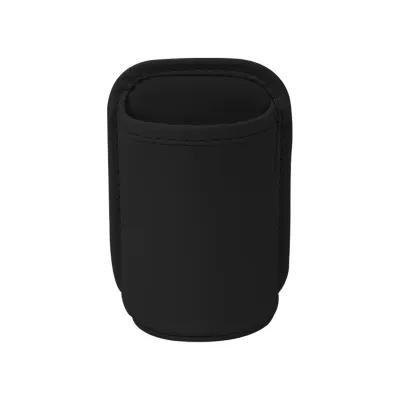
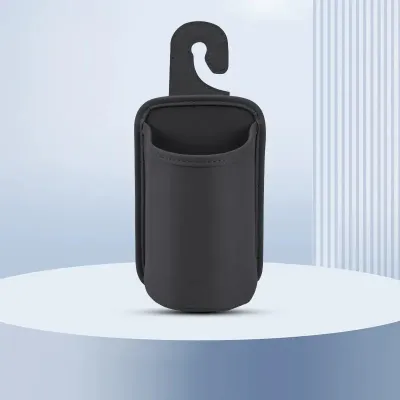
Prices are valid at publication and may change. Please refer to the product page for the latest price.
Assess Your Dashboard: Materials, Textures, and Mounting Zones
Before browsing online marketplaces for a new accessory, you must conduct a thorough physical inspection of your car’s interior. Running your hand over the dashboard surfaces will reveal key details about textures and materials that directly impact how a mount behaves. A surface that looks flat from a distance may actually feature a pebbled texture or a soft-touch vinyl coating that prevents airtight seals from forming.

Next, inspect your air vent louvers. Gently press on the horizontal blades to test their rigidity and check if they are linked to a delicate directional mechanism. Some modern vehicles feature ultra-thin, stylized vents that are highly susceptible to cracking under external loads. Finally, examine your center console area, noting the depth of any factory-installed cup holes and the clearance between the front seats and the transmission tunnel.
Safety must remain your primary concern when choosing a mounting location. Never place any aftermarket accessory within the deployment zone of your vehicle’s airbags—typically marked by “SRS Airbag” lettering on the passenger dashboard and side pillars. Additionally, ensure that the mounted cup holder and your beverage do not obstruct your forward line of sight or block your view of the side mirrors, keeping your vehicle compliant with local road safety standards.
Checking Surface Textures and Materials
Smooth, non-porous surfaces like glass, acrylic, and high-gloss plastic trim are the only areas capable of supporting a standard suction cup. Porous materials, including genuine leather, synthetic leather wraps, stitched fabric, and soft-touch textured foam, will inevitably leak air into the vacuum chamber, causing a suction mount to fail within minutes.
If you are considering an adhesive-backed mount as an alternative, exercise extreme caution. The strong chemical adhesives used to secure these mounts can react with premium cabin materials, leaving a stubborn, sticky residue or even stripping away the dye and top coat of leather and soft-touch plastics when removed.
Identifying Safe Mounting Zones
Safe mounting zones are structurally sound areas that do not interfere with your driving controls. These include the lower corners of the windshield (well below your primary field of view), sturdy horizontal center air vents, and flat, rigid sections of the center console lid.
Conversely, danger zones must be avoided at all costs. These include curved dashboard edges where mounts cannot sit flush, any portion of the steering wheel hub, the passenger airbag covers, and highly fragile decorative vent louvers. Placing a heavy drink in these areas risks physical damage to your car’s interior or severe injury during an emergency stop.
Clip-On Holders: Best for Air Vents and Dashboard Edges
Clip-on cup holders are a highly popular choice due to their simplicity and ability to keep beverages elevated and easy to grab. These accessories typically utilize a spring-loaded or screw-tightened hook mechanism that clamps onto individual vent blades, using the lower dashboard trim as a secondary leverage point to distribute weight.
However, their compatibility is strictly limited by the geometry of your air vents. Standard horizontal vent blades are generally robust enough to handle clip-on mechanisms, provided the blades are not overly thick. In contrast, circular, vertical, or highly stylized turbine-style vents (frequently found in modern luxury vehicles) are highly incompatible. These circular designs often rotate freely, meaning any weight attached to them will cause the vent to spin downward, immediately tipping your drink over.
Weight capacity is another critical limitation of clip-on models. While they are perfectly adequate for a standard 330ml canned drink or a small coffee cup, they are not designed to support heavy insulated tumblers or large water bottles. A full 1-litre thermal flask can weigh well over one kilogram, a load that can easily snap delicate plastic vent louvers or permanently damage the internal directional linkages.
When selecting a clip-on holder, always inspect the contact points. Look for models equipped with thick silicone or rubber padding on the inside of the clips and the lower support legs. This padding is essential to prevent the hard plastic of the accessory from scratching your vent blades or leaving permanent indentations on your dashboard trim.
Suction Holders: Best for Smooth Glass and Hard Plastics
Suction-style cup holders offer incredible flexibility in terms of placement, allowing you to position your beverage precisely where you want it. These mounts rely on a flexible rubber or polyurethane cup that, when pressed against a surface and locked via a lever, creates a powerful low-pressure vacuum seal.
While highly effective on glass, suction mounts face unique challenges in tropical climates like Singapore’s. When a car is parked outdoors under direct sunlight, cabin temperatures can quickly soar past 60°C. This intense heat causes the small amount of air trapped inside the suction cup to expand rapidly, which weakens the vacuum seal and can cause the holder to fall unexpectedly. Furthermore, prolonged exposure to extreme heat and ultraviolet (UV) radiation can degrade the silicone gel pad, causing it to melt, warp, or leave a sticky, difficult-to-clean residue on your windshield.
To maximize the lifespan and security of a suction mount, proper surface preparation is mandatory. Before installation, check your car manufacturer’s manual to ensure your dashboard materials are compatible with cleaning agents. If safe, clean the target area thoroughly with isopropyl alcohol or a dedicated, residue-free automotive interior cleaner to remove accumulated dust, oils, and dashboard protectants. The surface must be completely dry before applying the suction cup. Press the mount firmly against the surface to expel all trapped air before engaging the locking lever.
For the most reliable results, stick to windshield mounting or placement on smooth, hard-plastic trim panels, avoiding textured dashboard surfaces entirely.
Console-Insert and Gap-Fillers: Best for Deep Gaps and Flat Consoles
If stability, safety, and weight capacity are your primary concerns, console-inserts and seat gap-fillers are the superior choice. Unlike dashboard-mounted options, these accessories do not rely on delicate plastic vents or temperamental vacuum seals; instead, they utilize gravity and the existing structural geometry of your vehicle’s interior.
Console-inserts are designed to sit directly inside your car’s factory-installed cup holders. Many premium models feature an adjustable, twist-to-expand base. By rotating the upper portion of the holder, you extend rubberized wedge segments outward, locking the insert tightly into the existing cup hole. This effectively converts a shallow, useless factory cup holder into a deep, secure receptacle capable of holding massive insulated flasks and wide sports bottles without tipping.
Gap-fillers, on the other hand, feature a long, wedge-shaped plastic or leather-wrapped sleeve that slides directly into the space between your front seats and the center console. They utilize friction and the tight spacing of the cabin to stay upright, often providing additional storage compartments alongside a dedicated cup holder slot.
- Unmatched Stability: Because these mounts rest on the floor or within solid plastic console structures, they easily support heavy beverages without any risk of falling or damaging vehicle trim.
- No Windshield Obstruction: They keep your dashboard completely clear, ensuring an unobstructed view of the road.
- Potential Interference: The primary drawback is spatial. You must carefully measure your cabin to ensure the insert or gap-filler does not block your armrest from opening, impede your gear shifter, or restrict access to physical handbrakes and console buttons.
Final Decision: Matching the Mount to Your Beverage and Driving Style
To make your final decision, cross-reference your vehicle’s physical layout with your daily driving habits and beverage preferences. Choosing a mount that fits your car but fails to hold your favorite drink will only lead to another unused accessory sitting in your boot.
Consider what you drink on a daily basis. If you rely on large, heavy insulated tumblers to keep your water cold throughout the day, you should skip vent and suction mounts entirely. These heavy containers require the structural support of an expandable console-insert or a heavy-duty seat gap-filler. Conversely, if you typically drink standard-sized canned beverages or takeaway coffee cups, a high-quality clip-on vent holder or a windshield suction mount will keep your drink highly accessible without taking up valuable console space.
Think about the trade-offs between accessibility and driving safety. Dashboard and vent mounts keep your beverage high up, allowing you to grab your drink with minimal eye movement away from the road. However, they carry a higher risk of spills near expensive dashboard electronics. Console mounts are incredibly secure but require you to reach downward, which can temporarily distract you from driving.
When buying online, premium console-inserts typically range from S$15 to S$40, while basic clip-on models can be found for under S$10 on local e-commerce platforms. Always verify the seller’s return policy before finalizing your purchase, as minor trim differences between vehicle model years can significantly affect real-world fitment.
Frequently Asked Questions (FAQ)
Can I use a suction cup holder on a leather or soft-touch dashboard?
No, you should avoid using suction cup holders on leather, synthetic leather, or soft-touch foam dashboards. These materials are naturally porous and flexible, meaning they contain microscopic air channels that prevent the suction cup from forming a continuous vacuum seal. Over time, air will leak into the chamber, causing the mount to fall. Additionally, the constant pulling force of the vacuum, combined with tropical cabin heat, can stretch, discolor, or permanently deform expensive leather upholstery.
Will a clip-on cup holder break my car's air vent louvers?
While sturdy, traditional horizontal vent blades can usually support the weight of a standard 330ml canned drink, there is always a risk of damage. Fragile, ultra-thin, or circular decorative vents are highly susceptible to snapping under the mechanical tension of a clip-on mount or the downward leverage of a full beverage. Before purchasing, gently press on your vent blades to test their rigidity. If they feel flimsy or loose, opt for a console-insert or windshield suction mount instead.
How do I prepare the surface before installing a suction or adhesive mount?
To ensure a secure bond, first check your vehicle’s owner manual for any material-specific cleaning restrictions. If safe, clean the target area thoroughly with isopropyl alcohol or a dedicated residue-free automotive interior cleaner to remove dust, finger oils, and silicone-based dashboard dressings. Let the surface dry completely before applying the mount. Press the suction cup or adhesive pad firmly against the surface to push out all trapped air, and allow adhesive mounts to cure for at least 24 hours before placing any weight in the holder.
Community discussion
Share your experience or ask a question. Comments are reviewed before publication.