
Selecting a car fragrance for a tropical climate requires balancing scent longevity with cabin comfort. In Singapore’s high heat and humidity, certain fragrance notes can become overpowering, while specific physical formats may degrade or leak if exposed to direct sunlight. Choosing the right car air freshener involves understanding how environmental factors interact with scent carrier mediums and fragrance oils. By selecting heat-resistant formats and appropriate scent profiles, you can maintain a pleasant driving environment that remains fresh without damaging your vehicle’s interior.
How Tropical Heat Affects Car Fragrance Performance
The interior of a car parked under the sun in Singapore can quickly turn into a high-temperature chamber. When ambient outdoor temperatures hover around 32°C, the cabin temperature of a vehicle parked in an open-air carpark can easily climb past 60°C within an hour. This extreme heat dramatically accelerates the kinetic energy of fragrance molecules, causing them to evaporate at a much faster rate than manufacturers design for temperate climates.
Fragrance oils are composed of top, middle, and base notes with different volatility rates. Top notes, such as light citrus and delicate fruits, have the smallest molecular structures and evaporate first. In a hot cabin, these top notes volatilize almost instantly, creating an initial burst of scent that can be intensely overwhelming when you first open the car door. Once these volatile molecules are exhausted, the remaining scent profile can feel flat or prematurely depleted, leaving only the heavier base notes behind.
Products mentioned in this guide
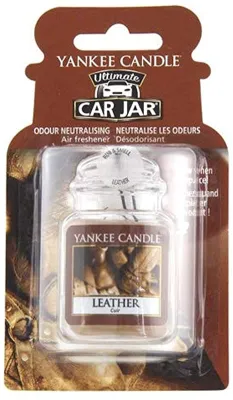
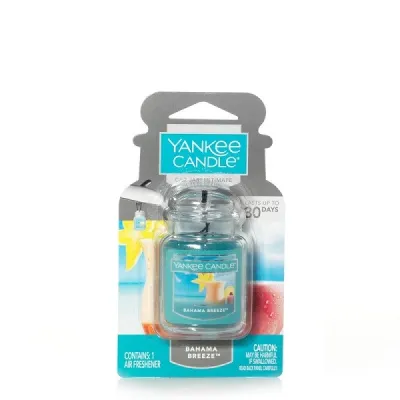
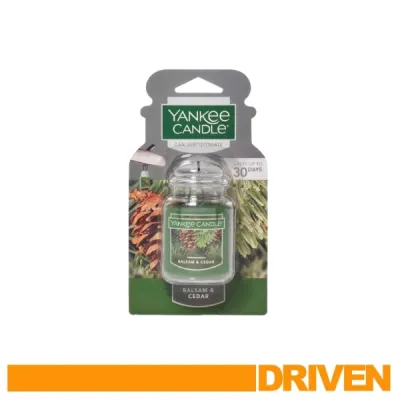
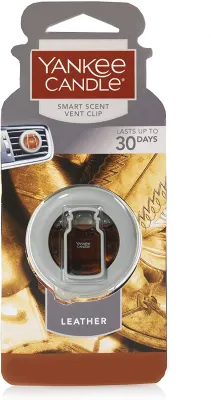
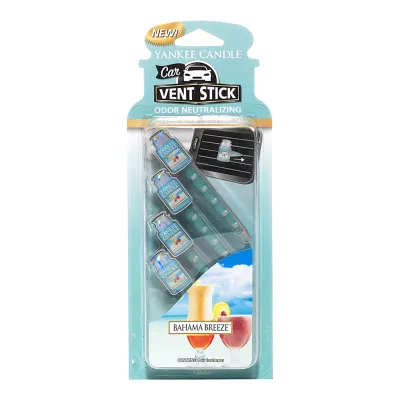
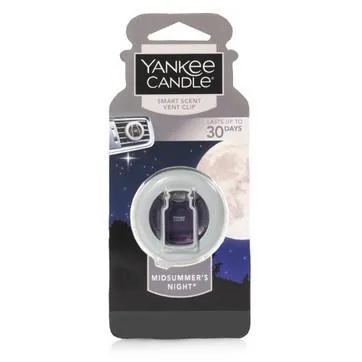
Prices are valid at publication and may change. Please refer to the product page for the latest price.
Direct sunlight and ultraviolet (UV) radiation also play a significant role in degrading car air fresheners. When hanging formats or vent clips are exposed to constant sunlight through the windshield, the UV rays break down the chemical bonds within the fragrance oils and the carrier mediums. This chemical degradation can cause liquid air fresheners to discolor, turn cloudy, or develop a synthetic, chemical-like odor. For gel-based or wax-infused carriers, prolonged UV exposure can cause the material to shrink, crack, or lose its structural integrity.
High ambient humidity, which regularly exceeds 80% in Singapore, further complicates scent dispersion. Moisture-laden air is denser, which can alter how scent molecules travel through the cabin. When humidity is high, the air’s capacity to hold evaporated fragrance oils changes, sometimes trapping the scent close to the source rather than allowing it to circulate evenly. Additionally, high humidity can lead to moisture condensation on and around vent clips, potentially trapping water droplets that can mix with fragrance residue and create a musty undertone.
Fragrance Families to Prioritize and Avoid in Humid Climates
The choice of scent profile is crucial when driving in a hot and humid environment. Heavy, sweet, or dense gourmand fragrances—such as those featuring prominent notes of vanilla, caramel, warm spices, or heavy coconut—should generally be avoided. In a cold climate, these warm notes feel cozy and inviting. However, in a hot, enclosed car cabin that has been baking in the sun, these heavy molecules become cloying and suffocating. The dense scent profile can easily trigger headaches or motion sickness before the car’s air conditioning has a chance to cool down the interior.

Similarly, pure, single-note citrus fragrances like lemon or lime require careful selection. While citrus is inherently refreshing, light citrus top notes are highly susceptible to rapid oxidation when exposed to high heat and UV light. This oxidation process can cause the fragrance to turn sour or metallic over time, mimicking the smell of spoiled fruit rather than a clean cabin. If you prefer citrus, look for complex blends where the citrus is anchored by more stable middle and base notes.
To ensure a consistently pleasant driving experience, prioritize stable fragrance families that perform well in air-conditioned environments. Clean linen, fresh cotton, and aquatic or marine profiles are excellent choices for tropical climates. These scents rely on crisp, airy notes that mimic the smell of fresh laundry or ocean breezes, which naturally complement the dry, cool air generated by your car’s climate control system. They provide a sense of cleanliness without overwhelming the senses.
Woody, herbal, and mild green notes are also highly recommended for their stability and longevity. Scent profiles incorporating cedarwood, sandalwood, amber, sage, or eucalyptus have larger molecular structures, meaning they evaporate at a slower, more controlled rate even when exposed to elevated cabin temperatures. These base-heavy profiles maintain their character under heat cycles and blend harmoniously with the cabin materials, offering a subtle, sophisticated background aroma that does not become cloying during long commutes.
Evaluating Yankee Candle Car Formats for Heat Resistance
Yankee Candle offers several distinct formats for vehicle use, including hanging cardboard cards, gel-based hanging jars, and vent clips. Evaluating these formats based on their physical response to heat and humidity is essential for maximizing their lifespan and protecting your vehicle. Passive diffusion formats, such as hanging paper cards or gel jars suspended from the rearview mirror, are constantly exposed to direct sunlight and windshield heat. This continuous exposure means they diffuse scent non-stop, even when the vehicle is parked and empty, leading to rapid depletion.
Active diffusion formats, such as vent clips, offer superior evaporation control for tropical climates. These devices rely on the airflow from your car’s air conditioning vents to distribute the fragrance. When the car is parked and the engine is off, scent diffusion is minimal, preserving the fragrance oils. Once you start the vehicle and turn on the air conditioning, the cool air flowing through the vent helps regulate the temperature of the clip itself, slowing down the evaporation rate of the fragrance medium and ensuring the scent is only active when you are in the cabin.
When selecting a format, always check the manufacturer’s labels for temperature guidelines and installation instructions. Avoid formats that rely on exposed liquid reservoirs or soft wax if you regularly park in unsheltered areas. Extreme heat can cause liquids to expand, increasing the risk of leakage through seals or vents. Solid gel-based clips or ceramic-infused discs are highly stable alternatives; they do not melt, warp, or leak under typical cabin temperature fluctuations, making them a safer choice for the interior surfaces of your car.
The longevity of the carrier medium is a key factor in Singapore’s daily heat cycles. Paper-based air fresheners tend to dry out within a week or two when subjected to intense daily heat. Gel-based mediums gradually shrink as the fragrance oils evaporate, providing a clear visual indicator of their remaining lifespan. Ceramic or polymer-based scent carriers tend to offer the most consistent release rate over time, as the fragrance is deeply embedded within a stable matrix that resists physical degradation from heat and humidity.
Safe Placement and Maintenance in a Hot Car Cabin
Proper placement of your car air freshener is critical to prevent damage to your vehicle’s interior and ensure passenger safety. Fragrance oils, even those derived from natural sources, contain concentrated chemical compounds that can act as solvents. If these oils come into direct contact with dashboard plastics, leather upholstery, steering wheel covers, or instrument clusters, they can cause permanent bubbling, peeling, discoloration, or cracking. Always ensure that hanging formats are suspended freely and do not touch any interior trim, glass, or plastic surfaces.
When installing vent clips, select a location that does not obstruct your view of the road or interfere with the operation of the vehicle’s controls. Avoid mounting clips on vents directly adjacent to sensitive electronic screens or the steering column. Crucially, never place any air freshener or accessory within the deployment path of the vehicle’s airbags, including the steering wheel hub, passenger-side dashboard panel, or side pillars. Refer to your vehicle’s owner’s manual to identify airbag deployment zones before choosing a mounting spot.
To maximize the lifespan of your air freshener, adjust your car’s climate control settings strategically. Blasting the air conditioning at maximum heat or maximum fan speed directly onto a vent clip will accelerate the evaporation of the fragrance oils. Instead, once the cabin has cooled down, adjust the airflow to a moderate setting or direct the vent slightly away from your face. This distributes the scent evenly throughout the cabin without exhausting the fragrance carrier prematurely.
Routine maintenance is essential in a hot climate. Make it a habit to inspect your car air freshener at least once a week. Check for any signs of physical degradation, such as cracking plastic casings, weeping liquid, or discoloration of the surrounding vent slats. If you notice any residue or leakage, remove the air freshener immediately and clean the affected area with a damp microfiber cloth and a mild, interior-safe automotive cleaner to prevent permanent chemical etching of the plastic.
Testing and Adjusting Scent Intensity for Daily Commutes
When introducing a new Yankee Candle car scent to your vehicle, it is wise to start with a conservative approach. If you are using an adjustable vent clip, set the intensity control to the lowest setting. For hanging formats, you can leave a portion of the protective packaging intact to limit the initial exposure of the scent carrier. This gradual introduction allows you to gauge how the fragrance develops and disperses within your specific cabin volume under daily driving conditions.
During long drives in heavy traffic, such as peak-hour commutes on the Central Expressway (CTE) or Pan Island Expressway (PIE), a strong fragrance can quickly become overwhelming. If you find yourself experiencing headaches, eye irritation, or a dry throat, the scent intensity is likely too high. Be aware of olfactory fatigue, a common phenomenon where your nose becomes desensitized to a constant smell. If you can no longer detect the fragrance but passengers immediately comment on its strength, your air freshener is still highly active, and you should lower the intensity or increase fresh air circulation.
Rather than replacing your car air freshener based on a strict calendar schedule, rely on observable changes in the carrier medium and scent performance. In Singapore’s climate, actual product lifespan can vary significantly depending on whether you park in a sheltered basement or an open-air lot. Replace the fragrance refill when the gel carrier has shriveled to a fraction of its original size, when the ceramic disc has faded in color, or when the scent throw remains faint even after the cabin has cooled down and the air conditioning is running.
Frequently Asked Questions (FAQ)
Can I leave my car air freshener in the vehicle overnight in Singapore?
Yes, you can leave your car air freshener in the vehicle overnight, but you should take precautions if you park in unsheltered areas. While nighttime temperatures are lower, the high humidity remains constant, and the cabin will heat up rapidly as soon as the morning sun hits the windshield. To prevent accelerated degradation or potential leaking during the early morning heat spike, ensure the air freshener is mounted away from direct sunlight, or consider using a highly stable solid gel or ceramic format that resists temperature fluctuations.
Do air-conditioned car cabins make car scents last longer?
Yes, operating your car’s air conditioning helps extend the lifespan of your car scent. The air conditioning system cools the cabin and actively removes moisture, lowering the humidity levels inside the vehicle. This cooler, drier environment slows down the evaporation rate of the fragrance oils. However, keep in mind that the initial heat-up phase—when the car has been parked under the afternoon sun before you turn on the engine—will still cause a rapid release of scent molecules, so parking in shaded or sheltered areas whenever possible will further preserve your fragrance.
Community discussion
Share your experience or ask a question. Comments are reviewed before publication.