
In Singapore’s tropical climate, where temperatures inside a parked car can soar rapidly and humidity levels remain consistently high, choosing the right Yankee car scent is essential for maintaining a pleasant driving environment. The best-performing fragrances in these conditions are light, crisp, and refreshing profiles, such as citrus, aquatic, ozone, and clean linen scents. These families provide a cooling psychological effect and remain pleasant without becoming cloying. Conversely, heavy, sweet, or highly spiced fragrances tend to expand aggressively in the heat, turning a confined cabin into an overwhelming and headache-inducing space.
Selecting a car air freshener for a tropical climate requires understanding how heat and humidity interact with fragrance oils. By focusing on scent families that maintain their clarity under high temperatures and applying smart placement strategies, you can ensure your vehicle remains a welcoming sanctuary. This guide breaks down the science of tropical scent evaporation, identifies which fragrance profiles to seek out or avoid, and provides practical tips to maximize the lifespan of your chosen car scent.
How Tropical Heat and Humidity Affect Car Fragrances
The interior of a vehicle parked under the sun acts as a greenhouse, trapping solar radiation and raising cabin temperatures far above the ambient outdoor temperature. This intense heat directly impacts the physical behavior of fragrance oils used in car air fresheners. High temperatures increase the kinetic energy of the scent molecules, leading to a significantly higher rate of volatility and rapid evaporation. Consequently, a product designed to release scent gradually over several weeks may exhaust its fragrance oils much faster when exposed to daily cabin heat.
Products mentioned in this guide
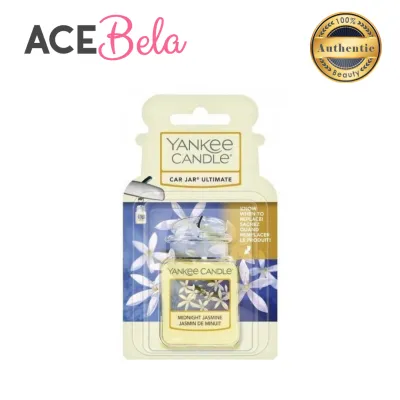
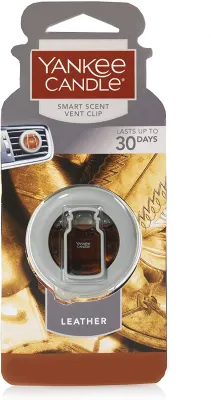


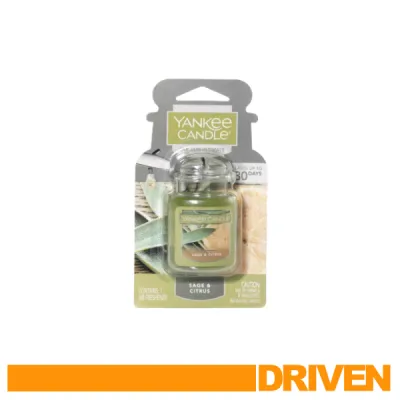
Prices are valid at publication and may change. Please refer to the product page for the latest price.
Humidity plays an equally critical role in how we perceive these evaporated scent molecules. High relative humidity means the air is saturated with water vapor, which can trap and hold volatile organic compounds, including fragrance oils, closer to the cabin surfaces. This moisture-laden air amplifies the perceived intensity of the scent, making even subtle fragrances feel much heavier and more concentrated than they would in a dry, air-conditioned indoor environment.
Furthermore, the extreme temperature fluctuations inside a parked car can compromise the chemical stability of certain fragrance compounds. When a car transitions from a cool, air-conditioned state during a drive to a scorching, sealed environment while parked, the rapid thermal cycling can degrade delicate top notes. This degradation often leaves behind only the heavier, more resilient base notes, permanently altering the intended scent profile and sometimes resulting in a stale or distorted aroma over time.
Scent Profiles That Thrive in Hot and Humid Conditions
To counteract the intensifying effects of heat and humidity, drivers should opt for fragrance families that naturally convey a sense of cleanliness, coolness, and open space. Citrus-based scents, featuring notes of lemon, lime, grapefruit, or mandarin, are exceptionally well-suited for tropical climates. The sharp, acidic, and bright characteristics of citrus cut through stagnant, humid air, providing an immediate psychological lift and a sensation of freshness without lingering heavily on cabin fabrics.

Aquatic and ozone-based profiles are another excellent choice for hot weather. These fragrances are designed to mimic the crispness of sea breezes, cool rain, or fresh mountain air. Because they rely on light, airy synthetic compounds, they do not become dense or suffocating when heated. Instead, they create an illusion of ventilation and spaciousness, which can make a hot car interior feel significantly more comfortable and refreshing during a midday commute.
For those who prefer botanical or herbal aromas, light florals and green tea profiles offer a sophisticated alternative. Scents infused with green tea, mint, eucalyptus, or subtle lavender maintain their clarity and crispness under high temperatures. These profiles avoid the heavy, sugary sweetness of traditional floral bouquets, offering a clean, calming, and grounded atmosphere that helps reduce driving stress in heavy traffic.
Finally, clean linen and fresh laundry scents are highly reliable options for tropical climates. These fragrances typically combine light white florals with powdery, soapy base notes that mimic the smell of freshly washed sheets. In a hot car, they evoke a sense of order and cleanliness, effectively masking minor cabin odors without introducing a complex or heavy perfume that might clash with the humid air.
Fragrance Families to Avoid or Use with Caution
While rich, warm fragrances can feel cozy and inviting in cooler climates, they often become oppressive and headache-inducing in Singapore’s heat. Dense vanilla, amber, and heavy musk bases should be approached with extreme caution. These molecules are highly stable and evaporate slowly, but when subjected to high cabin temperatures, their release rate accelerates dramatically. The result is a thick, sweet, and suffocating atmosphere that clings to the car’s headliner, seats, and carpets, making it incredibly difficult to clear out even with the windows down.
Overly sweet gourmand fragrances, such as those mimicking bakery items, caramel, chocolate, or heavy coconut, are similarly problematic in tropical conditions. In a hot, enclosed space, these rich, sugary notes can quickly turn cloying and nauseating. The combination of high humidity and intense sweetness often mimics the smell of spoiled food or stagnant air, creating an unpleasant sensory experience for both the driver and passengers.
Deep woody and strong spicy fragrances, including heavy sandalwood, patchouli, cinnamon, or clove, should also be limited. While a subtle woody undertone can add sophistication, dominant spicy profiles tend to feel dry, dusty, and heavy when heated. In a small, warm cabin, these scents can restrict the perceived airiness of the space, making the interior feel cramped, dusty, and physically warmer than it actually is.
Placement and Usage Strategies for a Balanced Scent
Managing how and where you place your Yankee car scent is just as important as choosing the right fragrance profile. To prevent rapid evaporation and premature degradation, keep the scent product away from direct sunlight and hot dashboard surfaces. Placing a hanging paper air freshener directly on the rearview mirror exposes it to intense solar heat through the windshield, which quickly bakes out the fragrance oils. Instead, consider hanging it from a steering column lever, placing it under a seat, or using a specialized vent clip.
When using vent-mounted car scents, exercise caution with your air conditioning settings. While the airflow from the vents helps distribute the fragrance evenly throughout the cabin, blasting hot air during the initial minutes of a drive can cause a sudden, overwhelming burst of scent. Conversely, cold air conditioning can temporarily reduce the volatility of the oils, making the scent seem faint until the cabin temperature stabilizes. Adjust the vent clip’s built-in intensity slider, if available, to find a balanced release rate that suits your daily driving habits.
To maintain a consistent and pleasant sensory experience, practice periodic scent rotation. The human brain quickly adapts to continuous sensory inputs, a phenomenon known as olfactory fatigue. If you use the same fragrance continuously for several months, you may stop noticing it entirely, leading to the temptation to add more scent products and accidentally creating an overpowering environment for passengers. Switching between citrus, aquatic, and clean linen profiles every few weeks keeps your senses sharp and ensures you can always enjoy a fresh cabin atmosphere.
Matching the Scent to Your Vehicle Size and Commute
The physical dimensions of your vehicle should directly influence the type and quantity of car scent you select. Compact hatchbacks and sedans have a relatively small volume of air, meaning fragrance molecules will concentrate quickly. For these smaller cabins, a single, low-intensity product, such as a partially opened hanging card or a vent clip set to the lowest setting, is usually sufficient. Larger vehicles, such as sport utility vehicles (SUVs) or multi-purpose vehicles (MPVs), have much larger cabins and more complex airflow patterns, which may require a slightly stronger scent profile or multiple placement points to achieve uniform distribution.
Your daily driving patterns and commute style also play a role in scent selection. For short, stop-and-go city commutes through heavy urban traffic, bright and invigorating scents like citrus or mint can help keep you alert, focused, and patient. For longer highway drives or late-night commutes, calming profiles like green tea or light lavender can create a relaxing, stress-free environment.
Before installing any car scent product, always check the manufacturer’s packaging for specific usage instructions, safety warnings, and surface compatibility. Fragrance oils can occasionally damage or discolor plastic dashboards, leather upholstery, or delicate interior trim if they come into direct contact. Ensure that hanging products swing freely without touching any interior surfaces, and verify that vent clips are securely mounted to prevent accidental leaks or spills that could mar your vehicle’s cabin materials.
Frequently Asked Questions (FAQ)
How long do car scents typically last in hot weather?
In hot and humid climates, car scents generally experience a shorter lifespan compared to their performance in cooler, climate-controlled environments. The intense heat inside a parked vehicle accelerates the evaporation of the fragrance oils, which can reduce the effective duration of the product. While manufacturers provide estimated duration ranges on their packaging, drivers in tropical regions should expect the actual lifespan to be on the shorter end of those estimates. Checking the product packaging for specific usage guidelines can help you anticipate when a replacement will be needed.
Can I use standard jar candles in my car instead of car-specific products?
You should strongly avoid leaving standard wax candles or non-automotive fragrance products inside your vehicle. The extreme temperatures inside a parked car can easily exceed the melting point of candle wax, leading to messy leaks, permanent damage to your upholstery, and potential safety hazards. Standard glass jars can also concentrate solar heat, creating a risk of cracking or fire. Always use products specifically engineered and certified for automotive use, as these are designed to withstand high cabin temperatures safely.
What should I do if the fragrance becomes too strong after parking in the sun?
If your car scent becomes overwhelmingly strong after your vehicle has been parked in the sun, take immediate steps to ventilate the cabin before driving. Open all the doors or roll down the windows for a few minutes to allow the concentrated air to escape. Turn on your air conditioning and set it to draw in fresh outside air rather than recirculating the cabin air. If the scent remains too intense, temporarily remove the air freshener or cover its exposure vents until the cabin temperature cools down to a comfortable level.

Community discussion
Share your experience or ask a question. Comments are reviewed before publication.