
Navigating the intense tropical climate of Singapore requires a strategic approach to vehicle maintenance, right down to the choice of cabin fragrance. When selecting Yankee Candle car products, the most resilient options for high heat and humidity are controlled-release vent clips and on-demand car sprays, rather than traditional hanging liquid or soft gel jars. The combination of relentless afternoon sun and high ambient humidity accelerates the evaporation of fragrance oils, meaning that choosing the wrong format can lead to a product losing its scent within days or, worse, leaking and damaging your car’s interior surfaces. By understanding how different materials react to extreme cabin temperatures, you can select a format that delivers a consistent scent without compromising safety.
How Singapore's Climate Affects Car Fragrance Performance
The interior of a vehicle parked in an open-air lot in Singapore can quickly transform into a high-temperature chamber. When ambient outdoor temperatures hover around 32°C to 35°C, the greenhouse effect inside a sealed car can push cabin temperatures well past 60°C within an hour. This extreme thermal environment directly impacts the molecular behavior of fragrance products. High heat increases the kinetic energy of the volatile organic compounds that make up the scent, causing them to evaporate at an accelerated rate. Consequently, a product designed to last up to a month in temperate climates may deplete its active fragrance oils in a fraction of that time when subjected to daily tropical heat.
Beyond rapid depletion, physical material integrity is a significant concern under the tropical sun. Many car air fresheners utilize synthetic polymers, soft gels, or liquid reservoirs to hold the fragrance oils. Prolonged exposure to temperatures exceeding 50°C can cause these materials to soften, warp, or lose their structural stability. Gels may shrink rapidly and pull away from their containers, while liquid-filled capsules can experience increased internal pressure, elevating the risk of structural failure and subsequent leakage onto sensitive cabin components.
Products mentioned in this guide
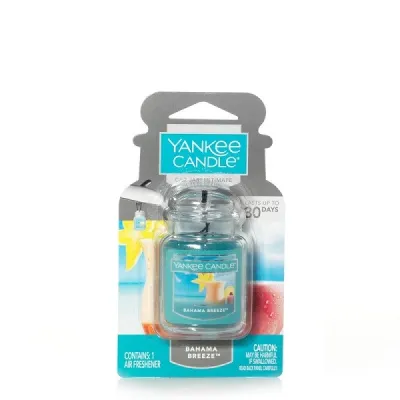
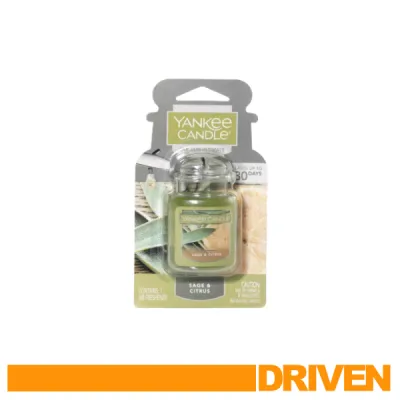
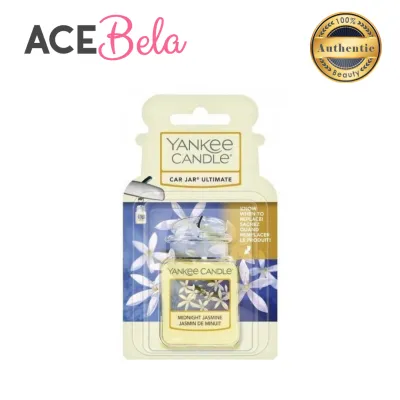
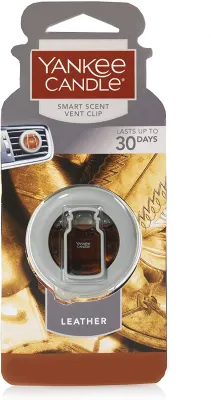
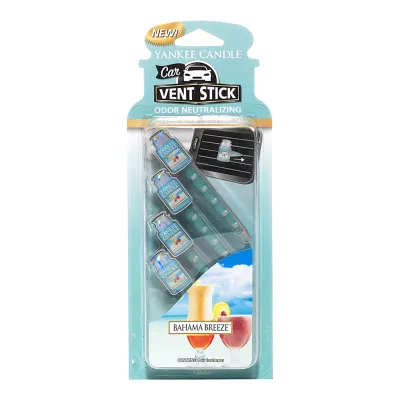
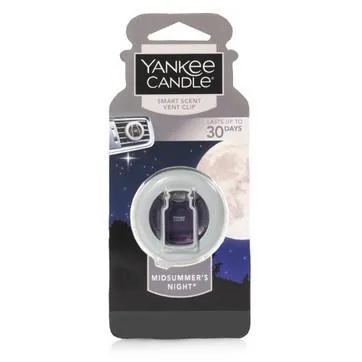
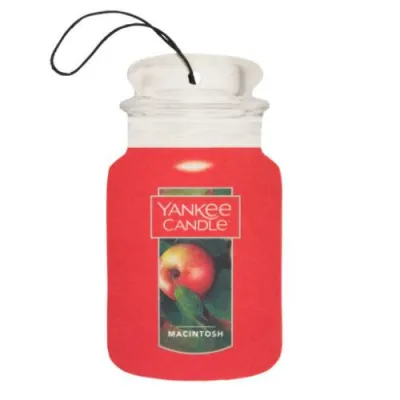
Prices are valid at publication and may change. Please refer to the product page for the latest price.
Humidity adds another layer of complexity to how we experience cabin scents. Singapore’s relative humidity regularly exceeds 80 percent, saturating the air with water vapor. This high moisture content can affect the diffusion of fragrance molecules. In a highly humid environment, the air is already dense with water molecules, which can alter the perceived strength and throw of certain scent formulations. Moisture can also settle on porous fragrance carriers, such as paper or cardboard, causing them to sag, lose their aesthetic appeal, and release their scent unevenly.
Evaluating Yankee Candle Car Formats for High Heat
To make an informed decision, it is essential to evaluate how different Yankee Candle car formats perform under the specific physical stresses of Singapore’s climate. Hanging car jars, designed to mimic the classic candle silhouette, typically feature a gel-filled or liquid-infused design suspended from the rearview mirror. While highly popular, this placement subjects the product to direct, unfiltered sunlight through the front windshield. The intense solar radiation can cause the gel to dry out prematurely, turning a pliable material into a hard, scentless remnant. Furthermore, the constant swinging motion combined with heat-induced softening increases the risk of the housing coming into contact with the windshield or dashboard.

Vent clips offer a more controlled alternative by utilizing the vehicle’s active climate control system. These devices attach directly to the air conditioning vents, placing them in the direct path of cool, conditioned air. When the air conditioning is running, the cool airflow lowers the temperature of the clip, which slows down the natural evaporation rate of the fragrance gel or oil. This creates a highly efficient delivery system, as the scent is only actively dispersed when the cabin is being cooled. Many vent clips also feature adjustable dials, allowing drivers to restrict the exposure of the fragrance element to the air, thereby extending the product’s lifespan during long drives. However, when the car is parked in the sun with the engine off, the stagnant heat inside the cabin will still affect the clip, making manual adjustment of the dial a useful habit.
For drivers seeking maximum efficiency and zero risk of heat-induced degradation, car sprays represent the most practical strategy. Unlike hanging or clipped formats that remain permanently exposed to the cabin’s shifting microclimate, a spray is used strictly on demand. This eliminates continuous physical exposure to extreme heat. A quick spray onto the floor mats or into the footwells provides immediate odor neutralization and scent dispersion. Because the spray bottle can be stored in a cooler, shaded area of the vehicle—such as a deep glove compartment, center console, or even carried out of the car entirely—the active ingredients remain protected from thermal breakdown, ensuring that every spray delivers its intended potency.
Safe Placement to Protect Your Car Interior
Regardless of the format you choose, safe placement is paramount to protecting your vehicle’s interior from chemical damage. Fragrance oils, whether natural or synthetic, are highly concentrated chemical compounds that can act as mild solvents. If these oils come into direct contact with cabin materials, they can cause severe aesthetic and structural damage. Leather seats, synthetic vinyl wraps, suede headliners, and the soft-touch plastics commonly used on modern dashboards are particularly vulnerable. Contact with leaked fragrance liquid or melting gel can lead to bubbling, peeling, discoloration, or permanent staining that is costly to repair.
Physical safety during driving is another critical consideration. Hanging formats suspended from the rearview mirror must be adjusted so they do not obstruct the driver’s forward line of sight or create a distracting pendulum motion during cornering. It is equally vital to ensure that no fragrance accessory is placed within the deployment zones of the vehicle’s airbags. An object positioned over an airbag cover on the steering wheel, passenger dashboard, or side pillars can become a dangerous projectile if the system deploys during an accident.
To mitigate these risks, always consult the specific product label and packaging instructions before installation. Manufacturers provide explicit guidelines regarding surface contact, mounting orientation, and maximum safe operating temperatures. If a label warns against placing the product in direct contact with plastics or upholstery, heed this instruction strictly by utilizing the provided clips, strings, or designated mounting brackets to keep the product suspended freely.
Condition-Based Tips to Manage Scent Longevity
Maximizing the lifespan of your car fragrance in Singapore does not require altering the product itself; instead, it involves managing the environment in which it operates. One of the most effective strategies is to minimize extreme cabin temperature spikes by parking mindfully. Whenever possible, opt for shaded parking spaces, multi-storey HDB carparks, or underground basement lots. Keeping the vehicle out of direct sunlight significantly reduces the greenhouse effect inside the cabin, keeping temperatures closer to the ambient outdoor level and preserving the integrity of your fragrance oils.
If you use vent clips, make it a habit to adjust the mechanism when leaving the vehicle. Many clips feature a sliding shutter or dial that controls the size of the exposure vents. Closing these vents when parking the car restricts the airflow around the fragrance element, minimizing passive evaporation while the vehicle is stationary in the heat. When you return to the car and turn on the air conditioning, you can reopen the vents to your preferred setting.
Proper storage of backup or unused fragrances is also essential for maintaining their quality. Avoid storing spare air fresheners in the glove compartment or door pockets for extended periods, as these areas still experience significant heat buildup when parked in the sun. Instead, keep your backup products in a cool, dry pantry inside your home, and only bring them to the vehicle when you are ready to install them. This simple practice ensures that the fragrance remains fresh and fully potent from the moment of first use.
Frequently Asked Questions (FAQ)
Can I leave my car fragrance on the dashboard in direct sunlight?
Leaving any car fragrance product directly on the dashboard is highly discouraged due to the extreme localized heat that accumulates near the windshield. The dashboard absorbs intense solar radiation, often reaching temperatures far higher than the general cabin air. This localized heat can cause plastic housings to melt, liquid reservoirs to rupture, or gels to liquefy and leak. Such leaks can cause permanent chemical damage, warping, or staining to the dashboard surface. Always refer to the product packaging for specific temperature limits, and avoid placing any fragrance accessory on the dashboard unless it is explicitly designed and labeled for that specific location.
Does running the air conditioning constantly prevent fragrances from fading?
Running your vehicle’s air conditioning helps regulate the cabin temperature, which in turn slows down the rapid evaporation of fragrance oils compared to a hot, uncooled cabin. The cool, dry air produced by the air conditioning system stabilizes the fragrance carrier, allowing for a more gradual and consistent release of scent. However, constant air conditioning does not stop the natural depletion of the fragrance over time. Scent molecules will still disperse into the cabin air as part of the product’s design. While climate control optimizes the delivery environment and prevents premature heat-induced fading, the product will still eventually require replacement once its active oils are fully exhausted.

Community discussion
Share your experience or ask a question. Comments are reviewed before publication.