
Choosing the right Xenon Edge LED lighting product for your vehicle depends on whether your primary goal is cosmetic customization, low-visibility safety, or daytime conspicuity. While flexible LED light strips offer highly customizable accent styling for grilles or interiors, dedicated fog lights provide a wide, low-slung beam pattern designed to cut through heavy tropical downpours. Meanwhile, daytime running lights (DRLs) serve as a continuous safety signal to make your vehicle more visible to oncoming traffic during daylight hours. Matching these options to your vehicle requires evaluating your daily driving conditions, physical mounting constraints, and local electrical and legal limitations.
Identify Your Primary Lighting Need and Vehicle Setup
Before purchasing any aftermarket lighting accessory, you must diagnose the specific visibility gaps or aesthetic outcomes you want to address. Drivers who frequently navigate unlit expressways or experience sudden, heavy tropical rainstorms often require improved forward illumination that does not bounce glare back into their eyes. Conversely, those driving primarily in well-lit urban environments may find that their main headlights are sufficient for illumination, meaning their primary need is to make their vehicle more visible to others or to enhance its visual appeal.
Next, perform a physical inspection of your vehicle’s front fascia, bumper, and engine bay. Look for existing mounting points, such as factory fog light bezels or empty bumper cutouts, which can simplify the installation of dedicated lamps. Measure the available clearance behind the front grille and along the headlight housings to determine if there is sufficient flat surface area to secure flexible strips or compact DRL housings. Understanding these physical constraints prevents the purchase of components that cannot be securely mounted without permanent, warranty-voiding modifications to your vehicle’s bodywork.
Products mentioned in this guide
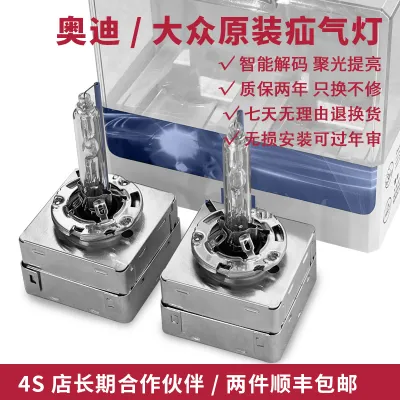
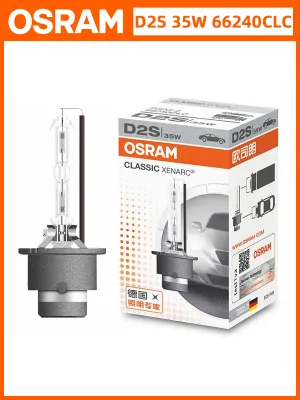
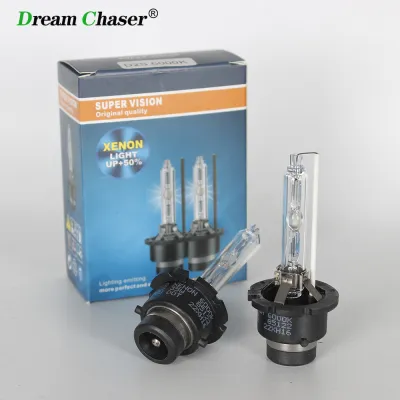
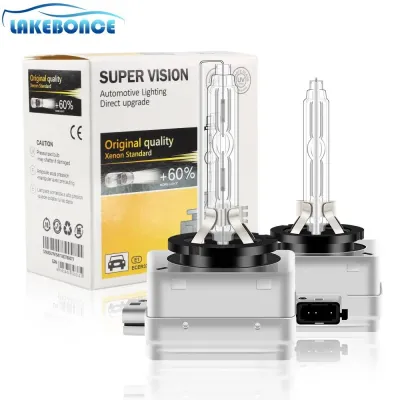
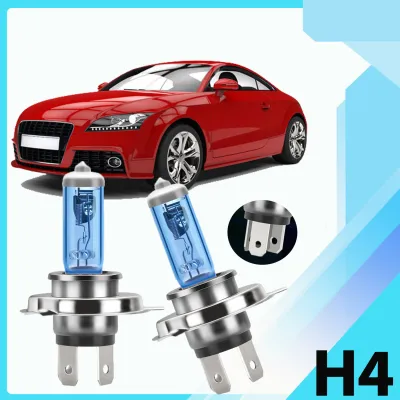

Prices are valid at publication and may change. Please refer to the product page for the latest price.
Finally, clarify whether your objective is functional road illumination, safety signaling, or cosmetic enhancement. Functional lighting, such as fog lights, requires precise optical lenses and specific mounting heights to project light onto the road surface. Safety signaling, like DRLs, requires wide-angle visibility to catch the attention of other drivers without illuminating the road ahead. Cosmetic lighting, such as accent strips, focuses purely on styling and must be positioned so that the light source itself remains hidden, projecting only a subtle glow to avoid distracting other road users.
Verify Electrical Compatibility and Safety Boundaries Before Upgrading
Integrating aftermarket LED lighting into a modern vehicle’s electrical system requires careful planning to avoid overloading circuits or triggering diagnostic errors. Begin by reviewing your vehicle’s owner’s manual to locate the fuse box and identify the ratings of existing circuits. You must ensure that the vehicle’s alternator and battery can comfortably handle the additional current draw, especially if you plan to run multiple accessories simultaneously. Inspect the condition of your existing wiring harnesses, looking for any signs of brittle insulation, corrosion, or previous improper splicing that could compromise electrical safety.

Modern vehicles equipped with sensitive electronic control units or CANbus monitoring systems often detect changes in electrical resistance when factory halogen bulbs are replaced with low-draw LEDs. This discrepancy can result in flickering lights, rapid blinking, or dashboard error warnings. To prevent these issues, you may need to install a dedicated relay harness that draws power directly from the battery, or integrate CANbus decoders to simulate the expected electrical load. Because improper wiring can lead to short circuits, blown fuses, or even electrical fires, always prioritize safety by consulting your vehicle’s original documentation and seeking professional installation if you are unfamiliar with automotive circuitry.
In addition to electrical safety, you must strictly adhere to local road traffic regulations regarding exterior vehicle lighting. Transport authorities, such as those in Singapore, enforce precise rules regarding the color, placement, and brightness of aftermarket lights to ensure they do not blind oncoming drivers or mimic emergency vehicles. Generally, forward-facing lights must only emit white or amber light, while rear-facing lights must be red. Flashing, rotating, or excessively bright decorative lights are typically prohibited on public roads. Verifying these legal boundaries before purchasing your Xenon Edge products ensures your vehicle remains roadworthy and passes mandatory periodic inspections.
Compare Xenon Edge Product Types by Function and Application
Selecting the ideal Xenon Edge product requires matching your diagnosed driving needs with the specific design characteristics of each lighting type. Each product category serves a distinct purpose, ranging from flexible aesthetic enhancements to highly focused safety and weather-penetrating beams.
LED Light Strips for Accent and Cosmetic Lighting
Xenon Edge LED light strips are engineered primarily for aesthetic customization, offering a flexible form factor that conforms to the curved contours of your vehicle. These strips are highly suited for accentuating body lines, highlighting the front grille, or providing subtle underglow and interior footwell lighting. Because they can be bent and cut to specific lengths, they allow for creative placement that rigid light housings cannot accommodate. However, because they lack focused optical lenses, they are not intended to provide functional road illumination.
When selecting light strips for exterior applications, weatherproofing is a critical factor, particularly in hot, humid climates prone to sudden downpours. Verify that the product carries a high ingress protection (IP) rating, such as IP67 or IP68, indicating resistance to dust and prolonged water immersion. Additionally, the adhesive backing must be rated to withstand high ambient temperatures and road vibrations. Preparing the mounting surface with an alcohol-based cleaner is essential to ensure a secure, long-lasting bond that will not peel away at highway speeds.
Keep in mind that decorative exterior lighting is subject to strict legal limitations. In many jurisdictions, displaying exposed LED diodes or running vibrant, non-standard colors like blue, green, or red on the front of the vehicle is illegal for road use. To remain compliant, ensure that exterior strips are mounted discretely—such as deep within the grille or under the bumper lip—so that only the indirect, diffused glow is visible, and stick to approved colors like white or amber.
Fog Lights for Low-Visibility Weather Conditions
Xenon Edge fog lights are specialized safety devices designed to improve road visibility during adverse weather conditions, such as heavy rain, mist, or dense fog. Unlike standard headlights, which project light high and far down the road, fog lights are mounted low on the bumper and cast a wide, flat beam pattern with a sharp upper cut-off. This specific geometry minimizes the amount of light reflecting off water droplets back into the driver’s eyes, illuminating the road surface directly in front of the vehicle and along the lane markings.
When choosing fog lights, pay close attention to the color temperature and beam specifications. A warmer white or selective yellow light is often preferred for fog applications, as longer wavelengths penetrate moisture more effectively than cool blue-white light. You must also verify that the physical dimensions of the fog light housings match your vehicle’s bumper cutouts or factory mounting brackets. If your vehicle did not come equipped with factory fog lights, you will need to plan for a compatible wiring harness, an in-cabin switch, and potentially a mounting kit tailored to your specific bumper design.
Proper alignment is critical once fog lights are installed. Because these lights are positioned low, even a slight upward tilt can project intense glare directly into the eyes of oncoming drivers, creating a severe safety hazard and violating road safety laws. Always follow the manufacturer’s alignment instructions, which typically involve aiming the beam cut-off line a specific distance below the height of the lamp center when parked facing a flat wall. If your vehicle’s suspension has been modified or if you are unsure of the alignment, having the beam calibrated by a professional workshop is highly recommended.
Daytime Running Lights (DRLs) for Safety and Signaling
Daytime running lights are designed to make your vehicle more conspicuous to other road users, including pedestrians and cyclists, during daylight hours. Unlike standard headlights, which are optimized to help the driver see the road, DRLs are optimized to help others see your vehicle. They emit a bright, highly visible light that is directed forward, significantly reducing the risk of daytime collisions. DRLs are not a substitute for low-beam headlights at night, as they do not project a focused beam pattern onto the road and can cause glare in dark conditions.
When integrating Xenon Edge DRLs, look for systems that offer automatic activation features. Ideally, DRLs should turn on automatically when the engine starts and either turn off or dim significantly when the vehicle’s main headlights are switched on. This automatic dimming function is a key regulatory requirement in many regions to prevent the high-intensity daytime signal from blinding other drivers at night. Achieving this integration usually requires connecting the DRL control wire to an ignition-switched power source and a headlight trigger wire.
Ensure that your chosen DRLs comply with local transport regulations regarding placement and operation. Standard guidelines often dictate that DRLs must be mounted symmetrically at a specific height range from the ground and a minimum distance apart from each other. They must also be positioned so that they do not interfere with the visibility of your front turn signals. Verifying these placement rules before mounting the housings prevents the need to drill unnecessary holes or relocate the lights prior to vehicle inspections.
Plan Your Installation and Maintenance Routine
A successful LED upgrade relies on meticulous installation and ongoing maintenance to ensure long-term reliability and safety. When routing wires through the engine bay, keep them away from high-heat sources like the radiator and exhaust manifold, as well as moving parts like steering linkages or cooling fans. Use high-quality heat-shrink tubing, electrical tape, and waterproof connectors to seal all wire splices against moisture ingress, which is the leading cause of premature LED driver failure. Securing loose wiring with UV-resistant zip ties prevents chafing against sharp metal edges.
Establish a simple routine to inspect your lighting components periodically. Check the physical integrity of adhesive-mounted light strips, especially after driving through heavy rain or washing your vehicle. Inspect the lenses of your fog lights and DRLs for road debris impact damage, cracks, or internal condensation, which indicates a compromised seal. Clean the lenses regularly with a mild, automotive-safe soap to prevent road grime from reducing light output and altering the intended beam pattern.
If at any point during the installation process you find that the factory connectors do not match, the wiring diagrams are unclear, or the electrical load exceeds your vehicle’s fuse ratings, stop immediately. Forcing incompatible connections or bypassing fuses can cause permanent damage to your vehicle’s electronic control units. Consulting a qualified automotive electrician ensures that your Xenon Edge lighting is integrated safely, preserving your vehicle’s electrical integrity and ensuring trouble-free operation.
Frequently Asked Questions (FAQ)
Can I install Xenon Edge LED strips and DRLs on the same vehicle?
Yes, you can install both LED strips and DRLs on the same vehicle, provided you manage the electrical load and wiring configurations properly. It is highly recommended to wire them to separate circuits or use a dedicated relay harness to avoid overloading a single factory fuse. Additionally, you must ensure that the combined light output and placement comply with local transport regulations. For instance, decorative strips should be switched independently so they can be turned off on public roads if they do not meet local compliance standards, while DRLs should operate automatically with the ignition.
Do Xenon Edge fog lights require professional alignment?
While you can perform a basic alignment at home using a flat wall and a tape measure, professional alignment is strongly recommended for aftermarket fog lights. Improperly aimed fog lights can project light too high, blinding oncoming drivers and reducing their effectiveness in low-visibility conditions. A professional workshop uses specialized optical aiming equipment to calibrate the beam pattern precisely to your vehicle’s ride height, ensuring maximum road safety and compliance with local traffic laws.
Community discussion
Share your experience or ask a question. Comments are reviewed before publication.