
Finding the ideal air freshener for a Tesla in Singapore requires balancing the vehicle’s minimalist design with the realities of a tropical climate. High ambient temperatures and intense humidity accelerate the evaporation of scent compounds, while the unique, continuous air vents of Tesla vehicles limit where traditional clip-on accessories can be mounted. To maintain a fresh cabin without compromising the interior materials or safety sensors, you must evaluate products based on thermal stability, mounting compatibility, and chemical safety.
Key Selection Criteria for Tropical Climates
Singapore’s climate is characterized by year-round high temperatures and relative humidity levels that frequently exceed 80 percent. When a vehicle is parked outdoors under direct sunlight, the cabin temperature can rise rapidly, creating an oven-like environment. This extreme heat directly impacts how air fresheners behave, making thermal stability your primary consideration. Before purchasing any scent accessory, check the manufacturer’s specifications for the maximum operating temperature and melting point. High-quality options should explicitly state their resistance to leaking or liquefying when exposed to temperatures common in closed vehicles parked in tropical regions.
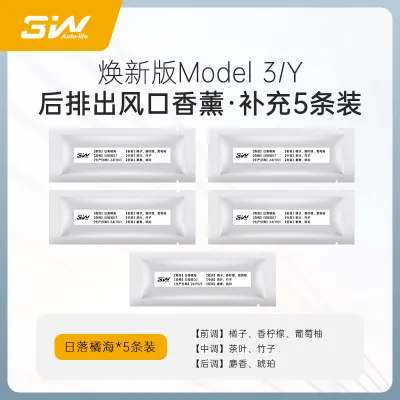
Humidity also plays a critical role in how scent is dispersed and how long the product lasts. High moisture levels in the air can interfere with the evaporation rate of liquid-based fresheners, sometimes causing them to deplete much faster than expected or to release scent unevenly. To counter this, look for products designed with controlled-release mechanisms, such as membrane-regulated diffusion or solid-state carriers. These designs help maintain a consistent scent profile regardless of whether the air conditioning is running or the car is parked in a humid basement carpark.
Products mentioned in this guide
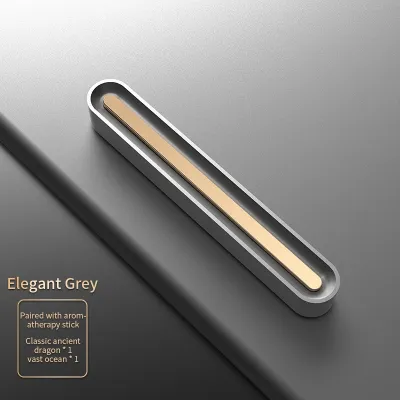
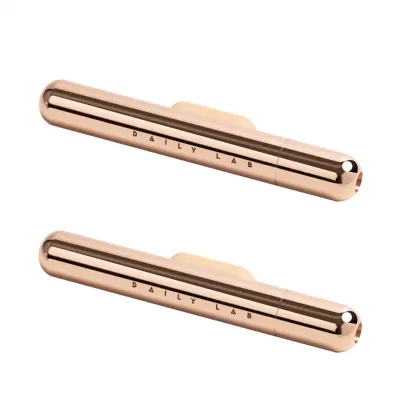

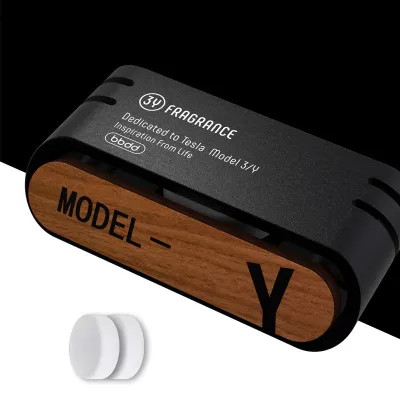
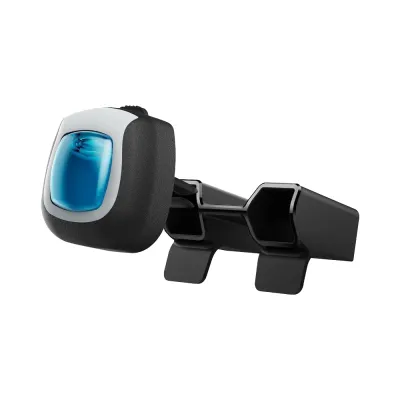

Prices are valid at publication and may change. Please refer to the product page for the latest price.
Chemical safety is another vital factor when selecting an air freshener for a high-heat environment. Many conventional air fresheners rely on volatile organic compounds (VOCs) to carry and disperse fragrance. When subjected to intense heat, these compounds can off-gas at an accelerated rate, leading to an overwhelming concentration of chemicals in the enclosed cabin. This can cause headaches, eye irritation, or leave a stubborn film on the inside of your windshield. Prioritize products that are certified low-VOC or those that use natural, plant-based essential oils with clear safety data sheets. Always verify that the product formulation is rated safe for enclosed, unventilated spaces subjected to solar heating.
Evaluating Air Freshener Formats for Tesla Interiors
Tesla’s interior design philosophy is famously minimalist, featuring clean lines, a continuous glass roof, and a dashboard largely devoid of physical buttons or traditional air vents. This unique architecture means that standard, off-the-shelf air fresheners often do not fit or can disrupt the clean aesthetic of the cabin. The expansive glass roof also increases the solar load inside the vehicle, meaning any accessory mounted on or near the dashboard will be subjected to direct, intense sunlight. Consequently, you must carefully evaluate where and how a freshener is mounted to ensure it does not interfere with the vehicle’s operation, damage the interior, or degrade prematurely under the sun.

Vent Clips and HVAC Attachments
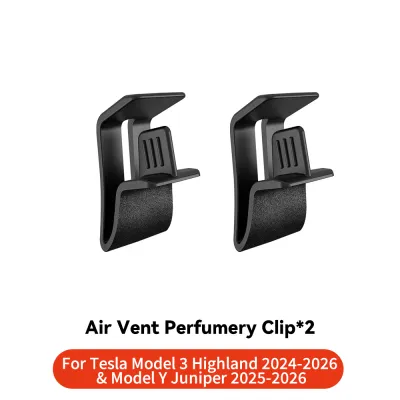
The continuous, hidden air vent design found in the Tesla Model 3 and Model Y presents a unique challenge for traditional vent-clip air fresheners. Unlike conventional cars with adjustable plastic slats, these Tesla models utilize a single, narrow slot that runs across the dashboard to distribute air. Standard vent clips simply will not grip this design securely. When shopping for vent-mounted options, look specifically for custom-engineered clips designed to slide into the Tesla vent slot without forcing the plastic apart.
Using an incompatible clip can scratch the delicate trim or permanently deform the vent opening, leading to uneven airflow or annoying rattles while driving. Furthermore, ensure that the attachment does not block the airflow sensors or the physical movement of the air direction controls, which are adjusted digitally via the touchscreen. The weight of the freshener is also important; heavy accessories can strain the internal vent mechanism. Always opt for lightweight, low-profile designs that sit flush with the dash to maintain both the aesthetic and the functionality of the HVAC system.
Dashboard and Hanging Accessories
Hanging air fresheners, such as those designed to dangle from the rearview mirror, must be evaluated with caution in a Tesla. The central touchscreen and the clean dashboard area must remain completely unobstructed to ensure a clear view of the road and the instrument displays. A hanging accessory that swings during cornering or braking can be a visual distraction and may even interfere with the forward-facing Autopilot cameras mounted near the rearview mirror housing. If you choose a hanging option, ensure the cord is short enough to prevent excessive movement and that the product does not contact the screen or dashboard.
Dashboard-mounted fresheners that rely on adhesives or suction cups face extreme thermal stress in Singapore. The surface temperature of a dark dashboard parked under the sun can easily surpass 60 degrees Celsius. Under these conditions, standard adhesives can melt, leaving a sticky, difficult-to-remove residue on the dashboard material, or worse, causing the freshener to slide off and spill. If you select a dashboard accessory, verify that the adhesive is rated for high-temperature automotive use and is specified as residue-free upon removal. Suction cups should be checked regularly, as the heat can dry out the plastic, causing them to lose suction and fall while the vehicle is in motion.
Solid, Gel, and Diffuser Stones
For drivers looking to avoid the risks associated with liquids and adhesives, solid-state fresheners, gels, and ceramic diffuser stones offer a compelling alternative. Solid diffusers, such as those made from scented wood, felt, or ceramic, do not contain free-flowing liquids that can spill or leak onto your center console. However, you must still read the product labels carefully to ensure the carrier material can withstand high temperatures without crumbling, warping, or releasing oils too rapidly.
Gel-based fresheners are popular for their longevity, but they require careful placement in a tropical climate. Some lower-quality gels can liquefy when exposed to extreme cabin heat, turning back into a fluid that can easily spill if the vehicle takes a sharp turn. Look for heat-resistant gel formulations that are specifically labeled as non-melting. When placing solid or gel fresheners, choose secure, shaded locations such as the under-seat storage areas, the center console compartments, or the door pockets. Avoid placing them on top of the dashboard or in direct sunlight, and always ensure they are positioned far away from airbag deployment zones to prevent them from becoming dangerous projectiles in an accident.
Verifying Interior Material Compatibility
Tesla interiors make extensive use of modern, sustainable materials, including premium vegan leather on the seats and steering wheel, open-pore wood or composite trims, and soft-touch plastics. While these materials are durable, they can be highly sensitive to certain chemical agents found in common air fresheners. Liquid spillages or even prolonged contact with scented materials can cause irreversible damage, making material compatibility verification a crucial step before installation.
When selecting an air freshener, carefully review the ingredient list and product labels for surface safety declarations. Avoid products that contain high concentrations of alcohol, synthetic solvents, or strong essential oils like citrus or eucalyptus, which can act as natural solvents. If these substances leak or drip onto vegan leather, they can strip the protective topcoat, leading to bubbling, cracking, discoloration, or a sticky texture that is nearly impossible to repair. Suede and Alcantara surfaces are even more delicate; any liquid contact can mat the fibers and ruin the texture permanently.
To protect your vehicle’s interior, adopt a proactive verification routine. Before placing any air freshener in a position where it might contact a cabin surface, test a small, inconspicuous area of the material with a tiny amount of the product if possible, or opt for a completely isolated mounting style. If you notice any softening, color transfer, or change in texture, remove the product immediately. If the manufacturer’s instructions for the air freshener conflict with Tesla’s official interior cleaning and maintenance guidelines, always defer to the vehicle manufacturer’s recommendations. If a spill does occur, stop and consult a professional detailer or the manufacturer rather than attempting to scrub the area with harsh household chemicals, which can exacerbate the damage.
Maintenance and Replacement Routine
Managing your Tesla’s cabin scent is not a set-and-forget task, especially in Singapore’s demanding climate. Establishing a regular maintenance and replacement routine ensures that your air freshener remains effective and safe throughout its lifespan. Regularly inspect the physical state of your air freshener. Look for signs of degradation such as gel shrinkage, solid carriers crumbling, or liquid components becoming cloudy or discolored. These physical changes are clear indicators that the active ingredients have depleted and the product needs to be replaced.
In the event of an accidental spill or if you notice adhesive residue left behind by a dashboard mount, prompt cleanup is essential to prevent permanent staining or material degradation. Use only manufacturer-approved, mild interior cleaners that are specified as safe for vegan leather and automotive plastics. Avoid using abrasive pads, strong detergents, or household glass cleaners on interior surfaces. Gently blot any liquid spills with a clean microfiber cloth rather than rubbing, which can push the liquid deeper into the pores of the material.
Finally, coordinate your air freshener replacement with your vehicle’s overall cabin air quality maintenance. Tesla vehicles are equipped with advanced cabin air filtration systems, including high-efficiency particulate air (HEPA) filters in models with Bioweapon Defense Mode. If your cabin air filter is dirty or clogged, it can trap moisture and organic matter, leading to musty odors that no air freshener can successfully mask. Aligning your freshener replacement and periodic cabin airing—such as opening the doors in a well-ventilated, shaded area for a few minutes—with your scheduled cabin air filter replacements will ensure a consistently fresh, clean, and healthy driving environment.
Frequently Asked Questions (FAQ)
Can I use essential oil diffusers in my Tesla?
Yes, you can use essential oil diffusers in your Tesla, but you must take specific precautions to protect the vehicle’s electronics and interior materials. Active water-mist diffusers plug into the USB ports or 12V outlet and can introduce excess moisture into the cabin, which is undesirable in Singapore’s already humid climate. Furthermore, the fine mist can settle on sensitive electronic components, such as the touchscreen or center console ports, potentially causing short circuits over time. If you prefer essential oils, opt for passive diffusers, such as solid ceramic stones or wood blocks that absorb the oil. Ensure these passive diffusers are securely mounted in a spill-proof holder and placed away from any vegan leather or plastic surfaces to prevent oil transfer and staining.
Does Cabin Overheat Protection affect air fresheners?
Tesla’s Cabin Overheat Protection is a useful feature that prevents the cabin from exceeding a set temperature (typically 40 degrees Celsius) for up to 12 hours after you park. While this system significantly reduces the peak thermal stress on your interior accessories, it only operates when the battery charge is above 20 percent and is not active indefinitely. Therefore, your air freshener must still be rated to withstand the residual heat and direct sunlight that can accumulate when the system is inactive or when the car is parked for extended periods. Always choose high-quality, thermally stable fresheners, and do not rely solely on Cabin Overheat Protection to protect low-quality gels or liquids from melting or leaking.

Community discussion
Share your experience or ask a question. Comments are reviewed before publication.