
Selecting a roof box requires balancing your storage needs with your car’s physical dimensions. Installing an oversized cargo box on a compact vehicle can lead to severe aerodynamic drag, excessive wind noise, and potential safety hazards on the road. Conversely, choosing a box that is too small for a large utility vehicle might leave you without enough space for essential gear while looking visually disproportionate. Finding the right fit ensures a safe, efficient, and comfortable journey, whether you are navigating daily urban traffic or embarking on an interstate road trip.
To simplify your initial selection, consider a straightforward vehicle-to-box mapping framework. Compact hatchbacks and city cars generally pair best with short or compact roof boxes that do not overhang the front windshield. Standard sedans and mid-size SUVs are highly versatile, easily accommodating medium or standard-sized boxes that balance storage capacity with aerodynamic efficiency. Large SUVs, multi-purpose vehicles (MPVs), and station wagons provide the roof length and structural support needed for long or extra-large (XL) cargo boxes, which are ideal for bulky equipment and extensive luggage.
Before finalizing any purchase, you must verify your vehicle’s specific roof load capacity and the spacing of your crossbars. Every car manufacturer specifies a maximum weight limit that the roof structure can safely support while the vehicle is in motion. Additionally, the distance between your front and rear crossbars—known as the crossbar spread—must match the mounting points of the roof box. Taking these measurements early prevents compatibility issues and ensures your setup remains secure under all driving conditions.
Products mentioned in this guide
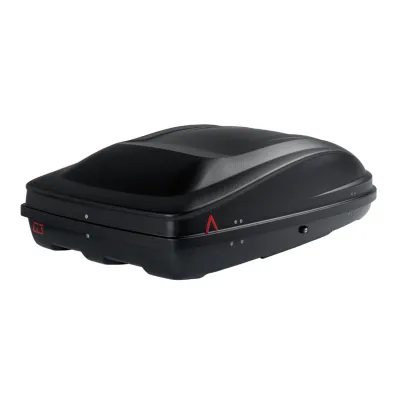
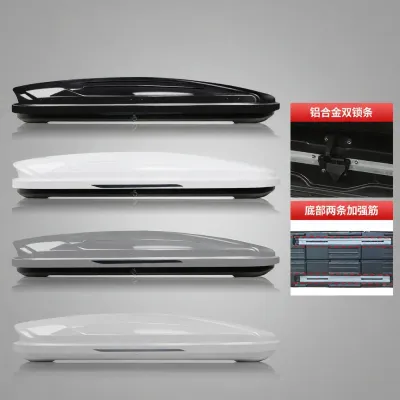
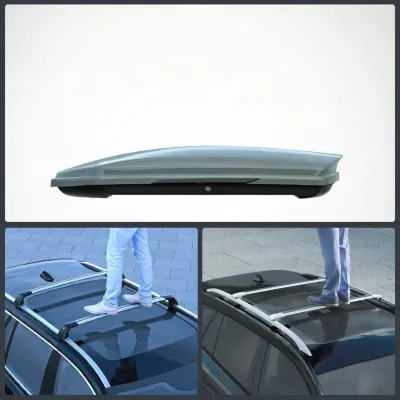
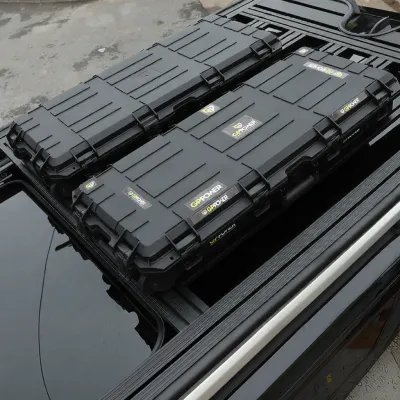
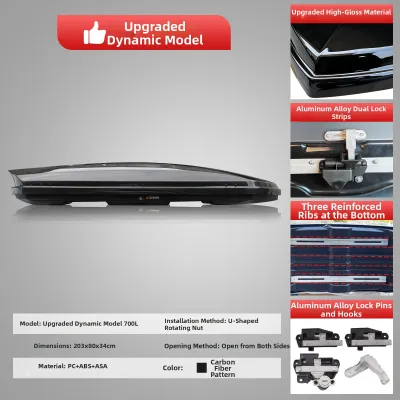
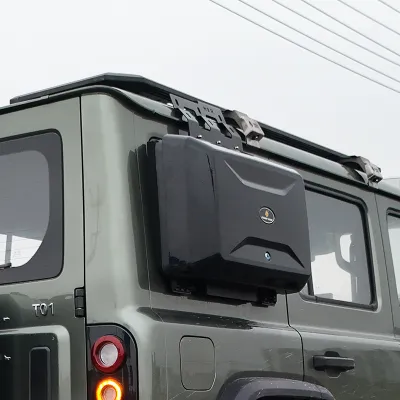
Prices are valid at publication and may change. Please refer to the product page for the latest price.
Key Factors for Selecting the Right Taka Model
Vehicle Roof Dimensions and Crossbar Compatibility
To determine which cargo box will fit your vehicle, start by measuring the usable length of your roof. This measurement should run from the top edge of your front windshield to the point where your rear hatch or trunk lid opens. If a roof box is too long, it may overhang the front windshield, catching upward wind currents that place immense upward leverage on the mounting hardware, or it may prevent your rear hatch from opening fully.
Next, measure your crossbar spread, which is the distance between the center of the front crossbar and the center of the rear crossbar. A Taka roof box requires a specific range of crossbar spacing to ensure the mounting clamps can grip securely. Most modern roof boxes utilize adjustable mounting tracks, but you must still verify that your crossbars can be positioned within the manufacturer’s recommended range, typically between 60 and 90 centimeters.
Compatibility also depends on the shape and profile of your existing crossbars. Roof racks come in several profiles, including aerodynamic wing bars, classic square bars, and heavy-duty round bars. You must check whether the mounting clamps supplied with your chosen cargo box are designed to wrap around your specific crossbar shape and width. If your vehicle features factory-installed flush side rails or a bare roof, you will need to purchase a compatible aftermarket crossbar system before you can mount any cargo box. If you are unsure of the compatibility, consult a qualified professional installer to ensure the rack is safely anchored.
Finally, always consult your vehicle’s owner manual to locate the maximum dynamic roof load limit. The dynamic load limit is the absolute maximum weight your vehicle’s roof can carry while moving, and it must account for the combined weight of the crossbars, the empty roof box itself, and the cargo loaded inside. Exceeding this limit can compromise your vehicle’s structural integrity, void your warranty, and severely degrade your car’s handling and braking performance.
Cargo Volume and Typical Travel Scenarios
Estimating your storage requirements depends heavily on your typical travel scenarios and the number of passengers in your vehicle. For quick weekend getaways with two or three people, a compact box with a volume of 300 to 400 liters is usually sufficient to hold soft duffel bags, sleeping bags, and light outdoor gear. This setup keeps the vehicle’s profile low and minimizes the impact on fuel consumption during shorter trips.
Extended road trips, family vacations, or camping expeditions demand significantly more space, often requiring boxes with a capacity of 450 to over 600 liters. These larger volumes allow you to pack bulky, heavy items like family-sized tents, folding chairs, sleeping pads, and large storage bins. By moving these space-consuming items to the roof, you free up valuable cabin space, ensuring a much more comfortable ride for passengers in the back seats.
When selecting a box, the physical shape of your cargo is just as important as the total volume. Long, rigid items such as fishing rods, tripods, camera sliders, or folded strollers require a long, narrow box rather than a short, wide one, even if the total volume rating is identical. Before purchasing, measure the length of your longest piece of gear and compare it to the internal length specifications of the roof box to ensure a proper fit.
Keep in mind the natural trade-off between maximum cargo capacity and the aerodynamic profile of your vehicle. Taller, wider boxes offer immense storage potential but create more wind resistance, which can increase fuel consumption and generate noticeable wind noise at highway speeds. Sleeker, low-profile designs glide through the air with minimal drag, but they limit your ability to pack tall, upright items, requiring you to pack smarter and use soft-sided luggage.
Taka Roof Box Categories by Capacity and Use Case
Compact and Short Models for Hatchbacks and Light Gear
Compact and short roof boxes are engineered specifically for smaller vehicles, solo travelers, or couples who need a moderate amount of extra storage without overwhelming their car’s roofline. These models typically offer capacities ranging from 300 to 350 liters, making them an excellent fit for compact hatchbacks, city cars, and smaller crossover utility vehicles. They provide just enough space to clear out cabin clutter without requiring a massive physical footprint on top of your car.

The typical cargo for this category includes soft-sided luggage, backpacks, sleeping bags, and small coolers. Because these boxes are shorter, they are highly optimized for flexible, compressible items that can be easily arranged to fill the available space. They are not suited for long, rigid gear, so if you plan to transport long sporting equipment or oversized folding tables, you will need to look at longer model tiers.
One of the primary advantages of a compact roof box is its lightweight construction, which makes installation and removal a simple task that can often be completed by a single person. The smaller frontal surface area also means these boxes have a negligible impact on your vehicle’s fuel efficiency and generate very little wind noise, even when driving at highway speeds. This makes them a highly practical choice for daily commuters who occasionally need extra space for weekend activities.
However, these smaller models do come with clear limitations. Their restricted length means they cannot accommodate items longer than approximately 130 to 140 centimeters, which rules out many types of outdoor gear and larger strollers. Additionally, mounting a very short box on a large SUV or station wagon can look visually awkward and disproportionate, failing to utilize the full cargo-carrying potential of a larger vehicle’s roofline.
Standard and Medium Models for Sedans, SUVs, and Family Trips
Standard and medium-sized roof boxes represent the most versatile tier in the market, designed to meet the needs of families of three to four people. With capacities generally ranging from 400 to 480 liters, these boxes offer a substantial increase in storage space while maintaining a highly aerodynamic profile. They are the ideal match for mid-size sedans, compact-to-medium SUVs, and smaller station wagons, blending seamlessly with standard vehicle rooflines.
This category is perfect for carrying a mix of hard and soft luggage, including multiple medium-sized suitcases, folded baby strollers, camping chairs, and sports gear. The added length of these boxes—usually between 175 and 195 centimeters—allows you to transport longer items that would never fit in a compact model. This versatility makes them the go-to choice for family road trips, beach holidays, and regional travel where passenger comfort inside the cabin is a priority.
A major benefit of standard models is their balanced design, which distributes volume longitudinally along the roof to minimize aerodynamic drag. When properly positioned, these boxes fit comfortably on most standard vehicle roofs without overhanging the front windshield, preserving forward visibility and reducing wind lift. Many models in this range also feature dual-side opening mechanisms, allowing you to load and unload gear easily from either the driver or passenger side of the vehicle.
Despite their versatility, standard models require careful positioning to avoid interference with your vehicle’s rear hatch. If your car has a short roofline or a steep rear spoiler, mounting a medium-sized box too far back can prevent the hatch from opening fully, potentially damaging the paint or the spoiler. You must ensure your crossbars allow enough forward adjustment to clear the rear door when it is fully raised.
Large and Extra-Long Models for Station Wagons and Bulky Equipment
Large and extra-long (XL) roof boxes are built for heavy-duty hauling, catering to large families, serious outdoor enthusiasts, and owners of full-size SUVs, MPVs, or large station wagons. These high-capacity models typically offer 500 to over 600 liters of storage space, stretching up to 210 centimeters or more in length. They are designed to maximize your vehicle’s carrying capacity, allowing you to pack for extended self-sustained trips with ease.
The cargo capacity of an XL box accommodates large hard-shell suitcases, bulky camping gear, full-sized strollers, and long sporting equipment such as fishing rods, tripods, and collapsed gazebos. The expansive interior volume means you rarely have to compromise on what to bring, making it possible to transport all your gear in a single, secure overhead compartment while keeping the vehicle interior completely free for passenger comfort.
Most premium large models come equipped with advanced features like dual-side opening, reinforced bases, and multi-point central locking systems that secure the lid at several spots along the frame. The dual-side opening is particularly valuable on taller vehicles, as it allows you to access your gear from either side of the car without having to stretch across the entire width of the roof. The reinforced construction helps distribute heavy loads evenly across the crossbars.
However, these maximum-capacity boxes carry significant trade-offs that you must consider before buying. They are physically heavy and awkward to handle, requiring at least two people for safe installation and removal to avoid scratching your vehicle’s paint. The large frontal area increases aerodynamic drag, which will noticeably reduce your vehicle’s fuel economy and generate more wind noise at highway speeds. You must also perform precise clearance checks to ensure the massive length does not block your rear hatch or interfere with your vehicle’s roof-mounted radio antenna.
Installation, Safety, and Clearance Checks Before You Buy
Before purchasing and mounting a roof box in Singapore, calculating your vehicle’s total height is an absolute necessity. To find this, add the height of your vehicle (found in your owner’s manual) to the height of your crossbars and the height of the roof box itself. Many HDB multi-storey car parks, condominium basements, and shopping mall car parks across Singapore have strict height clearance limits, often ranging from 1.85 meters to 2.1 meters. Older commercial buildings and basement car parks in busy shopping districts can have clearances as low as 1.8 meters, meaning a tall SUV equipped with a roof box could easily strike overhead beams, sprinkler pipes, or signage. Always measure your completed setup manually and place a small reminder sticker with the total height on your dashboard to avoid costly accidents.
Adding a loaded cargo box to your roof significantly alters your vehicle’s center of gravity, which directly impacts its handling and stability. Because the weight is positioned high above the suspension, your car will experience increased body roll when cornering and may feel less stable when subjected to strong crosswinds. This effect is particularly noticeable when driving on elevated expressways, coastal roads, or during interstate travel along highway routes where wind speeds are higher. To maintain safety, you should reduce your speed, take corners more cautiously, and increase your following distance, as the added weight and aerodynamic drag can slightly increase your braking distance.
Proper weight distribution inside the roof box is critical to preventing damage to your vehicle and ensuring safe handling. As a general rule of thumb, aim to distribute your cargo’s weight evenly: place approximately 50 percent of the weight in the middle of the box directly between the two crossbars, with the remaining 50 percent divided equally between the front and rear sections (25 percent each). Always use the internal tie-down straps provided with your Taka roof box to secure your gear tightly, preventing heavy items from shifting forward during sudden braking or sliding backward during rapid acceleration.
Maintaining your roof box ensures its longevity and keeps your cargo safe from the elements. Periodically inspect the mounting clamps, brackets, and locks to ensure they remain tight and secure, especially after the first few kilometers of a trip and after driving through heavy rain or over rough roads. Clean the exterior of the box using only mild soap, water, and a soft cloth; never use harsh chemical cleaners, solvents, or abrasive pads, as these can degrade the UV-resistant plastic coating. Finally, always remove the roof box before entering an automatic drive-through car wash, as the heavy spinning brushes can catch on the box, causing severe damage to both the cargo carrier and your vehicle’s roof structure.
Frequently Asked Questions (FAQ)
Do I need special crossbars to mount a Taka roof box?
Taka roof boxes are designed with highly adaptable mounting systems that are compatible with most standard aftermarket crossbars, including aerodynamic wing bars, classic square steel bars, and round bars. However, you must verify that the width and thickness of your existing crossbars fall within the maximum grip dimensions specified by Taka’s mounting clamps. If your vehicle has a bare roof or flush side rails without any crossbars, you cannot mount a roof box directly; you must first purchase and install a compatible roof rack system tailored to your specific vehicle model.
Will a Taka roof box block my car's rear hatch from opening?
Whether a roof box interferes with your rear hatch depends on your vehicle’s roof length, the position of your crossbars, and the physical length of the cargo box. To prevent interference, measure the distance from the center of your front crossbar to the seam where your rear hatch meets the roof when closed. Compare this measurement with the rear clearance specification of the Taka model you are considering, ensuring the box can be positioned far enough forward on your crossbars to allow the hatch to open fully without contact.
Community discussion
Share your experience or ask a question. Comments are reviewed before publication.