
The XPeng G6, with its distinctive fastback silhouette, sweeping windshield, and expansive glass roof, represents a modern approach to electric vehicle design. While this aerodynamic styling creates an airy, futuristic cabin, it also exposes the interior to significant solar heat gain, particularly when parked in open-air spaces under intense tropical sunlight. To maintain a comfortable cabin temperature, protect the premium interior upholstery, and reduce the initial cooling load on your vehicle’s air conditioning system, selecting the right sunshades is an essential step.
Finding the perfect sunshade setup for the XPeng G6 requires a clear understanding of the vehicle’s unique physical dimensions and interior layout. Because the G6 features frameless side doors, a highly raked front windshield, and a sensitive array of advanced driver assistance system (ADAS) sensors behind the rearview mirror, generic off-the-shelf shades often fall short. By focusing on precise fitment, material efficiency, and safe installation practices, you can protect your vehicle’s cabin while preserving its advanced technological components.
Verifying XPeng G6 Window Dimensions for a Perfect Fit
Achieving an effective thermal barrier starts with verifying the exact dimensions of your XPeng G6’s glass surfaces. The front windshield of the G6 is notably wide and steeply angled, which creates a larger surface area than that of a traditional compact SUV. To ensure a seamless fit, you should consult your owner’s manual or official vehicle specifications for any listed glass dimensions, though manual verification remains the most reliable baseline before making a purchase.
Products mentioned in this guide
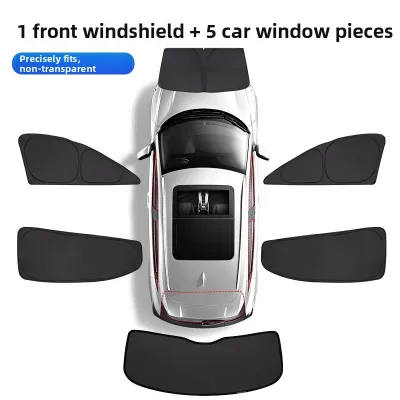
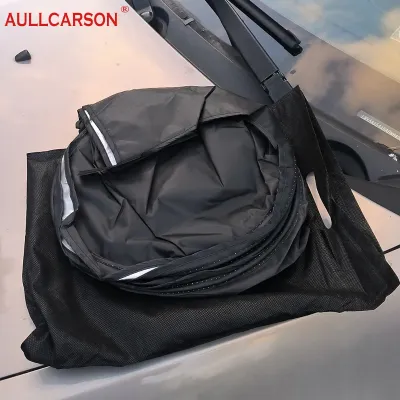

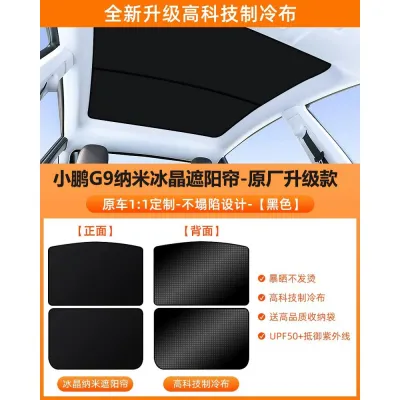
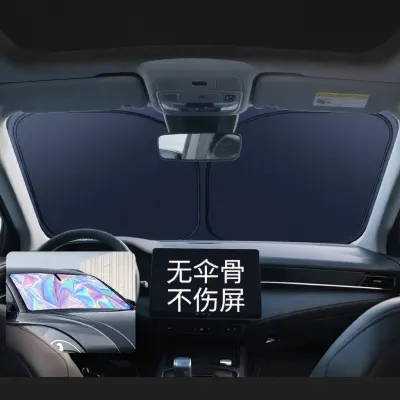
Prices are valid at publication and may change. Please refer to the product page for the latest price.
When evaluating sunshades, it is important to understand the practical differences between custom-fit and universal-fit options. Custom-fit shades are manufactured using 3D laser scans of the XPeng G6’s interior cabin, allowing the shade to snap directly into the window frame with virtually zero light leakage. Universal-fit alternatives, while often more budget-friendly, rely on flexible tension wires or oversized fabric panels that must be bent or overlapped, which frequently results in sagging, gaps, and reduced thermal efficiency.
To measure your windshield manually for a universal shade, use a flexible measuring tape and record three primary dimensions. First, measure the maximum horizontal width along the bottom cowl near the dashboard, followed by the narrower horizontal width along the top headliner. Second, measure the vertical height from the base of the dashboard to the top of the glass along the center line. Finally, measure the diagonal distance from the bottom corner to the opposite top corner; this accounts for the trapezoidal shape of the windshield and helps you avoid purchasing a shade that is too short at the outer edges.
For the side windows, the measurement process must account for the G6’s frameless door design. Because there is no upper metal frame surrounding the glass when the door is opened, you must measure the glass panel itself while the window is fully rolled up. Measure the horizontal length along the lower window sill and the vertical height at the tallest point of the glass, keeping in mind that any shade must secure directly to the glass or fit snugly within the rubber weatherstripping of the vehicle body.
Evaluating Windshield Sunshade Styles for Daily Use
Selecting a windshield sunshade style involves balancing thermal performance, ease of deployment, and storage convenience within the XPeng G6’s minimalist cabin. The three most common styles—accordion-foldable, umbrella-style, and static-cling—each offer distinct operational trade-offs that impact your daily driving routine.

Accordion or foldable sunshades are typically constructed from multi-layered materials, such as polyethylene bubble foil or dense closed-cell foam sandwiched between reflective outer layers. These shades offer excellent structural rigidity, meaning they will not sag or collapse even when exposed to intense cabin heat for extended periods. However, their folded storage footprint is relatively large; because they do not compress down significantly, you must weigh their superior heat-blocking capabilities against the inconvenience of storing a long, stiff panel in your rear footwell or cargo area.
Umbrella-style sunshades have become increasingly popular due to their highly compact storage design. These shades feature a collapsible metal rib structure that opens like a standard rain umbrella, resting flat against the inside of the windshield. While they fold down into a small sleeve that easily fits into the G6’s door pockets, you must exercise extreme caution during installation. The central metal shaft of an umbrella shade can easily press against or scratch the G6’s prominent 15.6-inch central infotainment screen or scrape the soft-touch dashboard materials. If you choose this style, look for models that feature a flexible, bendable shaft or a detachable handle design to prevent accidental interior damage.
Static-cling films and temporary mesh shades represent another category, though they are rarely suitable for the front windshield. While static-cling technology works well for stationary side windows, applying any semi-permanent film to the front windshield can impair driver visibility and violate local road safety regulations. Furthermore, temporary shades that rely on suction cups or static cling on the front glass can interfere with the rain sensors or leave adhesive residues that degrade the optical clarity required for safe driving.
Selecting Side and Rear Window Shades for Visibility and Comfort
Managing heat and glare through the side and rear windows of the XPeng G6 requires a careful balance between passenger comfort and driver visibility. Because the G6 is designed with frameless doors, traditional clip-on shades that hook over the top of a standard door frame cannot be used, as they would prevent the window from sealing properly when closed.
Pull-down or roller-style sunshades typically attach to the window glass via suction cups or adhesive brackets. While convenient, these shades present a mechanical risk in vehicles with frameless doors. If a passenger accidentally rolls down the window while a suction-cup shade is attached, the shade can jam against the outer weatherstripping, potentially damaging the window regulator motor, tearing the delicate rubber seals, or scratching the glass surface. If you opt for roller shades, they must be fully detached before operating the windows.
Privacy mesh screens are often the most practical solution for the G6’s rear passenger windows. These screens are custom-molded to the exact shape of the window opening and are held in place by small magnetic clips attached to the inner metal frame of the car body, or via a precise press-fit design within the window channel. They allow you to roll down the window slightly to let fresh air in while still blocking insects and direct sunlight. However, you must remain aware of visibility limitations; dense mesh screens can significantly reduce your lateral visibility at night or during heavy rain, making it harder to check your blind spots.
The sloping rear windshield of the XPeng G6’s fastback design is a major entry point for solar heat, directly affecting rear passengers and cargo. When selecting a rear windshield shade, verify that the product does not obstruct the high-mount stop lamp (third brake light) or put excessive pressure on the integrated defroster heating lines. Additionally, if your G6 is configured with a digital rearview mirror that relies on an interior-mounted camera, ensure the shade features a precise cutout so it does not block the camera’s field of view.
Comparing Materials for Heat Rejection and Durability
To maximize the thermal comfort of your XPeng G6, it is helpful to understand the physical principles behind different sunshade materials. Sunshades generally fall into two categories: those that reflect solar radiation and those that absorb it.
Reflective materials, such as silver-coated polyester, aluminum foil laminates, and metallic-coated fabrics, work by bouncing solar energy back through the windshield glass before it can convert into heat inside the cabin. This is highly effective for parked vehicles, as it keeps the dashboard, steering wheel, and front seats physically cool to the touch. In contrast, dark, heat-absorbing materials like black mesh or dense felt absorb the solar energy, holding the heat within the shade itself. While absorptive shades are excellent for reducing glare while driving, they will eventually radiate that trapped heat into the cabin if the vehicle remains parked in the sun for hours.
When shopping for sunshades, look for products that explicitly list their Ultraviolet Protection Factor (UPF) rating. A certified UPF 50+ rating indicates that the material blocks more than 98% of harmful UVA and UVB radiation, which is critical for preventing the synthetic leather seats and soft-touch plastics of your G6 from fading, cracking, or peeling over time. Additionally, check for material safety certifications, such as RoHS or OEKO-TEX compliance, which ensure that the sunshade will not release harmful volatile organic compounds (VOCs) or chemical odors when exposed to extreme cabin temperatures that can easily exceed 60 degrees Celsius.
Durability is heavily influenced by the quality of the shade’s construction. Examine the edge binding of the sunshade; high-quality options feature double-stitched, heat-resistant polyester tape that prevents the layers from delaminating or fraying. The internal frame wire should be made of high-tensile carbon steel or flexible fiberglass that can withstand hundreds of folding and twisting cycles without snapping, warping, or tearing through the outer fabric sleeve.
Pre-Purchase Checklist and Installation Safety Boundaries
Before finalizing your purchase of a sunshade for your XPeng G6, review this essential checklist to ensure compatibility, safety, and ease of use:
- Explicit Compatibility: Confirm that the product description or packaging explicitly states compatibility with the "XPeng G6" and matches your specific model year. Avoid generic "mid-size SUV" or "universal medium" sizes unless you have verified the dimensions manually.
- ADAS Camera Clearance: The XPeng G6 features a sophisticated suite of forward-facing cameras and sensors mounted in a plastic housing behind the rearview mirror. Ensure your chosen front sunshade has a deep, dedicated cutout—ideally secured with a hook-and-loop strap—to wrap around the mirror stem. Never force a stiff, uncut sunshade against this housing, as excessive pressure can misalign the cameras or damage the delicate sensor mounts.
- Screen and Control Protection: When deploying or folding your sunshade, always be mindful of the G6's 15.6-inch central touchscreen and the steering wheel controls. A sudden, uncontrolled spring-open of a wire-frame shade can strike the screen, potentially cracking the glass or scratching the anti-glare coating.
- Secure Storage: When not in use, store your sunshade in its designated protective sleeve and secure it in the trunk, the under-floor storage compartment, or the seatback pockets. A loose sunshade can become a dangerous projectile inside the cabin in the event of sudden braking or a collision.
Frequently Asked Questions (FAQ)
Do I need custom-fit or universal sunshades for the XPeng G6?
Custom-fit sunshades are highly recommended for the XPeng G6 due to its unique windshield curvature, frameless side windows, and specific ADAS sensor housing. Custom-fit models provide edge-to-edge coverage with zero gaps, maximizing heat rejection and preventing light leaks. Universal shades are more affordable and easier to transfer between vehicles, but they often sag, leave significant gaps around the A-pillars, and may put unwanted pressure on the central touchscreen or rearview mirror.
Will a windshield sunshade interfere with XPeng G6 sensors?
A properly designed sunshade will not interfere with the XPeng G6’s sensors, provided it features a deep cutout for the rearview mirror and the forward-facing ADAS camera housing. When installing the shade, gently slide the cutout around the mirror base and secure it using the integrated hook-and-loop fasteners. Never force a stiff, uncut universal shade over the sensor housing, as excessive pressure can damage the mounting brackets or misalign the camera system used for driver assistance features.
How should I clean and store my car sunshades?
To clean your sunshades, gently wipe the reflective and fabric surfaces with a damp microfiber cloth. Avoid using harsh chemical cleaners, bleach, or abrasive scrubs, which can strip away the reflective silver coating or damage the UV-resistant finish. Allow the shade to air-dry completely before folding. For storage, follow the manufacturer’s twisting instructions to collapse the frame into a compact circle, and always store it inside its protective sleeve to prevent dust accumulation and accidental unfolding while driving.
Community discussion
Share your experience or ask a question. Comments are reviewed before publication.