
For cycling enthusiasts in Singapore, transporting your bicycle to popular trails like the Green Corridor, Chestnut Nature Park, or the coastal paths of East Coast Park requires a reliable transport system. Choosing the right roof rack involves balancing vehicle compatibility, mounting systems, and local infrastructural constraints. A well-chosen system expands your vehicle’s utility, keeping the interior clean and free for passengers while ensuring your valuable bicycles arrive safely at your destination. To make an informed decision, you must evaluate how your car’s structural design interacts with different rack configurations, while keeping Singapore’s unique urban landscape in mind.
Verify Your Vehicle’s Roof Configuration and Weight Limits
Before purchasing any roof rack system, you must identify your vehicle’s specific roof architecture. Car manufacturers design roofs with distinct mounting interfaces, and installing an incompatible system can lead to structural damage or catastrophic failure on the road. There are four primary roof configurations found on modern passenger cars and SUVs:
- Bare Roofs: These vehicles have smooth rooflines without any pre-installed rails or tracks. Racks designed for bare roofs secure to the vehicle by clamping onto the door frames.
- Fixed Points: Many sedans and hatchbacks feature dedicated mounting points hidden under small plastic covers along the roof ditch. These threaded holes allow direct, bolt-on attachment of rack feet.
- Raised Side Rails: Common on older or larger SUVs and station wagons, these rails run front-to-back and sit elevated from the roof surface, allowing crossbars to clamp around them easily.
- Flush Side Rails: Modern crossovers and SUVs frequently feature rails that run flush against the roof without any gap underneath. These require specific claw-like brackets that grip the inner and outer channels of the rail.
Once you have identified your roof type, you must consult your vehicle owner’s manual to determine its maximum load capacity. This is divided into dynamic load limits (the maximum weight the roof can support while the vehicle is in motion) and static load limits (the capacity when the vehicle is stationary). For roof-mounted bicycle transport, the dynamic load limit is the critical metric.
Products mentioned in this guide
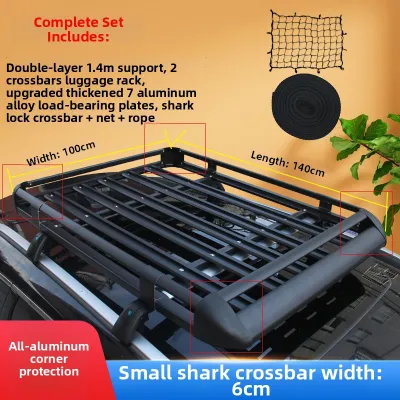
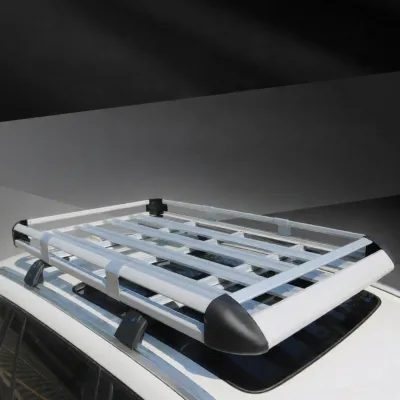
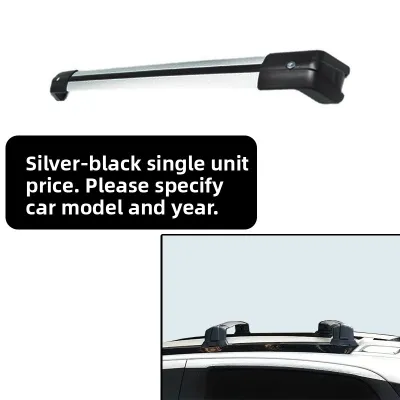
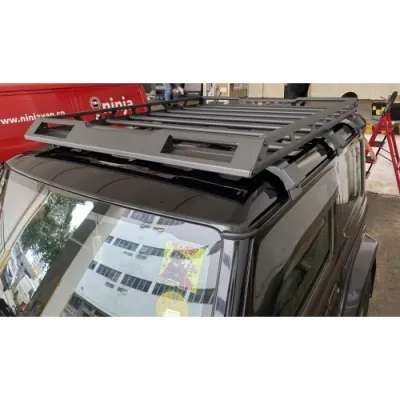
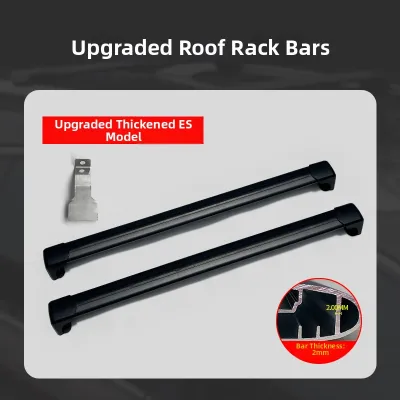
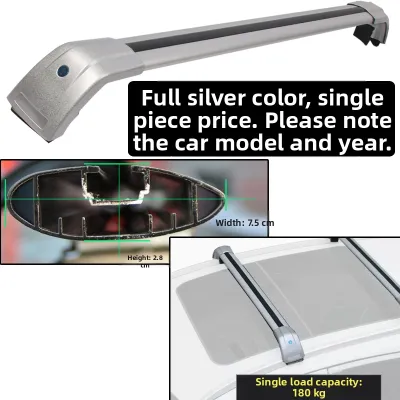
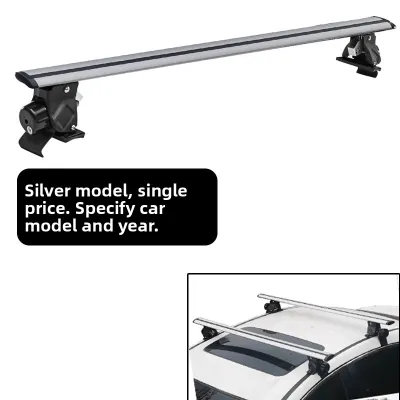
Prices are valid at publication and may change. Please refer to the product page for the latest price.
You must calculate the total weight of your setup to ensure it remains within safe margins. The formula is straightforward: the weight of the crossbars plus the weight of the bike carriers plus the weight of the bicycles themselves must not exceed your vehicle’s lowest stated safety threshold. For example, if your vehicle’s roof limit is 75 kg, and your crossbars and two bike carriers weigh 15 kg combined, your bicycles must not weigh more than 60 kg in total. Exceeding these limits compromises vehicle handling, increases braking distances, and risks damaging the roof structure. Always verify your specific vehicle model, year, and mounting interface against the rack manufacturer’s official fit guide before finalizing your purchase.
Choose the Right Bike Carrier for Your Crossbars
Crossbars serve as the foundation, but the bike carrier is what actually secures your bicycle to the roof rack. Selecting the right carrier depends on your bicycle’s frame material, wheel size, weight, and how much effort you want to spend loading and unloading it.

Fork-Mount vs. Wheel-On Carriers
The two primary styles of roof-mounted bike carriers are fork-mount and wheel-on systems, each offering distinct operational trade-offs.
Fork-mount carriers require you to remove the front wheel of your bicycle before mounting. The front fork dropouts are then clamped directly into a skewer or thru-axle mount on the carrier, while the rear wheel is strapped down to a tray. This style provides an exceptionally secure, low-profile connection that minimizes aerodynamic drag and wind noise. It is highly favored by road cyclists with lightweight frames, as it avoids clamping onto the frame tubes. However, you must store the dirty front wheel inside your vehicle’s boot or purchase an additional wheel holder for the roof.
In contrast, wheel-on carriers allow you to keep both wheels attached to the bicycle. The carrier uses an arm that clamps onto either the front wheel or the frame to hold the bicycle upright. This design offers rapid loading and unloading without the hassle of wheel removal. The major trade-off is height; keeping the front wheel on means the bicycle sits significantly higher, increasing aerodynamic drag, fuel consumption, and wind resistance while driving.
Accommodating E-Bikes and Heavy Mountain Bikes
The rise of heavier bicycles, such as electric bikes (e-bikes) and robust downhill mountain bikes, introduces strict weight considerations. Standard roof-mounted bike carriers are typically rated for bicycles weighing up to 15 to 20 kg. A typical e-bike, with its battery and motor, can easily exceed 23 to 25 kg, pushing past the safe operating limits of standard carriers.
Before attempting to transport a heavy bicycle on your roof, you must verify the maximum load rating of the specific bike carrier. If you plan to carry e-bikes, look for heavy-duty carriers explicitly rated for higher weight capacities, and consider removing the battery pack to reduce the load before lifting the bike onto the roof. If the combined weight of your heavy bikes, carriers, and crossbars approaches or exceeds your vehicle’s dynamic roof limit, you should consider alternative transport methods, such as towbar-mounted racks, which generally offer higher weight capacities. Always cross-reference the manufacturer specifications of both your vehicle and the rack system to ensure absolute safety.
Navigate Height Clearances and Parking Constraints in Singapore
Driving with a roof rack in Singapore presents unique logistical challenges due to the city-state’s highly vertical urban infrastructure. While a standard sedan or SUV easily clears almost any overhead obstacle, adding crossbars, carriers, and upright bicycles can easily double your vehicle’s overall height.
The total added height of your vehicle must be calculated and memorized before you set off. To do this, park your vehicle on level ground with the rack and bicycles fully mounted. Measure the distance from the ground to the absolute highest point of the loaded bicycles—which is often the handlebars or the seat. Write this total height down clearly on a sticky note or card and place it on your dashboard where it is constantly visible while driving.
Singapore’s parking infrastructure is notoriously tight. Most Housing & Development Board (HDB) multi-storey car parks have height clearances ranging from 1.8 meters to 2.1 meters. Many shopping mall basements, commercial buildings, and older driveways have even lower clearances, sometimes dropping to 1.7 meters. If your loaded vehicle height is 2.2 meters, attempting to enter these structures will result in catastrophic damage to your bicycles, your vehicle’s roof, and the building’s overhead pipes or fire sprinklers.
You must actively check clearance signs at every entrance. Do not rely on memory or GPS routing, as temporary roadworks, low-hanging tree branches along park connectors, and underground tunnels may have restricted heights. When in doubt, always park in open-air surface lots rather than risking a low-clearance basement or multi-storey car park.
Secure Your Bikes Against Weather and Theft
A cycling trip in Singapore means navigating unpredictable tropical weather and busy public spaces. Protecting your investment requires proactive steps to secure both the rack and the bicycles.
Singapore’s sudden heavy downpours can subject roof-mounted bicycles to intense wind and water pressure at expressway speeds. To prevent excessive vibration and movement, use secondary heavy-duty straps or bungee cords to secure the wheels and frame to the carrier. This reduces lateral sway and relieves stress on the primary mounting clamps. Additionally, ensure any loose accessories, such as cycle computers, lights, water bottles, and saddlebags, are removed from the bicycle before driving, as these can easily detach and become dangerous road hazards.
Theft prevention is equally critical when parking at popular trailheads or dining spots after a long ride. While Singapore has low crime rates, opportunistic theft can still occur in busy recreational areas. Opt for bike carriers that feature integrated locking cylinders that lock the carrier to the crossbars and the bicycle to the carrier. For added security, loop a heavy-duty, weather-resistant cable lock through the bicycle frames and the roof rack crossbars.
Finally, Singapore’s humid, tropical climate and coastal air can accelerate corrosion. After trips near coastal areas like East Coast Park or Changi, rinse your roof rack and bike carriers with fresh water to remove salt residue and road grime. Periodically apply a manufacturer-approved lubricant to the lock cylinders and moving parts to prevent rust and ensure smooth operation.
Perform Essential Pre-Trip Safety and Installation Checks
Safety on the road is paramount when carrying heavy, wind-resistant loads on your roof. Before every journey, you must perform a systematic safety check to ensure everything is securely fastened.
Begin by physically shaking the roof rack crossbars and the bike carriers. There should be zero play or movement between the rack feet and your vehicle’s roof. If you detect any shifting, immediately inspect the mounting brackets and tighten them according to the manufacturer’s torque specifications. Over-tightening can damage your vehicle’s sheet metal or strip the threads, while under-tightening risks the rack detaching at high speeds.
Once the bicycles are loaded, double-check all mounting clamps, wheel straps, and locking mechanisms. A crucial but often overlooked step is to perform a secondary check after driving the first few kilometers. Road vibrations and wind resistance can cause newly mounted components to settle or loosen slightly. Pull over in a safe location, such as a petrol station or carpark, and manually verify that all fittings remain tight and secure. If you are uncomfortable performing the installation yourself, or if your vehicle requires complex mounting kits, seek professional installation from an authorized automotive accessory specialist to guarantee structural safety and preserve your vehicle’s warranty.
Frequently Asked Questions (FAQ)
Can I leave the roof rack on my car when not carrying bikes?
Yes, you can leave the crossbars and carriers mounted to your vehicle when not in use, but there are notable trade-offs. Leaving the rack installed increases aerodynamic drag, which will slightly reduce your vehicle’s fuel efficiency and generate noticeable wind noise at expressway speeds. If you do not plan to use the rack for an extended period, removing it will save on fuel costs and protect the hardware from constant exposure to Singapore’s harsh sun and rain.
Are there specific traffic rules for roof-mounted bikes in Singapore?
According to Land Transport Authority (LTA) guidelines, any load carried on a vehicle must be securely fastened and must not pose a danger to other road users. The mounted bicycles and rack must not obscure your vehicle’s license plate, headlights, taillights, or turn signals from any rear angle. If your setup blocks the rear license plate, you must install an auxiliary license plate on the rear of the vehicle to remain compliant with local traffic regulations.
Community discussion
Share your experience or ask a question. Comments are reviewed before publication.