
Driving through a sudden tropical downpour in Singapore presents a severe challenge for side-view visibility. When heavy rain sheets down, water droplets rapidly accumulate on side mirrors, distorting your view of adjacent lanes and making critical maneuvers highly hazardous. While many drivers turn to quick-fix accessories, finding a reliable solution requires looking beyond generic marketing promises.
Selecting an effective rear mirror rain strip—often referred to as a side mirror rain guard or visor—demands a careful evaluation of physical designs, material durability under intense equatorial sun, and precise vehicle compatibility. Because Singapore’s climate combines high humidity, extreme UV exposure, and sudden torrential downpours, a low-quality accessory can quickly fail, peel off, or even obstruct your view. By focusing on engineering principles, adhesive specifications, and physical clearance, you can choose an accessory that genuinely enhances wet-weather safety.
Understanding Rear Mirror Rain Strip Designs
To make an informed choice, you must first distinguish between the two primary categories of rain-mitigation accessories available on the market: physical aerodynamic visors and adhesive hydrophobic film strips. Physical visors, often constructed from semi-flexible plastics like acrylic or polycarbonate, act as miniature awnings over the mirror glass. They are designed to shield the upper portion of the mirror from direct rainfall, preventing water from landing on the glass in the first place.
Products mentioned in this guide
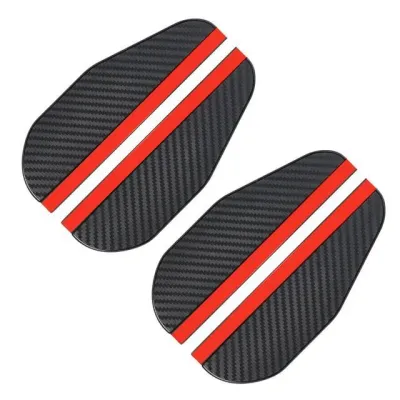

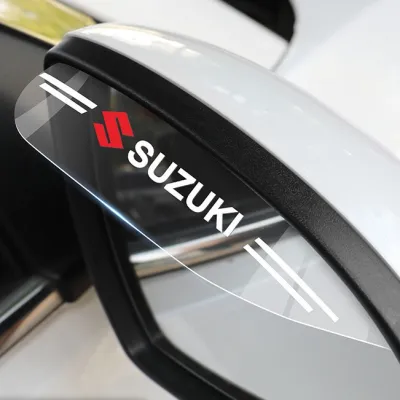
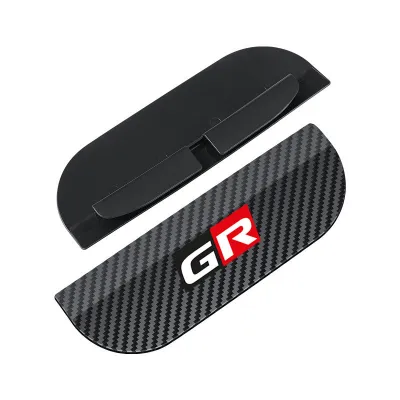
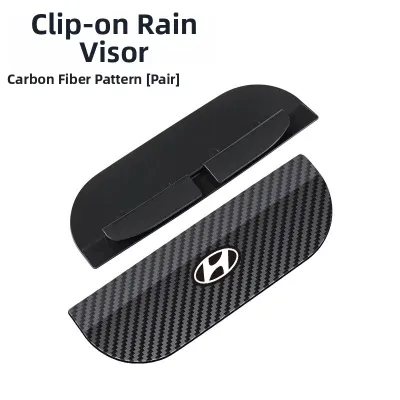

Prices are valid at publication and may change. Please refer to the product page for the latest price.
In contrast, hydrophobic film strips are thin, transparent sheets applied directly to the mirror surface itself. Rather than blocking rain physically, these films use micro-textured surfaces or chemical coatings to reduce surface tension. This causes water droplets to flatten and sheet off rapidly or bead up and roll away, preventing the formation of vision-distorting pools. Some hybrid products attempt to combine both approaches, featuring a small physical guard paired with a localized hydrophobic patch.
The underlying physics of these two designs dictate how they perform under different driving conditions. Physical visors rely heavily on vehicle speed and aerodynamic airflow to channel water away. As your car moves forward, air rushing over the mirror housing is deflected by the visor’s curved edge, creating a low-pressure zone that helps push incoming droplets outward and away from the glass. Without sufficient vehicle speed, however, this aerodynamic deflection is greatly reduced.
Hydrophobic films, on the other hand, operate independently of vehicle speed because they rely on surface chemistry rather than airflow. When a vehicle is stationary in heavy traffic, a high-quality hydrophobic film will still encourage water to slide off the glass, maintaining a clearer view than an untreated mirror. However, these films are highly susceptible to environmental degradation, as road grime, oil residues, and car wash chemicals can quickly clog the microscopic surface structures, neutralizing their water-repelling properties.
Understanding these operational limits is crucial when navigating Singapore’s unique traffic patterns. During peak-hour congestion on major expressways, where stop-and-go traffic is common, a physical visor alone may offer limited protection as water drips vertically onto the mirror. Conversely, at highway speeds, a well-designed physical visor excels at keeping the glass dry. Recognizing these trade-offs allows you to determine whether a physical shield, a surface film, or a combination of both best suits your daily driving routes.
Critical Selection Criteria for Tropical Rainfall
Evaluating rain strips for use in an equatorial climate requires looking closely at material resilience. Singapore’s weather exposes exterior automotive accessories to intense ultraviolet (UV) radiation alternating with sudden, heavy cooling rain. Standard plastics that lack UV-stabilizing additives will degrade rapidly under these conditions, leading to yellowing, embrittlement, and eventual cracking. When selecting a physical visor, look for materials specified as UV-resistant acrylic or high-impact polycarbonate, which maintain their flexibility and optical clarity over years of sun exposure.

Adhesive quality is another critical point of failure in high-humidity environments. Most rain strips rely on double-sided adhesive tape to bond with the mirror housing. Standard consumer-grade tapes often soften and lose their grip when exposed to ambient temperatures exceeding 30 degrees Celsius combined with high relative humidity. To prevent the visor from flying off at highway speeds, verify that the product utilizes automotive-grade acrylic foam tape, which is engineered to withstand extreme temperature fluctuations and continuous moisture exposure without lifting.
The aerodynamic profile of a physical rain strip must also be carefully matched to your vehicle’s shape. A visor that is too wide or aggressively angled can create significant wind resistance, leading to annoying whistling noises at highway speeds and even putting unnecessary stress on the mirror housing. Conversely, a visor that is too narrow will fail to deflect water away from the outer edges of the mirror glass. Look for low-profile designs that follow the natural contour of your mirror housing, channeling air smoothly over the top and sides.
Furthermore, the flexibility of the material plays a major role in both installation and long-term durability. The mirror housings of modern vehicles feature complex, curved geometries that vary significantly between models. A rigid plastic visor will struggle to conform to these curves, creating localized tension points where the adhesive is forced to pull away from the housing. A semi-flexible material can bend slightly to match the exact contour of your mirror, ensuring a uniform adhesive bond across the entire contact surface.
Verifying Vehicle Compatibility and Safety Impacts
Before purchasing any rain strip, you must verify its physical compatibility with your vehicle’s specific features. Many modern cars are equipped with power-folding side mirrors that automatically fold inward when the vehicle is locked. If a physical visor extends too far inward or has an overly thick mounting flange, it can bind against the window trim or door frame during the folding cycle. This can strain the folding motor, damage the mirror housing, or cause the visor itself to snap off.
Turn signals integrated within the mirror casing present another compatibility challenge. Many vehicles feature LED indicator strips along the outer edge or lower portion of the mirror housing. A poorly positioned or oversized rain strip can partially block these indicators, reducing your vehicle’s visibility to other road users and potentially violating local road safety regulations. Always measure the clearance around your mirror’s indicator lenses to ensure the mounting flange of the rain strip does not overlap or obscure the light path.
Blind-spot monitoring systems also require careful consideration. Some vehicles house blind-spot warning lights or sensors directly within the mirror glass or along the inner edge of the housing. If a rain strip features a dark tint, a thick frame, or an aggressive downward curve, it can obstruct your line of sight to these warning indicators. Additionally, you must ensure that the physical structure of the visor does not interfere with any camera lenses mounted on the underside of the mirror housing, which are commonly used for 360-degree parking systems.
Finally, consider the impact of the rain strip on your overall peripheral vision. While the primary goal is to improve wet-weather visibility, an oversized or poorly designed visor can actually create a physical blind spot by blocking your view of the front-quarter windows. This is particularly critical when navigating tight junctions or pedestrian crossings in low-light conditions. Opt for transparent or lightly tinted smoke-grey materials that allow light to pass through, preserving your peripheral awareness while still providing effective rain protection.
Installation Boundaries and Professional Fitting
Achieving a secure, long-lasting bond requires meticulous surface preparation before applying any adhesive rain strip. The mirror housing must be entirely free of road grime, wax, ceramic coatings, and silicone residues, which prevent the adhesive from making direct contact with the plastic or paint. Cleaning the mounting area with a dedicated wax remover or a mild isopropyl alcohol solution is essential. Avoid using harsh household solvents or abrasive cleaners, as these can permanently dull the vehicle’s clear coat or damage the plastic trim.
Alignment during installation is equally critical to prevent high-speed wind noise and localized water pooling. Once the adhesive tape makes contact with the mirror housing, it bonds almost instantly, making repositioning extremely difficult. It is highly recommended to perform a “dry fit” first, marking the ideal alignment points with low-tack painter’s tape. When applying the strip, apply firm, even pressure along the entire length of the adhesive bond for at least sixty seconds to activate the pressure-sensitive acrylic foam core.
While many rain strips are designed for straightforward DIY installation, certain vehicle configurations demand professional fitting. If your vehicle features complex, multi-piece mirror housings, integrated camera systems, or active aerodynamic elements, attempting to install a generic visor can lead to misalignment or mechanical interference. A professional installer can ensure that the visor is mounted without compromising any electronic sensors, heating elements, or folding mechanisms, and can recommend custom-fit options designed specifically for your vehicle model.
Additionally, professional assistance is highly advisable if the installation requires any modification to the mirror housing itself. Some heavy-duty or commercial-grade rain guards may require mechanical fasteners or specialized adhesive primers that can damage paint if applied incorrectly. If you are uncomfortable working around delicate electronic components or high-gloss painted surfaces, outsourcing the installation to a reputable automotive accessory workshop ensures a clean finish and preserves your vehicle’s original components.
Maintenance and Replacement Signals
To maintain the effectiveness of your rain strips and protect your vehicle’s exterior, establishing a regular inspection and cleaning routine is essential. When washing your vehicle, avoid directing high-pressure water sprays directly at the edges of the rain strip, as the force can lift the adhesive tape and allow moisture to penetrate underneath. Use a soft microfiber cloth and a pH-neutral car shampoo to gently clean the visor and the surrounding mirror housing, avoiding abrasive sponges that can scratch the plastic.
For hydrophobic film strips, maintaining the water-repellent surface requires specific care. Standard car waxes, detail sprays, and glass cleaners containing harsh solvents or ammonia can strip away the hydrophobic coating, leaving the film cloudy and ineffective. Instead, clean the film using only clean water or specialized cleaners recommended by the manufacturer. Over time, environmental contaminants will inevitably degrade the film’s performance, requiring a gentle deep-clean with a dedicated clay bar or a mild vinegar solution to restore its water-sheeting properties.
Regular visual inspections are crucial for identifying early signs of adhesive failure or material degradation. Check the leading and trailing edges of the rain strip for any signs of lifting, peeling, or trapped dirt. If moisture becomes trapped behind the adhesive tape, it can create a breeding ground for mold and gradually degrade the vehicle’s paintwork or plastic trim. Additionally, inspect physical visors for micro-cracks, warping, or severe discoloration, which indicate that the plastic has become brittle from UV exposure.
Recognizing when a rain strip has reached the end of its usable life is vital for preventing damage to your vehicle. If a physical visor becomes loose, rattles at speed, or shows visible cracks, it must be removed immediately to prevent it from detaching entirely while driving. To safely remove a degraded rain strip, use a heat gun or hair dryer on a low setting to soften the adhesive, then gently saw through the foam tape using high-tensile dental floss or fishing line. Clean away any remaining adhesive residue with a dedicated, paint-safe adhesive remover.
Building Your Purchase Shortlist
When compiling a shortlist of potential rain strips, your primary task is to cross-reference manufacturer specifications with your exact vehicle details. Do not rely solely on generic compatibility claims such as “universal fit,” as these products often fail to accommodate the unique curves, folding angles, and sensor placements of specific car models. Instead, look for products that explicitly list your vehicle’s make, model, and production year, or those that provide detailed physical dimensions and mounting templates.
Evaluate the warranty terms provided by the manufacturer, paying close attention to what is covered under tropical driving conditions. Reputable brands often offer warranties that cover adhesive failure, material delamination, or severe UV discoloration within a specified period. A manufacturer that stands behind its product’s performance in high-humidity and high-temperature environments is a strong indicator of material quality and long-term durability.
Avoid products that make unrealistic performance claims, such as promising absolute visibility in torrential downpours or complete elimination of all water droplets. Instead, prioritize manufacturers that provide transparent material data sheets, detailing the specific plastics used, the exact adhesive tape specifications, and clear installation instructions. By focusing on verifiable material quality and precise physical compatibility, you can select a rear mirror rain strip that provides reliable, long-term visibility enhancement on Singapore’s roads.
Frequently Asked Questions (FAQ)
Can rear mirror rain strips completely eliminate water droplets during heavy rain?
Rear mirror rain strips cannot completely eliminate water droplets during extreme tropical downpours. While physical visors deflect a significant portion of falling rain and hydrophobic films encourage water to sheet off, their effectiveness is physically limited by the volume of water and the speed of the vehicle. During torrential rain, the sheer volume of water can overwhelm the aerodynamic deflection of a visor, especially at low speeds or when stationary. For optimal visibility, it is highly recommended to combine a physical rain visor with a high-quality hydrophobic glass treatment applied directly to the mirror face.
Do hydrophobic rain strips require special cleaning solutions?
Yes, hydrophobic rain strips and films require careful cleaning to preserve their water-repellent properties. Standard household glass cleaners, ammonia-based solutions, and abrasive car polishes can quickly degrade or strip away the delicate hydrophobic coating. To maintain performance, clean the surface using only clean water and a soft microfiber cloth, or use specialized, pH-neutral cleaners recommended by the manufacturer. Avoid using automated car washes with harsh chemical sprays or abrasive brushes, which can cause micro-scratches and accelerate the breakdown of the hydrophobic layer.
Community discussion
Share your experience or ask a question. Comments are reviewed before publication.