
When selecting an interior detailer to maintain your vehicle’s cabin, the chemical formulation—specifically its pH level—is the single most critical factor determining whether a product safely cleans or permanently damages your surfaces. The safest and most versatile interior detailers are strictly pH-neutral (pH 7) or very closely balanced (ranging from pH 6 to 8). This neutral range allows the solution to lift light oils, dust, and sweat without triggering harsh chemical reactions on delicate materials like leather, vinyl, plastics, and sensitive touchscreens.
In Singapore’s tropical climate, understanding this chemical balance is even more vital. Vehicles parked outdoors under the intense equatorial sun routinely experience cabin temperatures exceeding 60°C. This extreme heat acts as a catalyst, dramatically accelerating chemical reactions. A cleaning product with an improper pH level that might cause only slow, minor wear in cooler climates can rapidly bleach, crack, or bubble sensitive cabin components when subjected to high heat and humidity. Selecting the correct pH level ensures your cabin remains pristine without compromising the structural integrity of its materials.
Why pH Balance Matters for Car Interiors
The pH scale is a logarithmic measurement of how acidic or alkaline a water-based solution is, spanning from 0 (highly acidic) to 14 (highly alkaline), with 7 representing absolute neutrality. Because the scale is logarithmic, each whole-number step represents a tenfold change in chemical intensity. For instance, a cleaner with a pH of 9 is ten times more alkaline than one with a pH of 8, and a hundred times more alkaline than a neutral pH of 7. This compounding chemical strength explains why seemingly minor deviations in a product’s pH can have drastic consequences on your car’s interior.
Products mentioned in this guide
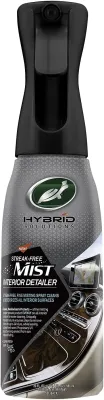
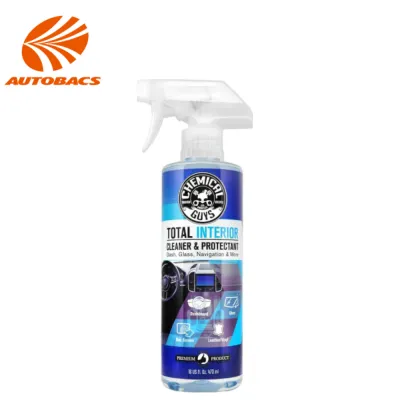
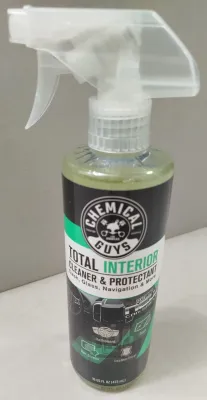
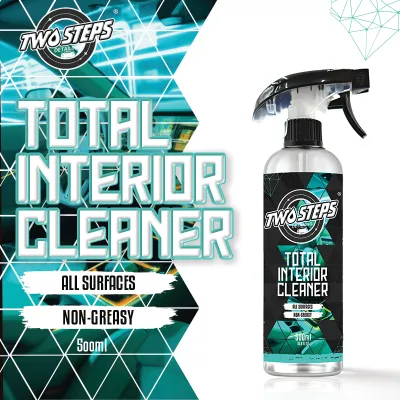
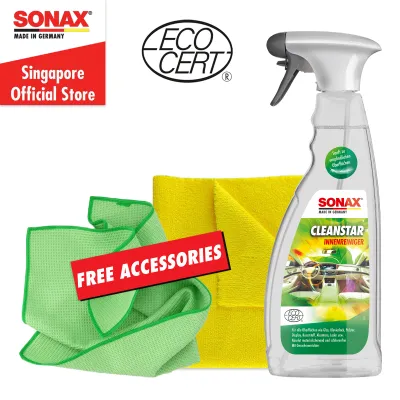
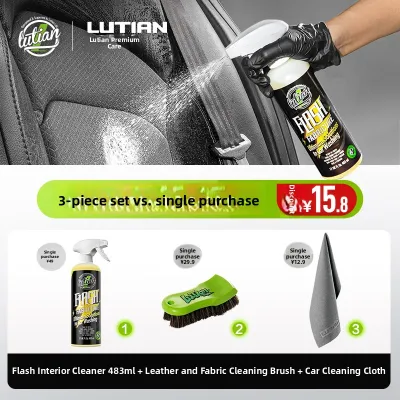
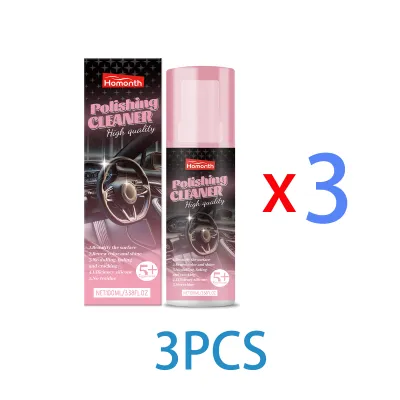
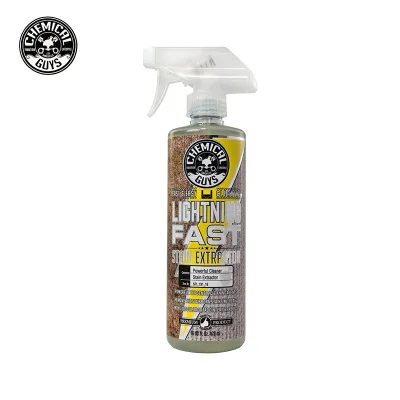
Prices are valid at publication and may change. Please refer to the product page for the latest price.
Acidic cleaners, which fall below pH 6, are highly effective at dissolving inorganic mineral deposits, rust, and water spots. However, they pose severe risks when used inside a vehicle. Acidic solutions can easily corrode modern metallic accents, such as brushed aluminum or chrome-plated plastics. They can also degrade the structural integrity of delicate stitching along the dashboard and seats, and strip away the specialized synthetic topcoats designed to protect modern cabin materials from physical wear.
On the other end of the spectrum, highly alkaline cleaners, which rise above pH 8, are designed to cut through heavy organic grease, oils, and stubborn road grime. While excellent for engine bays or exterior wheels, high alkalinity is highly destructive to interior surfaces. Alkaline chemicals strip natural oils and moisture from leather, leaving it dry, stiff, and prone to cracking. On hard plastics and vinyl, strong alkalines can cause the material to turn white, chalky, or brittle. They can also break down dyes in fabrics, leading to unsightly fading and uneven patches.
Because modern automotive cabins are a complex tapestry of natural leather, synthetic fabrics, soft-touch plastics, and sensitive electronics, a universal “one-size-fits-all” aggressive cleaner does not exist. A pH-neutral or balanced interior detailer is the industry standard for daily maintenance. These formulas rely on advanced surfactants rather than raw chemical acidity or alkalinity to encapsulate and lift dirt, ensuring the chemical structure of the underlying surface remains completely unaltered.
Recommended pH Guidelines by Interior Surface
Before applying any chemical to your vehicle’s cabin, it is essential to establish a clear safety boundary. Always check the applied product’s label and the treated item’s manufacturer instructions first. If the instructions conflict, the item’s material is unidentified, or the specific cleaning use is not covered, stop immediately and consult the manufacturer or a qualified detailing professional.

Leather and Synthetic Leather
Natural leather is an organic material that inherently possesses a slightly acidic to neutral pH. Modern automotive leather is also treated with a micro-thin, polyurethane-based protective clear coat to resist spills and friction. To preserve this delicate balance, you must strictly use pH-neutral interior detailers or formulas specifically engineered for leather care.
Harsh alkaline or highly acidic products will rapidly strip away the leather’s protective topcoat and leach out the essential tanning oils embedded within the hide. Once these oils are lost, the leather loses its elasticity, leading to premature cracking, peeling, and fading.
Synthetic leather, often referred to as leatherette, vinyl leather, or vegan leather, is generally more chemically resilient than natural hide. However, it is still highly susceptible to damage. Using products outside the pH-neutral range can cause the synthetic topcoat to bubble, peel, or develop a sticky, degraded texture over time. To maintain the matte, supple finish of both natural and synthetic seating, stick to verified pH-neutral formulas and consult your vehicle manufacturer’s care manual for material-specific restrictions.
Fabric and Carpets
Textile surfaces like fabric seats, door panel inserts, and floor mats offer slightly more chemical flexibility than leather, but they still require careful pH management. For routine maintenance and dust removal, pH-neutral detailers remain the safest choice to prevent color bleeding, fiber weakening, or the breakdown of factory-applied stain repellents.
When dealing with heavy, organic stains such as spilled food, sugary drinks, or grease, a mildly alkaline cleaner (typically pH 8 to 9) can be utilized to break down the organic compounds. However, these alkaline solutions must be used with caution and should never be allowed to dry on the surface. They must be thoroughly extracted or wiped down with a clean, water-dampened microfiber cloth to remove all chemical residue. If left behind, alkaline residues will dry into a stiff, abrasive powder that degrades fabric fibers and acts as a magnet for new dirt.
Avoid using high-pH degreasers or strong alkaline cleaners on delicate areas like the vehicle’s headliner. The headliner fabric is secured to its backing board by sensitive, heat-vulnerable adhesives. Strong alkaline chemicals can dissolve these adhesives, causing the headliner fabric to sag permanently—a costly repair that is highly exacerbated by Singapore’s humid climate.
Vinyl, Plastics, and Dashboards
The dashboard, door cards, and center console are predominantly composed of vinyl, molded plastics, and soft-touch synthetic materials. These surfaces are constantly exposed to direct sunlight filtering through the windshield. To protect them, manufacturers coat these plastics with specialized UV inhibitors and anti-glare matte finishes.
Using an interior detailer that is not pH-neutral can chemically dissolve or dull these protective barriers. When acidic or highly alkaline solvents strip away the UV inhibitors, the underlying plastic is left entirely vulnerable to solar radiation.
Under Singapore’s intense, year-round UV exposure, compromised plastics will rapidly degrade. This degradation typically manifests as chalking, severe fading, a sticky surface texture (caused by plasticizer migration), or the development of microscopic cracks across the dashboard. A pH-neutral detailer cleans away dust, body oils, and fingerprints safely without leaving a greasy, dust-attracting residue or stripping the essential UV protection built into the surfaces.
Touchscreens and Glossy Trim
Modern vehicles feature large infotainment touchscreens and highly polished, glossy surfaces like piano black trim. These components are exceptionally sensitive and require the gentlest chemical treatment possible. Touchscreens are coated with oleophobic (oil-resistant) layers to minimize fingerprints and anti-reflective coatings to ensure visibility under direct sunlight.
Alkaline, acidic, or solvent-based cleaners—especially those containing ammonia or alcohol—will permanently strip or etch these delicate screen coatings, leading to cloudy, splotchy displays. You must use strictly pH-neutral, ammonia-free, and alcohol-free formulations specifically rated for automotive electronics.
Glossy piano black trim is incredibly soft and prone to micro-scratching. To clean these areas safely, never spray any liquid directly onto the screen or trim, as fluid can easily seep into the electronic seams and cause short circuits. Instead, lightly spray a verified pH-neutral detailer onto a clean, high-GSM microfiber cloth, gently wipe the surface, and immediately buff it dry with a separate, dry section of the cloth.
How to Verify pH Claims and Test Safely
With countless car care products on the market, navigating marketing claims requires a critical eye. Many products promise “deep cleaning” or “maximum strength,” which are often industry euphemisms for highly alkaline formulations that may not be safe for delicate interior surfaces.
Reading Labels
When shopping for an interior detailer, prioritize products that explicitly state “pH-neutral” or “pH-balanced” on the front label. Be cautious of universal cleaners labeled as “All-Purpose Cleaners” (APCs) unless they provide specific dilution instructions that guarantee a neutral pH when mixed with water. If a product label focuses solely on its heavy-duty grease-cutting power without mentioning material safety, it is highly likely to be alkaline.
Checking Safety Data Sheets (SDS)
For absolute certainty, you can look up the product’s Safety Data Sheet (SDS) online, which manufacturers are legally required to make available. Search for the product name followed by “SDS” or “MSDS.” Once you open the document, navigate to Section 9: Physical and Chemical Properties. This section will list the exact pH value or range of the product. If the pH is listed between 6.0 and 8.0, the product is chemically safe for general interior detailing.
The Spot Test Protocol
Even when a product claims to be pH-neutral, variations in material age, prior wear, and aftermarket treatments can affect compatibility. Always perform a hidden spot test before treating your entire cabin.
- Step 1: Locate an inconspicuous area that is not normally visible, such as the underside of a seat cushion, the lower portion of a door card, or a hidden section behind the steering wheel column.
- Step 2: Lightly apply a small amount of the detailer to a clean, white microfiber towel.
- Step 3: Gently wipe a small, controlled spot on the test surface.
- Step 4: Check the white microfiber towel immediately for any sign of color transfer or dye bleeding.
Observation Time
After completing the spot test, do not rush to clean the rest of the car. Allow the test area to dry completely, waiting at least 15 to 30 minutes. Once dry, inspect the area under direct, bright light. Check closely for any delayed chemical reactions, such as whitening, a chalky residue, stiffness in leather or fabric, loss of original sheen, or localized discoloration. If any of these symptoms occur, stop using the product immediately and switch to a milder, verified neutral alternative.
Best Practices for Applying Interior Detailers
Safe detailing relies as much on proper application techniques as it does on choosing the correct chemical pH. Implementing disciplined habits prevents accidental chemical damage and ensures a professional, matte finish.
Dilution
If you are using a concentrated interior cleaner, always follow the manufacturer’s dilution ratios precisely. It is a common misconception that a stronger concentrate yields better cleaning results. In reality, over-concentrating a cleaner increases its chemical aggressiveness, leaves sticky residues that attract dust, and elevates the risk of permanent material damage. Use clean, distilled water for dilution to avoid introducing mineral spots to your interior.
Application Method
Never spray an interior detailer directly onto cabin surfaces. Direct spraying can cause overspray to land on sensitive electronics, instrument clusters, or seep into the seams of perforated leather seats where it cannot be easily wiped away. Instead, spray the detailer directly into a clean microfiber towel or onto the bristles of a soft detailing brush. This controlled method ensures the chemical is applied only where intended.
Agitation and Extraction
For textured plastics, leather grain, or fabric fibers, gentle agitation is often necessary to dislodge embedded dirt. Use a soft-bristled detailing brush (such as synthetic or natural boar’s hair) to work the product into the texture using light, circular motions. Do not scrub aggressively. Immediately follow up with a clean, dry microfiber towel to wipe away the suspended dirt and any remaining chemical residue before it has a chance to dry back onto the surface.
Post-Cleaning Protection
Even the gentlest pH-neutral cleaners can gradually wear down existing surface protectants over time. Once your interior surfaces are clean and completely dry, consider applying a dedicated UV protectant for plastics and vinyl, or a high-quality conditioner for leather. Ensure these post-cleaning products are compatible with your specific materials, following the vehicle manufacturer’s guidelines to safeguard your cabin against Singapore’s intense tropical sun.
Frequently Asked Questions (FAQ)
Can I use a slightly alkaline detailer on tough fabric stains?
Yes, but only under highly controlled conditions. Mildly alkaline cleaners (typically pH 8 to 9) are effective at breaking down stubborn, organic carpet stains like spilled coffee, food grease, or mud. However, they should never be used on delicate fabrics, headliners, or leather. When using an alkaline cleaner on carpets, you must thoroughly rinse and wipe the area with a damp microfiber cloth to remove all chemical residue. Leaving alkaline residue behind will make the carpet fibers stiff, brittle, and highly prone to attracting dirt rapidly.
Is a pH-neutral detailer safe for all car interiors?
Yes, a high-quality pH-neutral interior detailer is the safest and most effective universal choice for routine maintenance across leather, vinyl, plastic, fabric, and glossy trim. Because they are chemically balanced, they will not damage delicate surfaces or strip protective coatings. However, keep in mind that because they lack aggressive chemical acidity or alkalinity, they may require slightly more physical agitation with a soft brush or multiple passes to completely remove heavy, baked-on grease compared to specialized, higher-pH cleaners.
Community discussion
Share your experience or ask a question. Comments are reviewed before publication.