
Finding the right outdoor car cover for a Porsche parked in Singapore requires balancing robust UV protection, high water resistance, and excellent breathability. Because of the intense tropical sun and sudden, heavy downpours, a generic cover can trap moisture and heat, potentially damaging the clear coat or interior trim. The ideal solution is a multi-layered, custom-fit cover specifically rated for outdoor tropical use, featuring a soft inner lining and secure tie-down mechanisms.
Assessing the Tropical Weather Impact on Outdoor Parking
Singapore’s equatorial climate presents a harsh environment for any vehicle parked outdoors. The high ultraviolet (UV) index, which frequently reaches extreme levels, accelerates the degradation of automotive clear coats. Over time, prolonged exposure to intense sunlight can cause the paint on your Porsche to fade, oxidize, or lose its gloss, while also putting interior leather and dashboard components at risk of cracking.
Sudden and intense tropical downpours present another major challenge. Heavy rain can quickly pool on flatter surfaces of the vehicle, such as the roof or rear decklid. If a car cover is not sufficiently water-resistant, water will seep through the fabric, leaving mineral deposits and water spots that can etch into the paintwork as the sun heats the surface.
Products mentioned in this guide
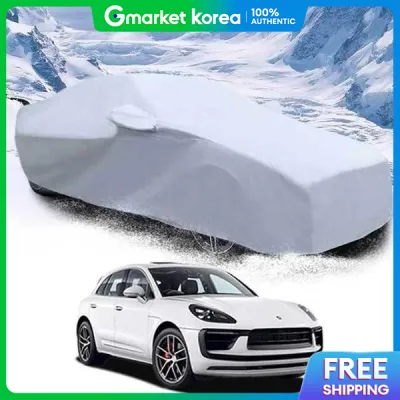
Prices are valid at publication and may change. Please refer to the product page for the latest price.
High ambient humidity further complicates outdoor storage. When rain is followed by rapid heating from the sun, moisture evaporates from the ground and can become trapped beneath a non-breathable cover. This trapped moisture creates a humid greenhouse effect, which can lead to mold growth on interior surfaces and accelerate the corrosion of exposed metal components.
Evaluating Fabric Specifications for Sun and Rain Protection
To protect your vehicle’s exterior effectively, you must carefully evaluate the fabric specifications on manufacturer tags. High-quality outdoor covers typically utilize multi-layer synthetic structures. Look for covers that explicitly state they have undergone specialized UV-stabilization treatments and feature durable water-repellent (DWR) coatings to shed heavy rain.

A critical factor in this selection is the balance between water resistance and breathability. While a completely waterproof plastic tarp might keep rain off, it will also trap rising ground moisture and condensation underneath. A high-performance outdoor cover must feature microscopic pores that are small enough to block external liquid water droplets but large enough to allow water vapor to escape from beneath the cover.
When reviewing options on online marketplaces or at local automotive specialty shops, remember that material names alone do not guarantee performance. Terms like “polyester” or “polyurethane” can describe a wide range of fabric grades. Always verify the intended outdoor use on the product label and check for specific ratings regarding UV resistance and breathability rather than relying on generic material descriptions.
Additionally, consider the weight and density of the fabric. Heavyweight fabrics offer excellent protection against falling debris and light hail, but they can be more cumbersome to install and store. Lightweight, high-density fabrics are often easier to handle daily while still providing the necessary barrier against tropical elements, provided they carry the appropriate outdoor certifications.
Ensuring a Secure Fit for Porsche Body Lines and Trim
A proper fit is essential to prevent physical damage to your vehicle’s finish. Universal-fit covers are often loose and baggy, which allows wind to get underneath the fabric. In open-area parking or coastal winds, a loose cover will flap against the bodywork, acting like fine sandpaper and causing micro-scratches along the edges and prominent body lines of your Porsche.
Opting for a custom-fit or model-specific cover is highly recommended to accommodate the unique aerodynamics and wide stances of different Porsche models. Whether you drive a mid-engine sports car, a rear-engine icon, or a performance SUV, a custom cover is tailored to the exact dimensions of the vehicle. This snug fit minimizes wind movement and ensures the cover remains securely in place.
Always verify your specific Porsche model, year, and body trim against the cover manufacturer’s compatibility documentation before purchasing, as body shapes can vary significantly between generations. When selecting a cover, check for integrated features such as dedicated mirror pockets and antenna patches. These elements reduce tension on vulnerable trim pieces and help maintain the cover’s structural shape. Furthermore, ensure the cover features a soft, non-abrasive inner lining, such as fleece or microfiber, to cushion the paintwork against friction.
To secure the cover against sudden gusts, evaluate the fastening systems provided. Look for heavy-duty elastic hems at the front and rear, along with integrated tie-down straps that pass underneath the vehicle. Built-in grommets are also useful for securing the cover with a cable lock, which provides both wind security and basic theft deterrence.
Safe Application and Routine Maintenance Practices
Even the highest-quality cover can cause damage if applied incorrectly. It is a mandatory rule to ensure your Porsche is completely clean and dry before putting the cover on. Applying a cover over a layer of road dust, grit, or moisture will trap those particles against the paint, where the pressure of the cover can grind them into the clear coat during installation or windy conditions.
Developing proper folding and storage techniques is equally important. When removing the cover, fold it carefully from the sides toward the center to prevent the outer, dirty side from contacting the clean inner lining. Store the folded cover in a dedicated storage bag to protect the inner lining from collecting ground debris or garage dust while not in use.
Regular maintenance of the cover itself is necessary to preserve its protective qualities. Follow the manufacturer’s specific washing instructions, which typically involve hand washing or using a commercial front-loading washing machine with mild soap. Avoid harsh detergents or fabric softeners that can strip away water-repellent coatings.
Periodically inspect the cover for signs of wear, such as seam separation, thinning fabric, or degraded waterproofing. If water begins to soak through the fabric instead of beading up and rolling off, it may be time to reapply a compatible fabric protectant or replace the cover entirely to maintain adequate protection.
Frequently Asked Questions (FAQ)
Can I use an indoor car cover if my Porsche is under a sheltered outdoor carpark?
Using an indoor cover in a sheltered but open-sided outdoor carpark is not recommended. Even if the vehicle is protected from direct overhead rain, sheltered outdoor areas are still subject to blowing rain, high ambient humidity, and indirect UV exposure from reflective surfaces.
Indoor car covers are typically made of soft, breathable cotton or flannel designed solely to prevent dust buildup in climate-controlled environments. They lack the necessary water-repellent treatments and UV inhibitors required to withstand outdoor-adjacent conditions, meaning they will quickly absorb moisture and fail to protect your paint from environmental degradation.
Will a car cover scratch my Porsche's paint?
A car cover itself will not scratch your paint if it is clean and has a soft inner lining, but improper use can easily lead to micro-scratches. The primary danger arises when a cover is applied over a dirty vehicle, or when dirt and debris find their way onto the cover’s inner lining and are rubbed against the clear coat.
To prevent scratching, always wash and dry your vehicle before covering it, and regularly inspect both the vehicle’s surface and the cover’s interior. Choosing a custom-fit cover with a soft lining and secure tie-downs will minimize the movement that causes friction-related paint damage.
Community discussion
Share your experience or ask a question. Comments are reviewed before publication.