
In Singapore’s tropical climate, maintaining a motorcycle drivetrain requires constant vigilance. The combination of high relative humidity, sudden torrential downpours, and ambient road salt from coastal routes creates a highly corrosive environment for exposed metal components. A motorcycle chain is particularly vulnerable because road grit mixes with chain lubricant to form an abrasive grinding paste that rapidly accelerates wear on sprockets and links. Selecting the right motorcycle chain cleaner is the foundation of effective drivetrain care, ensuring that you can dissolve this stubborn grime without damaging the delicate internal seals of your chain.
Many riders in Singapore perform routine maintenance in shared spaces, such as HDB multi-storey carparks or open-air void decks. These environments impose strict practical limits: you cannot leave oil stains on the concrete floor without risking penalties, and you rarely have access to a running water hose for rinsing. Therefore, your choice of chain cleaner must align not only with your motorcycle’s technical specifications but also with your physical workspace, ventilation conditions, and local environmental regulations. By understanding the key chemical and physical properties of different cleaners, you can establish a safe, efficient, and compliant maintenance routine.
Key Criteria for Choosing a Motorcycle Chain Cleaner
To select an effective motorcycle chain cleaner, you must first understand the construction of your specific chain. Modern motorcycles typically feature sealed chains, which use rubber O-rings, X-rings, or Z-rings sandwiched between the inner and outer link plates to lock in high-viscosity factory grease around the internal pins and bushings. If a chain cleaner contains harsh solvents like acetone, toluene, or certain chlorinated hydrocarbons, it can cause these rubber seals to swell, crack, or dissolve entirely. Once the seals fail, the factory grease escapes, water and dirt enter, and the chain will rapidly stretch, rust, and fail. Always inspect the product label to verify that the formulation is explicitly certified as safe for sealed chains.
Products mentioned in this guide
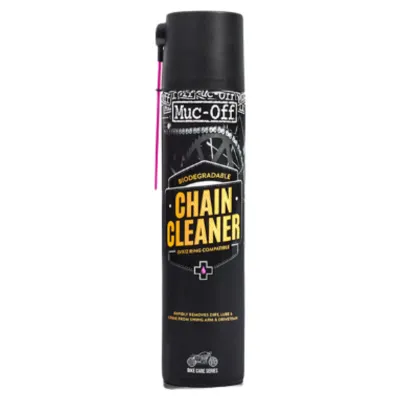
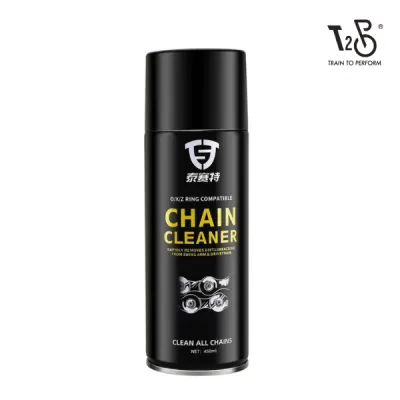
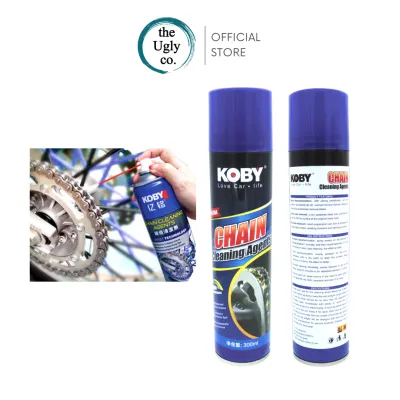
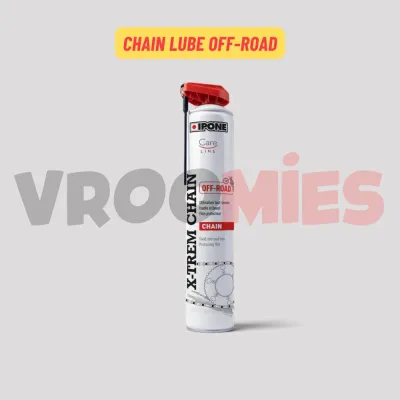
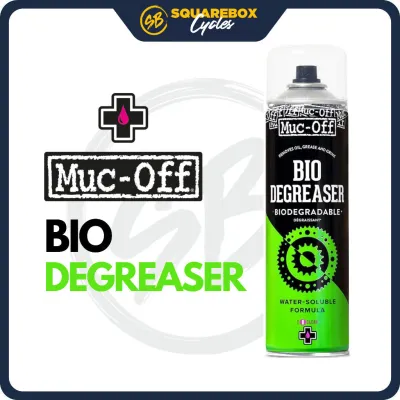
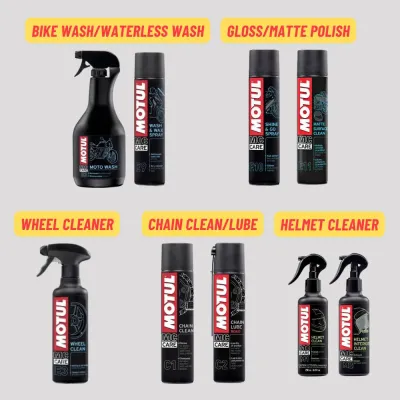
Prices are valid at publication and may change. Please refer to the product page for the latest price.
The chemical behavior of the cleaner during application is another critical factor. A fast-evaporating cleaner is highly convenient because it minimizes waiting time before you can apply fresh lubricant. However, if a solvent evaporates too rapidly, it may not have sufficient dwell time to dissolve heavy, compacted grease. Conversely, a cleaner that leaves a persistent, oily residue can prevent your fresh chain lube from adhering properly to the metal surfaces. This leads to “fling-off,” where the lubricant is thrown off the chain onto your rear wheel, swingarm, and potentially your rear brake disc or tire tread during your next ride.
Overspray is an inevitable reality when cleaning a motorcycle chain, especially when using pressurized aerosol cans. The cleaner you choose must be chemically compatible with the surrounding components of your motorcycle. Harsh degreasers can stain anodized aluminum swingarms, degrade the clear coat on painted wheels, embrittle plastic chain guards, and contaminate brake pads. When selecting a cleaner, prioritize formulas that specify safety for adjacent materials, and always take active steps to shield sensitive components during application.
Comparing Chain Cleaner Formulations and Formats
Aerosol sprays are the most common format, offering the advantage of pressurized delivery. The physical force of the spray helps blast away loose dirt and forces the solvent into tight clearances between the rollers and side plates. However, aerosols generate a fine mist that is easily carried by the wind, increasing the risk of overspray onto your rear tire or brake rotor. Liquid pump bottles or trigger sprays offer much greater control over product placement and eliminate the use of aerosol propellants. While they lack the mechanical blasting action of an aerosol, they are highly efficient for targeted application and are often more cost-effective per milliliter, making them an excellent choice for riders working in confined or poorly ventilated carparks.

Solvent-based cleaners rely on chemical hydrocarbons to dissolve heavy grease and oil rapidly. They are incredibly effective at cutting through neglected, caked-on grime, but they require careful handling, adequate ventilation, and proper disposal of contaminated runoff. Water-based, biodegradable cleaners use surfactants to emulsify grease. While they may require slightly more mechanical scrubbing with a brush to achieve the same results as a solvent, they are much easier to clean up. For Singapore riders working in public carparks, a water-based, low-odor formula is often highly preferred because it minimizes chemical odors that might disturb neighbors and simplifies the containment of runoff.
It is vital to match the strength of the cleaner to the current state of your drivetrain. Heavy-duty degreasers are formulated to strip away years of neglected grease, road tar, and wax-based lubricants. These aggressive formulas should be reserved for deep restoration work or when transitioning to a completely different type of chain lubricant (such as transitioning from wet lube to a dry wax). For routine, bi-weekly, or monthly maintenance, a lighter, dedicated maintenance wash is far more appropriate. These gentle formulas clean away surface dust and fresh road grime without risking damage to the chain’s internal seals or stripping away the essential lubricants trapped behind the O-rings.
Building a Complete Chain Maintenance Tool Kit
A dedicated motorcycle chain cleaner is only half of the equation; mechanical agitation is almost always required to break up compacted road grit. A three-sided chain brush (often called a grunge brush) is an invaluable tool for routine maintenance. Its stiff, U-shaped nylon bristles allow you to clean three sides of the chain simultaneously, drastically reducing cleaning time and ensuring even coverage. However, these bulky brushes cannot reach the tight spaces around the front sprocket cover, the chain guide, or the individual teeth of the rear sprocket. For these areas, keep a selection of long-reach detailing brushes or stiff-bristled utility brushes in your kit to ensure no abrasive grit is left behind to contaminate your clean chain.
Because chain cleaning is inherently messy, protecting yourself and your workspace is a priority. Always wear heavy-duty nitrile gloves to shield your skin from harsh solvents and dirty grease, which can cause contact dermatitis. To comply with local estate cleanliness standards in Singapore, you must prevent any chemical runoff or black grease from dripping onto the carpark floor. Use a dedicated plastic drip pan or a large piece of thick cardboard lined with oil-absorbent pads directly beneath the lower chain run. Additionally, a plastic splash guard or a piece of cardboard inserted between the chain and the rear wheel will catch overspray, keeping your tire tread and brake system clean.
Once the cleaner has dissolved the grime, you must completely remove the dirty slurry before applying fresh lubricant. Stiff brushes loosen the dirt, but lint-free microfiber cloths are required to wipe the chain clean. Avoid using cheap paper towels or cotton rags that shed fibers, as these fibers can become trapped in the chain rollers and act as a wick for moisture and dirt. Thoroughly dry the chain by wrapping a microfiber cloth around it and rotating the rear wheel by hand. Ensure the chain is completely dry and free of cleaner residue before applying your chosen chain lubricant, as any remaining cleaner will break down the new lubricant immediately.
Safety Checks and Application Boundaries
Never assume a generic degreaser or multi-purpose cleaner is safe for your motorcycle chain. Before purchasing any product, carefully read the manufacturer’s label to confirm explicit compatibility with your specific chain type (such as O-ring, X-ring, or non-sealed chains). If the label does not explicitly state that it is safe for polyurethane or nitrile rubber seals, do not use it. Furthermore, check for instructions regarding contact time; some powerful cleaners must be rinsed off within a few minutes to prevent chemical etching of aluminum components or degradation of rubber seals.
The safety boundary of your motorcycle’s braking system must be preserved at all costs. Chain cleaners and lubricants contain chemicals that will instantly ruin brake pads and contaminate brake rotors, leading to a severe loss of braking power or complete brake failure. Before spraying any cleaner, wrap a clean plastic bag or a dedicated wheel cover over your rear brake caliper, rotor, and the side of your rear tire. If you accidentally overspray onto your brake components, immediately stop work and clean the affected areas with a dedicated, residue-free brake cleaner.
While it may be tempting to speed up the cleaning process by using a high-pressure water jet at a self-service car wash, this practice can cause catastrophic damage to your drivetrain. High-pressure water easily bypasses the delicate rubber seals of an O-ring or X-ring chain, forcing water and cleaning chemicals into the sealed internal chambers. Once trapped inside, this moisture causes rapid internal corrosion, leading to seized links and premature chain failure. Always use low-pressure water or a damp cloth to rinse away water-soluble cleaners, and rely on manual wiping rather than high-pressure sprayers.
Never, under any circumstances, clean or lubricate a motorcycle chain with the engine running and the transmission in gear. Rotating rear wheels can easily trap fingers between the chain and sprocket, leading to catastrophic, life-altering injuries. Always rotate the rear wheel manually with the transmission in neutral and the ignition turned completely off. If your motorcycle is equipped with a center stand or you are using a rear paddock stand, ensure the bike is stable on a flat, level surface before beginning any work.
Frequently Asked Questions (FAQ)
Can I use kerosene or diesel instead of a dedicated chain cleaner?
While kerosene is historically recommended in some older motorcycle owner’s manuals as a budget-friendly cleaning solvent, modern dedicated chain cleaners offer significant safety and performance advantages. Kerosene is an effective solvent for dissolving grease, but it has a very slow evaporation rate and leaves behind a persistent, oily film. This film can prevent modern synthetic chain lubricants from bonding to the metal, causing them to fling off immediately. Furthermore, low-grade diesel or kerosene can cause certain types of rubber seals to swell or degrade over time, and handling bulk flammable liquids in public carparks poses a notable fire hazard. Always consult your specific motorcycle owner’s manual for manufacturer-approved cleaning agents, and prioritize dedicated, engineered chain cleaners that are formulated to evaporate cleanly without damaging modern seal materials.
How often should I clean and lube my motorcycle chain in a tropical climate?
In Singapore’s highly humid and rainy environment, relying solely on a fixed mileage interval for chain maintenance can lead to premature wear. Instead, base your maintenance schedule on visual and tactile inspections of your drivetrain. If you observe a dry, metallic appearance, hear squeaking noises, or notice a thick, gritty paste building up on the links, it is time for a thorough clean and lube. As a general guideline, aim to inspect your chain every 500 to 800 kilometers, but compress this interval significantly during the monsoon seasons or after riding through heavy rain. Water on the road washes away lubricant and splashes road grit onto the chain, making immediate cleaning and re-lubrication essential to prevent surface rust from forming overnight. Always ensure the chain is thoroughly clean and dry before applying fresh lubricant, as applying new lube over existing dirt simply traps abrasive particles against the moving parts of the chain.
Community discussion
Share your experience or ask a question. Comments are reviewed before publication.