
Selecting the ideal Matsusho car cover for outdoor parking in Singapore requires balancing robust water resistance with high breathability. In a tropical climate marked by sudden, heavy downpours and intense, direct sunlight, a car cover cannot simply be a passive sheet of fabric. To protect your vehicle’s paintwork and interior effectively, you must evaluate Matsusho’s product specifications against your specific parking environment. The optimal choice is a multi-layered cover featuring a dedicated ultraviolet (UV) reflective outer layer, a waterproof middle membrane, and a soft, non-abrasive inner lining, combined with built-in ventilation to prevent moisture accumulation.
Evaluating the Challenges of Singapore's Outdoor Weather
Parking your vehicle outdoors in Singapore exposes it to some of the most demanding environmental conditions in Southeast Asia. The primary threat during the day is intense ultraviolet (UV) radiation. When a car sits unprotected in an open-air HDB carpark or an uncovered driveway, prolonged exposure to solar radiation accelerates the oxidation of the clear coat, leading to premature paint fading, cracking, and peeling. Inside the cabin, trapped solar heat can cause dashboard materials to warp, leather seats to dry out, and electronic components to degrade over time.
The challenge is compounded by Singapore’s frequent and heavy rainfall. Tropical downpours and sudden monsoonal squalls can dump large volumes of water onto your vehicle within minutes. If a car cover lacks adequate water resistance, moisture will quickly penetrate the fabric, settling directly onto the paintwork.
Products mentioned in this guide
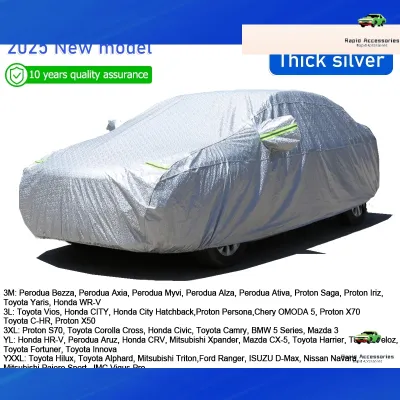

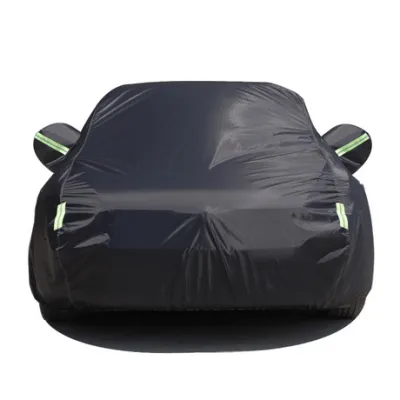
Prices are valid at publication and may change. Please refer to the product page for the latest price.
Furthermore, Singapore’s consistently high relative humidity levels present a unique challenge for outdoor car storage. When moisture becomes trapped beneath a non-breathable cover, the combination of heat and dampness creates a greenhouse effect. This trapped condensation can lead to water spotting on the clear coat, accelerated corrosion of metal trim, and the growth of mold or mildew inside the cabin and on the vehicle’s exterior seals. Therefore, any protective cover must allow trapped air and moisture to escape freely.
Decoding Matsusho Car Cover Specifications for Weather Protection
When browsing the Matsusho product range on online marketplaces or at local automotive accessory shops, it is essential to look past generic marketing terms and carefully examine the technical specifications on the product packaging. A reliable outdoor cover should feature a multi-layer construction. Look for specifications that detail a reflective outer layer, often treated with aluminum or specialized UV-resistant coatings, which helps bounce solar heat away from the vehicle.

The middle layer of the cover serves as the primary barrier against water. Rather than relying on a simple water-repellent spray-on coating that can wear off over time, verify if the Matsusho cover utilizes a dedicated waterproof membrane. This membrane should be engineered to block liquid water from entering while remaining microscopically porous enough to let water vapor escape from underneath.
Equally important is the material that comes into direct contact with your vehicle’s paint. Ensure the Matsusho cover specifies a soft, non-abrasive inner lining, such as spun-lace cotton or soft fleece. This lining acts as a protective cushion, reducing the risk of micro-scratches when the cover is put on or removed.
To combat trapped humidity, inspect the cover for built-in ventilation features. High-quality Matsusho models designed for tropical climates often incorporate mesh ventilation panels or covered fabric flaps near the top or sides. These vents allow hot air and rising moisture to escape, maintaining a stable microclimate beneath the fabric.
Finally, examine the construction quality of the seams. Water is highly likely to seep through stitching holes during a heavy Singaporean downpour. Look for covers that specify double-stitched seams, waterproof taping, or heat-sealed joints along the stitching lines to ensure complete moisture protection.
Ensuring Proper Fit and Daily Usability
A car cover can only provide effective protection if it fits your vehicle correctly. Before purchasing a Matsusho cover, consult your vehicle’s owner’s manual or official manufacturer documentation to obtain the exact length, width, and height of your car. Compare these measurements directly against the sizing charts provided by Matsusho. While custom-fit covers tailored to your specific vehicle model offer the most secure fit, high-quality universal or semi-custom sizes can also be highly effective if chosen carefully.
A loose-fitting cover is highly vulnerable to Singapore’s sudden wind gusts. If the cover is too large, the wind can get underneath it, causing the fabric to billow and flap violently. This movement can rub the inner lining against the paintwork, leading to unsightly swirl marks. To prevent this, verify that the Matsusho cover features strong elasticized hems at the front and rear, along with adjustable under-body tie-down straps and wind-proof buckles that secure the cover firmly in place.
Additionally, check the cover’s design compatibility with your vehicle’s external features. Ensure there are dedicated pockets for side mirrors, and verify how the cover accommodates external antennas or roof racks. If your vehicle has aftermarket modifications, such as a large rear spoiler, you may need to select a larger size or a specialized shape to prevent the fabric from being stretched too tightly over sharp edges.
For daily commuters, the practical usability of the cover is a major consideration. A cover that is excessively heavy or difficult to fold can quickly become a chore to use. Look for lightweight yet durable materials that can be easily folded by one person. Ensure the product includes a high-quality storage bag to keep the cover clean and compact when stored in your boot.
Maintaining Your Car Cover in Hot and Humid Conditions
To preserve the protective qualities of your Matsusho car cover and extend its lifespan, regular maintenance is essential. Outdoor parking in Singapore exposes the cover to organic debris, including bird droppings, tree sap, and fallen leaves. If left untreated, the acidic nature of these contaminants can chemically degrade the UV-resistant and waterproof coatings on the fabric. Periodically hose down the exterior of the cover with clean water while it is installed on the vehicle, using a soft sponge to gently remove stubborn dirt.
When a deeper clean is required, always consult the manufacturer’s care label for specific washing instructions. Avoid using harsh household detergents, bleach, or fabric softeners, as these chemicals can strip away the cover’s water-repellent treatments. Instead, use a mild, pH-neutral automotive soap or a dedicated fabric cleaner.
Never pack a wet or damp cover into its storage bag. Doing so in Singapore’s warm climate will inevitably lead to the growth of mold, mildew, and unpleasant odors, which can then transfer to your vehicle’s exterior. Always hang the cover in a shaded, well-ventilated area and allow it to air-dry completely before folding and storing it.
Regularly inspect the cover for signs of wear and tear. Over time, intense UV exposure will cause even high-quality materials to degrade. If you notice the inner lining beginning to peel, the waterproof backing flaking off, or the seams starting to tear, the cover’s protective barrier has been compromised. Continuing to use a degraded cover can trap abrasive particles or moisture against your paint, meaning it is time to seek a replacement.
Frequently Asked Questions (FAQ)
Is it safe to cover a wet car if it starts raining unexpectedly?
No, it is not advisable to place a car cover over a wet vehicle. If you cover a car that has standing water or condensation on its surface, you risk trapping that moisture directly against the clear coat. As the sun heats the cover, this trapped water can cause paint blistering, deep water spots, and cloudiness in the clear coat that may require professional paint correction to resolve. If your car gets wet during a sudden shower, wait until the vehicle is completely dry before applying the cover. If the cover itself gets wet while on the car, remove it as soon as the rain stops and allow both the vehicle and the cover to dry separately.
Will a car cover scratch my paint in strong winds?
A car cover itself will not scratch your paint, but dirt and debris trapped between the cover and the vehicle can cause severe abrasion when moved by the wind. If the vehicle’s surface is dusty, or if the inner lining of the cover has accumulated road grit, strong winds will cause the fabric to flap and grind these abrasive particles directly into the clear coat. To prevent wind-induced scratches, always ensure your car is clean before covering it, regularly shake out or clean the cover’s inner lining, and use the integrated tie-down straps and buckles to secure the cover as snugly as possible to minimize movement.
Community discussion
Share your experience or ask a question. Comments are reviewed before publication.