
Maintaining correct tire pressure is one of the most critical yet frequently overlooked aspects of vehicle ownership. Properly inflated tires ensure optimal traction, improve fuel efficiency, reduce tread wear, and directly impact your vehicle’s handling and braking performance. For car owners looking to manage this routine maintenance at home, choosing the right inflation tool is essential. Makita offers a diverse range of air compressors and portable inflators, each designed to meet different user needs, garage setups, and frequency of use. Selecting the best model requires a clear understanding of your vehicle’s requirements and how different power configurations align with your routine. This guide breaks down the technical specifications, power options, safety checks, and maintenance practices to help you make an informed decision.
Key Specifications to Check for Car Tire Inflation
To evaluate any Makita air compressor or inflator objectively, you must look past marketing terms and focus on core technical metrics. The first specification to consider is the maximum pressure output, measured in pounds per square inch (PSI). Most standard passenger cars require a cold tire pressure of 30 to 35 PSI. However, larger vehicles such as SUVs, light trucks, or vans often require higher pressures, sometimes reaching 50 to 80 PSI. The compressor you choose must have a maximum PSI rating that comfortably exceeds your vehicle’s recommended pressure. A compressor rated for 120 PSI or higher provides a safe operating margin, ensuring the motor does not struggle as the tire nears its target pressure.
The second critical metric is airflow volume, measured in Cubic Feet per Minute (CFM). While PSI determines the compressor’s ability to overcome the resistance inside the tire, CFM determines how quickly the air is delivered. A higher CFM rating translates directly to faster inflation times. For home tire maintenance, compressors delivering 1.5 to 3.0 CFM at 90 PSI are highly efficient. Portable cordless inflators typically have much lower CFM ratings, meaning they will take longer to fill a tire from completely flat but are perfectly adequate for minor weekly top-ups of 2 to 3 PSI.
Products mentioned in this guide
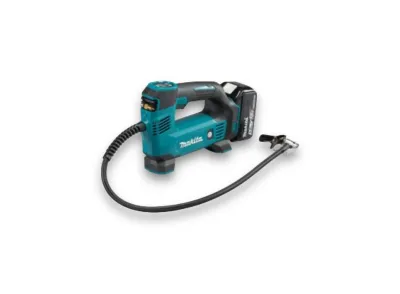
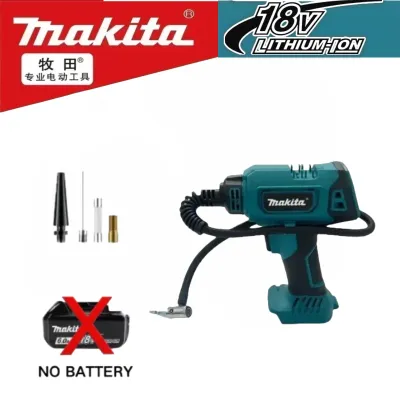
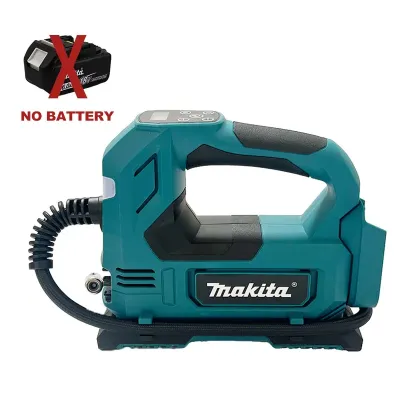
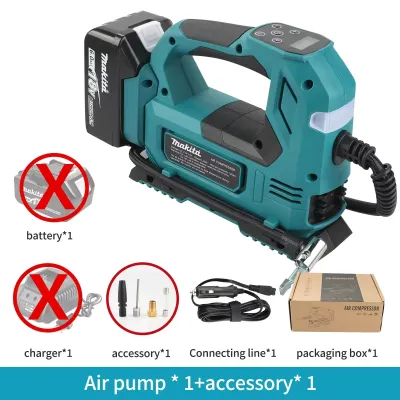
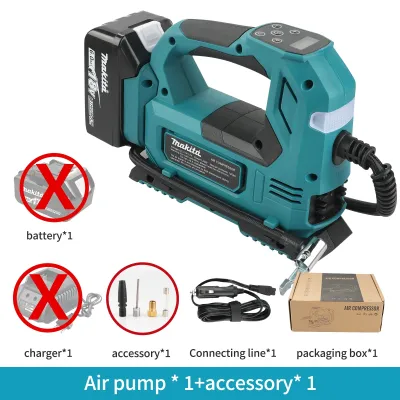
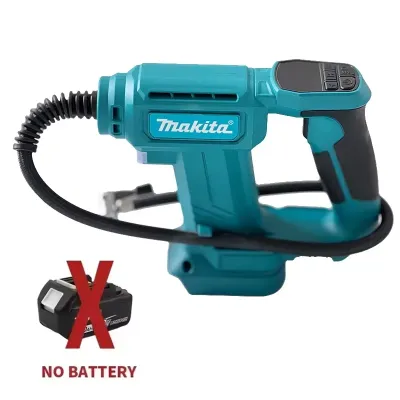
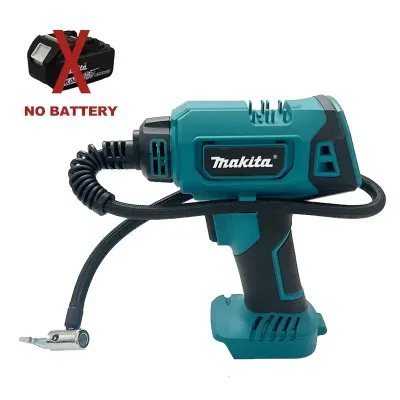
Prices are valid at publication and may change. Please refer to the product page for the latest price.
Tank capacity is another key differentiator. Compressors are generally divided into tanked and tankless designs. Tankless models, such as handheld cordless inflators, push air directly from the pump mechanism into the tire. They are highly portable and compact but must run continuously during the inflation process, which generates significant heat. Tanked compressors store pressurized air in a steel or aluminum vessel. When you inflate a tire, the air is drawn from the tank first, allowing for rapid, continuous airflow. The motor only turns on to repressurize the tank once the internal pressure drops below a set threshold. For a home garage where you might need to inflate four large tires sequentially, a small tank (such as 6 to 10 liters) reduces the strain on the motor and speeds up the process.
Finally, you must understand the duty cycle of the machine. The duty cycle is the percentage of time a compressor can operate within a given period—usually 10 minutes—without risk of overheating. For example, a compressor with a 30% duty cycle should only run for 3 minutes and then rest for 7 minutes. Running a compressor beyond its rated duty cycle can lead to premature motor wear or thermal shutdown. Handheld cordless units often have lower duty cycles compared to larger, mains-powered workshop compressors, which are designed for continuous or high-frequency operation.
Cordless, Corded, and 12V Options: Matching the Setup to Your Routine
The right power configuration depends heavily on your home garage setup, how often you check your tires, and whether you require portability. Makita’s product lineup features three primary power configurations: 18V LXT cordless, mains-powered corded, and 12V DC options.

Makita’s 18V LXT cordless inflators are exceptionally popular for home use due to their convenience. Operating on the same 18V lithium-ion batteries used in Makita’s power tools, these units eliminate the need for power cords or long air hoses. You can easily walk around the vehicle, checking and topping up each tire in minutes. This portability makes them ideal for residential settings, such as multi-storey car parks or shared driveways where access to a mains power outlet is limited. The trade-off for this convenience is a lower CFM rating and a more limited duty cycle. They are perfect for regular maintenance but may require patience if you need to inflate a large, completely flat tire.
Mains-powered corded compressors are the traditional choice for dedicated home workshops and garages with easy access to wall outlets. In Singapore, these units plug directly into standard 230V household sockets. Because they have a constant, high-voltage power supply, corded compressors can run larger motors and feature integrated air tanks. This setup delivers significantly higher CFM ratings, allowing you to inflate multiple tires quickly and continuously. Additionally, a corded workshop compressor is a versatile investment; it can power other pneumatic tools such as impact wrenches for tire rotations, blow guns for cleaning, or paint sprayers. The main disadvantages are their bulk, weight, and the need to manage heavy air hoses and power cords.
Portable 12V DC inflators connect directly to your vehicle’s accessory socket or cigarette lighter. These units are designed primarily for emergency roadside use rather than regular home maintenance. While they ensure you are never stranded with a flat tire on the road, they generally offer lower performance, slower inflation speeds, and shorter duty cycles compared to 18V cordless or mains-powered models. For routine home care, a 12V unit is less practical because it requires the vehicle’s ignition to be on, and the reach is limited by the length of the 12V power cable.
Pre-Purchase Checks: Vehicle Requirements and Safety Limits
Before purchasing any inflation equipment, you must verify your vehicle’s specific requirements and understand the safety boundaries of the tools. Always locate and read your vehicle’s tire placard. This label is typically found on the driver’s side door pillar, inside the glove compartment, or on the inside of the fuel filler cap. It provides the manufacturer’s recommended cold inflation pressure for your specific tire size. Note that “cold” pressure refers to tires that have been parked for at least three hours or driven less than 1.6 kilometers. Never use the maximum pressure rating printed on the tire sidewall as your target; that figure represents the maximum pressure the tire can safely hold under maximum load, not the daily operating pressure.
When selecting a compressor, check for essential safety features such as thermal overload protection and automatic shut-off. Thermal overload protection automatically cuts power to the motor if it reaches a critical temperature, preventing permanent damage. Automatic shut-off is a highly convenient feature found on many modern Makita cordless inflators; it allows you to pre-set your target PSI on a digital screen, and the unit stops pumping automatically once that pressure is reached, preventing dangerous over-inflation.
For mains-powered compressors, verify your garage’s electrical capacity. These machines draw significant current during startup. To prevent tripped circuit breakers or voltage drops that can damage the compressor motor, always plug the unit directly into a wall outlet. If you must use an extension cord, ensure it is a heavy-duty, high-gauge cord designed for high-current appliances, and keep the length as short as possible.
Essential Maintenance for Home Garage Compressors
Proper maintenance ensures your compressor operates safely and lasts for years. For tanked models, the most critical maintenance task is draining moisture from the tank. As air is compressed, water vapor condenses and accumulates at the bottom of the steel tank. If left undrained, this water causes internal corrosion, which can eventually weaken the tank walls and lead to catastrophic failure. After every use, turn off the compressor, unplug it, and open the drain valve located at the bottom of the tank to release all accumulated moisture and remaining air pressure.
Regularly inspect all air hoses, quick-connect fittings, and tire chucks for signs of wear, cracking, or air leaks. A leaking hose or fitting reduces the efficiency of your system, forcing the compressor to run longer and hotter. You can easily check for leaks by spraying a mixture of soapy water onto the connections while the system is pressurized; any escaping air will create visible bubbles.
Finally, maintain the air intake filter. The filter prevents dust, dirt, and airborne debris from entering the compressor pump. A clogged filter restricts airflow, forcing the motor to work harder and run hotter. Inspect the filter element regularly, clean it of loose dust, and replace it according to the manufacturer’s recommended schedule.
Frequently Asked Questions (FAQ)
Can I use a Makita cordless tire inflator instead of a full air compressor?
Yes, a Makita cordless tire inflator is highly suitable for routine home maintenance, such as weekly pressure checks and minor top-ups. Its compact size and battery-powered operation make it incredibly convenient for quick tasks. However, it cannot fully replace a standard air compressor for heavy-duty applications. Cordless inflators have lower airflow volume (CFM) and stricter duty cycle limitations. If you need to seat a tire bead, inflate large off-road tires from completely flat, or run pneumatic garage tools like impact wrenches, a full air compressor with a dedicated storage tank is required.
How long should I let the compressor rest between inflating multiple tires?
The required rest time depends on the compressor’s duty cycle, which is detailed in the user manual or on the product specification label. For small portable or cordless inflators, a common duty cycle is around 30% to 50%, meaning the tool should rest for an equal or greater amount of time than it runs. As a safe operating guideline, if you are inflating multiple tires sequentially, let the unit cool down for 5 to 10 minutes after every 5 to 10 minutes of continuous pumping, or immediately if the tool housing feels excessively hot to the touch. This practice protects the internal seals and extends the lifespan of the motor.
Community discussion
Share your experience or ask a question. Comments are reviewed before publication.