
Selecting a dashcam in Singapore requires balancing legal compliance, road safety, and extreme tropical heat resistance. With numerous brands available on the market, finding the right device involves looking beyond marketing buzzwords and focusing on verified specifications. A proper choice ensures your footage is legally admissible, your vehicle’s electrical system remains safe, and the camera functions reliably when you need it most.
To make an informed decision, you must evaluate how a brand’s offerings align with your daily driving patterns, whether you are a daily commuter, a private-hire driver, or a frequent cross-border traveler. Understanding local regulatory frameworks and technical requirements will help you filter out non-compliant devices and focus on hardware that delivers consistent performance on Singapore roads.
Verifying LTA and IMDA Compliance Before You Choose
Before comparing video quality or smart features, you must ensure any dashcam brand you consider complies with local telecommunications and transport regulations. In Singapore, electronic devices that utilize wireless technologies such as Wi-Fi, Bluetooth, or cellular data must be registered with the Infocomm Media Development Authority (IMDA). When browsing different brands, look for the official IMDA compliance label on the packaging or verify the registration status on the manufacturer’s local website to ensure the device operates on approved radio frequencies without causing interference.
Products mentioned in this guide
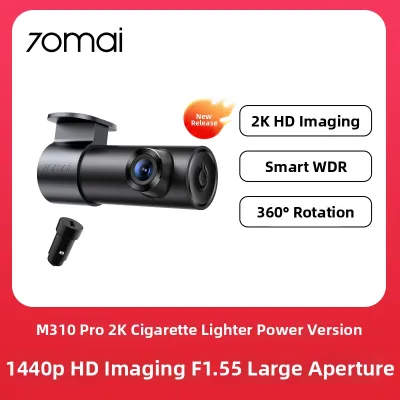
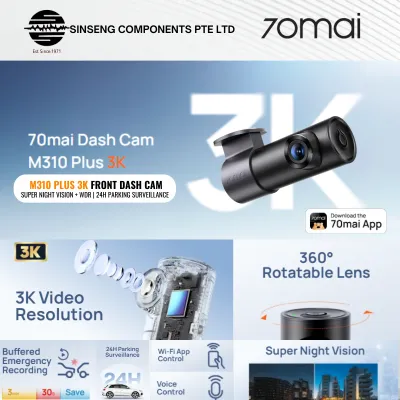
![[SG Local Seller] 7-STAR* Latest Touch Screen 4” inch Car DVR Dashcam Full HD 1080P Car Recorder Camera Dual-lens (Front and Back) 2Ch Driving Data Car Recorder 170° Wide Angle Night-Vision Loop-Recording G-Sensor](https://img.lazcdn.com/g/p/e183a5bd7644cabfd1116b60d588f41b.png_400x400q80.png_.webp)
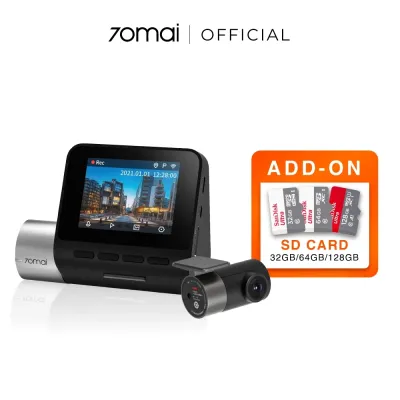
![[NEW] 70mai A810S Dash Cam 4K Resolution + HDR | 4G Connectivity | Built-in GPS & ADAS | Dual SONY HDR | Supercapacitor](https://img.lazcdn.com/g/p/12b3e825bd363ef619248cedda0ec9fd.jpg_400x400q80.jpg_.webp)
![[FREE INSTALLATION] Trapo i-Sight Dashcam S-650 | 2k with HDR | 60 FPS | ADAS](https://img.lazcdn.com/g/p/74f23959879d7c8c7deddc1fe697c79f.jpg_400x400q80.jpg_.webp)
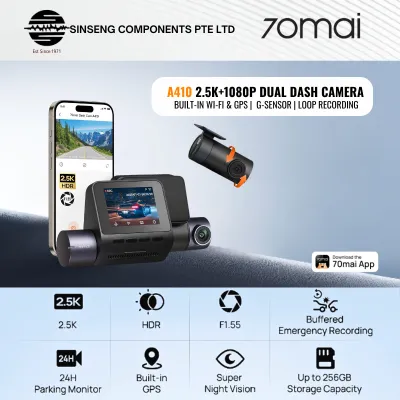
Prices are valid at publication and may change. Please refer to the product page for the latest price.
The Land Transport Authority (LTA) enforces strict guidelines regarding driver visibility and windscreen obstructions. Any aftermarket accessory, including dashcams, must be installed in a manner that does not compromise the driver’s forward field of vision. This means the physical dimensions of the camera and its mounting bracket must be compact enough to fit neatly behind or adjacent to the rearview mirror, keeping the primary viewing area of the windscreen completely clear.
Furthermore, you must avoid any device that integrates prohibited technologies. Dashcams featuring built-in radar detectors or active laser jammers are strictly illegal under Singapore law. Using a device equipped with these features can lead to severe penalties, vehicle impoundment, and the invalidation of your motor insurance policy. Always verify the product specifications to confirm the device is solely dedicated to video and GPS logging.
Additionally, consider how the dashcam interacts with other vehicle electronics, such as the In-vehicle Unit (IU) or the newer On-Board Unit (OBU) used for Electronic Road Pricing (ERP). The camera must be positioned far enough from these units to prevent any electromagnetic interference that could disrupt toll collection or parking gate communications. Checking manufacturer compatibility notes or consulting local automotive forums can help you identify brands known for operating seamlessly alongside local road-pricing hardware.
Matching Dashcam Capabilities to Your Driving Scenario
Your daily driving habits dictate the specific camera configuration and features you should prioritize. For daily commuters who primarily drive during daylight hours between home and the office, a straightforward front-facing camera or a basic dual-channel (front and rear) setup is often sufficient. This configuration captures the most common traffic incidents, such as front-end collisions or rear-end shunts, without requiring complex wiring or high-capacity storage cards.

If you operate a private-hire vehicle (PHV) or taxi, your requirements shift significantly toward interior security and passenger safety. In this scenario, you should look for brands that offer specialized multi-channel systems featuring a cabin-facing camera equipped with infrared (IR) light-emitting diodes (LEDs). This setup allows the camera to record clear interior footage even in complete darkness, providing crucial evidence in the event of passenger disputes while protecting your vocational license.
For drivers who frequently travel long distances or cross the border into Malaysia, GPS logging and high thermal stability become non-negotiable. A built-in GPS receiver accurately records your vehicle’s speed and geographical coordinates, which can be vital when resolving insurance claims in unfamiliar jurisdictions. Furthermore, long hours of continuous driving under the hot sun demand a robust cooling design to prevent the camera from shutting down unexpectedly due to thermal overload.
Parking environments also play a critical role in your choice of parking mode features. If you regularly park in open-air HDB carparks, your vehicle is exposed to intense direct sunlight and higher ambient temperatures, making low-power parking modes or impact-detection-only modes preferable to continuous time-lapse recording. Conversely, if your vehicle is typically parked in sheltered residential or commercial basements, motion-detection parking modes can effectively capture vandalism or hit-and-run incidents without overheating the device.
To support these parking modes, you must evaluate the brand’s power management solutions. Hardwiring kits are essential for drawing power from the vehicle’s battery when the ignition is turned off. Ensure the brand’s hardwiring kit features an adjustable low-voltage cutoff switch, which automatically disconnects the dashcam if the car battery drops below a safe threshold (typically around 12V or 12.2V). This safeguard prevents you from returning to a dead battery, particularly if the vehicle is left unattended for several days.
Technical Specifications to Compare Across Brands
When comparing technical specifications across different brands, look past high megapixel counts and focus on sensor technology and lens quality. A camera boasting 4K resolution may perform poorly in low-light conditions if it uses a small, low-grade image sensor. For driving in Singapore, where night driving and dimly lit multi-story carparks are common, prioritize brands that utilize high-sensitivity image sensors and High Dynamic Range (HDR) processing. HDR helps balance extreme light differences, such as exiting a dark tunnel into bright sunlight or capturing license plates illuminated by your headlights at night.
Operating and storage temperature ratings are critical indicators of a dashcam’s durability in a tropical climate. Cabin temperatures in vehicles parked under direct sunlight in Singapore can easily exceed 60 degrees Celsius. Check the manufacturer’s specifications to ensure the device has an operating temperature range of at least up to 70 degrees Celsius. Brands that utilize supercapacitors instead of traditional lithium-ion batteries are highly recommended, as supercapacitors are far more resilient to extreme heat, do not suffer from battery swelling, and pose a significantly lower risk of fire or leakage.
Storage compatibility and write endurance are equally important for reliable operation. Dashcams subject memory cards to continuous write-and-erase cycles, which can rapidly degrade standard microSD cards. When choosing a brand, verify its compatibility with high-endurance microSD cards, specifically those utilizing multi-level cell (MLC) or specialized high-endurance NAND flash technology. Using a non-endurance card often voids the dashcam’s warranty and can lead to critical write errors, resulting in missing footage when an accident occurs.
Additionally, consider the video compression codec used by the device. Modern codecs like H.265 (HEVC) offer superior compression efficiency compared to older H.264 formats, allowing you to store more high-definition footage on the same memory card capacity without sacrificing visual detail. Ensure the brand’s companion mobile application or desktop viewer supports seamless playback and exporting of these compressed files on your personal devices.
Safe Installation and Maintenance Practices
Before purchasing any dashcam, you must verify its physical dimensions, mounting interface, and power requirements against your specific vehicle model’s documentation. This is particularly important for determining road legality and safety impact, as some vehicle windscreens feature specialized coatings or integrated sensor housings that limit mounting positions. When mounting the camera on the windscreen, position it within the swept area of the windscreen wipers to ensure clear footage during heavy tropical downpours.
The cabling must be routed carefully along the headliner and down the A-pillar, ensuring it runs behind the side-curtain airbags rather than across them. Loose cables can obstruct airbag deployment or become dangerous projectiles during a collision. Always refer to your vehicle’s original manual to locate airbag deployment paths before routing any wires.
Maintaining your dashcam is essential for long-term reliability. Establish a routine checklist that includes formatting the microSD card at least once a month to clear accumulated system files and prevent write corruption. Periodically wipe the camera lens with a microfiber cloth to remove dust, fingerprint oils, or off-gassing residue from the dashboard plastics, which can severely degrade image clarity over time. Additionally, check the adhesive mount regularly, as intense cabin heat can degrade the bonding agent, causing the camera to vibrate or fall off while driving.
While basic plug-and-play installations using a cigarette lighter adapter can be done at home, you should consult a qualified auto-electrician for more complex setups. Hardwiring a dashcam to the vehicle’s fuse box requires a thorough understanding of your car’s electrical architecture to avoid tapping into critical safety circuits, such as those powering the airbags or engine management systems. Professional installation is especially crucial for modern hybrid and electric vehicles, as well as vehicles equipped with advanced driver-assistance systems (ADAS), where incorrect wiring can trigger system errors or drain the high-voltage battery system.
Frequently Asked Questions (FAQ)
Can I use a dashcam with a built-in display screen?
Yes, you can use a dashcam with a built-in display screen, provided it does not distract you while driving or obstruct your view of the road. To comply with general safety principles regarding driver distraction, the screen should feature an automatic timeout function that turns the display off shortly after the vehicle starts. This ensures that you are not distracted by moving images or bright glare in your peripheral vision, especially during night driving.
When mounting a screen-equipped dashcam, you must still adhere strictly to LTA’s windscreen placement guidelines. The physical size of the device must not block your direct line of sight through the front windscreen. If the screen is exceptionally large, it is best positioned directly behind the rearview mirror so that it remains completely out of your primary field of view while operating the vehicle.
Do I need to inform passengers if my dashcam records audio?
If you are a private-hire or commercial driver in Singapore, you must comply with the Personal Data Protection Act (PDPA) guidelines regarding the collection of personal data, which includes voice recordings. It is highly recommended to display clear, visible signage inside the cabin informing passengers that audio and video recording is in progress. This transparency ensures compliance with data protection principles and manages passenger expectations of privacy.
For personal vehicles, while there is no strict legal requirement to notify family members or friends, practicing transparency is always advisable. If a passenger expresses discomfort with being recorded, many modern dashcams allow you to easily toggle the microphone off via a physical button on the housing or through the companion mobile application. Familiarizing yourself with this function allows you to respect passenger privacy requests instantly without disabling the video recording capabilities.
Community discussion
Share your experience or ask a question. Comments are reviewed before publication.