
Selecting the correct Jiakemei cleaner for your vehicle depends entirely on whether your seats are upholstered in leather or fabric. Applying a formula designed for porous textiles onto delicate leather can strip its protective topcoat, while using a heavy leather conditioner on fabric can leave a sticky, dirt-attracting residue. To maintain your car’s interior value and appearance, you must identify the exact material of your seats and match it to the corresponding Jiakemei product label instructions.
In Singapore’s hot and humid climate, interior surfaces are highly susceptible to accelerated wear, sweat absorption, and UV degradation. This environmental factor makes using the correct specialized cleaner even more critical, as the wrong chemical reaction can permanently damage your cabin under intense heat. By following a systematic approach of material identification, label verification, and spot testing, you can safely restore your seats without risking costly professional repairs.
Identify Your Seat Material Before Choosing a Cleaner
Before purchasing any detailing product, you must accurately determine the composition of your car seats. Modern automotive interiors often feature complex material blends that can easily deceive the untrained eye. For instance, many vehicles utilize genuine leather on the main seating surfaces but use synthetic vinyl or polyurethane leather on the sides and back portions.
Products mentioned in this guide
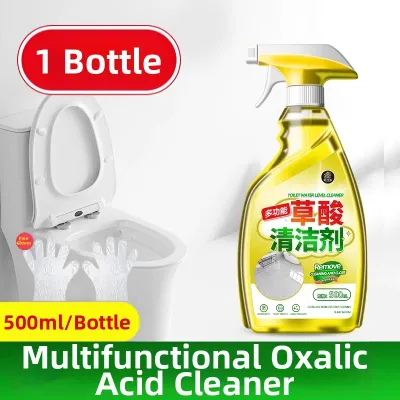
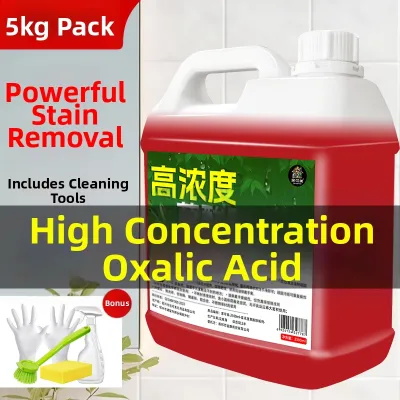
Prices are valid at publication and may change. Please refer to the product page for the latest price.
To distinguish between these materials, perform a close visual and tactile inspection of the seat surfaces. Genuine leather typically exhibits natural, irregular grain patterns and tiny, visible pores that absorb warmth when touched. Synthetic leather, or leatherette, often displays a highly uniform embossed pattern and feels noticeably cooler and more plastic-like under your fingertips. Fabric upholstery is easily recognizable by its woven textile structure, visible thread patterns, and high breathability, though some high-performance synthetic suedes can blur these lines.
Always consult your vehicle’s owner’s manual or contact the manufacturer to verify the exact material codes and any factory-applied protective treatments. Many modern fabric seats come pre-treated with hydrophobic coatings, while leather seats almost always feature a clear polyurethane protective topcoat. Knowing these specifications prevents you from using a cleaner that might strip away these essential factory barriers.
Pay close attention to mixed-material interiors, which are increasingly common in sporty or premium car models. A single seat might feature genuine leather bolsters paired with breathable mesh or Alcantara inserts in the center. In these scenarios, you cannot use a single cleaning method across the entire seat; you must treat each section as an independent surface requiring its own dedicated Jiakemei formulation.
Select the Right Jiakemei Formulation for Your Seats
Once you have mapped out your seat materials, you must carefully examine the Jiakemei product labels to select the appropriate formulation. Because product lines can update and vary by retailer, relying on the physical label instructions and official manufacturer guidelines is the most reliable path to a clean interior.

When shopping for leather-safe options, look for Jiakemei products explicitly labeled as pH-balanced and safe for automotive leather. These formulations are engineered to clean without stripping the delicate polyurethane topcoat or the underlying natural oils of the leather. Many of these specialized leather cleaners also incorporate mild conditioning agents designed to keep the material supple and prevent premature drying under the sun.
For fabric and woven upholstery, look for Jiakemei formulations that highlight deep-penetrating surfactants and foaming action. Fabric cleaners must penetrate deep into the textile fibers to lift embedded dirt, sweat, and beverage spills to the surface for extraction. These formulas typically dry without leaving a sticky residue, ensuring the fabric remains soft and breathable after the cleaning process is complete.
Always verify product compatibility by reading the back label of the Jiakemei bottle or checking the product descriptions provided by authorized distributors. Avoid relying on generic online advice or third-party forums; the manufacturer’s printed instructions are the primary authority on dilution ratios, compatible surfaces, and safety precautions. If a product label does not explicitly list your seat material as compatible, do not apply it to that surface.
Recognize the Risks of Using the Wrong Formulation
Using the incorrect cleaning formulation can lead to rapid, irreversible damage to your vehicle’s interior. The chemical properties that make a fabric cleaner effective are often the exact properties that will degrade a leather surface, and vice versa. Understanding these chemical conflicts is essential for protecting your investment.
Fabric cleaners often contain strong surfactants or degreasing agents designed to break down tough organic stains embedded in woven fibers. If you apply these harsh agents to genuine or synthetic leather, they will quickly strip away the protective polyurethane topcoat and leach out the essential plasticizers or natural oils. This chemical stripping causes the leather to dry out, lose its flexibility, and eventually develop unsightly cracks, peeling, or discoloration.
Conversely, applying a leather cleaner or conditioner to fabric seats can be equally problematic. Leather products often contain rich oils, waxes, or conditioning agents designed to sit on or penetrate leather surfaces. When applied to fabric, these heavy ingredients cannot be easily wiped away; instead, they saturate the woven fibers, leaving a greasy, sticky residue that actively attracts dust, dirt, and lint, making your seats look dirtier than before.
Keep a close eye out for immediate signs of material distress during any cleaning process. If you notice the color transferring onto your cleaning cloth, the material stiffening, or a sudden change in texture, stop immediately. Continuing to rub or apply the product can worsen the chemical burn or stain, at which point you must halt your DIY efforts and consult a professional automotive detailer.
Perform a Safe Spot Test Before Full Application
Even when you are confident you have matched the correct Jiakemei cleaner to your seat material, you must always perform a localized spot test. This precautionary step ensures that your specific seat material, whether aftermarket or factory-aged, reacts safely to the chemical formulation under local environmental conditions.
Select an inconspicuous area of the seat for your test, such as the lower rear portion near the seat tracks or the underside of a headrest. Apply a very small amount of the Jiakemei cleaner to a clean microfiber cloth and gently wipe the test area. Allow the area to dry completely according to the product’s recommended drying time before inspecting the results under good lighting.
Strictly adhere to the dilution ratios, dwell times, and agitation tools specified on the Jiakemei product label. If the instructions call for a 1:10 dilution with water, do not attempt to use the product at full strength. Similarly, only use the recommended tools—such as a soft-bristled horsehair brush for leather or a stiffer upholstery brush for fabric—to avoid mechanical damage to the fibers or coatings.
If you observe any adverse reactions during or after the spot test, abort the cleaning process immediately. Signs of failure include color bleeding onto your cloth, localized fading, a sticky or tacky texture that persists after drying, or a sudden hardening of the material. In these cases, immediately wipe the area with a clean, damp microfiber cloth to neutralize the cleaner, and do not proceed with the rest of the seat.
Frequently Asked Questions (FAQ)
Can I use a single Jiakemei multi-purpose cleaner for both leather and fabric?
While some multi-purpose interior cleaners claim broad compatibility, they generally involve significant trade-offs compared to dedicated formulations. A generalist cleaner is typically formulated to be mild enough not to damage surfaces immediately, but this means it may lack the deep-cleaning surfactants needed to extract tough fabric stains, as well as the conditioning agents required to keep leather supple over time. For routine light dusting of a well-maintained interior, a highly diluted multi-purpose cleaner might suffice, but for deep cleaning or long-term preservation, you should always use dedicated, material-specific Jiakemei products.
What should I do if I accidentally used the wrong Jiakemei cleaner?
If you accidentally apply a fabric cleaner to leather or a leather product to fabric, act quickly but gently to minimize damage. Immediately take a clean, dry microfiber cloth and blot up as much of the excess product as possible without rubbing it deeper into the material. Next, lightly dampen a clean microfiber cloth with plain water and gently wipe the area to dilute and lift the remaining chemical residue. Allow the seat to dry completely in a shaded, well-ventilated area, and inspect the surface; if you notice persistent staining, stiffness, or discoloration, avoid further DIY chemical treatments and seek professional interior restoration services.
Community discussion
Share your experience or ask a question. Comments are reviewed before publication.