
Selecting the right jack pad for a Tesla Model Y tire change in Singapore requires choosing a specialized, high-durability polyurethane or vulcanized rubber puck-style adapter that precisely fits the vehicle’s designated chassis lift points. Because the Model Y’s massive lithium-ion battery pack spans almost the entire underbody, standard flat jack plates can easily crush the battery casing, leading to catastrophic structural failure or voided warranties. Using a dedicated jack pad acts as a critical buffer, channeling the lifting force exclusively to the reinforced frame points engineered to bear the vehicle’s weight.
Whether you are performing a routine tire rotation in a designated washing bay, addressing a flat tire along the Pan Island Expressway (PIE), or handing your keys to a local workshop in Sin Ming or Kaki Bukit, having a set of compatible jack pads is essential. Many general automotive workshops in Singapore may not keep EV-specific adapters on hand, making it highly practical to store a set in your sub-trunk. This guide details how to evaluate, select, and safely use these tools to protect your vehicle’s structural integrity.
Why the Tesla Model Y Requires a Dedicated Jack Pad
Unlike conventional internal combustion engine vehicles that often feature exposed steel pinch welds or broad frame rails along the underbody, the Tesla Model Y features a flat, smooth undercarriage dominated by its high-voltage battery enclosure. The battery pack is shielded by a metal casing that is not designed to support the concentrated weight of the vehicle during lifting. Placing a standard hydraulic floor jack or a commercial lift arm directly against this casing can cause immediate deformation, internal cell damage, or localized punctures, presenting severe safety hazards and costly repair bills.
Products mentioned in this guide
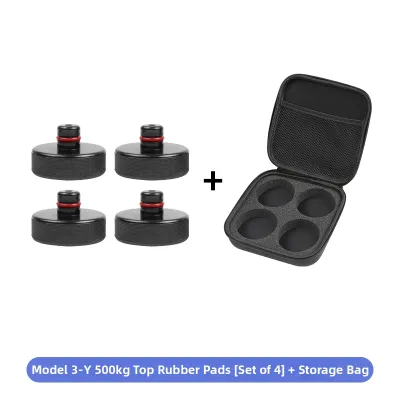
![[SG] Tesla Jack Pads for Tesla (Singapore) 2026 2025 Model Y Juniper Model 3 Highland Tire Tyre Rotation 4pcs/Case](https://img.lazcdn.com/g/p/5d0c8ef59e3e1fef4dab258bc9f4d8fb.png_400x400q80.png_.webp)
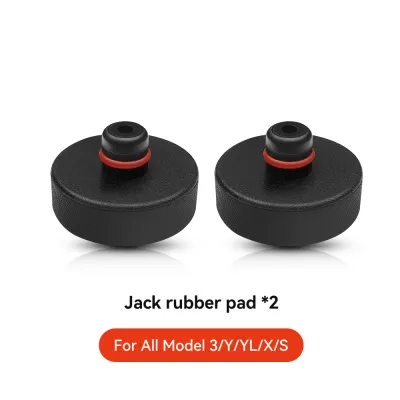
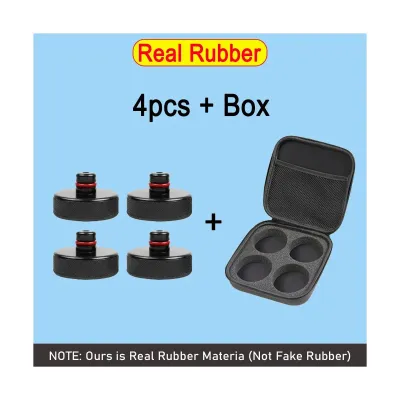
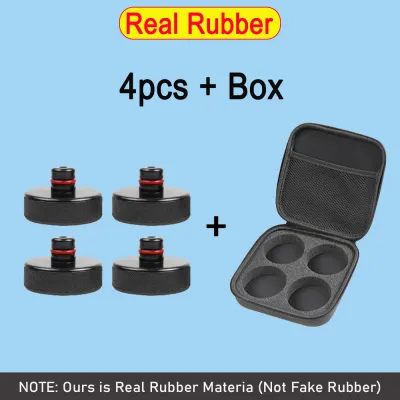
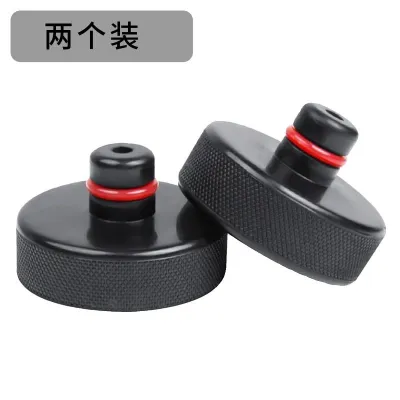
Prices are valid at publication and may change. Please refer to the product page for the latest price.
To facilitate safe lifting, the Model Y chassis is engineered with four specific, circular lift points located near each wheel well. These points are reinforced receptacles designed to receive a cylindrical post, which distributes the vertical load directly to the vehicle’s structural frame. Standard floor jacks feature wide, flat, or serrated metal saddles that cannot isolate these small, recessed lift points. Without an adapter, the metal saddle of the jack will inevitably make contact with the surrounding plastic rocker panels or the edge of the battery enclosure.
Using an incorrect lifting method also carries significant financial and warranty implications. Tesla’s official documentation specifies that damage caused by lifting the vehicle incorrectly is not covered under the vehicle warranty. Because battery pack replacements can cost tens of thousands of dollars, investing in a set of dedicated jack pads is a highly cost-effective preventative measure for any owner. These simple tools ensure that the lifting force is directed entirely away from the sensitive battery components and plastic trim.
Essential Dimensions and Material Checks for Safe Lifting
When shopping for a Tesla Model Y jack pad, verifying the physical dimensions of the adapter is the first step toward ensuring compatibility. The adapter typically consists of a flat base and a protruding center post. This post must match the diameter and depth of the chassis lift holes on your specific Model Y model year. If the post is too thick, it will not insert fully; if it is too thin or too short, the pad may shift laterally during lifting, creating an unstable contact point that could slip under load.

Material composition is equally critical for safety and longevity. High-tensile vulcanized rubber and premium polyurethane are the industry standards for these adapters. These materials offer the ideal balance of compressive strength and elasticity, allowing the pad to support the Model Y’s substantial curb weight—which typically exceeds two metric tons—without cracking or permanently deforming. Avoid cheap, low-density plastic alternatives, as they can split suddenly under high pressure, causing the vehicle to drop unexpectedly.
In Singapore’s hot and humid tropical climate, material degradation is an important factor to consider. Low-quality rubber compounds can become sticky, brittle, or prone to cracking when stored in a warm car trunk over extended periods. Selecting a high-grade, weather-resistant polyurethane or silicone-infused rubber ensures the pads remain pliable and structurally sound for years. Additionally, look for pads that feature integrated rubber O-rings on the center post, which help hold the pad securely in the chassis hole while you position the jack underneath.
Base stability and surface texture also play a vital role in preventing slippage. The bottom of the jack pad should feature a textured, non-slip surface or molded grooves that grip the metal saddle of your floor jack. A completely smooth plastic or metal-on-metal interface increases the risk of the jack sliding out from under the pad, especially if the ground is not perfectly level or if there is residual moisture on the pavement.
Comparing Common Jack Pad Designs for EV Maintenance
There are several distinct styles of jack pads available on the market, each catering to different maintenance scenarios and user preferences. Understanding these designs helps you choose the most practical option for your garage or emergency kit.
Standard Puck-Style Adapters
These are the most common and widely recommended designs. They feature a simple cylindrical body with a protruding post on top, often fitted with a rubber O-ring. The O-ring creates a friction fit inside the chassis hole, allowing the pad to hang in place hands-free. This design is highly practical for solo DIY tire changes, as it frees up both hands to position and pump the floor jack. They are compact, easy to store, and highly compatible with most standard hydraulic trolley jacks.
Magnetic Jack Pads
Magnetic adapters utilize strong rare-earth magnets embedded in the top of the post or the base of the pad. These magnets cling to the steel frame surrounding the lift point, providing a secure, temporary attachment without relying solely on friction O-rings. However, before purchasing magnetic pads, you must verify whether your specific Model Y chassis configuration features steel or aluminum lift point surrounds, as magnets will not adhere to aluminum components.
Low-Profile vs. Standard-Height Pads
Standard-height jack pads typically measure around 25mm to 30mm in thickness. While these work perfectly with standard-height vehicles and typical garage jacks, they may present clearance issues if your Model Y has been fitted with aftermarket lowering springs or body kits. In such cases, low-profile jack pads are necessary. These thinner pads provide just enough clearance to protect the battery and trim while allowing a low-profile floor jack to slide underneath the lowered chassis.
Pre-Lift Safety Protocol and Compatibility Verification
Before attempting to lift your Tesla Model Y for a tire change or rotation, establishing a strict safety protocol is essential to prevent vehicle damage or personal injury. Always begin by parking the vehicle on a flat, level, and solid concrete surface. Avoid asphalt on hot days, brick pavers, or sloped driveways, as these surfaces can sink or cause the jack to roll off-center. Engage the parking brake via the touchscreen and ensure the vehicle is in Park.
Consult your official Tesla Model Y owner’s manual to locate and confirm the exact positions of the four lift points. These are located just behind the front wheels and just ahead of the rear wheels. Never guess the location; physically look under the rocker panel to identify the circular green or black metal holes. Clean any accumulated road grime, mud, or water from the lift holes using a clean cloth, as debris can prevent the jack pad from seating flush against the frame.
Inspect your jack pads before every use. Check for deep cracks, chunks of missing material, or severe deformation. If your pads utilize rubber O-rings, ensure they are intact and not dry-rotted. Slide the pad’s post into the chassis lift hole, ensuring the flat shoulder of the pad sits completely flush against the vehicle’s metal frame. If there is a gap, do not proceed; the pad may be the wrong size or there may be an obstruction inside the hole.
Position your hydraulic floor jack directly under the installed pad. Slowly raise the jack saddle until it makes light contact with the bottom of the pad. Stop and visually verify that the jack saddle is perfectly centered on the pad and that the pad remains flush against the chassis. Once alignment is confirmed, slowly pump the jack to raise the vehicle. Safety Warning: Never place any part of your body under the vehicle while it is supported solely by a hydraulic jack. Always use properly rated jack stands with compatible adapters if you must perform work underneath the car, or seek assistance from a qualified professional workshop for complex suspension or brake work.
Evaluating Product Listings and Seller Claims
When browsing online marketplaces or visiting local automotive accessory shops in Singapore, it is important to critically evaluate product descriptions to avoid purchasing substandard or incompatible equipment. Many listings use generic terms like “universal fit” or “fits all EVs,” which can be highly misleading. A jack pad must be engineered specifically for the Tesla chassis dimensions to ensure a safe, flush fit.
Always cross-reference the seller’s provided technical drawings and measurements against your vehicle’s specifications. Look for listings that explicitly state the material compound used, such as “high-tensile polyurethane” or “vulcanized rubber,” rather than vague descriptions like “durable plastic.” High-quality manufacturers often provide load-testing certifications or maximum weight ratings per pad, giving you peace of mind that the product can handle the weight of a Model Y.
Be cautious of extremely low-priced multi-packs that lack detailed specifications or customer feedback. Reading reviews from other Tesla owners can provide valuable insights into real-world durability and fitment accuracy. Additionally, prioritize sellers who offer clear return policies, allowing you to physically test the fit of the pads in your vehicle’s chassis holes before committing to keeping them.
Frequently Asked Questions (FAQ)
Can I use a standard hockey puck as a temporary jack pad?
Using a standard hockey puck as a temporary jack pad is not recommended. While hockey pucks are made of vulcanized rubber and can support significant weight, they lack the centering post required to align the pad with the Model Y’s specific chassis lift holes. Without this post, there is no lateral stability, meaning the puck can easily slip or slide off the jack saddle under load. This slip can cause the jack to crash directly into the plastic rocker panel or the high-voltage battery casing, resulting in severe structural damage.
Do I need jack pads if I am using a commercial two-post lift?
Yes, dedicated jack pads or lift adapters are highly recommended even when using a commercial two-post lift. The lift arms of commercial hoists feature wide, flat metal pads that can easily overlap onto the plastic side skirts or the battery enclosure if positioned directly. Using a set of four jack pads ensures that the lift arms make contact only with the designated, reinforced chassis points. When visiting a local workshop in Singapore, it is wise to offer your own set of pads to the technician, as not all general service centers keep these specialized adapters in their inventory.
Community discussion
Share your experience or ask a question. Comments are reviewed before publication.