
The ideal helmet head scarf material for Singapore’s hot and humid weather is a lightweight synthetic performance blend, specifically polyester or nylon mixed with elastane (spandex). These engineered fabrics are highly hydrophobic, meaning they do not absorb moisture into the fibers themselves; instead, they pull sweat away from your scalp and spread it across a large surface area for rapid evaporation. This active moisture-wicking process keeps your head dry, prevents sweat from dripping into your eyes, and helps maintain a hygienic environment inside your motorcycle helmet.
Riding a motorcycle in Singapore presents unique environmental challenges that directly impact your comfort and safety. With year-round high temperatures and relative humidity levels that regularly exceed 80 percent, your scalp quickly becomes a high-heat zone under a snug-fitting helmet. A dedicated helmet head scarf, also known as an inner cap or balaclava, acts as a vital barrier between your skin and the helmet’s internal padding, absorbing sweat and preventing friction.
Why Tropical Heat Changes Your Head Scarf Needs
In temperate climates, riders often wear head wraps or balaclavas to retain body heat and block cold wind. In Singapore, however, the primary function of a head scarf is completely reversed. Your gear must facilitate maximum heat dissipation and moisture evaporation to prevent physical discomfort and distraction while navigating busy roads.
Products mentioned in this guide
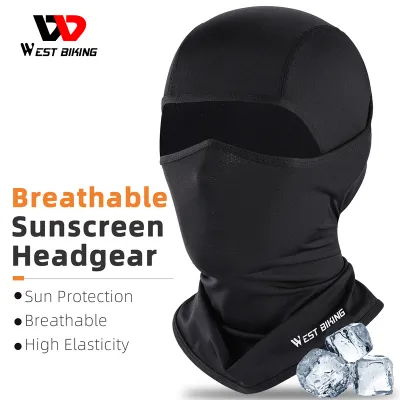
158 Lazada user ratings
Received complete product quality is reasonable for the price. good service of the shop. The product is well packed, not damaged, the fabric…Read full reviewShow less
Received complete product quality is reasonable for the price. good service of the shop. The product is well packed, not damaged, the fabric is slippery, cool, not uncomfortable to wear.
Maganda ang pagkakatahi, pantay lahat at malambot siya. Looks orginal and feel like orginal thank you so much west biking looking forward to…Read full reviewShow less
Maganda ang pagkakatahi, pantay lahat at malambot siya. Looks orginal and feel like orginal thank you so much west biking looking forward to order more soon 🙂👍🏻👍🏻
The condition is according to the product. on the cover, the fabric is ok. i have not tested the endurance of the hat. overall condition is …Read full reviewShow less
The condition is according to the product. on the cover, the fabric is ok. i have not tested the endurance of the hat. overall condition is OK.
Took 8 days to deliver from overseas. Considered fast, the fabric is not thick, comfortable to wear. The fabric should be polyester.
Beautiful stomach suitable for the price is not too expensive. try it first. if you like it, I will order more.
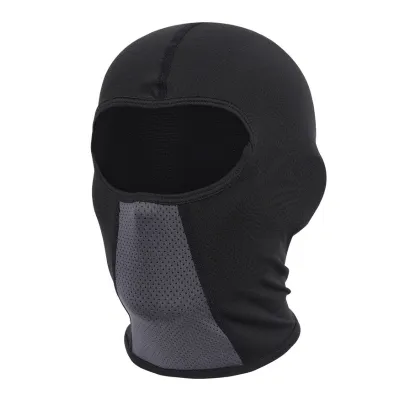
4 Lazada user ratings
super fast delivery (2 days), managed to get it in time for my kid's school camp
Fast delivery, good quality
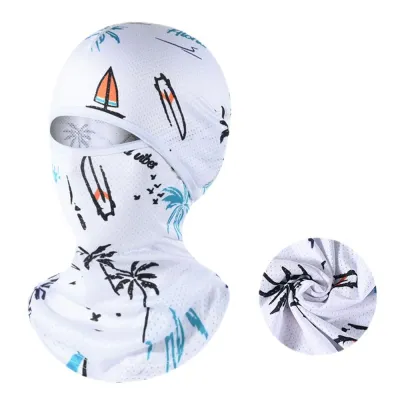
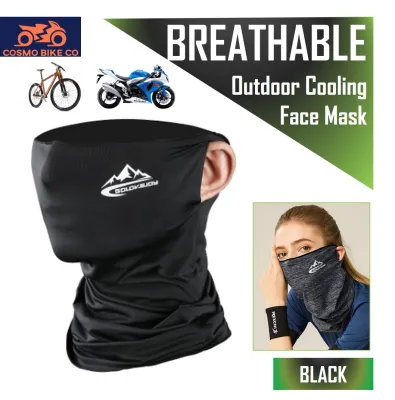
34 Lazada user ratings
good product.,I can suggest to everyone can buy this.. thanks you very much
Fast delivery and well received . Good quality and yet to try it !
Quality: cooling . Appearance: looks good Performance: great
fabric is soft and smooth. fast shipping by seller
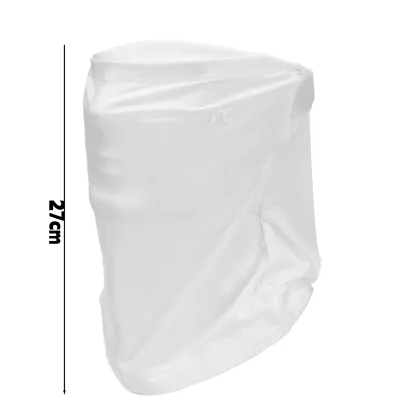
51 Lazada user ratings
Material is soft, easy to wash, good for protection against the sun
thank you and like it so much
Ear-hanging for secure fit,
Prices are valid at publication and may change. Please refer to the product page for the latest price.
When you ride, the physical effort and the heat trapped by the helmet’s protective foam shell trigger sweat production. In a highly humid environment, sweat cannot evaporate efficiently from your skin because the surrounding air is already saturated with moisture. Instead of cooling you down, the sweat pools on your scalp, runs into your eyes, and saturates the helmet’s comfort liners.
This trapped moisture creates several immediate and long-term problems. In the short term, sweat dripping into your eyes can impair your vision and distract you during critical maneuvers on busy expressways. Over time, the constant accumulation of sweat, sebum, and hair products in the helmet liner leads to bacterial growth, resulting in persistent, unpleasant odors and potential skin conditions like forehead acne or scalp folliculitis.
Standard thermal balaclavas or heavy cotton head wraps fail completely under these conditions. Rather than facilitating airflow and evaporation, they act as insulators, trapping heat and holding onto moisture like a wet sponge. To maintain comfort and hygiene, you need a material specifically engineered to move moisture rapidly away from your skin to the outer surface of the fabric, where the helmet’s ventilation channels can help evaporate it.
Key Fabric Properties to Check Before Buying
When shopping for a helmet head scarf, you cannot rely solely on generic marketing terms like “cool” or “breathable.” Instead, you must evaluate specific, verifiable fabric properties that dictate how the material behaves when saturated with sweat in a high-humidity environment.

The first and most critical property is moisture-wicking capability. Wicking is a mechanical process where capillary action pulls moisture along the fibers of the fabric to the outer surface. Look for fabrics that explicitly state they are engineered for moisture management or active wicking. This property ensures that sweat does not remain trapped against your scalp, keeping your head feeling dry even during prolonged rides.
Breathability and airflow are equally vital. A highly breathable fabric allows air to pass through its structure easily, facilitating the convective cooling process provided by your helmet’s intake and exhaust vents. You can check this by holding the fabric up to the light to observe the density of the weave. A looser, more open weave or a fabric with integrated mesh zones will offer significantly better ventilation than a tightly woven, dense material.
Drying speed is another crucial factor, especially for daily commuters who ride multiple times a day. A head scarf that dries slowly will still be damp when you put your helmet back on for your return journey, creating an uncomfortable sensation and encouraging mold growth. Synthetic performance fabrics and specialized semi-synthetics are designed to dry many times faster than standard cotton, ensuring the gear is ready for your next trip.
Finally, you must consider the thickness and volume of the material. A motorcycle helmet must fit snugly against your head to provide certified protection during an impact. A head scarf that is too thick or bulky can alter this fit, creating tight spots, causing headaches, or even compromising the helmet’s safety performance. The ideal tropical head scarf should be ultra-thin, feeling like a second skin, so it does not interfere with the helmet’s internal dimensions.
Comparing Common Head Scarf Materials
To find the right balance of comfort, durability, and performance, it is helpful to compare the primary material categories available on the market. While many products look similar at a glance, their performance under a helmet in hot weather varies dramatically based on their fiber composition.
It is important to note that the actual performance of a head scarf often depends on specific fabric blends and proprietary weave structures rather than just the generic base fiber name. Manufacturers frequently combine different fibers to leverage the strengths of each, creating a product that is both soft and highly functional.
Synthetic Performance Blends
Synthetic performance blends, typically consisting of polyester or nylon mixed with elastane (spandex), are highly effective choices for active sports and tropical riding. These engineered fibers are naturally hydrophobic, meaning they absorb very little water themselves; instead, they channel moisture along the surface of the fiber to evaporate quickly.
Polyester-based blends are highly durable, resistant to stretching or shrinking, and exceptionally efficient at managing moisture. Nylon-based blends often feel slightly cooler and softer against the skin, offering excellent abrasion resistance. The addition of elastane provides the necessary four-way stretch, ensuring the scarf conforms closely to the contours of your head without bunching up under the helmet.
Because synthetic fibers can sometimes harbor odor-causing bacteria more readily than natural fibers, it is highly beneficial to check for integrated antimicrobial or anti-odor treatments. Many manufacturers treat performance fabrics with silver ions or other antibacterial agents that inhibit the growth of microbes, keeping the scarf smelling fresher for longer between washes.
The primary drawback of synthetic blends is that lower-quality options can feel scratchy or stiff, and they require specific care to maintain their wicking properties. Washing them with fabric softeners, for example, can coat the fibers and ruin their ability to manage moisture, so you must follow the care instructions carefully.
Natural and Semi-Synthetic Fibers
Natural fibers like cotton and semi-synthetic, regenerated fibers like bamboo-derived viscose or modal offer a very different set of characteristics. These materials are highly prized for their exceptional softness, natural drape, and gentle feel against sensitive skin.
Cotton is a common choice for casual wear, but it is generally unsuitable for high-sweat riding in Singapore. Cotton fibers are highly hydrophilic, meaning they absorb and hold onto moisture rather than releasing it. Once a cotton bandana or scarf becomes wet with sweat, it stays wet for a long time, clinging to your skin, blocking airflow, and creating a damp, warm environment that can lead to skin chafing and helmet liner degradation.
Semi-synthetic options, such as modal or bamboo viscose, perform significantly better than pure cotton. These fibers are processed from plant cellulose to create an incredibly smooth, silk-like texture that feels naturally cool to the touch. They possess decent moisture-absorbing properties and are highly breathable, making them comfortable for shorter rides or lighter sweating.
However, even semi-synthetic fibers can struggle with slow drying times when completely saturated. If you prefer the natural feel of these materials, look for blended compositions that combine bamboo or modal with polyester or nylon. These hybrid fabrics offer the skin-friendly comfort of natural fibers alongside the rapid-drying performance of synthetics.
Mesh and Open-Weave Structures
The physical construction of the fabric plays a massive role in how much heat is retained under your helmet. Mesh and open-weave structures are specifically designed to maximize ventilation by incorporating visible gaps in the knit pattern.
Many high-performance helmet head scarves feature a multi-panel construction, placing highly breathable mesh zones in areas that sweat the most, such as the crown of the head, the temples, and the back of the neck. This design allows hot air and water vapor to escape directly through the mesh into the helmet’s internal ventilation channels, significantly improving the cooling effect.
While mesh panels offer enhanced airflow, they do involve certain trade-offs. The open structure provides less protection against friction from the helmet’s inner lining, which can be an issue if your helmet has rough or worn comfort pads. Additionally, if you wear the scarf as a neck gaiter or balaclava outside the helmet, mesh zones offer minimal protection against UV radiation from the intense tropical sun.
When choosing a mesh-integrated head scarf, verify that the seams connecting the mesh panels to the solid panels are flat and well-constructed. Poorly made seams in high-pressure areas can dig into your skin under the weight of the helmet, causing discomfort and distraction during your ride.
Fit, Seam, and Helmet Compatibility Checks
No matter how advanced the material is, a helmet head scarf will not perform well if it does not fit correctly or if it compromises your safety. Your motorcycle helmet is a precision safety device designed to fit snugly against your head to absorb impact forces effectively.
Before purchasing a head scarf, you must ensure it does not alter the secure fit of your certified helmet. A scarf that is too thick can compress the helmet’s comfort padding excessively, creating painful pressure points on your forehead or temples after just thirty minutes of riding. Conversely, a scarf that is too loose can bunch up, creating folds of fabric that press painfully against your skin and distract you from the road.
To prevent these issues, look for head scarves that feature flatlock stitching or seamless construction. Standard raised seams can act like small ridges under the pressure of a tight helmet, leading to friction sores, red marks, and deep discomfort during long commutes. Flatlock seams lie completely flat against the fabric, distributing pressure evenly and reducing the risk of skin irritation.
You should also verify the coverage area of the scarf based on your riding style and helmet type. If you wear a full-face helmet, a balaclava-style scarf that covers your head, neck, and chin provides comprehensive protection, keeping sweat off the cheek pads and neck roll. For open-face or modular helmets, a simple skull cap or inner cap may be sufficient to protect the crown of your head while keeping your face clear. Ensure the scarf covers the forehead area where the helmet’s brow pad rests, as this is a primary area for sweat accumulation and friction.
Care and Maintenance for Humid Conditions
Maintaining your helmet head scarf properly is essential for preserving its technical performance and ensuring hygiene in Singapore’s humid climate. Sweat, body oils, hair products, and dust from the road quickly accumulate in the fabric, which can clog the wicking channels and foster bacterial growth.
You should establish a frequent washing routine, ideally washing the scarf after every single ride, or at least daily if you are a regular commuter. Allowing a sweat-soaked scarf to sit in a dark, unventilated space—such as inside your helmet or in a motorcycle top box—accelerates the growth of mold, mildew, and odor-causing bacteria, which can ruin both the scarf and your helmet’s interior.
Always check the manufacturer’s care label before washing. Most synthetic performance fabrics should be washed in cool or lukewarm water using a mild, liquid detergent. Avoid using powder detergents, which can leave residues that clog the fabric’s pores, and never use fabric softeners or bleach. Fabric softeners leave a thin, waxy coating on the fibers that completely destroys their moisture-wicking capabilities, rendering the scarf ineffective.
After washing, ensure the scarf is dried thoroughly before storing or wearing it again. In Singapore’s high humidity, line drying in a well-ventilated area or under direct sunlight is highly effective for killing remaining bacteria. Avoid storing the scarf while it is even slightly damp, as this is a primary cause of persistent musty odors.
Frequently Asked Questions (FAQ)
How often should I wash my helmet head scarf in humid weather?
You should wash your helmet head scarf after every ride, or at least daily if you commute regularly. Leaving a damp, sweat-soaked scarf unwashed allows bacteria, sebum, and sweat salts to accumulate, which leads to unpleasant odors, skin irritation, and the rapid degradation of the fabric’s performance fibers.
Can I use a standard cotton bandana instead of a purpose-built head scarf?
While you can wear a standard cotton bandana, it is not recommended for Singapore’s hot and humid weather. Cotton absorbs and retains moisture instead of wicking it away, meaning the bandana will quickly become saturated with sweat, stay wet under your helmet, block airflow, and potentially cause skin chafing and helmet liner damage.

Community discussion
Share your experience or ask a question. Comments are reviewed before publication.