
Upgrading your Nissan’s interior with a genuine leather or suede steering wheel cover is an effective way to enhance both driving comfort and cabin aesthetics. However, finding the correct fit requires looking beyond a generic label. Because Nissan vehicles range from compact hatchbacks to large sport utility vehicles and commercial vans, steering wheel dimensions vary significantly across different models, production years, and trim levels. Selecting the right cover involves precise measurement, material evaluation under local driving conditions, and deciding on the installation method that matches your lifestyle. A well-fitted cover protects the original steering wheel from wear while providing a secure grip, which is crucial for safe vehicle operation.
Determine the Correct Steering Wheel Size for Your Nissan
To ensure a snug, safe fit that does not slip during sudden maneuvers, you must determine the exact dimensions of your steering wheel. Relying solely on the model name—such as Nissan Qashqai, X-Trail, or Sylphy—is a common mistake. Trim levels, sport packages, and model years frequently introduce redesigned steering wheels with flat bottoms (D-shaped wheels) or thicker grips.
To measure your steering wheel accurately, you will need a flexible sewing tape measure. First, measure the outer diameter. Place the tape measure across the front face of the steering wheel, stretching it from the outermost edge on one side directly through the center emblem to the outermost edge on the opposite side. Note this measurement in millimeters or inches.
Products mentioned in this guide

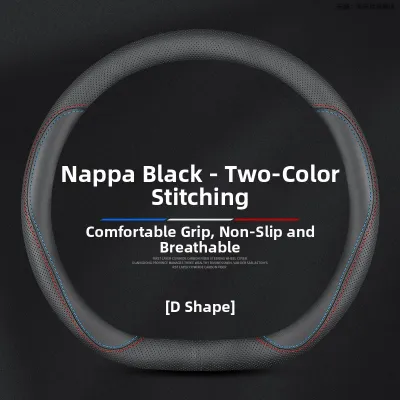
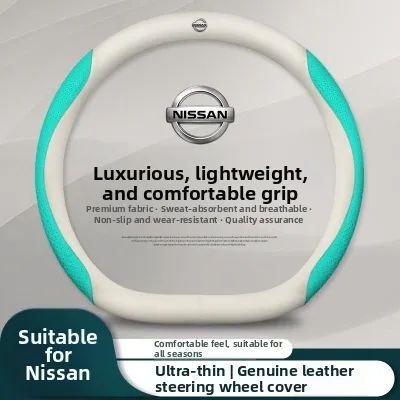
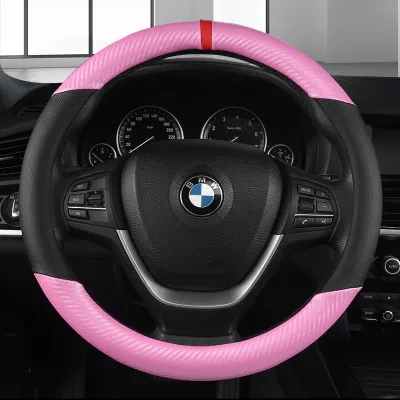
Prices are valid at publication and may change. Please refer to the product page for the latest price.
Next, measure the grip circumference. Wrap the flexible tape measure tightly around the thickest part of the steering wheel rim, typically at the ten-and-two or nine-and-three o’clock positions. This measurement determines how well the cover will wrap around the rim without leaving a loose gap or failing to meet at the seams.
While physical measurements are the most reliable method, you can also consult your Nissan owner’s manual or log into the official Nissan manufacturer portal using your Vehicle Identification Number (VIN). The technical specifications section often lists the steering wheel diameter.
Be aware of the distinct steering wheel profiles across the Nissan lineup. For instance, a compact sedan like the Nissan Almera may feature a smaller, thinner wheel compared to a robust SUV like the Nissan Patrol or a commercial vehicle like the NV200. Furthermore, modern Nissan models often feature a flat-bottomed “D-shape” steering wheel design, which requires a specialized cover shaped specifically for non-circular wheels. Standard circular covers will not fit these models correctly and can pose a safety hazard if they slip.
Genuine Leather vs. Suede: Which Material Suits Your Driving Needs?
Choosing between genuine leather and suede involves balancing tactile preference, aesthetic goals, and practical maintenance. Both materials offer distinct advantages, but their performance is heavily influenced by how you use your vehicle and the environment in which you drive.

Genuine leather is valued for its classic appearance, durability, and smooth yet grippy texture. It naturally resists moisture, meaning sweat and oils from your hands can be easily wiped away. Leather also tends to adapt well to temperature changes, though it can become warm when parked under direct sunlight.
Suede, on the other hand, offers a soft, high-grip texture that provides a sporty, premium feel. The nap of suede increases friction, which can reduce hand fatigue during long drives. However, suede is highly porous and absorbs moisture, oils, and dust much more readily than finished leather.
In Singapore’s tropical climate, high humidity and warm temperatures play a critical role in material longevity. High humidity accelerates the accumulation of moisture and hand oils on a steering wheel. For suede covers, this environment can lead to the fibers flattening, matting, and becoming slick over time if not regularly maintained. Suede is also more susceptible to mold and mildew growth in damp, enclosed vehicle cabins. Genuine leather tends to be more resilient in humid conditions, as its sealed surface prevents deep moisture absorption, making it easier to keep clean and sanitary.
Your daily driving habits should also guide your choice. For daily stop-and-go commuting in urban traffic, where frequent turning and constant hand contact are required, genuine leather is often the more practical choice due to its ease of cleaning and robust wear resistance. If you engage in spirited driving or prefer a highly tactile, non-slip grip that mimics performance sports cars, suede is an option, provided you are committed to a more rigorous maintenance routine.
Installation Types: Slip-On vs. Stitch-On Covers
Once you have selected the material and size, you must choose between two primary installation styles: slip-on covers and stitch-on wraps. Each type represents a trade-off between convenience and the quality of the final fit.
Slip-on steering wheel covers are pre-formed rings with an elastic or rubberized inner core. They are designed to stretch over the existing steering wheel rim. The primary advantage of a slip-on cover is convenience; installation takes only a few minutes and requires no tools. However, because they are designed to fit a range of sizes, they can add significant bulk to the steering wheel, which may feel uncomfortable for drivers with smaller hands. They also rarely cover the spokes of the wheel, leaving parts of the original material exposed.
Stitch-on covers, or custom wraps, provide a tailored, seamless fit that looks like an original factory finish. These covers are supplied as a flat strip of leather or suede that you wrap around the steering wheel and sew together by hand using a needle and heavy-duty thread. While a stitch-on cover takes significantly more time—often requiring two to four hours of focused physical effort—the result is a much thinner profile, complete coverage of the spokes, and a highly secure fit that cannot slip.
Before installing any steering wheel cover, you must consider the safety boundaries of your vehicle’s original equipment. If your Nissan is equipped with an integrated steering wheel heater, adding a thick cover can insulate the heat, reducing its effectiveness or potentially causing the heating element to overheat. You must also ensure the cover does not obstruct paddle shifters, steering-column-mounted stalks, or the deployment path of the driver’s airbag. Always consult both your Nissan owner’s manual and the accessory manufacturer’s instructions. If you encounter any conflicting information or feel unsure about your ability to install a stitch-on cover safely, stop immediately and seek professional assistance from a qualified automotive interior specialist.
Key Features to Verify Before Purchasing
Before finalizing your purchase on any online marketplace or from a local automotive retailer, run through a final checklist to ensure the cover is safe and fully compatible with your Nissan.
First, verify clearance and accessibility. A steering wheel cover must not interfere with your ability to operate multifunction buttons, voice control switches, cruise control toggles, or horn pads. Ensure that the thickness of the cover does not block your view of the instrument cluster or the head-up display if your vehicle is equipped with one.
Second, inspect the inner lining material of the cover. For slip-on models, the inner ring should be made of high-quality, non-slip rubber or silicone that grips the original steering wheel firmly. A cover that slides or rotates independently of the steering wheel is dangerous, as it can cause a loss of control during sudden steering maneuvers. For stitch-on models, ensure the kit includes high-strength, wax-coated thread and double-sided adhesive tape designed specifically for automotive interiors to secure the wrap before stitching.
Finally, check the retailer’s return policy and the manufacturer’s warranty conditions. Because precise fitment is critical, you want the option to return or exchange the cover if it does not fit your specific Nissan model year or trim level correctly. Verify that the manufacturer provides clear specifications regarding compatibility with D-shaped wheels or specific Nissan steering wheel diameters.
Frequently Asked Questions (FAQ)
Will a steering wheel cover interfere with my Nissan's airbag deployment?
A properly designed and correctly installed steering wheel cover will not interfere with your Nissan’s driver-side airbag. Modern steering wheel airbags are housed in the center hub of the steering wheel, behind the horn pad, and deploy outward toward the driver. Because a steering wheel cover only wraps around the outer rim and spokes, it does not cover the deployment seam of the airbag. However, you must strictly follow the vehicle manufacturer’s guidelines and ensure that no part of the cover, especially the flaps of a stitch-on wrap, extends over or constricts the central horn pad area. Never modify, cut, or tape any part of the steering wheel hub, and avoid using universal covers that claim to wrap over the entire face of the wheel.
How do I clean and maintain a suede steering wheel cover in a humid climate?
Maintaining a suede steering wheel cover in a humid climate like Singapore requires regular, gentle care to prevent the material from matting or developing mold. Use only manufacturer-approved cleaning agents and specialized soft-bristled brushes designed specifically for suede or Alcantara. To clean, gently brush the suede in circular motions to lift the nap and loosen dry dirt. If the material has absorbed hand oils, apply a small amount of dedicated suede cleaner to a clean microfiber cloth and gently blot the area—never saturate the material, as excess moisture can damage the suede and the underlying steering wheel. After cleaning, allow the cover to dry completely in a well-ventilated area out of direct sunlight. To prevent mold and mildew growth when your Nissan is parked for extended periods, consider using a sunshade to reduce cabin temperatures and crack the windows slightly if parked in a secure, dry location to promote airflow.
Community discussion
Share your experience or ask a question. Comments are reviewed before publication.