
To determine the ideal fuel tank capacity for a daily commute in Singapore, you must balance your daily round-trip distance with your preferred refueling frequency and the realities of stop-and-go urban traffic. For most riders navigating the island’s dense road network, a fuel tank capacity between 4 to 15 liters is standard, depending on whether you ride a compact scooter or a mid-sized commuter motorcycle. Finding the right size ensures you do not carry unnecessary weight through tight traffic while avoiding daily detours to the petrol station.
Assessing Your Daily Commute and Refueling Needs
Calculating your baseline fuel requirement starts with a simple formula: multiply your daily round-trip commuting distance by the number of days you wish to go between refueling stops, then divide this by your motorcycle’s estimated fuel economy. For example, if your daily commute from Woodlands to the Central Business District is 50 kilometers round-trip and you prefer to refuel only once every five working days, your weekly commuting distance is 250 kilometers. If your motorcycle averages 35 kilometers per liter, you will need a minimum usable capacity of approximately 7.1 liters.
However, a raw calculation does not account for the unique riding conditions of Singapore’s urban environment. Frequent stops at traffic lights, prolonged idling during peak hours on major expressways, and unexpected detours due to road construction all consume fuel without adding to your odometer. To prevent running dry in the middle of a busy junction, it is highly recommended to add a safety buffer of at least 15% to 20% to your calculated capacity, which translates to an extra 1.5 to 2 liters of reserve volume.
Products mentioned in this guide
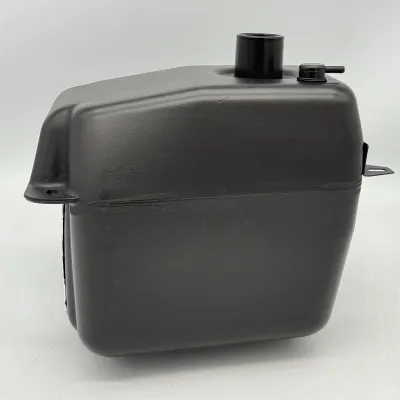
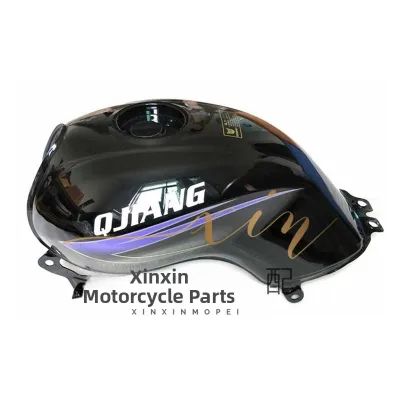
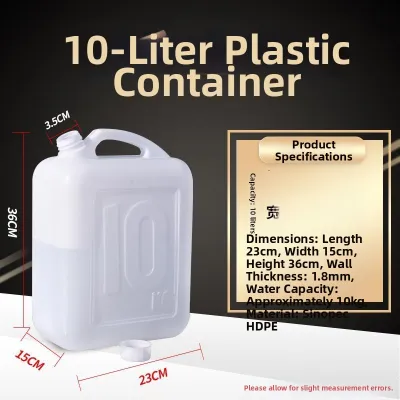
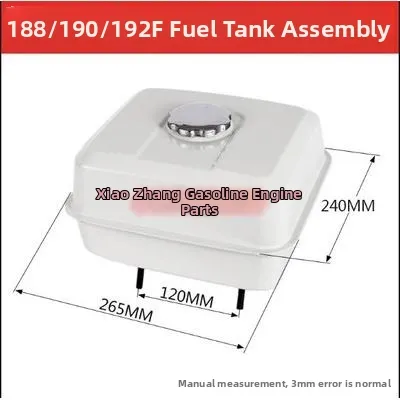
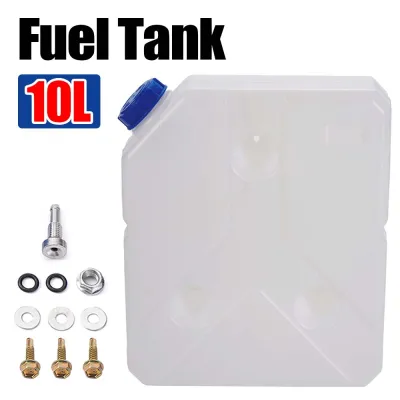
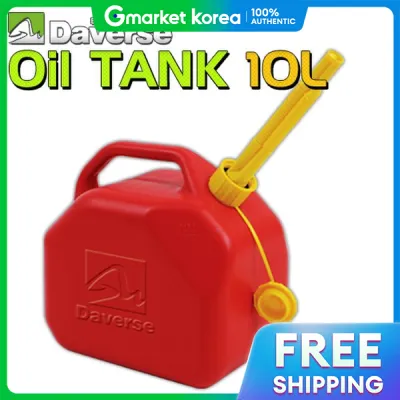
Prices are valid at publication and may change. Please refer to the product page for the latest price.
Your personal schedule and lifestyle also dictate your ideal tank capacity. Some riders prefer the convenience of a weekly refueling routine, which requires a larger tank but minimizes time spent at the petrol station during busy weekday mornings. Other riders do not mind stopping every two to three days, allowing them to opt for a smaller, lighter fuel tank that keeps the motorcycle agile and easy to handle in tight spaces.
Matching Capacity Ranges to Urban Riding Scenarios
Motorcycle fuel tanks generally fall into three main capacity ranges, each suited to different commuting styles and vehicle types. Compact fuel tanks, ranging from 4 to 7 liters, are typically found on lightweight scooters and underbone motorcycles. These tanks are highly efficient for short, inner-city trips, such as commuting within a single residential estate or traveling short distances to a nearby transit hub. While they require more frequent visits to the petrol station, the overall vehicle weight remains low, making them incredibly easy to park and maneuver.

Mid-size fuel tanks, which hold between 8 and 15 liters, are standard on most street bikes, sport commuters, and maxi-scooters. This range is highly practical for cross-island commuters who travel longer distances daily, such as from Jurong to Changi. A mid-size tank balances a generous riding range with a manageable vehicle weight, often allowing a rider to complete a full week of commuting on a single fill-up while maintaining excellent stability on high-speed expressways.
High-capacity fuel tanks, exceeding 16 liters, are usually reserved for larger adventure bikes, sports tourers, and cruisers. While these tanks offer an impressive range that is ideal for long-distance touring across the border, they are often impractical for daily commuting within Singapore’s compact geography. Carrying a massive volume of fuel adds unnecessary bulk and weight, which can make navigating tight urban traffic and narrow parking lots a physical chore.
Evaluating Weight, Space, and Fuel Efficiency Trade-offs
The physical weight of fuel is a critical factor that directly influences a motorcycle’s handling and performance. Petrol weighs approximately 0.75 kilograms per liter, meaning a fully fueled 20-liter tank adds about 15 kilograms of high-mounted weight to your motorcycle. This extra mass raises the vehicle’s center of gravity, which can make the motorcycle feel top-heavy and less stable during low-speed maneuvers, such as U-turns or tight cornering in multi-storey car parks.
In contrast, a smaller fuel tank keeps the center of gravity lower and more centralized, enhancing the motorcycle’s agility and responsiveness. This nimbleness is particularly valuable when lane filtering through stationary traffic during peak hours, where quick steering inputs and precise balance are required to navigate safely between vehicles. A lighter bike also reduces the physical effort needed to hold the motorcycle upright at traffic lights, leading to less rider fatigue over a long commute.
Furthermore, carrying excess fuel weight can subtly impact your braking distances and suspension dynamics. A heavier motorcycle requires more braking force to come to a complete stop, which can accelerate brake pad wear and put additional strain on your front forks. When evaluating a fuel tank size, always check the manufacturer’s specified fuel consumption figures, but keep in mind that real-world urban riding with frequent stop-and-go acceleration will typically result in lower efficiency than the official laboratory estimates.
Considerations for Replacing or Upgrading the Fuel Tank
If you are considering replacing your original fuel tank with an aftermarket option or a different size, you must navigate several physical, safety, and regulatory boundaries. First and foremost, verify the physical fitment and mounting points on your motorcycle’s frame. The replacement tank must clear critical internal components, including the fuel pump, petcock, fuel filters, and the steering triple clamp when the handlebars are turned to full lock.
Safety is the absolute priority when modifying any part of a vehicle’s fuel system. Ensure that all fuel lines, breather hoses, and electrical connections for the fuel gauge sensor are routed securely and kept far away from hot engine components, sharp metal edges, and moving parts. Any contact with high-heat areas can cause fuel lines to degrade prematurely, posing a severe fire hazard.
Because of the high risks associated with fuel leaks and structural modifications, always consult your motorcycle’s official service manual before undertaking any work. It is highly recommended to seek professional installation from a qualified mechanic at a registered workshop. A professional can ensure that the tank is mounted securely, the fuel system is pressurized correctly, and the modification complies with local transport safety regulations.
Common Mistakes When Selecting a Fuel Tank Size
One of the most common mistakes riders make is choosing an oversized fuel tank under the assumption that bigger is always better. While a larger tank reduces the frequency of refueling stops, the constant penalty of carrying extra weight can degrade your motorcycle’s handling, increase tire wear, and slightly lower your overall fuel economy.
Another frequent oversight is ignoring how a larger or wider tank affects riding ergonomics. An excessively wide tank can force your knees outward, disrupting your natural riding posture and making it more difficult to plant both feet firmly on the ground when stopped. This can compromise your stability and confidence, especially on wet or uneven road surfaces.
Lastly, many riders rely solely on the manufacturer’s claimed fuel range without adjusting for real-world urban traffic. Singapore’s hot climate and congested roads mean your engine will run hotter and idle more often, which significantly reduces your actual range compared to idealized highway estimates.
Frequently Asked Questions (FAQ)
Does a larger fuel tank improve fuel efficiency?
No, a larger fuel tank does not improve your engine’s inherent fuel efficiency. The fuel consumption rate is determined by your engine’s displacement, tuning, riding style, and traffic conditions. In fact, carrying the extra weight of a full, high-capacity tank can slightly increase fuel consumption in stop-and-go urban traffic, as the engine must work harder to accelerate the heavier vehicle from a standstill.
How do I check if an aftermarket fuel tank fits my motorcycle?
To verify compatibility, compare the aftermarket tank’s specifications directly with your motorcycle’s exact model year and frame dimensions. Check that the mounting brackets align perfectly with your frame’s mounting points and that there is sufficient clearance for the seat, handlebars, and triple clamp. Additionally, ensure the tank is compatible with your original fuel pump, fuel cap, and fuel line connectors to avoid leaks or electrical issues.
Community discussion
Share your experience or ask a question. Comments are reviewed before publication.