
Selecting the correct tool for applying car care products is essential to achieving a flawless finish and ensuring the longevity of your vehicle’s protective layers. The correct foam sprayer depends entirely on the specific product’s viscosity, curing time, and application requirements. There is no single universal sprayer for all detailing tasks, as the chemical compositions of polishes, waxes, and ceramic coatings differ fundamentally.
Spray waxes and sealants typically benefit from pump-up sprayers with dedicated foaming nozzles to create a clinging lather that allows the product to dwell on the surface. Conversely, true ceramic coatings often require solvent-resistant trigger sprayers that deliver a fine, precise mist rather than a thick foam, ensuring thin and even coverage. Traditional polishes are rarely applied via foam sprayers unless they are specifically formulated as low-viscosity spray polishes. Always prioritize the chemical manufacturer’s application instructions over general sprayer capabilities to avoid damaging your vehicle’s paintwork or wasting expensive detailing products.
Choosing the Right Sprayer Type for Your Product
Matching the sprayer type to the specific detailing chemical is the first step toward a successful application. Manual pump-up sprayers equipped with dedicated foaming nozzles are highly effective for applying spray waxes, waterless washes, or spray sealants. These products benefit from a thick, clinging foam that suspends dirt particles and ensures even coverage across large body panels. The foam allows the active ingredients to dwell on the surface without immediately running off, which is particularly useful in warm climates like Singapore where rapid evaporation can cause premature drying and spotting.
Products mentioned in this guide
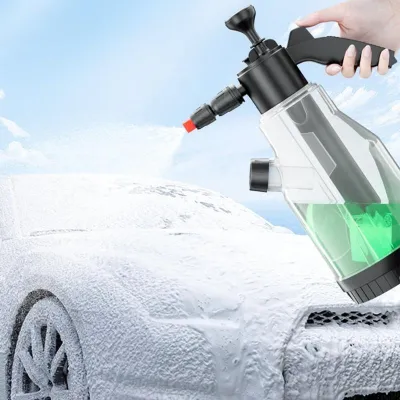
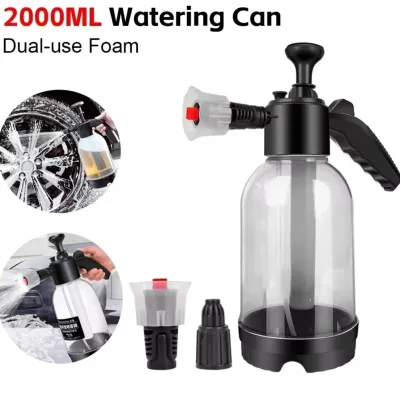
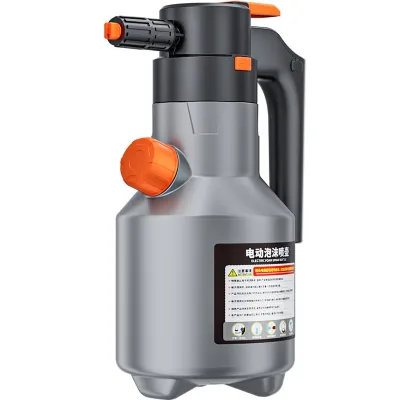
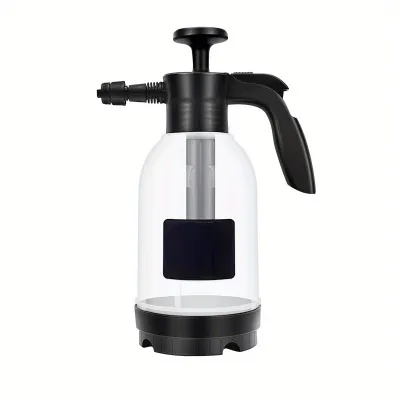
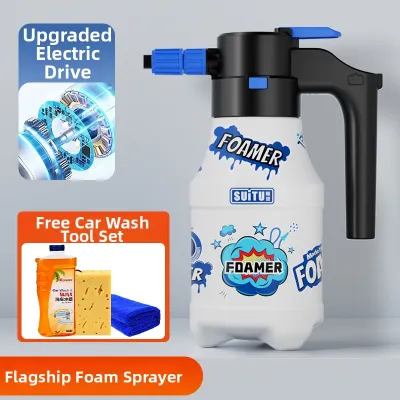
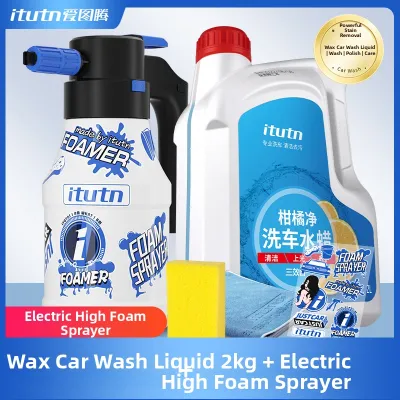
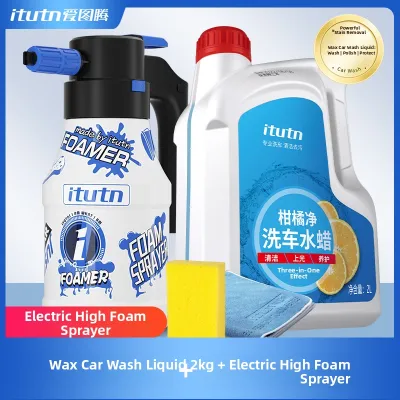
Prices are valid at publication and may change. Please refer to the product page for the latest price.
For liquid ceramic coatings or spray coatings, a high-quality, solvent-resistant trigger sprayer with an adjustable mist nozzle is the appropriate choice. These coatings require precise, fine distribution rather than a thick blanket of foam. A fine mist ensures that you apply only the necessary amount of product, preventing high spots and uneven curing that can ruin the finish. Because ceramic coatings contain strong solvents that can quickly degrade standard plastics, using a specialized, solvent-resistant trigger sprayer is critical to prevent the mechanism from failing mid-application.
Standard pressure washer foam cannons should be avoided when applying protective waxes and coatings. Foam cannons are designed for high-volume snow foams used during the pre-wash phase, where water flow rates are high and dilution is significant. Using them with expensive protection products will likely dilute the chemical excessively, waste a substantial amount of product, and lead to improper distribution. The high pressure can also force the protective chemicals into sensitive areas like door seals, window tracks, or engine bays where they are difficult to remove.
Before attempting to spray any polishing compound, verify whether your polish is a traditional paste or liquid, or a dedicated spray polish. Traditional polishes contain abrasive particles suspended in a thick emulsion, which will immediately clog the internal dip tubes and nozzles of any sprayer. These traditional formulas must be applied using microfiber applicator pads or dual-action polishing machines. Only dedicated spray polishes, which are specifically formulated with a very low viscosity, are compatible with fine mist trigger sprayers.
Key Specifications to Compare Before Buying
When shopping for a sprayer, evaluating technical specifications ensures that the tool is compatible with your detailing chemicals and comfortable to use. Nozzle adjustability is a primary feature to compare. Fixed foam nozzles are excellent for creating a consistent, thick lather but offer no flexibility if you need to switch to a fine mist. Adjustable mist-to-stream nozzles allow you to fine-tune the spray pattern to match the viscosity of your product, ensuring that you can achieve either a wide, even mist for quick detailers or a targeted stream for hard-to-reach areas.

Chemical resistance is another critical specification that directly impacts the lifespan of your sprayer. Many ceramic coatings, spray sealants, and heavy-duty cleaners contain aggressive solvents or highly alkaline ingredients that can rapidly degrade standard rubber seals. Check the sprayer manufacturer’s specifications to ensure that the internal seals, O-rings, and dip tubes are made from highly resistant materials like fluoropolymer elastomers or ethylene propylene diene monomer, depending on the pH and solvent content of the chemicals you plan to use.
Pressure compatibility must also be carefully reviewed, particularly for manual pump-up sprayers. These sprayers rely on manual pumping to build pressure within the tank, which then forces the liquid through the nozzle to create a foam or mist. Ensure the sprayer is rated for the pressure required to atomize your specific product without requiring excessive physical effort. Over-pressurizing a sprayer to force a thick liquid through a fine nozzle can cause seal failure, leaks, or even structural damage to the tank, posing a safety hazard.
Tank capacity and ergonomics play a significant role in user comfort during long detailing sessions. A larger manual pump sprayer reduces the need for frequent refills, making it ideal for treating entire vehicles in one go. However, a fully loaded two-liter pump sprayer can become heavy and fatiguing to hold for extended periods. For smaller applications or precise spot treatments, a compact trigger sprayer is often more ergonomic and easier to maneuver around intricate body panels, despite requiring more frequent refills.
Verifying Application Methods and Safety Limits
Before beginning any detailing work, always read the specific wax, polish, or coating label to confirm if spray application is approved. Some advanced ceramic coatings and synthetic sealants strictly require manual applicator pads to ensure proper bonding and to prevent the product from curing prematurely in the air. Attempting to spray a product that is designed solely for wipe-on application can result in an uneven, hazy finish that is difficult to correct without compounding.
To maintain the integrity of your detailing process, plan to use dedicated, clearly labeled sprayers for different chemical categories. Cross-contamination is a common cause of failed applications and paint defects. For example, if a sprayer previously used for an abrasive polish is not perfectly cleaned, leftover abrasive particles can be sprayed onto the paint during a wax application, causing micro-marring and scratches. Labeling your sprayers clearly for “Wax,” “Sealant,” or “Coating” prevents these costly mistakes.
If the chemical label does not specify sprayer compatibility, or if you notice the product beginning to clog the nozzle during use, stop immediately and consult the product manufacturer. Forcing a clogged sprayer can cause the pressurized chemical to spray backward or leak onto your hands and clothing. Clogging is a clear sign that the product’s viscosity is too high for the nozzle or that the chemical is beginning to cure inside the mechanism, which can permanently ruin the sprayer.
Personal safety should always be a priority when working with aerosolized detailing chemicals. Wear appropriate personal protective equipment, including chemical-resistant gloves and eye protection, especially when spraying solvent-heavy ceramic coatings or spray polishes. Inhaling airborne chemical mists can be hazardous, so ensure you are working in a well-ventilated area, preferably outdoors or in an open garage with active airflow. Avoid spraying chemicals near open flames, hot engine components, or sensitive vehicle electronics.
Cleaning and Maintaining Your Sprayer
Proper maintenance is essential to prevent clogging and extend the life of your detailing sprayers. Immediately after using waxes, sealants, or coatings, flush the sprayer mechanism thoroughly with clean water. Fill the tank with a small amount of warm water and spray it through the nozzle until the discharge is completely clear. This prevents active ingredients from curing or drying inside the dip tube, pump cylinder, and nozzle orifice, which would otherwise render the sprayer useless for future applications.
Periodically inspect the O-rings and internal seals for signs of swelling, cracking, or degradation. Exposure to harsh solvents can cause seals to lose their elasticity, leading to pressure loss and leaks. Applying a small amount of silicone-based lubricant to the seals and pump shaft can help maintain their flexibility and ensure a tight seal. If a seal shows visible damage or no longer holds pressure, replace it immediately using the manufacturer’s approved rebuild kit.
Always store manual pump sprayers in a fully depressurized state. Leaving a sprayer pressurized when not in use places continuous stress on the tank walls, pump mechanism, and seals, which can lead to premature structural failure or slow leaks. Most high-quality pump sprayers feature a pressure relief valve that allows you to safely vent the remaining air before storage. Store the sprayers in a cool, dry place away from direct sunlight, as prolonged UV exposure can weaken plastic tanks over time.
Frequently Asked Questions (FAQ)
Can I use the same foam sprayer for both car wash soap and ceramic coating?
No, you should not use the same sprayer for both car wash soap and ceramic coating. Car wash soaps often leave behind surfactants and residues that can interfere with the proper bonding of a ceramic coating, leading to premature failure of the protective layer. Additionally, ceramic coatings contain strong solvents that require specialized, highly chemical-resistant seals, whereas standard car wash soaps are typically used with general-purpose sprayers. Using dedicated sprayers for each chemical category prevents cross-contamination and ensures that the seals in each sprayer are compatible with the specific product being used.
Why is my pump sprayer not producing thick foam with spray wax?
If your pump sprayer is not producing thick foam with spray wax, first check the product label to ensure the wax is actually formulated to be foamed. Many spray waxes are designed strictly for fine misting and do not contain the foaming agents necessary to create a thick lather. Next, verify that your sprayer is equipped with a dedicated foaming nozzle rather than a standard adjustable misting nozzle, as a standard nozzle cannot introduce the air required to generate foam. Finally, ensure you are using the correct dilution ratio, as adding too much water or too much product can disrupt the foaming process; always follow the wax manufacturer’s instructions precisely.

Community discussion
Share your experience or ask a question. Comments are reviewed before publication.