
The ideal foam sprayer for car interior detailing depends on your specific workflow, the viscosity of your cleaning chemicals, and the total surface area you need to cover. Rather than searching for a single universal product, identifying the right tool requires matching the sprayer’s mechanics and output consistency with the delicate requirements of leather and fabric surfaces. This guide outlines the critical evaluation criteria, operational categories, and safety checks needed to select a foam sprayer that optimizes dwell time and protects your vehicle’s interior materials.
Using a dedicated foam sprayer is highly beneficial for interior detailing because it minimizes the amount of liquid water introduced to the cabin. Excess moisture is the enemy of automotive interiors; it can seep into seat foam padding, leading to mold, mildew, and unpleasant odors that are incredibly difficult to extract. Furthermore, modern car seats are packed with sensitive electronics, including occupancy sensors, heating elements, and ventilation fans, all of which can be permanently damaged by oversaturation.
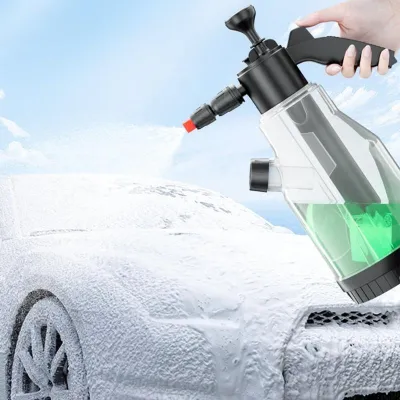
Foam sprayers work by mixing air with a concentrated cleaning solution as it passes through a specialized nozzle or felt filter. This process creates a thick, aerated foam that clings to vertical surfaces like seat bolsters, door panels, and headliners. Because the foam clings rather than running off, the active cleaning agents enjoy extended dwell time on the surface, allowing them to break down body oils, dirt, and stains without soaking into the underlying material.
Products mentioned in this guide
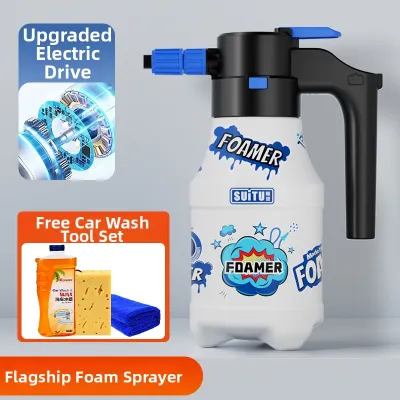
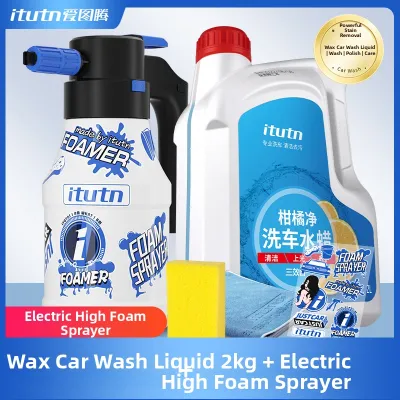
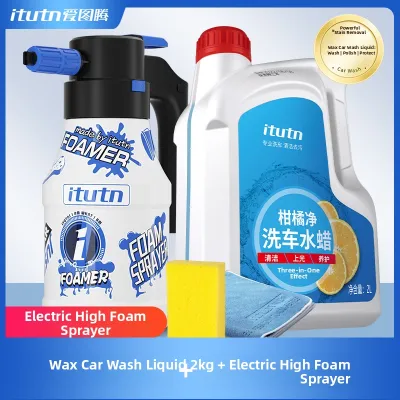
Prices are valid at publication and may change. Please refer to the product page for the latest price.
Key Features to Evaluate When Choosing an Interior Foam Sprayer
When selecting a foam sprayer specifically for car interiors, nozzle adjustability is a primary feature to consider. Interior detailing requires a high level of precision; you must be able to switch quickly between a wide fan spray for broad areas like seat cushions and carpets, and a narrow, concentrated stream for tight crevices, stitching, and door pockets. A highly adjustable nozzle prevents overspray from landing on delicate components like infotainment screens, instrument clusters, or polished wood trim.
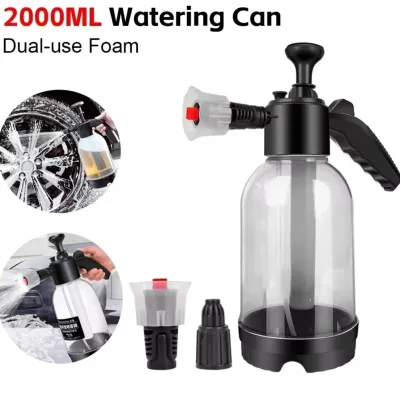
Foam density control is another critical specification that directly impacts your cleaning efficiency. Different surfaces require different types of foam; for instance, delicate leather surfaces benefit from a dry, shaving-cream-like foam that sits on top of the material, while heavily soiled fabric carpets may require a slightly wetter foam to penetrate deep into the fibers. Look for sprayers that offer adjustable foam density, which is typically achieved through interchangeable felt pads, air-induction inserts, or adjustable dilution dials on the sprayer head.
Physical ergonomics and bottle capacity play a significant role in preventing hand and wrist fatigue during extended detailing sessions. A bottle capacity of 1 to 1.5 liters is generally considered the sweet spot for interior work, providing enough solution to clean an entire vehicle without becoming excessively heavy when full. Additionally, look for sprayers featuring a weighted, flexible dip tube, often referred to as a 360-degree spray system, which allows the unit to draw liquid and spray consistently even when held upside down or at extreme angles under dashboards and seats.
Comparing Manual, Pneumatic, and Electric Sprayers for Interior Detailing
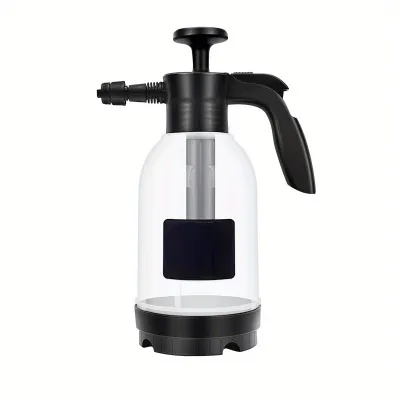
Manual pump sprayers are the most common and cost-effective option for both DIY enthusiasts and mobile detailers. These units rely on a hand-operated piston pump to compress air inside the bottle reservoir, which is then released by pressing a trigger. While highly portable and requiring no external power source, manual sprayers suffer from pressure drop-off as the liquid is discharged. This requires the user to pause frequently and re-pump the unit to maintain a consistent foam pattern, which can become tiring during large detailing jobs.

Pneumatic, or air-powered, sprayers represent the professional standard for high-volume detailing shops. These units connect directly to an external air compressor via a quick-connect fitting, ensuring a continuous, high-pressure supply of compressed air. This constant pressure produces an exceptionally dense, uniform foam that does not degrade in quality during application. However, pneumatic sprayers are limited by their lack of portability, as they require a dedicated air compressor, hoses, and a stationary power source, making them less practical for mobile detailing setups.
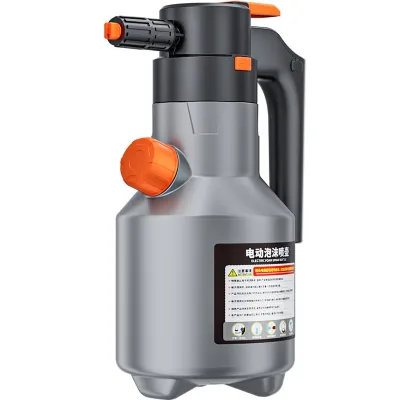
Electric and battery-operated sprayers offer a modern, highly convenient middle ground between manual and pneumatic systems. Powered by rechargeable lithium-ion batteries, these units feature an integrated micro-pump that automatically maintains constant pressure inside the bottle. This eliminates the physical effort of manual pumping while preserving the complete portability of a cordless tool. When choosing an electric sprayer, it is important to balance the unit’s weight—as batteries and motors add bulk—with battery run time and motor durability to ensure it can last through a full interior detail.
Verifying Chemical Compatibility and Safety Boundaries
Before purchasing any foam sprayer, you must verify that its internal seals, O-rings, and plastic components are chemically compatible with the specific leather and fabric cleaners you plan to use. Detailers utilize a wide range of chemicals, from mild, pH-neutral leather soaps to highly alkaline fabric pre-sprays and acidic spot removers. Using incompatible chemicals will rapidly degrade the sprayer’s internal seals, leading to pressure leaks, trigger failures, and hazardous chemical spills inside the vehicle.
Sprayer seals are typically made from specialized elastomers, with Viton (FKM) and EPDM being the most common. Viton seals offer outstanding resistance to acidic solutions, solvents, and hydrocarbons, making them the ideal choice for specialized leather conditioners and solvent-based spot cleaners. Conversely, EPDM seals are highly resistant to alkaline cleaners, ketones, and alcohols, which are frequently found in heavy-duty fabric and upholstery detergents. Always check the chemical manufacturer’s safety data sheet (SDS) and the sprayer’s technical specifications to ensure a safe match.
Furthermore, ensure that the sprayer’s internal components, such as brass nozzles or stainless steel springs, do not react with or alter the pH of sensitive leather cleaners. Chemical reactions inside the bottle can contaminate the cleaning solution, potentially leading to permanent staining or discoloration of light-colored leather and delicate fabrics. If the internal materials of a sprayer are unspecified, or if you observe any signs of seal degradation—such as a sticky pump shaft, swelling O-rings, or leaking around the trigger—stop use immediately and consult the manufacturer.
Always adhere to the safety boundaries outlined in your vehicle’s owner’s manual regarding interior cleaning. Never spray foam directly onto steering wheel controls, window switches, navigation screens, or seatbelt webbing. Instead, apply the foam directly to a soft-bristled detailing brush or a microfiber towel, and then gently work the product into the surface to prevent moisture from migrating into sensitive electrical contacts or compromising the structural integrity of safety restraints.
Essential Maintenance to Prevent Clogging and Seal Damage
To extend the lifespan of your foam sprayer and ensure consistent performance, establishing a strict post-use maintenance routine is essential. Residual cleaning chemicals, particularly thick leather soaps and fabric detergents containing polymers, can dry inside the nozzle, dip tube, and foaming filters. This dried residue forms a hard crust that restricts flow, resulting in a weak, watery spray or a completely blocked nozzle during your next detailing session.
After every detailing session, empty any remaining chemical solution back into its original container and rinse the sprayer bottle thoroughly with clean water. Fill the bottle with warm, clean water, reassemble the unit, and spray it for at least 30 to 60 seconds. This simple flushing process removes all chemical traces from the internal lines, nozzle, and felt foaming pads, preventing buildup and ensuring the unit is ready for immediate use next time.
Always depressurize the sprayer before storing it. Leaving a sprayer under pressure keeps the internal seals, O-rings, and the plastic bottle itself under constant stress, which significantly shortens their lifespan and can lead to hairline cracks or sudden pressure failure. Most professional-grade sprayers are equipped with a manual pressure relief valve; simply pull or press this valve until all compressed air has safely escaped before unscrewing the pump assembly or storing the unit.
Regularly inspect wearable parts based on visual condition and performance drops rather than an arbitrary calendar schedule. Check O-rings and seals for signs of flattening, cracking, swelling, or dry rot, and replace them immediately if damage is detected. Applying a thin coating of pure silicone grease to the O-rings and the pump piston rod periodically will maintain a tight seal and ensure smooth operation. Additionally, replace the internal felt foaming pads when they become compressed, discolored, or clogged, as fresh pads are critical for generating thick, high-quality foam.
Frequently Asked Questions (FAQ)
Can I use the same foam sprayer for both leather and fabric cleaners?
While it is physically possible to use a single foam sprayer for both types of cleaners, doing so is not recommended unless you perform a meticulous flushing protocol between uses. Fabric cleaners often contain strong alkaline surfactants designed to penetrate deep fibers, which can dry out, discolor, or strip the protective topcoat of delicate leather if any residue remains in the sprayer. Conversely, leather cleaners and conditioners frequently contain oils, waxes, or silicones that can leave greasy residues on fabrics, leading to rapid re-soiling or unsightly staining. To avoid cross-contamination, it is highly recommended to dedicate separate sprayers to each chemical type.
Why is my foam sprayer producing liquid instead of thick foam?
If your sprayer is discharging watery liquid instead of thick foam, it is typically due to an incorrect air-to-liquid ratio, improper chemical dilution, or a clogged foaming mechanism. First, verify that the chemical you are using is formulated to foam, as low-foaming carpet extractors will not produce thick foam regardless of the sprayer. Next, check your dilution ratio; too much water can prevent the surfactants from building a stable foam structure. Finally, inspect the internal felt filters or foaming pads located inside the nozzle; if these pads are clogged with dried chemical residue or compressed too tightly, they cannot mix air into the liquid stream effectively. Clean or replace the felt pads and ensure the sprayer is fully pressurized before operating.
Community discussion
Share your experience or ask a question. Comments are reviewed before publication.