
Selecting the right CarPro ceramic coating as a DIY beginner requires balancing your desire for long-lasting paint protection with your current detailing experience and working environment. While professional-grade ceramic coatings offer exceptional durability and hydrophobic properties, they also demand precise application techniques and controlled conditions that can challenge a novice. The ideal choice for your first project depends heavily on your available time, your garage setup, and your willingness to perform intensive paint preparation and correction. By understanding the differences between spray-on sealants, entry-level liquid coatings, and traditional quartz-based kits, you can select a product that matches your skill level. This guide provides a practical framework to evaluate CarPro’s consumer-accessible formats based on application ease, environmental requirements, and vehicle needs, ensuring you make an informed purchase that delivers satisfying, high-gloss results without the risk of costly application mistakes.
Why Skill Level Matters for Ceramic Coatings
Understanding the fundamental chemistry of ceramic coatings is crucial before attempting an application on your vehicle’s paintwork. Unlike traditional carnauba waxes or synthetic polymer sealants that sit on top of the clear coat and naturally degrade within a few weeks or months, ceramic coatings form a semi-permanent chemical bond with the paint. This bond is created through a chemical reaction where silicon dioxide (SiO2) or other ceramic nanoparticles cross-link with the clear coat, creating a hard, glass-like barrier. Because this bond is highly durable and resistant to chemical degradation, any mistakes made during the application process become locked onto the surface, requiring mechanical abrasion to correct.
If a beginner attempts to apply a highly concentrated, professional-grade coating without the proper technique, the consequences can be visually obvious and difficult to fix. The most common application error is the creation of “high spots,” which occur when excess product is not leveled or wiped away completely before it begins to cure. High spots appear as dark, oily patches, rainbow-colored streaks, or hazy smears that cannot be washed off with soap or water. Additionally, if the paint is not completely free of contaminants, the coating will bond directly to the dirt, industrial fallout, or road grime, trapping those imperfections beneath a hard, transparent layer. This makes thorough paint correction and chemical decontamination mandatory prerequisites for any liquid ceramic coating project, regardless of how user-friendly the product packaging claims to be.
Products mentioned in this guide
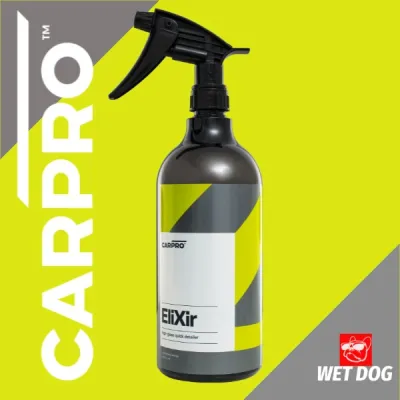
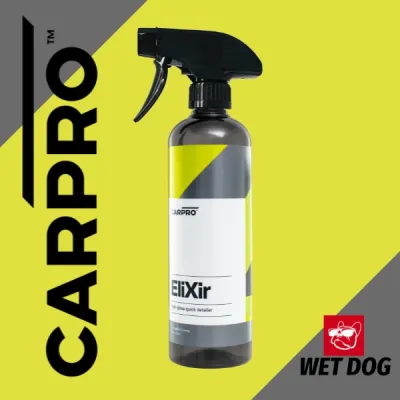
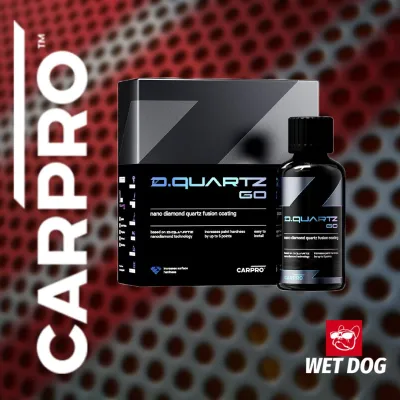
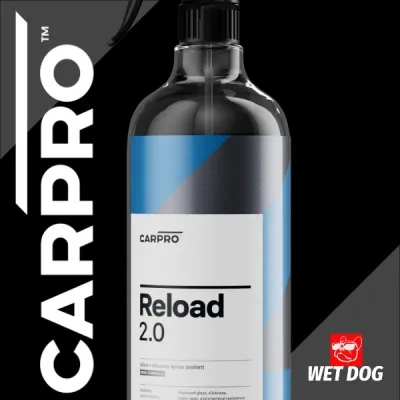
Prices are valid at publication and may change. Please refer to the product page for the latest price.
Core Selection Criteria for DIY Beginners
To ensure a successful application, first-time users must evaluate ceramic coatings using specific criteria that prioritize forgiveness and ease of use over raw longevity. The first and most critical factor is flash time, which refers to the window of time between applying the liquid to the paint and wiping off the residue. Products with longer flash times are highly beneficial for beginners because they provide a wider margin of error, allowing you to level the product and buff away excess residue without the fear of it curing too quickly on the panel. A fast-flashing product can harden within seconds, especially in warm climates, leaving you with very little time to correct uneven application.

The application method itself also dictates how manageable a product is for a novice. Spray-and-wipe formulas offer the highest level of control and the lowest barrier to entry, as they behave similarly to traditional quick detailers. In contrast, wipe-on liquid coatings require a dedicated applicator block and suede microfiber cloths, demanding a steady hand and a methodical cross-hatch pattern to ensure even coverage. Traditional liquid coatings require the most precision, as you must carefully monitor the liquid’s behavior on the paint, watching for the characteristic “sweating” or rainbow effect that signals it is ready to be buffed off.
Curing conditions are another vital consideration, particularly if you do not have access to a climate-controlled garage. Ceramic coatings are highly sensitive to temperature and humidity during both the application and initial curing phases. High humidity, which is common in tropical environments like Singapore, can accelerate flash times dramatically, making a normally forgiving product cure much faster than expected. Beginners must carefully check the product label for recommended application temperatures and humidity ranges, ensuring their workspace can accommodate these requirements.
Finally, layering requirements play a significant role in the complexity of your project. Some advanced ceramic systems require multiple layers of the base coating, followed by a separate topcoat to enhance slickness and prevent water spotting during the curing phase. For a beginner, a single-layer or self-sufficient formula is highly recommended. These products deliver excellent hydrophobic properties and gloss in a single application step, significantly reducing the total time your vehicle must remain parked indoors and minimizing the opportunities for dust to settle on the uncured surface.
Evaluating CarPro Coating Formats for Easy Application
CarPro offers a diverse range of paint protection products designed to accommodate different user needs, from simple maintenance sprays to advanced quartz coatings. Navigating this lineup requires understanding where each product format sits on the spectrum of durability, application difficulty, and preparation requirements. Before purchasing any product, it is essential to verify the exact product name, its intended use, and the manufacturer’s official application instructions on the label or through authorized retailer descriptions to ensure it aligns with your workspace and skill level.
Spray-On Ceramic Sprays and Toppers
For absolute beginners who want the hydrophobic benefits of ceramic technology without the intense labor of a traditional liquid coating, spray-on ceramic sealants and toppers are the most suitable option. These products are typically formulated with a lower concentration of active silica (SiO2) suspended in a user-friendly liquid carrier, allowing for a straightforward spray-and-wipe application. They do not require strict indoor curing environments or precise flash-time monitoring, making them highly forgiving when applied outdoors or in less-than-ideal garage conditions.
However, this ease of application comes with a clear trade-off in terms of durability and chemical resistance. While a traditional liquid ceramic coating can protect a vehicle for years, spray-on ceramic sealants generally require reapplication every few months to maintain their hydrophobic properties and gloss. They are also more susceptible to degradation from harsh road salts, acidic bird droppings, and strong alkaline car washes. Despite these limitations, spray-on formulas serve as an excellent entry point for beginners to practice surface preparation and experience the water-beading characteristics of ceramic technology.
Wipe-On and Entry-Level Liquid Coatings
Wipe-on and entry-level liquid coatings are specifically engineered to bridge the gap between temporary spray sealants and highly demanding professional coatings. These products utilize a moderate concentration of active ingredients, formulated to offer extended flash times and highly forgiving wipe-off characteristics. This design allows DIY enthusiasts to experience the enhanced gloss, chemical resistance, and self-cleaning properties of a true liquid coating without the high risk of permanent application errors.
When working with this format, it is critical to read the product label carefully to identify the specific wipe-off window, which can vary based on ambient temperature and humidity. These entry-level liquid coatings still require a dedicated indoor curing period—often requiring the vehicle to remain completely dry and sheltered from moisture for several hours after application. While they demand more preparation and care than a spray-on product, they offer a balanced compromise, providing substantial durability and excellent environmental protection with a manageable learning curve.
Traditional Liquid Coatings and DIY Kits
Traditional liquid ceramic coatings and complete DIY kits represent the highest tier of consumer-accessible paint protection, offering maximum durability and chemical resistance. Applying these products requires a high level of precision, including a strict cross-hatch application pattern to ensure uniform thickness across every square inch of the paintwork. The user must monitor the flash time constantly, as leaving the product on the panel even a minute too long can result in severe high spots that are difficult to remove without machine polishing.
Because of these strict requirements, traditional liquid coatings demand a controlled, dust-free, and well-ventilated garage environment. Beginners should only attempt this format if they have successfully completed a thorough multi-stage paint correction and have access to high-quality, color-corrected lighting. Without proper lighting, it is nearly impossible to spot subtle high spots or hazing on the paint surface before the coating cures. If your workspace is prone to dust, wind, or uncontrolled humidity, or if you lack experience with machine polishing, it is highly advisable to gain experience with entry-level formats before attempting a traditional liquid coating kit.
Essential Preparation and Safety Boundaries
Regardless of the CarPro product format you select, the success of your ceramic coating application depends almost entirely on the quality of your surface preparation. Ceramic coatings require a completely bare, chemically clean paint surface to bond effectively. The mandatory preparation sequence begins with a thorough wash using a dedicated strip shampoo to remove existing waxes and sealants. This must be followed by chemical decontamination using an iron remover to dissolve embedded metallic fallout, and mechanical decontamination using a clay bar to pull remaining contaminants from the pores of the clear coat. If the paint exhibits swirls, scratches, or oxidation, a polishing step is highly recommended to restore clarity, as the coating will lock in and highlight these defects.
Safety must be a primary concern throughout the preparation and application process. Many ceramic coatings and preparation chemicals contain strong solvents and volatile organic compounds (VOCs) that can pose health risks if mishandled. Always work in a well-ventilated area to prevent the buildup of harmful vapors. Wear appropriate personal protective equipment, including chemical-resistant nitrile gloves to protect your skin from absorbing solvents, and a respirator equipped with organic vapor cartridges if specified by the product’s safety data sheet (SDS).
It is equally important to recognize your personal skill limits and establish a clear “stop condition” during the preparation phase. If, after washing and claying, the paint surface still feels rough, or if you discover deep paint defects, heavy oxidation, or thin clear coat that requires advanced machine polishing beyond your current skill level, do not proceed with the coating. Applying a ceramic coating over poorly prepared paint will result in premature failure of the bond and a dull, hazy finish. In such cases, halt the DIY process and consult a qualified professional detailer to perform the necessary paint correction before the coating is applied.
Your Pre-Purchase Decision Checklist
Before purchasing a CarPro ceramic coating kit or prep products from an automotive store or online marketplace, use this practical checklist to ensure you have everything required for a successful application:
- Garage Audit: Verify that your workspace is fully enclosed, dust-free, and well-ventilated. Ensure you have high-quality, color-corrected lighting to inspect the paint, and confirm that the ambient temperature and humidity align with the specifications on the product label.
- Time Commitment: Calculate the total hours required for the project. A proper application involves several hours of washing, decontamination, and optional polishing, followed by the coating application and a mandatory indoor curing period where the vehicle cannot be driven or exposed to moisture.
- Budget Alignment: Evaluate the total cost of the project in S$. A complete DIY application requires not just the coating itself, but also prep washes, iron removers, clay bars, panel prep sprays, and a large supply of high-quality, edgeless microfiber towels (expect to use at least 10 to 15 towels to avoid cross-contamination). Ensure the total investment aligns with your budget and the expected lifespan of the coating.
- Vehicle Condition: Assess your vehicle's paint condition and your long-term ownership plans. If your car is a daily driver parked outdoors in a humid climate, or if you plan to sell the vehicle soon, a highly forgiving, easily reapplied spray-on or entry-level coating may offer better practical value than a complex, multi-year traditional liquid coating.
Frequently Asked Questions (FAQ)
Can I apply a CarPro ceramic coating outdoors or in direct sunlight?
Applying a ceramic coating outdoors or in direct sunlight is highly discouraged and can lead to immediate application failure. Direct sunlight heats the vehicle’s panels, causing the solvents in the coating to flash almost instantly upon contact. This rapid evaporation prevents you from leveling the product evenly and leads to severe, hardened high spots and streaks that are incredibly difficult to remove. Additionally, outdoor environments expose the wet, uncured coating to wind-blown dust, pollen, and unexpected moisture, all of which can ruin the finish and compromise the chemical bond. Always apply these products in a shaded, indoor, or heavily covered environment that meets the manufacturer’s guidelines.
Do I need to polish my car before applying a beginner-friendly ceramic coating?
While chemical and mechanical decontamination (washing, iron removal, and claying) are strictly mandatory to ensure the coating can bond to the clear coat, polishing is technically optional but highly recommended. Ceramic coatings are completely transparent and act as a magnifying glass, locking in and highlighting any existing swirls, scratches, holograms, or oxidation. If you apply a coating over unpolished paint, you will permanently seal those defects beneath the hard ceramic layer. If your goal is a flawless, high-gloss finish, you should perform at least a single-stage light polish before application; however, if you are solely seeking protection and hydrophobic properties on a utility vehicle, you can skip polishing as long as the surface is chemically clean.
How do I safely remove a ceramic coating if I make a mistake during application?
If you notice a high spot, streak, or uneven patch shortly after application, you can often correct it by applying a small amount of the liquid coating directly over the mistake to reactivate the solvents, then immediately buffing it level with a clean microfiber towel. However, this method only works within the product’s initial curing window, which is typically specified on the label. Once the ceramic coating has fully cured and hardened, it cannot be washed off with soap, clay bars, or chemical cleaners. Removing a fully cured coating requires mechanical abrasion, which involves using a dual-action machine polisher with a medium-cut compound and pad. If you do not have experience with machine polishing, you should seek professional assistance to avoid damaging your vehicle’s clear coat.
Community discussion
Share your experience or ask a question. Comments are reviewed before publication.