
Choosing the right car sun shade in Singapore depends primarily on your daily parking routine. If you park in open-air HDB surface lots or industrial estates, you need maximum heat-reflective materials to block intense tropical solar radiation. For those utilizing sheltered multi-storey or basement carparks, convenience, rapid folding, and side-window glare reduction during daily commutes become the top priorities.
Singapore’s year-round high UV index and ambient temperatures often exceeding 32°C turn parked vehicles into greenhouses. Without protection, dashboard plastics degrade, leather seats dry out, and cabin temperatures can soar to dangerous levels within minutes. By matching your sun shade’s coverage level and deployment mechanism to your typical parking environment, you can protect your vehicle’s interior assets while maintaining a comfortable, hassle-free daily routine.
Quick Guide: Matching Car Sun Shades to Your Parking Routine
Your daily parking routine dictates the balance between maximum thermal barrier and daily deployment effort. Drivers who leave their vehicles exposed to the elements all day require heavy-duty, custom-fit reflective shades that seal off the entire glass perimeter. Conversely, drivers who park in sheltered basements or multi-storey structures only encounter direct sunlight during short commutes or weekend errands, making portability and speed the primary criteria.
Products mentioned in this guide
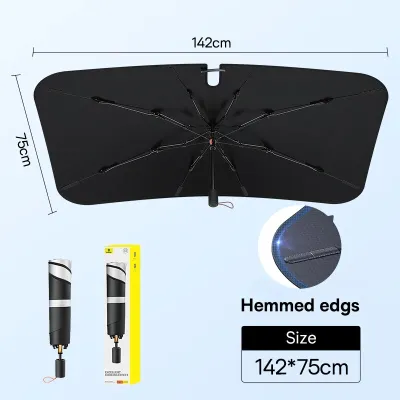
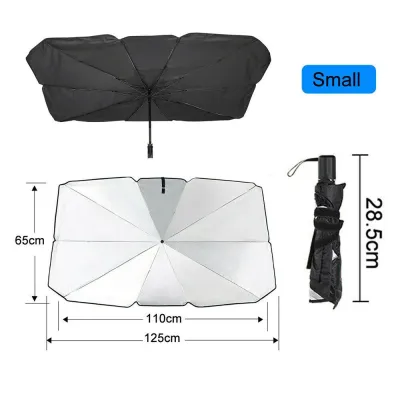
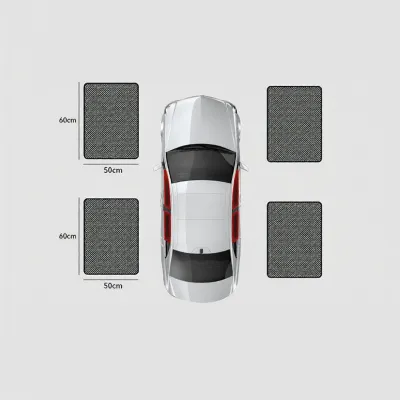
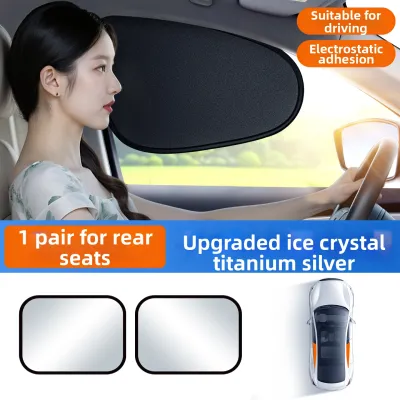
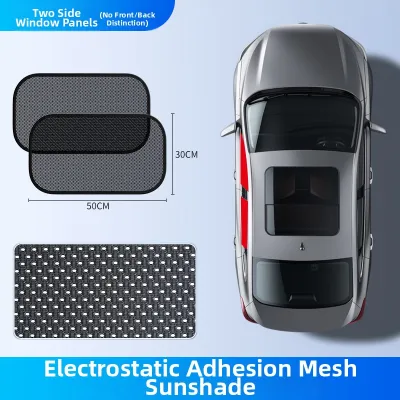
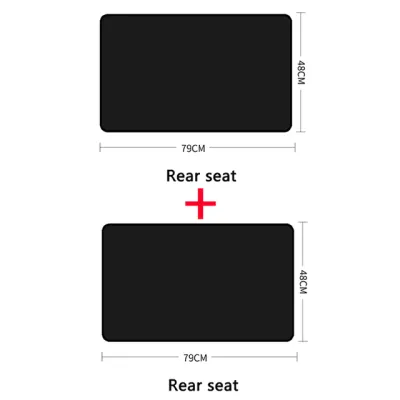
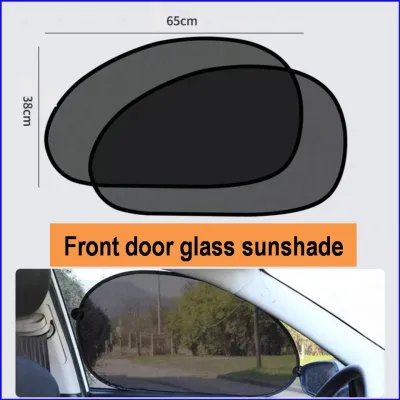
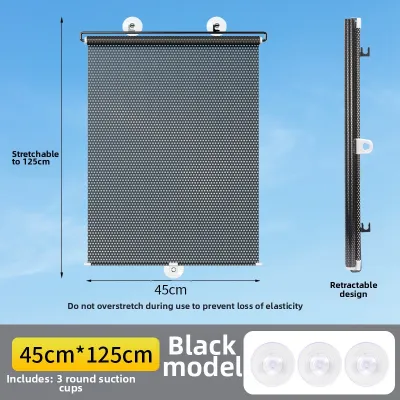
Prices are valid at publication and may change. Please refer to the product page for the latest price.
Below is a quick overview of how typical parking habits in Singapore align with specific sun shade configurations:
- Daily Outdoor Parking: Requires highly reflective, multi-layered custom-fit windshield shades combined with static-cling or custom-fit magnetic side window screens for 360-degree thermal defense.
- Covered Carparks: Best suited for quick-folding umbrella-style front shades or lightweight accordion screens that store compactly in door pockets, along with retractable side roller shades.
- Street and Mixed Parking: Demands versatile, high-opacity magnetic mesh shades or dark privacy screens that block both shifting sun angles and external views into the cabin.
Daily Outdoor Parking: Prioritizing Maximum Heat Rejection
Leaving a vehicle parked in an open-air lot under the relentless tropical sun for eight to ten hours a day represents the ultimate test of cabin protection. Without a reliable thermal barrier, solar radiation penetrates the glass, warming interior materials like the dashboard, steering wheel, and seats, which then radiate heat back into the cabin air. To combat this continuous heat soak, outdoor parkers must prioritize maximum thermal rejection over convenience.

Windshield and Rear Window Coverage
The front windshield is the single largest entry point for solar radiation in any vehicle, making it the most critical area to shield. For daily outdoor parking, custom-fit reflective windshield shades are highly recommended because they are tailored to the exact dimensions of your vehicle’s glass, leaving no gaps for light to seep through.
Alternatively, modern umbrella-style shades have gained popularity for their rapid expansion mechanism, which pushes the reflective fabric tight against the windshield edges. When choosing an umbrella style, it is vital to verify the shaft design to ensure it does not put pressure on your dashboard screen, center console, or in-vehicle unit (IU).
Regardless of the style, a snug fit around the rearview mirror and any mounted dashcams is essential to prevent heat pockets. Always check your vehicle manufacturer’s specifications and measure your windshield dimensions carefully before purchase to ensure absolute coverage without damaging mounted accessories.
Side Window and Interior Protection
While front windshield shades handle the bulk of direct solar radiation, the side and rear windows remain vulnerable as the sun moves across the sky. Utilizing static-cling, pop-up, or custom-fit magnetic side window shades ensures that your entire cabin remains shielded from shifting angles.
These side window barriers play a crucial role in preventing long-term UV damage, which causes leather seats to crack, vinyl door panels to fade, and plastic trim to become brittle. In open-air carparks, full-vehicle thermal management is only achievable when front, side, and rear glass areas are simultaneously blocked. Investing in a complete set of shades prevents the rear cabin from acting as a heat reservoir that neutralizes the cooling efforts of your front windshield shade.
Covered Carparks: Prioritizing Convenience and Glare Reduction
If your vehicle spends most of its parked hours in sheltered multi-storey carparks or underground basement lots, your primary concern shifts from long-term heat soak to daily convenience. For these drivers, deploying a heavy, multi-layered shade every time they park is often unnecessary and cumbersome. Instead, the focus should be on rapid deployment, effortless storage, and managing glare during short outdoor stints or commutes.
Foldable accordion-style or spring-wire pop-up windshield shades are excellent choices for covered parkers because they can be expanded in seconds and collapsed just as quickly. These options are typically lightweight and can be stored easily in the gap between the front seats, under the passenger seat, or within door pockets.
For side windows, retractable roller shades provide a seamless, permanent solution that remains mounted to the window frame or glass via suction cups. These allow passengers to pull the shade down when driving in bright sunlight and let it retract automatically when entering a dark carpark.
Before purchasing any shade for a covered parking routine, always verify its folded dimensions to ensure it fits comfortably within your vehicle’s storage compartments. A sun shade that is difficult to store or retrieve will quickly end up neglected in the boot, defeating its purpose entirely.
Street and Mixed Parking: Balancing Security and Versatility
Drivers who rely on street parking or split their time between various outdoor and indoor locations face a unique set of challenges. Unsecured public parallel parking lots leave vehicles exposed to unpredictable sun angles, high pedestrian traffic, and potential security risks. For these drivers, a sun shade must perform double duty: it must adapt to changing environmental conditions while providing a layer of visual security for the cabin’s contents.
Privacy and Theft Deterrence
Street parking naturally exposes your vehicle’s interior to passersby, making visible valuables a potential target for opportunistic theft. High-opacity fabric shades or dense magnetic mesh shades can serve as highly effective privacy screens by significantly reducing visibility into the cabin. By obscuring the view of the dashboard, center console, and rear seats, these shades keep personal items, bags, and electronics out of sight.
When selecting high-opacity or magnetic mesh shades, ensure that the mounting mechanism—whether magnets, suction cups, or static cling—does not leave sticky residues or scratch your window glass. Frequent installation and removal require a clean, non-marring interface to protect your window tints over time.
Adapting to Changing Sun Angles
Unlike a fixed carpark space, a street parking spot means your car’s orientation relative to the sun is completely random. A spot that is shaded in the morning can easily become a high-heat zone by mid-afternoon as the sun shifts. To handle this variability, versatile multi-panel setups or adjustable suction-cup shades are highly beneficial because they can be repositioned to whichever side of the vehicle is facing direct sunlight.
However, drivers should exercise caution when leaving shades deployed on public streets for extended periods. Avoid blocking essential visibility areas if the vehicle needs to be moved quickly, and always ensure that your shades do not violate local parking visibility guidelines or obstruct the view of parking enforcement wardens.
Essential Features to Verify Before You Buy
Selecting a car sun shade involves more than just picking a design that fits your budget; you must evaluate specific material properties and structural features to ensure long-term performance. Keep the following checklist in mind when browsing options:
- Reflective vs. Absorptive Materials: Reflective surfaces, such as aluminum foil or silver-coated fabrics, are highly efficient because they bounce solar radiation back through the glass. In contrast, dark, absorptive fabrics absorb the heat, which then transfers directly into the cabin air, making them less effective for outdoor parking.
- Custom-Fit vs. Universal Sizing: Custom-fit shades are designed specifically for your vehicle's make and model, ensuring edge-to-edge coverage and eliminating light leaks. Universal shades are more affordable but require you to measure your windshield precisely to avoid buying a shade that is too small or impossibly large.
- Storage and Durability: Look for robust folding mechanisms, high-quality steel wire frames, or reinforced hinges (especially on umbrella-style models). A durable storage pouch is also essential to protect the shade from damage when it is compressed and stored in a hot glovebox or door pocket.
- Safety and Visibility: Ensure that the deployed sun shade does not interfere with critical safety equipment, such as your rearview mirror, built-in rain sensors, or front-facing dashcams. For side window shades used while driving, verify that they comply with local visibility regulations and do not block your side mirrors.
Frequently Asked Questions (FAQ)
Do car sun shades actually lower the cabin temperature?
Yes, but it is important to understand how they work. A car sun shade significantly lowers the surface temperature of your steering wheel, dashboard, and seats by blocking direct radiant heat. However, they do not act as air conditioners; the ambient air temperature inside a sealed car will still rise over time, though the lack of superheated surfaces means your air conditioning system can cool the cabin down much faster once you start driving.
Can I leave my sun shade on the windshield while driving?
Absolutely not. Windshield sun shades must be completely removed and safely stowed before you start the engine. Leaving any opaque or highly reflective shade on your windshield or front side windows while driving completely obstructs your field of vision, creates severe blind spots, and is a major violation of traffic safety laws in Singapore.
Community discussion
Share your experience or ask a question. Comments are reviewed before publication.