
Navigating the climate in Singapore means preparing your vehicle for intense solar radiation, high ambient temperatures, and persistent humidity. When it comes to maintaining a pleasant cabin environment, these tropical conditions present a unique challenge for standard car scent diffusers. A fragrance solution that performs beautifully in temperate climates can quickly fail when subjected to a car parked in an open-air HDB carpark or an unsheltered commercial lot.
To find a car scent diffuser that maintains its fragrance quality and longevity without risking damage to your vehicle’s interior, you must understand how different diffuser formats interact with heat and moisture. While no single type is universally perfect for every driver, evaluating options based on their physical stability, evaporation control, and safety profiles will help you make an informed decision that suits your daily parking habits and driving routine.
How Tropical Heat and Humidity Affect Car Fragrances
When a car is parked under direct sunlight in Singapore, the cabin acts like a greenhouse. Temperatures inside a sealed vehicle can easily climb past 60°C within an hour. This extreme heat drastically accelerates the kinetic energy of fragrance molecules, causing them to vaporize at an unsustainable rate. A liquid or gel air freshener designed to last up to six weeks may completely dry out or lose its potency in less than two weeks under these conditions.
Products mentioned in this guide
![[KIRONA SCENT] Intense Mist USB Car Diffuser | Ultrasonic Car Humidifier | 7 LED Light | Intermittent Mode Option | Car Air Freshener](https://img.lazcdn.com/g/p/efdb76f1f941dfec17def615f7ff855d.png_400x400q80.png_.webp)
![[KIRONA SCENT] Mori Car Hanging Aroma Diffuser | Air Freshener & Perfume for Cars Wardrobes Gifts | Hotel Mall & Perfume Scents](https://img.lazcdn.com/g/p/dd423b2626f24f6202aa463c697a356b.png_400x400q80.png_.webp)
![[KIRONA SCENT] Shangri-La Hotel Scent Inspired Mori Hanging Diffuser for Car Wardrobe | Hotel & Mall Fragrances](https://img.lazcdn.com/g/p/fcb73f117f557303e822ff4ab1275be5.jpg_400x400q80.jpg_.webp)
Prices are valid at publication and may change. Please refer to the product page for the latest price.
Beyond rapid evaporation, intense heat and ultraviolet (UV) radiation cause chemical degradation of the fragrance compounds. Both natural essential oils and synthetic aromatic chemicals can break down when exposed to high temperatures and sunlight. This chemical alteration often ruins the original scent profile, turning a fresh, clean fragrance into an overwhelming, sour, or heavily chemical odor that can make the cabin environment unpleasant.
Singapore’s high relative humidity, which frequently exceeds 80%, adds another layer of complexity. High moisture levels in the air affect how scent molecules disperse and settle. In highly humid environments, water-soluble fragrance carriers can struggle to evaporate evenly, while condensation can build up inside enclosed diffuser housings. This trapped moisture can dilute the fragrance oil or, in some cases, create a breeding ground for mold and mildew within the diffuser housing itself.
Finally, physical safety is a major concern with fluid-based air fresheners in hot cabins. Liquids expand as their temperature rises, which increases the internal pressure of sealed glass or plastic bottles. If a diffuser lacks adequate venting or a secure seal, this pressure can force the liquid out through the cap or seams. Because many car perfumes contain alcohol or strong chemical solvents, any leakage onto dashboard plastics, leather upholstery, or rubber seals can cause permanent bubbling, peeling, or melting of these sensitive surfaces.
Evaluating Car Scent Diffuser Types for Hot Climates
Different diffuser designs respond uniquely to tropical heat and humidity. Understanding the structural strengths and weaknesses of each format allows you to select a product that balances consistent scent delivery with cabin safety.

Solid Gels, Ceramics, and Vent Clips
Solid-state diffusers are popular for their simplicity and low maintenance, but their performance varies significantly in tropical climates. Solid gel air fresheners, usually housed in plastic pots, are highly resistant to immediate spilling. However, because they rely on water or solvent evaporation to release scent, the extreme heat of a parked car causes them to shrink and dry out rapidly. In some cases, low-quality gel formulas can actually liquefy under extreme dashboard temperatures, turning back into a sticky fluid that poses a spill risk.
In contrast, porous ceramic tablets and infused polymer blocks offer excellent physical stability. These materials do not melt, warp, or leak, making them exceptionally safe for cars parked in unsheltered areas. The trade-off is their passive scent throw. Because they do not actively disperse fragrance, their scent output is relatively mild and tends to drop off sharply after the initial surface oils evaporate. They are best suited for drivers who prefer a subtle, localized fragrance rather than a full-cabin scent.
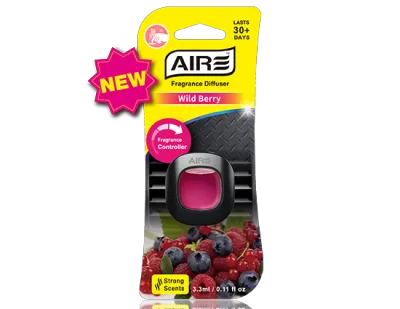
Vent clips represent a highly practical format for hot climates, provided they use solid or polymer cartridges rather than liquid reservoirs. These devices rely entirely on active airflow from your car’s air conditioning system to distribute the scent. When your car is parked and the engine is off, the lack of airflow keeps the scent dispersion to a minimum, preserving the fragrance cartridge. Once you turn on the air conditioning, the cool air helps regulate the evaporation rate, ensuring a controlled and refreshing burst of scent without overwhelming the cabin.
Liquid Diffusers and Electronic Nebulizers
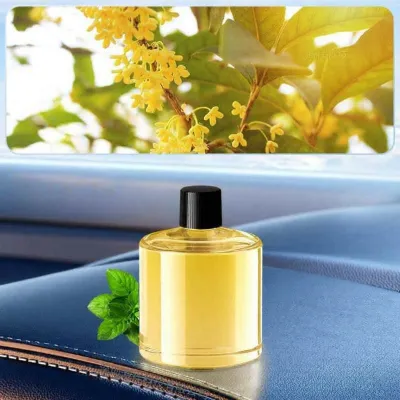
Liquid diffusers, such as hanging wooden-cap bottles or dashboard-mounted perfume bottles, rely on capillary action to draw liquid fragrance upward for evaporation. While they often provide a strong and immediate scent, they are highly vulnerable to Singapore’s heat. The combination of thermal expansion and vehicle movement increases the risk of liquid seeping through wooden caps or dripping from suspended bottles. If you choose a liquid format, it is critical to ensure it is mounted securely in an upright position away from delicate surfaces.
Electronic nebulizers represent a modern, high-tech approach to car fragrancing. These devices do not rely on heat or passive evaporation; instead, they use pressurized air or ultrasonic vibrations to atomize pure fragrance oil into a dry, micro-fine mist. This waterless technology is highly advantageous in humid climates because it does not add extra moisture to the cabin air. Electronic diffusers also offer adjustable intensity settings and automatic timers, allowing you to customize the scent output and prevent the fragrance from dissipating too quickly in a hot cabin.
However, electronic diffusers introduce specific safety considerations regarding power sources. Many portable models contain rechargeable lithium-ion batteries to allow cordless operation. Leaving lithium-ion batteries inside a hot car cabin—especially on the dashboard or center console where temperatures are highest—poses a safety hazard due to the risk of battery swelling or thermal runaway. For maximum safety in tropical climates, look for electronic models that run directly on USB power without an internal battery, or ensure the device features certified high-temperature battery protection.
What to Check on the Product Label and Packaging
When shopping for a car scent diffuser, do not rely solely on appealing packaging or brand names. Carefully inspect the product label and specifications to verify its suitability for high-temperature environments. Look for explicit operating temperature ranges printed on the packaging. High-quality automotive accessories are often rated to withstand temperatures up to 60°C or 70°C, giving you confidence that the housing materials and fragrance formulas will remain stable when parked under the sun.
For liquid or gel-based options, look for packaging that highlights spill-proof design features. Terms such as “leak-resistant membrane,” “gravity-safe check valve,” or “solid-state core” indicate that the manufacturer has incorporated physical barriers to prevent accidental leaks during thermal expansion. Avoid products that rely on simple friction-fit caps or thin plastic seals that can easily degrade or pop loose under pressure.
If you are purchasing an electronic diffuser, prioritize safety certifications and electrical specifications. Look for international safety markings such as CE, FCC, or RoHS on the label, which indicate the device has undergone standardized testing for electrical safety. Additionally, verify that the product features built-in safety mechanisms, such as an automatic shut-off timer that turns the device off after a set period, or an integrated sensor that detects high cabin temperatures and suspends operation to prevent overheating.
Safe Placement and Maintenance in a Hot Cabin
Where and how you position your car scent diffuser plays a major role in its longevity and your safety. Avoid placing any diffuser—especially liquid bottles or electronic devices—directly on top of the dashboard or hanging from the rearview mirror. These areas receive the most intense, direct solar radiation, which accelerates chemical breakdown and increases the risk of physical damage. Instead, mount diffusers on lower console vents, place them in cup holders, or secure them in door pockets where they are shielded from direct sunlight.
Always ensure that your diffuser is installed far away from airbag deployment zones. Placing accessories on the steering wheel hub, the passenger-side dashboard, or the side pillars can interfere with airbag inflation during a collision, potentially turning the diffuser into a dangerous projectile. Refer to your vehicle’s owner manual to identify safe mounting locations that do not compromise your safety systems.
To protect your diffuser and prolong its lifespan, practice basic cabin heat mitigation. Whenever you park in an unsheltered area, use a high-quality front windshield sunshade to block direct solar rays and lower the overall cabin temperature. When returning to your vehicle, roll down the windows and run the climate control fan for a minute to purge the trapped hot air before turning on the air conditioning. This simple routine reduces the thermal shock to both your vehicle’s interior and your scent diffuser.
Finally, establish a regular inspection routine. Check your diffuser weekly for any physical signs of heat stress. Look for warping plastic housings, liquid seepage around seals, a sudden change in the color or clarity of the fragrance oil, or a swollen battery casing on electronic models. If you notice any of these warning signs, or if the fragrance suddenly develops a burnt or rancid smell, stop using the product immediately and replace it to protect your cabin and your health.
Frequently Asked Questions (FAQ)
Can I leave a liquid car perfume in my parked car under the sun?
Leaving a liquid car perfume in a vehicle parked under direct sunlight is not recommended. The extreme heat causes the liquid to expand and increases pressure inside the bottle, which can lead to leaks or cracks. Because these liquids often contain alcohol and chemical solvents, any spill can cause permanent damage to your dashboard, leather, or plastic trim. If you must use a liquid perfume, ensure it is mounted securely upright in a shaded area of the cabin, or consider switching to a solid-state or polymer alternative that cannot leak.
Do vent clips work if I park my car in an open-air carpark?
Vent clips are highly effective for cars parked in open-air lots because they are designed to be passive when the air conditioning is turned off. When your car is parked, the lack of active airflow prevents the scent from dispersing rapidly, which helps preserve the fragrance cartridge. However, the extreme heat of an open-air carpark can still dry out the scent pad over time. To maximize their lifespan, choose vent clips that use solid polymer cartridges rather than liquid reservoirs, as polymers hold up much better against heat-induced degradation.
Are electronic car diffusers safe in high temperatures?
Electronic car diffusers can be safe in high temperatures, but their safety depends heavily on their power source. Models that contain built-in rechargeable lithium-ion batteries pose a safety risk if left in a hot cabin, as extreme heat can cause the battery to swell or fail. To ensure safety, choose electronic nebulizers that run directly on USB power without an internal battery, or select models that are explicitly certified for high-temperature automotive use. Always place electronic devices away from direct sunlight, such as in a cup holder or a lower storage compartment.

Community discussion
Share your experience or ask a question. Comments are reviewed before publication.