
To keep your vehicle smelling fresh in Singapore’s relentless tropical climate, choosing the right car perfume spray requires looking beyond basic fragrance preferences. The combination of intense solar heating and high relative humidity rapidly degrades standard scents, often turning them cloying or causing them to disappear entirely within hours. To ensure lasting freshness, you must select a low-alcohol or water-based formulation paired with a fine mist pump, utilizing resilient scent families like light citrus, aquatics, or woody base notes.
How Heat and Humidity Alter Fragrance Performance
When you park your car in an open-air HDB car park or roadside lot in Singapore, the greenhouse effect inside the cabin is intense. Within an hour, dashboard and interior air temperatures can easily exceed 60°C. This extreme thermal stress dramatically accelerates the kinetic energy of fragrance molecules, forcing volatile top notes to evaporate almost instantly rather than releasing gradually over time.
High ambient humidity, which regularly hovers around 80% to 90% in Singapore, further complicates scent dispersion. Moisture-laden air changes how we perceive scent intensity, as water vapor binds with fragrance droplets in the enclosed cabin. This high humidity can make heavy, sweet fragrances feel thick and suffocating, rapidly leading to olfactory desensitization, commonly known as scent fatigue.
Products mentioned in this guide
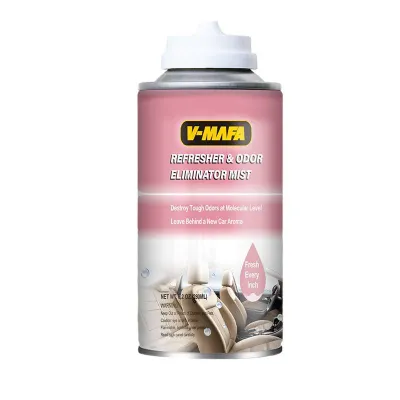
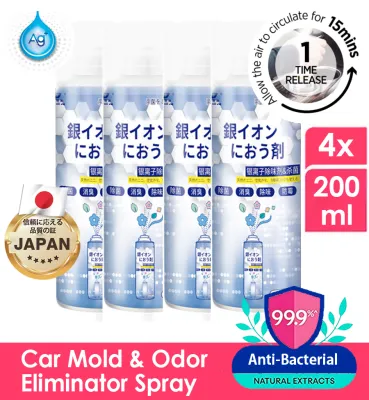
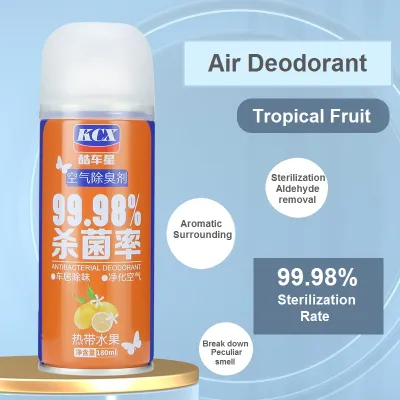
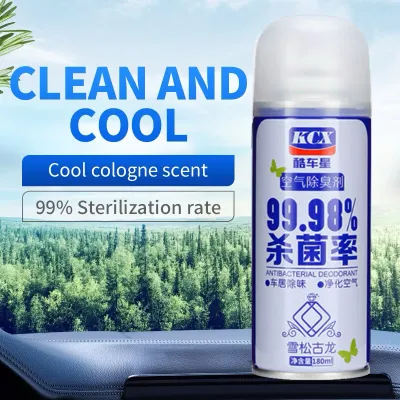
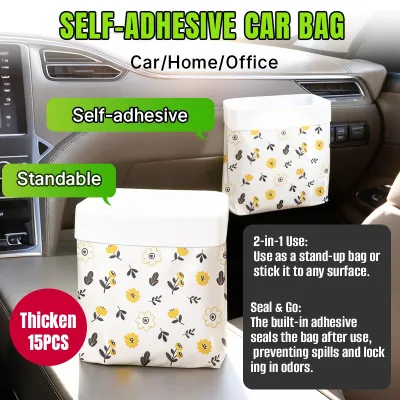
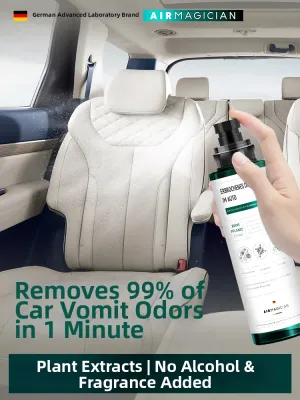
![[ARORAH] Natural Home Air Freshener | Long-Lasting Car Perfume | Car Freshener Perfume California Scents Alternatives](https://img.lazcdn.com/g/p/e882b222652dd73990d7dd2ee9796ee3.jpg_400x400q80.jpg_.webp)
Prices are valid at publication and may change. Please refer to the product page for the latest price.
Furthermore, intense heat and UV radiation passing through your car’s windshield can chemically alter fragile organic compounds. This thermal degradation can cause a previously pleasant aroma to oxidize, shifting into a flat, sour, or plasticky odor. These degraded molecules can cling to the fabric headliner and seat upholstery, leaving a stubborn, unpleasant base smell that is difficult to eliminate.
Formulations Best Suited for High Cabin Temperatures
Oil-Based and Water-Based vs. High-Alcohol Sprays
Many standard personal perfumes and low-cost air fresheners rely on a high-alcohol solvent base, typically ethanol or isopropyl alcohol. Alcohol has a very low boiling point and high volatility, which is ideal for a quick burst of fragrance on the skin but highly impractical inside a hot vehicle. In a cabin heated by the tropical sun, high-alcohol sprays flash off almost instantly, creating an overwhelming, sharp chemical blast that quickly fades into nothingness within a few hours.

In contrast, water-based or low-alcohol formulations utilize specialized emulsifiers to keep fragrance oils suspended. These carriers have a much lower vapor pressure, allowing the liquid to evaporate at a controlled, gradual rate even when exposed to high cabin temperatures. Pure oil-based sprays, which are designed to be applied directly to porous carrier materials, offer the highest thermal stability because the heavy oil molecules resist rapid vaporization.
Before purchasing a car perfume spray, always check the product label for its solvent base and concentration levels. Look for designations such as “automotive-grade,” “heat-stable,” or “alcohol-free” to ensure the formulation is engineered to withstand high-temperature environments. If the ingredient list is unclear, consult the manufacturer’s product documentation to verify its suitability for high-heat applications.
Fine Mist Pumps vs. Aerosol Propellants
The delivery mechanism of your car perfume spray plays a critical role in how the fragrance behaves in Singapore’s humid air. Aerosol sprays rely on pressurized liquefied gas propellants, such as propane or butane, to force the liquid through a nozzle. This process creates an extremely fine but highly pressurized cloud that disperses rapidly across the cabin.
However, in high relative humidity, these tiny aerosol droplets quickly attract and bind with ambient water vapor. This added moisture increases the mass of the droplets, causing them to settle rapidly onto interior surfaces rather than remaining suspended in the air. Over time, this rapid settling can leave a sticky, chemical-laden film on your dashboard, touchscreens, and windows.
Fine mist pump sprays, on the other hand, use mechanical pressure to shear the liquid into consistent, stable droplets. These droplets are light enough to remain suspended in the cabin air for longer periods without immediately binding to moisture and falling out of suspension. Using a fine mist pump allows for a more even, targeted distribution, reducing the risk of surface residue while maximizing the longevity of the airborne scent.
Scent Profiles That Remain Stable in the Heat
Stable and Refreshing Scent Families
To maintain a pleasant driving environment, you should select fragrance families that naturally complement, rather than fight, Singapore’s tropical climate. Clean, aquatic, and marine scent profiles containing notes of sea salt, ozone, and white tea are highly effective. These crisp, light scents cut through the heavy feeling of high humidity and psychologically enhance the cooling sensation of your vehicle’s air conditioning.
Light citrus formulations, particularly those utilizing lemongrass, bergamot, or litsea cubeba, also perform exceptionally well. Unlike sweet orange or synthetic lemon, these complex citrus profiles possess a sharper, cleaner edge that masks musty cabin odors without becoming heavy. To ensure these lighter notes last, look for blends that anchor them with robust, low-volatility base notes like cedarwood, sandalwood, bamboo, or vetiver.
These woody and earthy base notes consist of larger, heavier molecules that require more thermal energy to evaporate. They act as natural fixatives, holding the lighter citrus or aquatic notes in place and providing a subtle, grounding background aroma that remains stable for days. Always prioritize scent profiles specifically engineered for automotive use, as these formulas are designed to remain chemically stable under direct UV exposure.
Fragrances to Avoid or Use Sparingly
Certain fragrance families react poorly to high temperatures and should be avoided or used with extreme caution. Heavy floral scents, such as jasmine, tuberose, and gardenia, contain complex organic compounds that can smell animalic or cloying when heated. Similarly, overly sweet gourmand profiles—including vanilla, caramel, coconut, and chocolate—expand aggressively in a hot, sealed cabin, creating a suffocating atmosphere that can easily trigger headaches or motion sickness during long commutes.
Low-quality synthetic musks and cheap fragrance compounds are also highly susceptible to thermal and UV degradation. Under the intense Singapore sun, these unstable chemicals can break down rapidly, producing a sour, metallic, or stale odor that mimics damp upholstery or mold. This not only ruins the cabin’s atmosphere but can also be difficult to clean out of the vehicle’s fabric surfaces.
When introducing a new car perfume spray, always employ a cautious testing strategy. Apply a single, light spray to a rear floor mat during the cooler evening hours, allowing the scent to settle overnight. Assess the cabin the following morning to see how the fragrance has developed before committing to a larger application during the heat of the day.
Application and Storage Practices for Tropical Conditions
Safely using and storing your car perfume spray is essential to protect your vehicle’s interior materials from heat-accelerated chemical damage. Before applying any fragrance product, always check the applied product’s label and your vehicle manufacturer’s interior care instructions. If the instructions conflict, if your interior materials are unidentified, or if the specific use is not covered, stop immediately and consult the manufacturer or a qualified professional detailer. Never assume a product is safe for all surfaces without verification.
To prevent damage, always spray your car perfume onto fabric surfaces rather than hard or delicate materials. Carpeted floor mats and the fabric areas directly underneath the seats are ideal targets because they are shielded from direct sunlight and hold fragrance molecules well. Never spray directly onto leather seats, vinyl dashboards, plastic trims, or steering wheels, as the solvents and essential oils can strip protective coatings, dissolve plastics, and cause permanent cracking, peeling, or discoloration. Always perform a small spot test on an inconspicuous, hidden area of the fabric first to ensure colorfastness and compatibility.
Additionally, avoid spraying car perfume directly into your vehicle’s air conditioning vents. Singapore’s high humidity already makes automotive AC systems prone to internal condensation. Spraying liquid fragrances into the vents introduces moisture and organic compounds into the dark, cool ductwork, creating an ideal breeding ground for mold, mildew, and bacteria, which will eventually produce a persistent, musty smell.
Proper storage is equally critical to prevent product degradation and safety hazards. Never leave a car perfume spray bottle on the dashboard, in cup holders, or anywhere exposed to direct sunlight, as intense greenhouse heating can cause liquid degradation, bottle warping, or leaking. For pressurized aerosol cans, extreme heat presents a severe risk of pressure buildup and explosion. Store pump sprays in a shaded, cooler area of the cabin, such as the lower center console compartment, the glovebox (if rated for those temperatures), or a deep door pocket, and ensure the cap is tightly secured.
Frequently Asked Questions (FAQ)
Can I leave my car perfume spray in the glovebox during the day?
While the glovebox shields your car perfume spray from direct UV rays, it is not insulated from the high internal temperatures of a parked car. Cabin heat still transfers to enclosed compartments, which can easily exceed safe limits for many liquid formulations. Always check the manufacturer’s maximum storage temperature printed on the product label before leaving it inside the vehicle. If you use a pressurized aerosol can, you must never store it in the glovebox or any other cabin area due to the risk of explosion under high heat; instead, opt for mechanical pump sprays which are significantly safer under thermal stress.
Will car perfume spray damage my leather seats in the heat?
Yes, car perfume sprays can cause severe, irreversible damage to leather upholstery, especially when accelerated by high cabin temperatures. The alcohol, synthetic solvents, and essential oils found in many fragrances act as chemical solvents that strip away the protective topcoats and natural conditioners of leather. This chemical stripping, combined with intense heat and UV exposure, causes the leather to dry out, crack, peel, or discolor. To protect your interior, strictly apply the spray to fabric floor mats, or perform a thorough spot test on a hidden, inconspicuous area of the leather only if the manufacturer explicitly guarantees the formula is leather-safe.

Community discussion
Share your experience or ask a question. Comments are reviewed before publication.